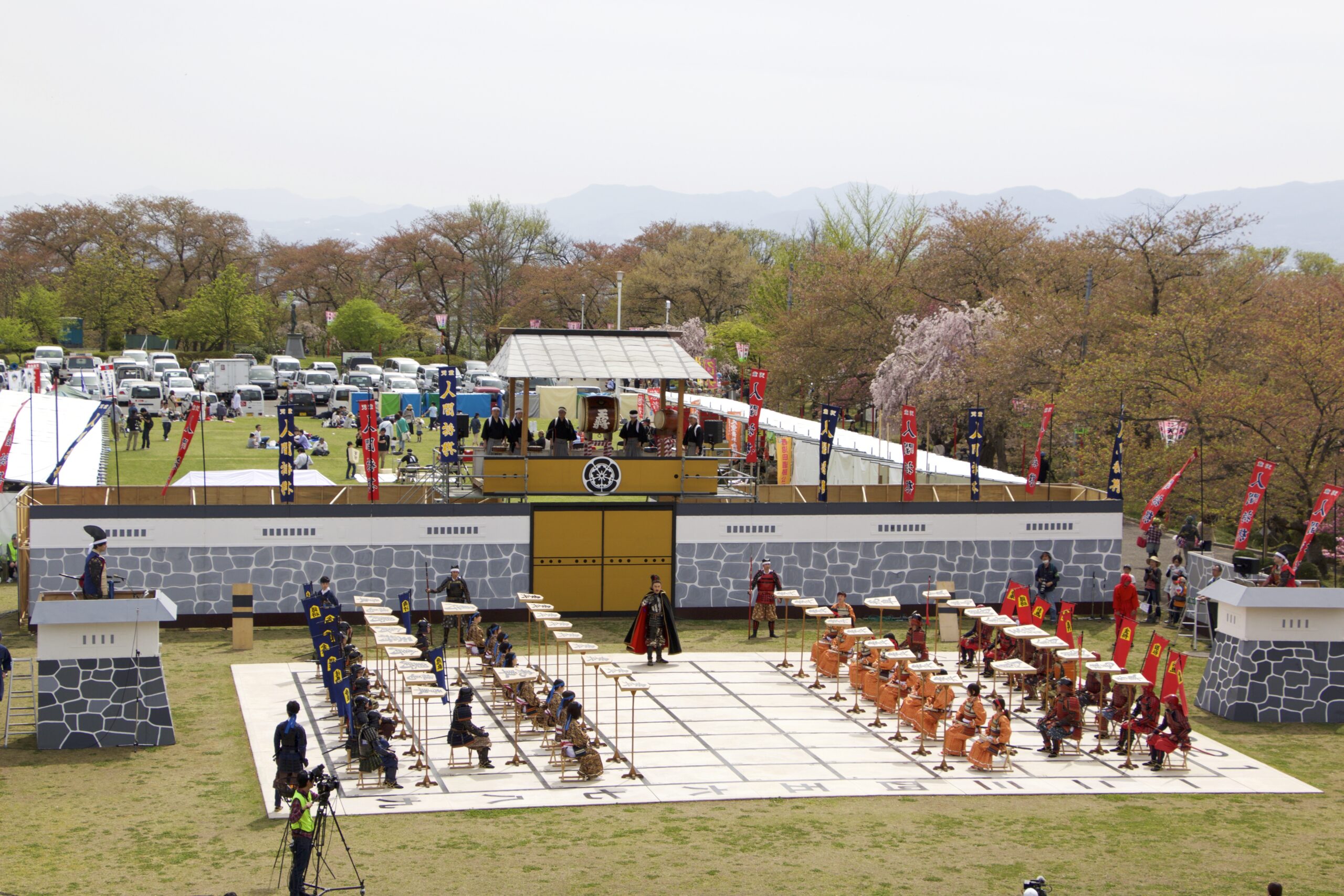
Picture a city where the post boxes are shaped like giant shogi pieces, where every taxi driver can explain the difference between a bishop and a rook, and where once a year hundreds of people dressed in full samurai costume play out a life-sized chess match on a hillside blanketed in cherry blossoms. Welcome to Tendo — Japan’s most wonderfully eccentric small city, and one of Tohoku’s most underrated destinations for anyone who wants to experience something genuinely unlike anywhere else in the world.
Why Tendo Deserves a Place on Your Japan Itinerary
Tendo City in Yamagata Prefecture has a population of around 60,000 — small enough to feel intimate, large enough to have a personality all its own. What gives Tendo its remarkable character is shogi (将棋), the ancient Japanese strategy game that Westerners often call Japanese chess. Tendo produces approximately 95% of Japan’s handcrafted shogi pieces (koma), a tradition of artisanal craftsmanship that has shaped the city’s identity for centuries. You can see master artisans at work in local workshops, buy one-of-a-kind pieces to take home, and trace the entire production process from raw wood to finished game.
But Tendo isn’t just a museum piece. The city has a vibrant festival culture centred on shogi, a beautiful onsen (hot spring) district, and is surrounded by the kind of Yamagata countryside — orchards, rice paddies, forested mountains — that makes you want to slow down and breathe deeply. It’s also an incredibly easy day trip from Yamagata City, sitting just 20 minutes away by JR train, which means even travellers on tight schedules can fit it in without sacrificing a full day.
For visitors who want to experience something genuinely off the beaten path — something that has nothing to do with temples, cherry blossoms, or famous shrines (though Tendo has those too) — the city offers a window into a craft tradition and cultural obsession that is deeply, fascinatingly Japanese. Trust us on this one: once you’ve watched a master artisan carve a shogi piece by hand and seen your first Ningen Shogi performance, you’ll understand why this small city has captured the hearts of travellers who stumble upon it.
Shogi 101: Understanding Japan’s Game of Strategy
You don’t need to know how to play shogi to enjoy Tendo, but a basic understanding of the game makes the experience much richer. Shogi (将棋) is a two-player strategy board game that has been played in Japan for over a thousand years. Like Western chess, the goal is to capture the opponent’s king piece. Unlike chess, captured pieces can be returned to the board as your own — a rule that creates extraordinary complexity and means games can continue for much longer than in Western chess.
A standard shogi set consists of 40 wedge-shaped pieces (20 per player) made from wood and inscribed with kanji (Chinese characters) in ink. Each piece type has a different movement rule and many pieces “promote” when they reach the opponent’s territory, changing their movement capabilities. The highest-ranking piece is the Gyokusho (King), followed by the Hisha (Rook), Kakugyo (Bishop), and various minor pieces. Professional shogi is taken extremely seriously in Japan — top professional players are celebrities, matches are broadcast on television, and prodigious child players like Sota Fujii (who turned professional at 14 and achieved the highest rank of 9-dan) become national news stories.
Tendo’s connection to shogi runs through the unique local wood: a type of dense, hard timber called tsuge (Japanese box tree) that has been harvested in the Yamagata mountains for centuries. The wood’s fine grain and resistance to warping makes it ideal for carving the precise, thin shogi pieces, and the local artisanal tradition of koma-shi (piece craftsmen) developed in response to this natural advantage. Today, Tendo koma are considered the finest in Japan and are used by professional players in tournament play.

The Ningen Shogi Festival: Japan’s Most Spectacular Chess Match
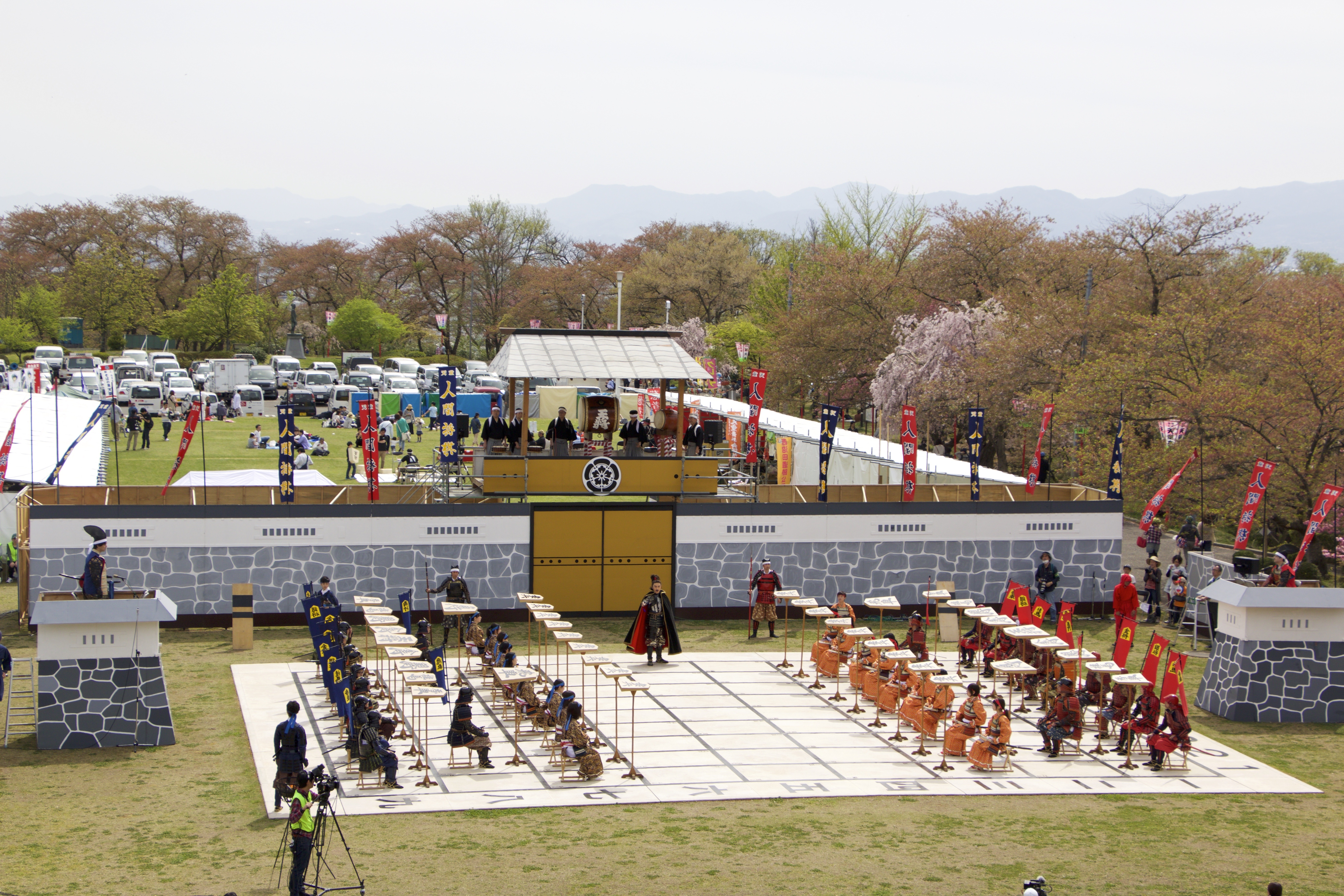
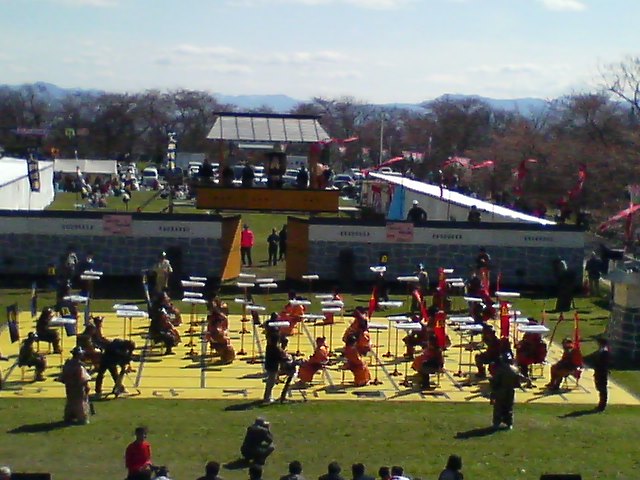
The highlight of any visit to Tendo — and the event that has made the city internationally famous among shogi enthusiasts — is the Tendo Ningen Shogi (天童人間将棋), or Human Chess festival. Held annually during the cherry blossom season, typically in mid-to-late April at Maizuru Park on the hillside above the city, this is one of Japan’s most dramatic and photogenic festivals.
The concept is simple and extraordinary: a giant shogi board measuring approximately 4 metres by 4 metres (13 by 13 feet) is marked out on the cherry blossom-covered hillside, and the 40 shogi pieces are represented by human beings dressed in full samurai armour, traditional court costumes, and period battle dress. Two professional shogi players sit at either side of the board and call out their moves. Attendants translate the move, and the human “pieces” walk across the board to their new positions. When a piece is “captured,” the person playing that piece dramatically withdraws from the board.
The result is visually breathtaking: costumed figures moving across a hillside carpeted in pale pink cherry blossoms, with traditional music playing and thousands of spectators watching from the surrounding slopes. The combination of ancient craft (the game itself), medieval pageantry (the costumes), and spring renewal (the blossoms) creates a moment that feels simultaneously historical and surreal. Even if you have no idea how to play shogi, watching Ningen Shogi is an unforgettable experience.
The festival runs over two days in mid-April, with multiple matches played each day. Reserved seating areas require advance booking (contact Tendo City’s tourism office or check the official festival website in February or March). General viewing areas are free and accessible throughout the festival grounds. The event draws around 30,000 visitors annually — not overwhelming by Japanese festival standards, but enough to make Tendo lively and festive during this period. Arrive early for the best viewing positions on the hillside.
Getting to Tendo from Tokyo and Sendai
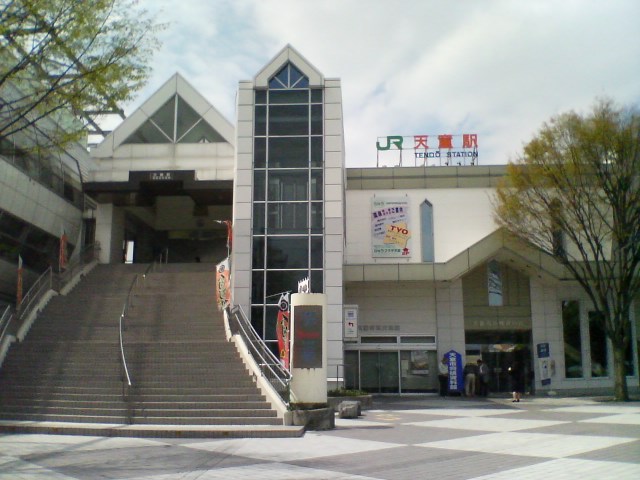
Tendo is well-connected by rail and makes an excellent day trip from both Sendai and Yamagata City.
- From Tokyo: Take the Yamagata Shinkansen (a “mini-shinkansen” that continues on standard rail tracks) directly to Tendo Station. This service runs from Tokyo Station and takes approximately 3 hours, with fares around ¥9,000–¥12,000 ($60–$80) one-way. The Japan Rail Pass covers this journey. Alternatively, take the Tohoku Shinkansen to Yamagata (about 2.5 hours, ¥10,000–¥12,000), then the local JR Ou Line train to Tendo (approximately 20 minutes, ¥200).
- From Sendai: Take the JR Senzan Line from Sendai Station to Yamagata Station (about 1 hour, ¥1,170 / $8), then connect to the JR Ou Line for Tendo (20 minutes, ¥200). Total journey: approximately 1 hour 20 minutes and ¥1,370 ($9). This is a very scenic train journey through mountain valleys.
- From Yamagata City: The local JR Ou Line runs every 20–30 minutes between Yamagata and Tendo, taking about 20 minutes and costing ¥200 ($1.50). Tendo is easily combined with a visit to Yamagata City’s attractions.
- By car: Tendo is approximately 20 km (12 miles) north of Yamagata City, about 25 minutes by car. This is worth considering if you want to explore the surrounding fruit orchards and countryside at your own pace.
Watching Shogi Pieces Being Made: The Koma Workshops
One of Tendo’s most memorable experiences is watching master craftspeople (koma-shi) create shogi pieces by hand. This is an art form that takes years — typically more than a decade — to master, and the results are objects of genuine beauty that happen to also be functional game components.
The process begins with selecting and preparing the wood. Traditionally, the finest pieces are made from Satsuma tsuge (a hard box tree variety from Kagoshima that is now regulated due to overharvesting) or the locally sourced Yamagata tsuge. The wood is aged and dried for months to prevent warping, then cut into the characteristic wedge shape of each piece type. Each piece type requires a slightly different shape: the gyokusho (king) is the largest and most carefully crafted; minor pieces are smaller but still require precise proportioning.
The inscribing process is where the true artistry appears. Master craftspeople use multiple techniques: oshi-goma (stamped pieces), hori-goma (hand-carved pieces where the characters are incised with a chisel), and the extremely rare nuri-goma (painted pieces, increasingly rare as the skill required is enormous). The highest grade of piece is the kakimono (calligraphic pieces), where a master calligrapher brushes the characters directly onto the wood, each piece individually written. A complete kakimono set by a renowned craftsperson can cost ¥500,000–¥2,000,000 ($3,300–$13,500) and represents decades of combined skill from the wood carver and the calligrapher.
Several workshops in Tendo welcome visitors to watch the production process and purchase pieces directly. The Tendo Shogi Crafts Experience Centre (天童将棋駒工芸館) near the station offers demonstrations and guided tours of the production process. This is highly recommended even for visitors who have no interest in actually playing the game — the skill and precision of the craftspeople is fascinating to observe, and the finished pieces are beautiful objects regardless of their game function.
The Tendo Shogi Museum and Cultural Centre
The Tendo Shogi Museum (天童市将棋資料館), located near Tendo Station, provides comprehensive context for the city’s shogi heritage. Exhibits trace the history of the game from its origins over 1,000 years ago through to the modern professional scene, with particular focus on Tendo’s role as the centre of piece production. You’ll see examples of pieces from different eras, including antique sets of extraordinary beauty, and learn how the game spread from China through Korea to Japan, developing its distinctive rules and culture along the way.
The museum also features rotating exhibitions on famous professional players (many of whom have visited Tendo) and displays of Tendo’s most important cultural asset: the complete set of pieces used in an official professional title match. These championship sets are invariably Tendo pieces, and seeing them in person — alongside photos of the matches where they were used — gives you a sense of how central this small city is to Japan’s national game.
The museum is open daily except Mondays (closed on public holidays), from 9:00am to 5:00pm. Admission is approximately ¥300 ($2) for adults. English-language materials are limited but the visual displays are self-explanatory. Spend 45 minutes to an hour here before heading to the craft workshops for the most enriching experience.
Maizuru Park and the Osho Statue
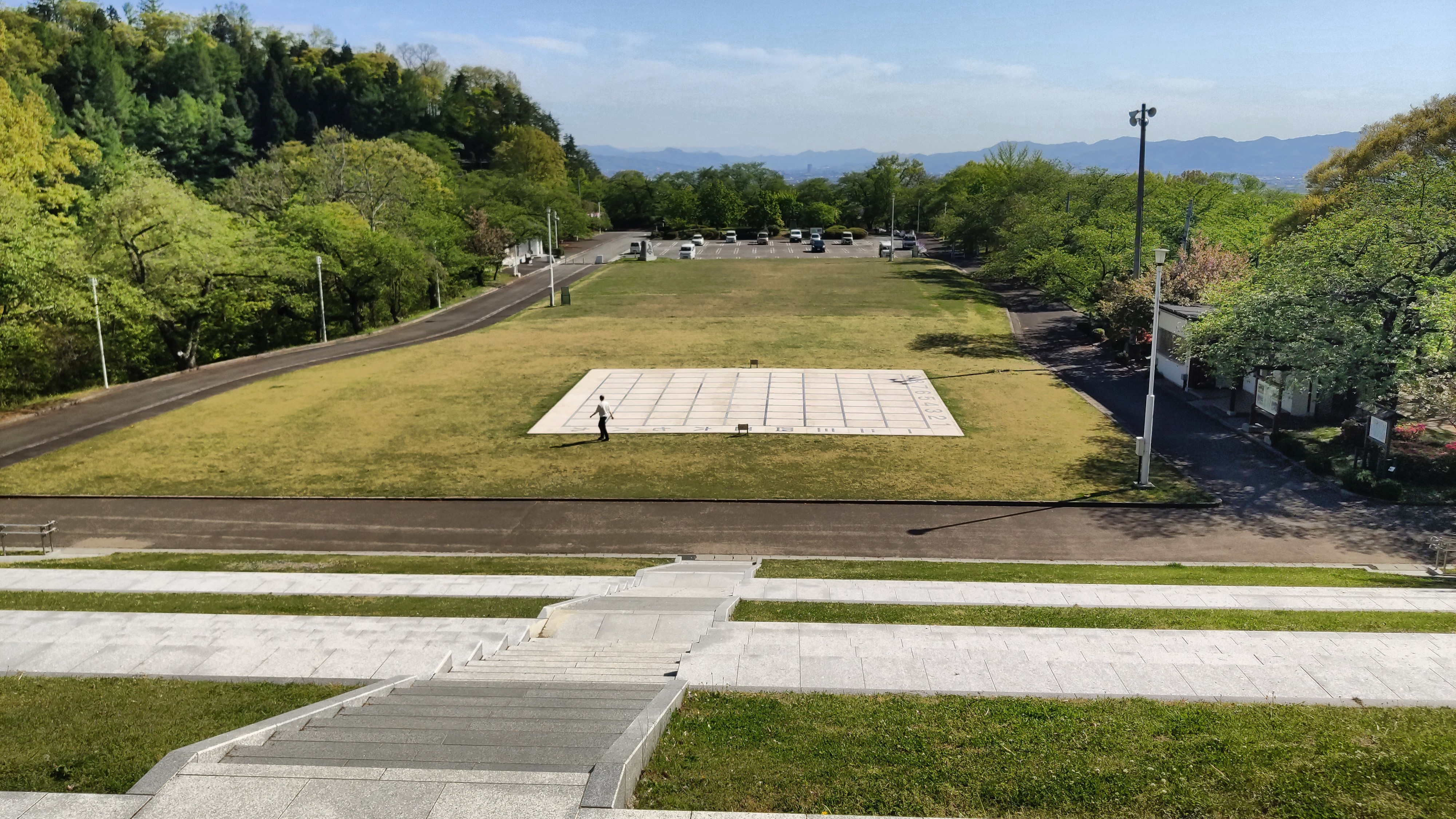
Rising above Tendo’s cityscape is Mount Maizuru, a small forested hill that is home to the city’s most important park and its most recognisable landmark. Maizuru Park (舞鶴公園) is where the Ningen Shogi festival takes place each April, but it’s worth visiting at any time of year for its views over the Yamagata basin and its collection of monuments to Japan’s shogi culture.
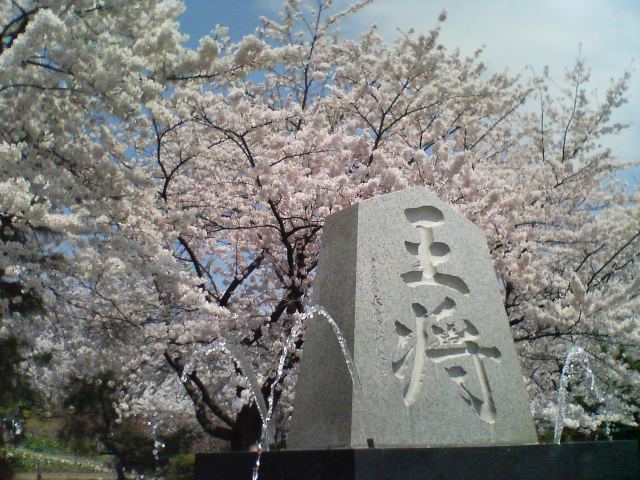
At the summit of the hill stands a giant stone statue of an Osho (王将, King) shogi piece — the most powerful piece on the board. The statue is large enough to photograph imposingly against the sky and serves as the unofficial symbol of Tendo. Below it, stone markers trace the history of famous shogi matches, and smaller pieces are dotted throughout the park’s gardens. In spring, approximately 450 cherry trees transform the park into a sea of blossoms, making it one of Yamagata Prefecture’s finest hanami (flower viewing) destinations. The combination of blooming sakura and giant shogi pieces is visually extraordinary and makes for some of Japan’s most unusual — and memorable — photographs.
The walk from Tendo Station to Maizuru Park takes approximately 15–20 minutes through the city centre, passing shogi-themed street installations, the retro shopping arcade, and several traditional confectionery shops. Alternatively, a short taxi ride takes 5 minutes. The park grounds are open year-round and free to enter.
Tendo Onsen: Soaking in Yamagata’s Hot Springs
Most visitors to Tendo come specifically for the shogi culture, but the city has an excellent onsen district that deserves its own recognition. Tendo Onsen (天童温泉) has been attracting bathers for centuries, and the ryokan (traditional inns) that line the hot spring district offer a distinctly regional flavour of Japanese hospitality.
The waters are mildly alkaline sodium bicarbonate springs, known in Japan as “beauty springs” (bijin no yu) for their skin-softening properties. The temperature is comfortable for long soaking (typically 40–43°C / 104–109°F), and several ryokan have outdoor rotemburo (open-air baths) where you can soak while looking out over the Yamagata mountains. After a day of exploring shogi workshops and climbing Maizuru Hill, a long soak followed by a multi-course kaiseki dinner in your ryokan room is about as perfect an evening as Japan offers.
Day-use bathing (higaeri nyuyoku) is available at several Tendo Onsen facilities for visitors who aren’t staying overnight, typically costing ¥500–¥1,000 ($3.50–$7). This is an excellent option for day-trippers who want the onsen experience without committing to a ryokan stay. Ask at the tourist information office at Tendo Station for current day-use facilities.
Tendo’s Fruit Orchards: The Other Side of the City
Tendo is not only Japan’s shogi capital — it also sits in the heart of Yamagata Prefecture’s extraordinarily productive fruit belt. The area around Tendo is covered in fruit orchards that produce some of Japan’s finest cherries, peaches, grapes, and pears, and various fruit-picking experiences are available to visitors from late May through autumn.
Cherry picking is the most popular — Yamagata is Japan’s largest cherry-producing prefecture, and the cherries grown around Tendo are particularly prized for their size and sweetness. Picking season runs from early June to mid-July depending on the variety. Local farms typically charge ¥1,500–¥2,500 ($10–$17) for 30 minutes of all-you-can-eat picking in the orchard. The experience of standing under a laden cherry tree on a sunny June morning, eating cherries warm from the sun while looking out over Yamagata’s mountains, is one of those simple Japanese pleasures that stays with you. Peach picking follows in late July and August, and Tendo’s peaches are large, fragrant, and devastatingly sweet. Yamagata peaches regularly sell for ¥300–¥500 ($2–$3.50) each in the gift shops near the station — a reminder that Japanese fruit at its peak is in a different category from anything you’ll find at a supermarket back home.
Fruit picking farms can be reached by taxi or rental bicycle from Tendo Station. Ask at the tourist information office for currently operating farms and seasonal recommendations. Combination visits — orchard in the morning, shogi workshop in the afternoon, onsen in the evening — make for a wonderfully satisfying Tendo day trip or overnight stay.
Where to Eat in Tendo
Tendo is a small city, but it has a solid selection of local restaurants serving Yamagata’s excellent regional cuisine. The area around the station is the most convenient for dining.
Shogi-Inspired Local Cuisine
Several restaurants in Tendo serve shogi-themed dishes — using shogi piece-shaped moulds for rice cakes, bento boxes arranged to represent the game board, and special celebration menus designed for tournament days. These are fun rather than gastronomically extraordinary, but they’re a charming way to lean into the city’s character. The Tendo Station area has several such cafes and lunch spots offering set meals from ¥800–¥1,500 ($5.50–$10).
Yamagata Beef and Local Specialties
Yamagata Prefecture produces excellent wagyu beef (Yonezawa beef being the most famous, but the local Yamagata beef varieties are also very good), and several restaurants in Tendo serve locally sourced beef in various preparations — yakiniku style, sukiyaki, and as part of tasting menus. Prices for beef-focused dinners run ¥3,000–¥8,000 ($20–$55) depending on the cut and preparation. The city is also close to the mountains and rivers that produce Yamagata’s famous wild vegetables (sansai), fresh river fish, and the edamame soybeans used in the beloved zundamochi sweets you’ll have tried if you passed through Sendai or Yamagata City.
Fresh Fruit Desserts and Sweets
Given Tendo’s location in Yamagata’s fruit belt, the local confectionery is exceptional. Look for fresh cherry tarts and cherry jam at the station’s souvenir shops in early summer, peach ice cream and fresh peach parfaits in August, and grape-filled wagashi (traditional Japanese sweets) in autumn. The shogi piece-shaped mochi (rice cakes) sold in the station gift shops are a delightful Tendo-specific souvenir — beautifully packaged and genuinely delicious.
Best Time to Visit Tendo
- Spring (April): The absolute peak — cherry blossoms at Maizuru Park are spectacular, and if your timing aligns with the Ningen Shogi festival (usually mid-April), you’ll witness one of Japan’s most extraordinary events. Book accommodation and festival tickets months in advance for this period. Temperatures around 8–18°C (46–64°F).
- Early Summer (June–July): Cherry picking season is underway, the city is quiet but vibrant, and the Yamagata countryside is at its lushest green. Perfect for a relaxed visit combining fruit orchards, shogi workshops, and onsen. Temperatures 18–28°C (64–82°F).
- Autumn (September–November): The mountain foliage around Tendo is beautiful, particularly in late October. Peaches and grapes are in season in early autumn. The city is peaceful and the onsen are particularly appealing as temperatures drop. October foliage is outstanding.
- Winter (December–March): Cold (temperatures drop to -5–5°C / 23–41°F) and often snowy, but the onsen are glorious and the ryokan are at their cosiest. Snow on the Osho statue at Maizuru Park is genuinely picturesque. The shogi workshops continue year-round.
Where to Stay in Tendo
Budget (Under ¥8,000 / $55 per night)
Tendo has basic business hotels near the station offering clean, comfortable accommodation for solo travellers and couples on a budget. These typically run ¥5,000–¥8,000 ($35–$55) per room and are fine for a one-night stay before or after the Ningen Shogi festival. For more character, consider staying in nearby Yamagata City (20 minutes by train) which has a wider selection of budget accommodation.
Mid-Range Ryokan (¥8,000–¥20,000 / $55–$135)
The Tendo Onsen district has several traditional ryokan offering onsen access, yukata (cotton kimono) to wear in the inn, and multi-course dinners using local Yamagata ingredients. These mid-range options — typically ¥10,000–¥18,000 ($68–$122) per person including dinner and breakfast — offer the most authentic Tendo experience. Staying in a ryokan at Tendo Onsen is particularly worthwhile for the combination of cultural immersion (traditional inn etiquette, kaiseki cuisine, communal bathing) and genuine relaxation. Prices often increase significantly during cherry blossom season.
Luxury (¥20,000+ / $135+)
The higher-end ryokan in the Tendo Onsen district offer private outdoor baths, upgraded kaiseki menus featuring seasonal Yamagata produce (including Yonezawa beef courses), and beautifully appointed rooms with mountain or garden views. These properties typically run ¥25,000–¥45,000 ($170–$300) per person and represent some of the finest traditional hospitality in Yamagata Prefecture — excellent value compared to equivalent experiences in Kyoto or Tokyo.
Practical Tips for Visiting Tendo
- Visit the tourist information office at Tendo Station first. Staff are helpful, some speak basic English, and they have maps, festival schedules, and up-to-date information on workshop tours and fruit picking farms.
- The Ningen Shogi festival requires advance planning. Reserved seating sells out quickly. Check the official Tendo tourism website (Japanese, but accessible via Google Translate) from January or February for ticket booking information. If you miss reserved seats, general viewing is still available and excellent.
- Rent a bicycle from the station. Tendo’s flat city centre and surrounding orchards are perfect cycling territory. Rental bikes are available near the station for approximately ¥500–¥1,000 ($3.50–$7) per day and let you reach the fruit orchards and Tendo Onsen easily.
- Buy shogi pieces directly from artisans. Even if you can’t play shogi, handcrafted Tendo koma make exceptional souvenirs. Prices range from ¥2,000 ($14) for basic stamped sets to hundreds of thousands of yen for master-crafted pieces. Even a mid-range carved set (¥10,000–¥30,000 / $68–$200) is a meaningful and distinctive gift.
- Combine with Yamagata City or Yamadera Temple. Tendo is 20 minutes from Yamagata City and 40 minutes from Yamadera Temple (take the JR Senzan Line). A combination day — Tendo in the morning, Yamadera’s 1,000 steps in the afternoon — is a memorable Yamagata Prefecture day.
- The city is quiet outside festival season. Don’t expect Kyoto-style crowds and tourist infrastructure. Tendo is a working city where shogi happens to be a central part of life. This quietness is part of its charm — you’re seeing Japan as it actually lives, not as it performs for tourists.
- Try to attend a public shogi match if timing allows. Tendo occasionally hosts regional and national shogi tournaments. Watching professional players at work — the deep concentration, the ritual of the game, the extreme politeness between competitors — is fascinating even without understanding the specific moves. Check the shogi association website for tournament schedules.
- Afternoon light is best for Maizuru Park photography. The park faces west and the late afternoon light is particularly beautiful on the cherry blossoms in spring or the autumn foliage in November. Arrive for a mid-morning workshop tour, have lunch in town, then walk up to the park in the early afternoon.
- Cash is preferred at many workshops and smaller restaurants. Bring ¥10,000–¥20,000 ($68–$135) in cash for a comfortable day including workshop visits, meals, and some souvenir shopping.
- Learn three shogi piece names before you visit. Even knowing the Japanese names for the Osho (King, 王将), Hisha (Rook, 飛車), and Kakugyo (Bishop, 角行) will delight local craftspeople and create genuine connection during workshop visits. A little effort goes a long way in small-city Japan.
Sample Day Trip Itinerary from Sendai or Yamagata City
One Day in Tendo
8:30am: Depart Sendai by JR Senzan Line (or Yamagata City by JR Ou Line). Arrive at Tendo Station around 9:30–9:50am. Stop at the tourist information office for maps and current workshop tour schedules. 10:00am: Begin at the Tendo Shogi Museum for 45 minutes of context on the game’s history and Tendo’s craft tradition. 11:00am: Join a workshop demonstration at the Shogi Crafts Experience Centre. Watch master craftspeople at work, ask questions through a staff interpreter if available, browse the on-site shop for pieces to purchase. 12:30pm: Lunch at a nearby restaurant in the station area. Try the shogi-themed bento if curiosity strikes, or order a straightforward Yamagata beef bowl (¥1,000–¥1,500 / $7–$10). 1:30pm: Walk or cycle to Maizuru Park (20 minutes on foot). Climb to the Osho statue for views over the city and surrounding rice paddies. Photograph the giant piece against the sky. If visiting in spring, the cherry blossoms here are exceptional. 3:00pm: Stroll through the Tendo Onsen district. Stop at a day-use bath facility for a 45-minute soak (¥700 / $5). Change back into travel clothes and feel entirely revived. 4:30pm: Browse the souvenir shops near the station for shogi-themed sweets, fruit preserves, and handcrafted pieces to take home. 5:00–5:30pm: Board the JR Ou Line back to Yamagata City or the Yamagata Shinkansen toward Sendai and Tokyo.
Related Articles You Might Enjoy
- Tsuruoka, Yamagata: Complete Guide to Japan’s UNESCO Gastronomic City, Samurai Heritage & Dewa Sanzan
- Dewa Sanzan: Complete Guide to Yamagata’s Three Sacred Mountains
- Yonezawa City Guide: Samurai History, Japan’s Best Wagyu Beef & the Uesugi Legacy
- Yamagata Cherry Picking: Japan’s Cherry Capital — A Complete Guide for Foreigners
- Shinjo Festival, Yamagata: Japan’s UNESCO Float Festival Few Foreigners Ever See
Final Thoughts
Tendo is the kind of place that Japan travel blogs don’t talk about enough. It doesn’t have a famous castle, a UNESCO World Heritage site, or a particularly dramatic natural feature. What it has is something rarer: a city that has built its entire identity around a single craft and cultural practice, and maintained that identity with genuine pride for centuries. Walking through Tendo, you understand that shogi isn’t just a game here — it’s the thread that runs through the city’s economy, festivals, architecture, and daily life.
Coming from abroad to experience Ningen Shogi or to watch a craftsperson carve a shogi piece with the same tool their great-great-grandparent used — this is the kind of travel that leaves a mark. Not the Instagram-famous kind of travel, but the quiet, lasting kind where you return home knowing you’ve seen something genuinely special. Tendo is waiting, and the shogi board has a seat for you.
Have questions about visiting Tendo or Yamagata Prefecture? We’d love to help — drop us a message here.


コメント