This article may contain affiliate links. If you book or buy through them, this site may earn a commission at no additional cost to you.
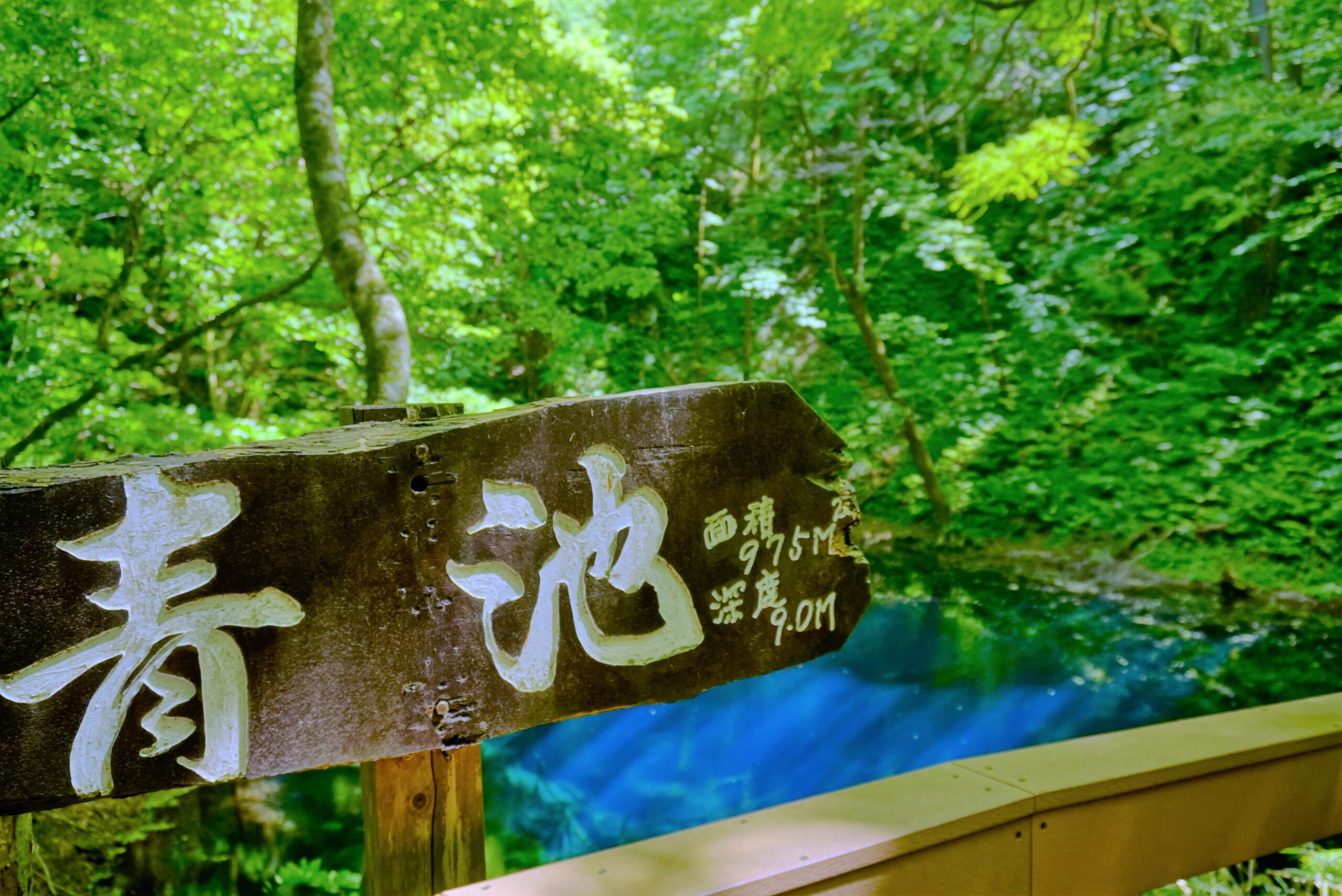
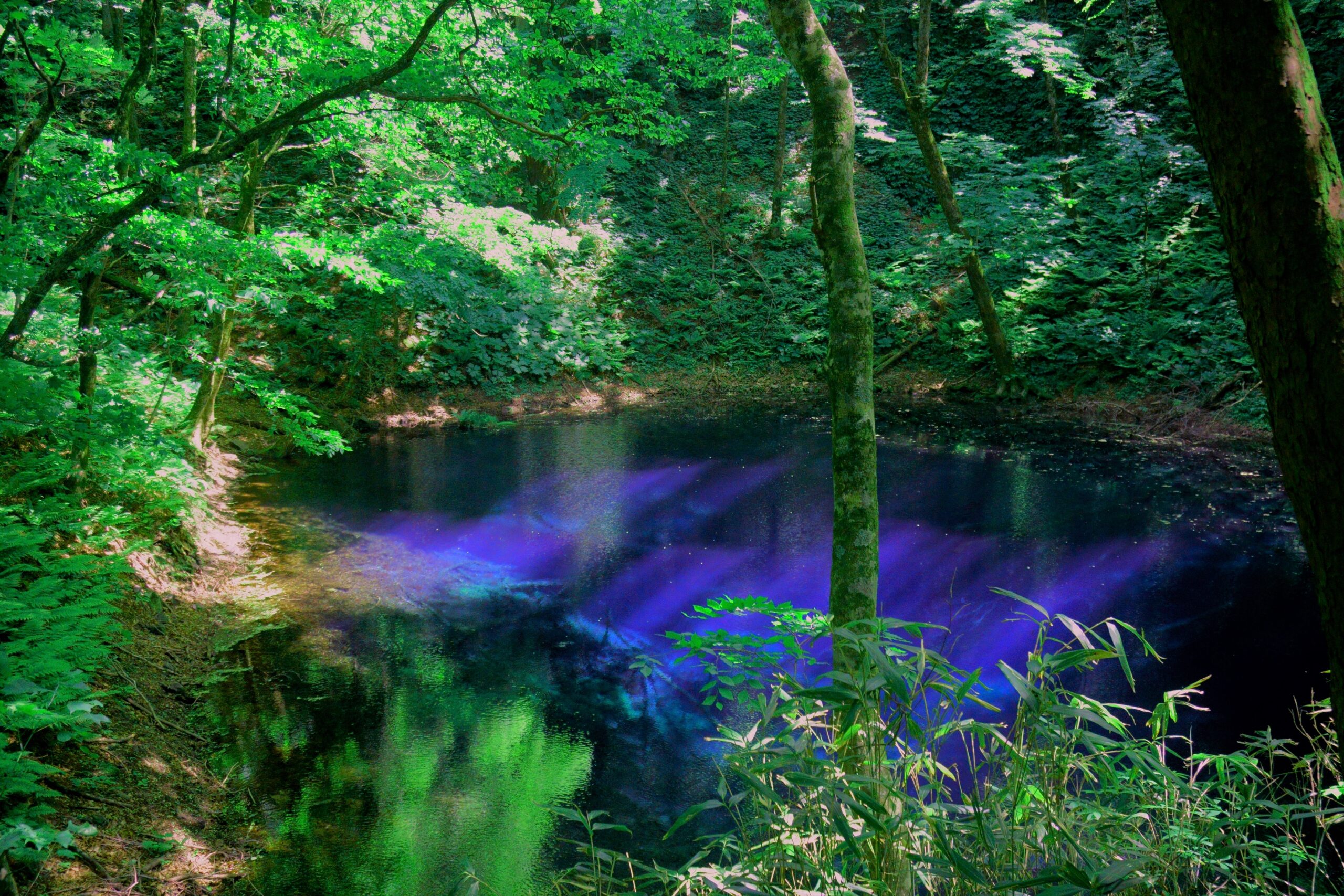
Imagine standing at the edge of a forest pond so impossibly blue it looks like someone has poured liquid sapphire into the earth — and all around you, the ancient beech trees of a primeval forest stand in cathedral silence, their roots older than Japan’s written history. Welcome to Aoike (青池), the Blue Pond of Juniko, deep in the heart of Shirakami-Sanchi: one of the most breathtaking, least-visited corners of all Japan.
Why Aoike & Shirakami-Sanchi Should Be on Every Japan Itinerary
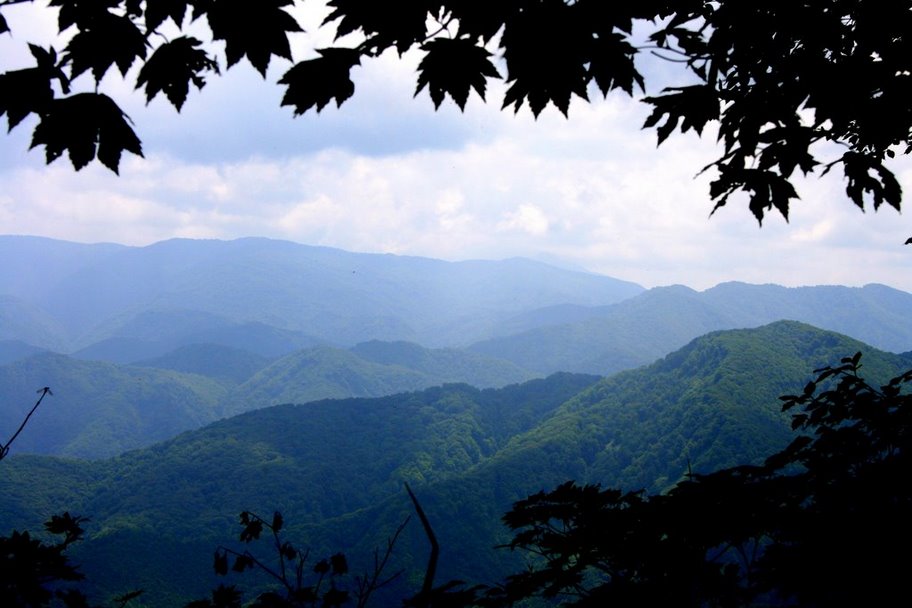
Japan has no shortage of stunning natural scenery, but Shirakami-Sanchi occupies a category entirely its own. Designated a UNESCO World Heritage Site in 1993 — Japan’s very first — this 130,000-hectare wilderness straddles the border of Aomori and Akita prefectures and contains the largest surviving primeval beech forest in East Asia. This isn’t a managed park or a manicured garden. It’s a genuine wilderness, largely untouched for thousands of years, where Japanese black bears still roam and golden eagles circle above ridges blanketed in trees that were already ancient when the Edo period began.
And at the heart of the tourist-accessible portion sits Juniko (十二湖, “Twelve Lakes”) — a cluster of more than thirty small lakes and ponds tucked into the western fringe of the Shirakami range, formed by a massive earthquake-triggered landslide in 1704. The jewel of Juniko is Aoike: a pond barely 60 meters (200 feet) across and about 9 meters (30 feet) deep, whose waters glow an electric, almost surreal cobalt blue in any light and at any season. Scientists attribute the color to fine suspended particles in the water that scatter blue wavelengths of light — the same Tyndall effect responsible for blue skies — but standing there, the rational explanation evaporates. It simply looks magical.
What makes this place truly special is what it isn’t: crowded. While millions of tourists crowd Kyoto temples or jostle for selfie positions at Arashiyama bamboo grove, you can walk to Aoike and sometimes find yourself completely alone, listening to nothing but wind through ancient beech leaves and the drip of moss. For travelers willing to make the journey — and it does require some effort — Shirakami-Sanchi and Juniko deliver one of the most profoundly beautiful experiences Japan has to offer.
Getting to Aoike & Juniko from Tokyo
Juniko is one of Japan’s more remote attractions, and the journey is part of the adventure. That said, it’s entirely achievable using public transportation or a rental car.
By Shinkansen and Train (Recommended)
- Tokyo → Shin-Aomori: Take the Tohoku-Hokkaido Shinkansen (Hayabusa) to Shin-Aomori Station. Journey time is about 3 hours 10 minutes. Round-trip tickets cost around ¥30,000–¥35,000 ($200–$235 USD). The JR Pass covers this route.
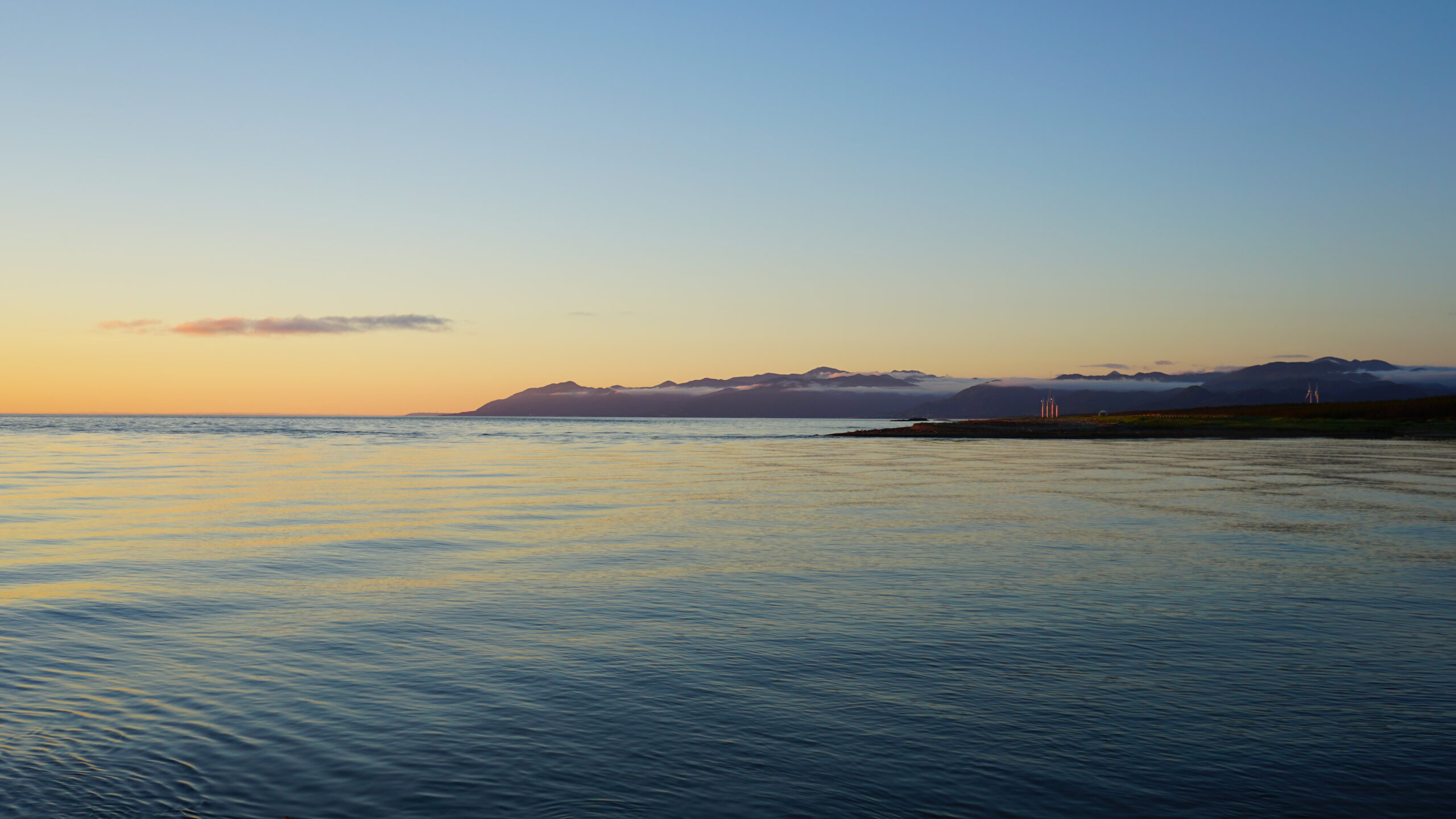
- Shin-Aomori → Juniko Station: Transfer to the JR Ou Line toward Hirosaki, then switch to the JR Gono Line at Kawabe or Higashi-Noshiro and ride to Juniko Station. Total additional time: approximately 2.5–3 hours. The Gono Line is scenic and slow — in the best possible way, hugging the Sea of Japan coastline for much of the route.
- From Hirosaki: If you’re already in Hirosaki (a popular stop in Aomori for its spectacular cherry blossoms), take the JR Gono Line westward toward Juniko Station. Journey time: approximately 2 hours.
- From Akita (via Shinkansen): Tokyo → Akita takes about 3 hours 50 minutes by the Komachi Shinkansen (¥22,000–¥25,000 / $148–$168 one way, JR Pass valid). From Akita Station, take the JR Gono Line northward to Juniko Station — about 1 hour 50 minutes.
Note on the Gono Line: The JR Gono Line is one of Japan’s most scenic coastal railways, running along rocky cliffs above the Sea of Japan. Seats on the ocean side offer spectacular views. However, the line is infrequent — trains run only a handful of times per day in each direction. Check the JR timetable carefully before setting out, and always plan your return trip before you leave your accommodation.
From Juniko Station to the Blue Pond
Juniko Station itself is small and rural. From the station, seasonal shuttle buses run to the Juniko trailhead and Aoike area (about 15 minutes, ¥200–¥400 each way). Outside the peak season (roughly May to November), bus services are reduced or suspended; check with Fukaura Tourism Board for current schedules. Taxis are available but expensive for the distance. If you’re staying in Fukaura Town, some accommodations offer shuttle services.
By Rental Car
Driving is arguably the most convenient option, especially if you’re combining Shirakami-Sanchi with other western Aomori or northern Akita destinations. From Hirosaki, the drive to Juniko takes about 1.5 hours via Route 101 along the coast. From Akita City, it’s approximately 2 hours. Parking at the Juniko visitor area costs ¥500–¥700 per day. Having a car also lets you stop at coastal viewpoints, seafood restaurants in Fukaura, and lesser-visited parts of the forest.
Exploring Juniko: The Twelve Lakes Area
Despite the name, Juniko actually contains more than thirty lakes and ponds, spread across a forested valley carved by the 1704 landslide. Most visitors follow the well-marked trails to Aoike and a handful of other highlights, but the area rewards those who linger and explore beyond the obvious route.
Aoike — The Blue Pond
The star of Juniko needs no introduction: Aoike is simply one of the most beautiful small lakes in the world. No matter when you visit — morning mist, blazing afternoon sun, overcast autumn sky — the water maintains its extraordinary cobalt color. The surrounding beech trees lean over the water’s edge, their roots gripping mossy banks, and in autumn their amber and crimson leaves reflect across the blue surface in a combination of colors that strains the limits of photography (and belief).
The viewing area at Aoike is a short, easy walk from the main parking area — perhaps 5 minutes on a flat, well-maintained path. There’s a simple wooden viewing platform and benches. On peak autumn weekends it can get crowded in the morning, but if you arrive before 9 AM or after 3 PM, you’ll often have the place largely to yourself. Photography tip: overcast days actually produce richer blue colors, since the water absorbs rather than reflects glare.
The Easy Loop Trail (2km)
A gentle 2-kilometer (1.2-mile) loop takes you past Aoike and several other small lakes, including the forest-fringed Niho-no-Uma-asobi-ba (二反田馬遊場) and a series of unnamed ponds that each seem to glow a different shade of blue-green depending on the light. The loop is nearly flat, well-signposted in Japanese and English, and takes about 45 minutes at a leisurely pace. It’s suitable for families with children and for those who aren’t keen on serious hiking.
The Intermediate Loop (5km)
For those who want more, the intermediate 5-kilometer (3.1-mile) loop extends deeper into the beech forest, passing through older growth where the canopy closes overhead and the sounds of the outside world fade completely. You’ll encounter mossy boulders, clear streams, and the occasional fallen giant — trees that may have stood for 400–500 years before age finally felled them. This trail takes 2–3 hours and involves some gentle climbing. Good walking shoes are recommended; the path can be muddy after rain.
Deep Shirakami Access
The UNESCO core zone of Shirakami-Sanchi itself is strictly controlled — access requires advance registration with the Shirakami-Sanchi World Heritage Conservation Center, and groups must be accompanied by a certified guide. These deep-forest treks are for experienced hikers and outdoor enthusiasts, but they represent an extraordinary opportunity to walk in genuinely pristine wilderness that has never been logged or significantly disturbed by humans. Contact the conservation center (in Japanese) well in advance if you want to attempt deeper access.
Wildlife of Shirakami-Sanchi
Shirakami-Sanchi is one of the few places in Japan where large, undisturbed wilderness supports a full suite of native wildlife. If you spend time here quietly — particularly in the early morning or at dusk — the chances of encounters are real.
Japanese Black Bear (ツキノワグマ)
Bears are present throughout Shirakami-Sanchi and are occasionally spotted in the Juniko area. This is not cause for panic — Japanese black bears (Asian black bears, Ursus thibetanus) are generally shy and avoid humans — but you should make noise as you walk (bear bells, available at outdoor shops everywhere in Japan, are the standard solution), carry bear spray if you’re hiking in more remote areas, and follow all posted instructions at trailheads. Bins at the Juniko visitor area are bear-proof for good reason.
Japanese Serow (カモシカ)
These sturdy, goat-like animals are a symbol of Japan’s mountain regions and protected by law. Serow are often spotted on rocky slopes in the early morning, regarding hikers with a mixture of curiosity and profound indifference. If you encounter one on a trail, simply stand still and let it move away at its own pace — they’re remarkably unbothered by humans.
Golden Eagle (イヌワシ)
Shirakami-Sanchi is one of the last strongholds of the golden eagle in Japan. These magnificent birds, with wingspans approaching 2 meters (6.5 feet), patrol the ridgelines and thermals above the beech forest. Spotting one requires luck and patience, but on a clear morning with binoculars, scanning the ridges around Juniko can be rewarding.
Flora
The beech forest itself is the headline attraction — buna (ブナ, Fagus crenata) trees that can live 300–400 years, their smooth gray trunks rising in cathedral columns from the forest floor. In spring, the fresh lime-green leaves emerge in waves; in summer the canopy is dense and cool; in autumn, the entire mountain turns amber, gold, and rust. The forest floor supports a rich understory of ferns, wild ginger, and various orchid species, many of which are found nowhere else.
Best Time to Visit Aoike & Shirakami-Sanchi
- Spring (late April to May): The beech trees leaf out in brilliant shades of lime green, and patches of snow may still linger on higher ridges. The forest feels alive with renewal, and spring wildflowers carpet the forest floor. Crowds are minimal — this might be the most magical time for photographers who love soft green light.
- Early Summer (June to July): The forest is in full leaf, lush and cool even when the rest of Japan swelters. Aoike’s blue is at its most vivid against the deep green canopy. Hiking conditions are excellent, though some trails can be muddy. Bugs can be present — bring repellent.
- Autumn (late September to early November): Peak season, and for good reason. The beech forest turns extraordinary shades of amber, gold, copper, and crimson, and the reflections in Aoike’s blue water create one of the most photogenic scenes in all of Japan. Weekends in mid-October can be crowded by Tohoku standards — not Tokyo-crowded, but noticeably busier than normal. Aim for weekdays if you can.
- Winter (December to March): The Juniko trails and access roads are closed due to snow. The forests are genuinely inaccessible without specialized equipment and a guide. Do not attempt to access the area in winter without local expert guidance.
Weather note: Even in summer, the Shirakami mountains can be cool and wet. Average temperatures at Juniko in July range from 18–25°C (64–77°F). Always carry a waterproof layer, even if the morning looks sunny — afternoon showers are common in the Sea of Japan climate zone.
Where to Eat: Food Near Juniko & Fukaura
The area immediately around Juniko has limited dining options — a café at the visitor center and a few small spots near the trailhead. For proper meals, you’ll want to head to Fukaura Town (深浦町), about 15–20 minutes south along the coast, which has a handful of excellent seafood restaurants taking advantage of the Sea of Japan’s extraordinary bounty.
Bluefin Tuna in Fukaura (マグロ料理)
Fukaura is one of Japan’s top landing ports for bluefin tuna (hon-maguro), and the local restaurants serve it with a pride and freshness that rivals any sushi bar in Tokyo — at a fraction of the price. The “Fukaura Maguro” brand is celebrated throughout Aomori Prefecture. Look for teishoku (set meals) featuring maguro sashimi, maguro don (tuna rice bowl), and grilled tuna collar (kama). A full maguro teishoku typically costs ¥1,500–¥2,500 ($10–$17 USD). Fukaura’s seafood restaurants are clustered near the harbor and along the main coastal road.
Abalone (アワビ料理)
The rocky coastline around Fukaura is excellent abalone habitat, and grilled or steamed abalone (awabi) appears on menus throughout the area. Abalone is expensive by any measure — a single large specimen grilled over charcoal typically costs ¥3,000–¥5,000 ($20–$34 USD) — but it’s an extraordinary delicacy and worth splurging on at least once. Some ryokan in the area include abalone in their dinner kaiseki (multi-course meal).
Sea Urchin (ウニ)
The Sea of Japan coast around Aomori and Akita is prime sea urchin territory, and the uni (sea urchin roe) harvested here is some of the sweetest and richest in Japan. During the brief summer harvest season (roughly June to August), fresh uni dishes appear everywhere — in rice bowls, on small plates, and as a topping for chilled soba. If you visit in summer, do not miss it.
The Juniko Visitor Center Café
The small café at the Juniko visitor center serves simple meals — ramen, curry rice, light snacks — and is perfectly adequate for a quick lunch before or after hiking. Prices are reasonable (¥800–¥1,200 / $5–$8 USD per person). It’s the only food option within walking distance of the trails, so if you’re arriving without your own food on a morning train, pick up supplies at a convenience store before leaving Fukaura or Hirosaki.
Where to Stay Near Juniko & Shirakami-Sanchi
Budget (Under ¥8,000 / $55 per night)
Options at this level are limited in the immediate area. Camping is available at designated sites within the Juniko area during the open season — a unique experience under the stars with the sound of beech forest all around. Facilities are basic (toilets, water) and sites cost around ¥500–¥1,000 ($3–$7) per person. Book through the Fukaura Town Tourism Association. Hirosaki City, 2 hours away, has a wider range of budget guesthouses and hostels.
Mid-Range (¥8,000–¥20,000 / $55–$135 per night)
Fukaura Town has a small selection of ryokan and minshuku (family guesthouses) that offer the quintessential Japanese countryside experience: tatami rooms, home-cooked kaiseki dinners featuring the day’s catch, and warm, personal hospitality. Staying in Fukaura puts you at the doorstep of both Juniko and the coast, and the ryokan dinners often feature spectacular fresh seafood. Look for accommodation on Jalan, Rakuten Travel, or booking.com using “深浦” (Fukaura) as the search location. Rates typically include breakfast and dinner.
Alternatively, base yourself in Hirosaki — a larger city with a good range of business hotels and tourist ryokan, excellent access to the Gono Line, and its own sightseeing highlights (Hirosaki Castle, Nakamachi samurai district, outstanding apple desserts). A Hirosaki base makes for a comfortable day trip to Juniko.
Luxury (¥20,000+ / $135+ per night)
For a truly special stay, seek out a high-end ryokan in the Aomori area that emphasizes the local natural and culinary heritage. Some properties in western Aomori offer rooms with private hot spring baths and kaiseki menus built around Shirakami-area mountain vegetables, local seafood, and Aomori wagyu beef. These experiences require advance reservation (often months ahead in peak autumn season) and represent some of Japan’s finest traditional hospitality outside the famous onsen valleys of Tohoku.
Practical Tips for Visiting Aoike & Juniko
- Check train times before you go. The JR Gono Line runs only a handful of times per day. Missing your return train can mean a very long wait or an expensive taxi ride. Plan your day around the timetable, not the other way around.
- Carry bear bells. Bears are present in the forest. Bells are available at outdoor shops and train station gift shops throughout Aomori for ¥300–¥800. Clip one to your bag before entering the trails. Also make noise by talking or clapping as you walk.
- The JR Pass is worth it for this trip. The combination of Tohoku Shinkansen + JR Gono Line makes this area very JR-heavy. A 7-day or 14-day JR Pass pays for itself easily if you’re covering multiple Tohoku destinations.
- Bring cash. Fukaura and the Juniko area have very limited ATM access. Draw cash in Hirosaki or Aomori before setting out. Some ryokan accept cards but smaller restaurants and the visitor center may be cash-only.
- Download offline maps. Cell coverage in the forest can be spotty. Download the area map on Google Maps or Maps.me before you arrive, and screenshot the Gono Line timetable. The forest trails are well-marked but having a backup map is smart.
- Wear layers. Even in summer, the forest is cool and weather can change quickly on the Sea of Japan coast. A waterproof windbreaker is essential. In autumn, add a warm mid-layer.
- Respect the UNESCO designation. Do not pick plants, disturb wildlife, or leave any litter. The forest’s pristine condition is what makes it special — take only photographs and memories.
- Visit Aoike in morning light for the best blue. The blue color appears most electric in morning light when the sun is at a low angle. By midday on a sunny day, some glare reduces the intensity. Overcast light, however, often produces richer, more saturated blue tones — so don’t despair if the sky is gray.
- Combine with the Sea of Japan coast. The JR Gono Line between Hirosaki/Aomori and Akita is worth riding for the coastal scenery alone. Consider a point-to-point journey rather than an out-and-back, building in stops at dramatic sea cliffs, fishing villages, and coastal viewpoints.
- Check seasonal bus schedules. Bus services to the Juniko trailhead from Juniko Station run seasonally. Outside the main tourist season (May to November), you may need a taxi or rental car to reach the trails. Confirm schedules with Fukaura Town Tourism Association or your accommodation.
Sample 2-Day Itinerary: Aoike & Shirakami-Sanchi from Hirosaki
Day 1: Travel to Fukaura, Coastal Exploration
Morning (8:00 AM): Board the JR Gono Line at Hirosaki Station. The train winds through mountain valleys and then dramatically emerges onto the Sea of Japan coastline — claim a window seat on the ocean side. Stop at Fukaura Station (about 2 hours).
Mid-Morning (10:30 AM): Check in to your ryokan or leave bags in storage, then explore Fukaura Town’s harbor. The colorful fishing boats and briny ocean air set the scene perfectly for the seafood that’s coming.
Lunch (12:00 PM): Head to one of Fukaura’s harbor-side restaurants for a bluefin tuna teishoku set meal. Order the maguro don (tuna rice bowl) with a side of fresh uni if it’s in season. Total: around ¥2,000–¥3,000 ($13–$20).
Afternoon (1:30 PM): Drive or take a local bus along the coastal road toward Juniko (15–20 minutes north of Fukaura). Walk the easy 2km loop to see Aoike and the nearby ponds at your leisure. Late afternoon light is lovely on the blue water. Return to Fukaura by 4:30 PM.
Evening (6:00 PM): Ryokan dinner — a multi-course kaiseki meal built around local seafood: abalone, fresh sashimi, grilled fish, sea vegetable salad, and miso soup made with kombu (kelp) harvested from the Sea of Japan. This is the kind of meal you’ll talk about for years.
Day 2: Juniko Deep Dive and Gono Line Return
Early Morning (7:30 AM): After a Japanese-style breakfast (grilled fish, rice, miso, pickled vegetables, fresh tofu), head to Juniko by bus or car, arriving before 9 AM when crowds are minimal and the morning light is extraordinary.
Morning (8:00–11:30 AM): Hike the 5km intermediate loop through the beech forest. Take your time. Listen. The forest at this hour, with mist still filtering through the canopy, is one of those experiences that recalibrates your sense of scale and time. Return to the Aoike viewing area for another look — you’ll see it differently now that you’ve been in the forest.
Lunch (12:00 PM): Simple lunch at the Juniko visitor center café, or a picnic with snacks you brought from town. Browse the small visitor center exhibits about the Shirakami-Sanchi ecosystem.
Early Afternoon (1:00 PM): Return to Juniko Station (by bus or car) and board the Gono Line toward your next destination — either back north toward Hirosaki and Aomori, or continuing south toward Akita. The coastal section of the Gono Line south of Juniko is the most dramatic — don’t miss it.
Travel note: If you’re heading back toward Tokyo, the optimal route from Juniko area is Juniko → Hirosaki → Shin-Aomori → Tokyo Shinkansen. Allow at least 5 hours total travel time from Juniko Station to Tokyo.
Combining Aoike with Other Aomori Highlights
Western Aomori and the area around Shirakami-Sanchi pairs beautifully with several other major attractions, making for a rewarding regional loop:
- Hirosaki: Japan’s most spectacular castle town for cherry blossoms (late April–early May), with a well-preserved samurai district, excellent apple-based foods, and strong coffee culture. A perfect base for Gono Line exploration.
- Lake Towada: A stunning caldera lake on the Aomori-Akita border, about 2.5 hours east of Hirosaki. Towada’s deep blue water and forest-fringed shores rival Juniko for natural beauty on a much larger scale.
- Aomori City & Nebuta Museum: The prefectural capital houses WA RASSE, a spectacular museum dedicated to the famous Nebuta summer festival, with enormous lantern floats that once paraded through the streets. Worth a half-day visit.
- Oirase Gorge: A 14-kilometer hiking trail following a crystal-clear river through ancient forest, near Lake Towada. One of Japan’s finest autumn foliage walks.
Final Thoughts: Making the Journey
Aoike and Shirakami-Sanchi require more effort than most Japan tourist destinations — no bullet train stops at the forest edge, no convenience store appears at every corner. But that effort is precisely why the experience is so powerful. You will have earned it. The cobalt water of Aoike, the hush of the ancient beech forest, the taste of bluefin tuna so fresh it dissolves on your tongue: these are the rewards that come to those who venture beyond the obvious tourist trail into the real, wild, extraordinary heart of Tohoku.
Plan for at least two days, stay in a local ryokan, eat all the seafood, and leave your phone in your pocket for at least an hour of forest walking. You’ll return home with something that no amount of Instagram posts can convey — the memory of standing in one of the most beautiful, most intact wild places left in Japan.
Got questions about planning your Tohoku trip, or spotted something we missed? We’d love to hear from you — drop us a message here.
Related Articles You Might Enjoy
- Hirosaki Castle Cherry Blossoms Festival: Your Complete Guide to Japan’s Most Breathtaking Hanami
- Oirase Gorge Aomori: The Complete Hiking & Autumn Foliage Guide
- Hachinohe, Aomori: Complete Guide to Japan’s Most Underrated Northern City
- Lake Towada: Complete Guide to Japan’s Most Stunning Caldera Lake


コメント