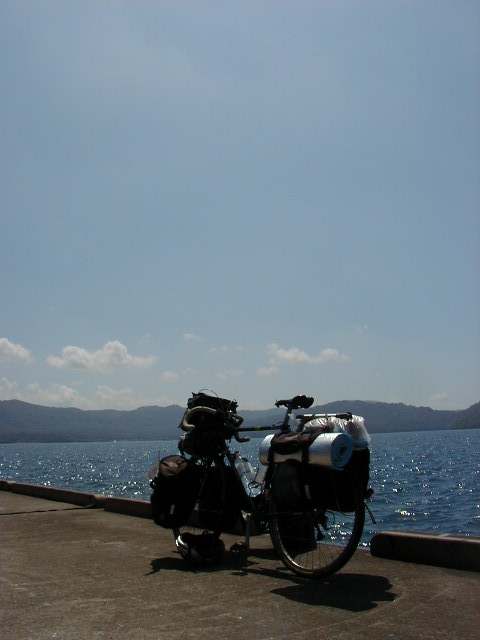
Tucked away on the remote border of Aomori and Akita prefectures, Lake Towada is one of Japan’s most breathtaking secrets — a vast, impossibly blue caldera lake ringed by ancient forests that most international visitors never discover. While Tokyo and Kyoto draw the masses, travelers who make the journey north to Towada are rewarded with mirror-still waters, world-class autumn foliage, and the legendary Oirase Stream, one of the most beautiful forest walks in all of Asia. If you’re looking for the Japan that exists beyond the guidebook clichés, Lake Towada is where you’ll find it.
Why Lake Towada Should Be on Every Japan Itinerary
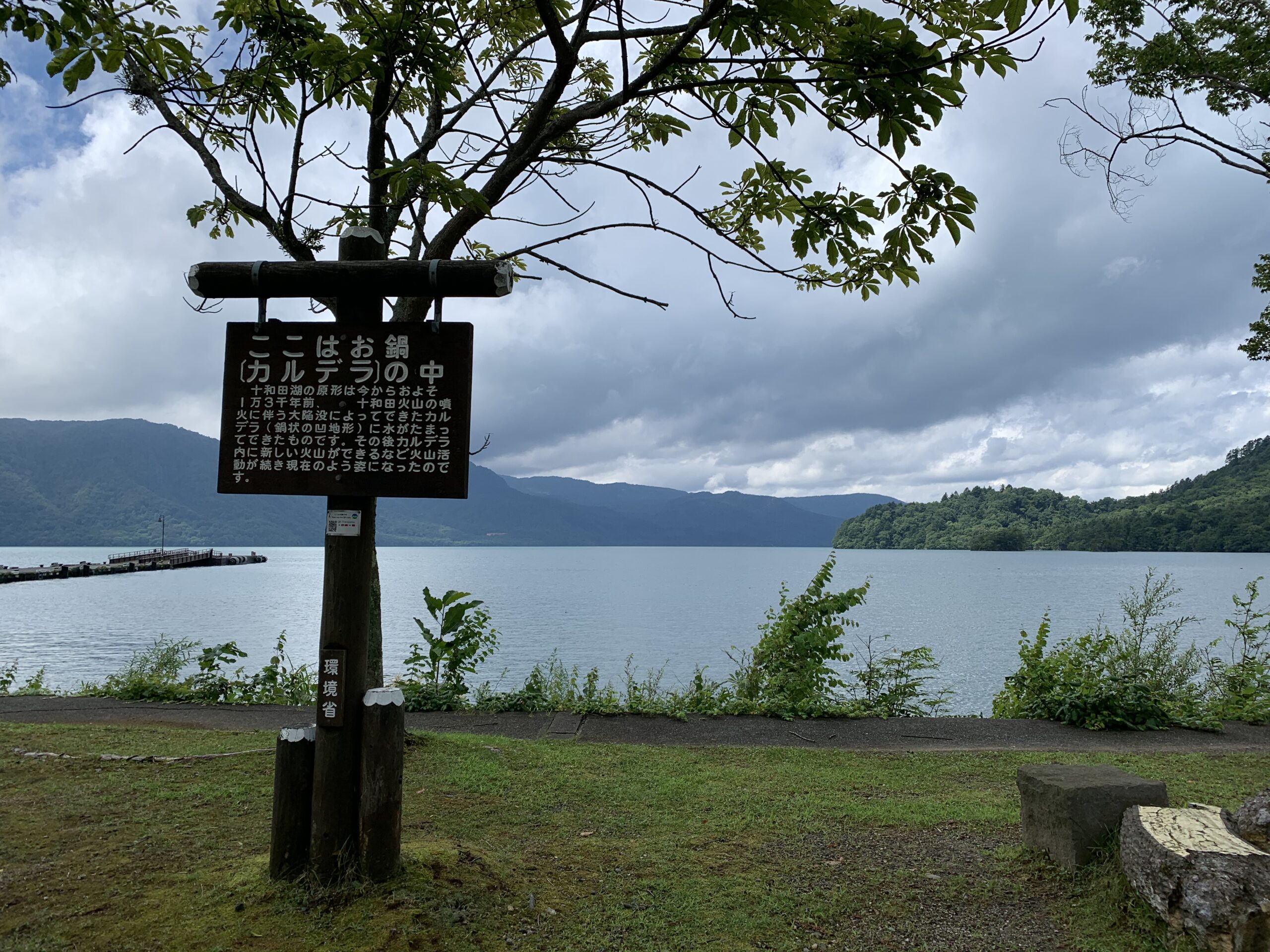
Lake Towada is Japan’s third-largest caldera lake and its second deepest, plunging to a remarkable 327 meters (1,072 feet) in places. Formed by successive volcanic eruptions over tens of thousands of years, the lake sits at an elevation of 400 meters (1,312 feet) above sea level, giving it a cool, crisp atmosphere even in summer. The water is so clear and mineral-rich that it takes on an otherworldly shade of deep blue-green — particularly magical on calm mornings when the surface becomes a perfect mirror reflecting the surrounding forests.
What truly sets Towada apart from Japan’s other famous lakes — Lake Kawaguchi near Fuji, or Shikotsu in Hokkaido — is the combination of natural drama and tranquility. The lake itself spans 46 kilometers (29 miles) in circumference, yet the main tourist hub of Yasumiya retains the feel of a small, unhurried resort town. There are no skyscrapers, no neon lights, no crowds pushing you toward the next photo spot. Instead, you’ll find pine-scented air, the sound of water lapping at volcanic rock, and a pace of life that feels like the rest of the world has agreed to slow down just for you.
Lake Towada is also the gateway to the Oirase Stream, a 14-kilometer (8.7-mile) forest trail that follows a rushing mountain river from the lake’s outlet all the way to Yakeyama. This is the kind of walk that makes grown adults stop mid-stride and simply stare — the combination of mossy boulders, cascading waterfalls, and cathedral-like cedar forest is almost unrealistically beautiful. Think Pacific Northwest rainforest meets Japanese garden, and you’re getting close. It’s the kind of place that makes you feel like you’ve accidentally walked into a Studio Ghibli film.

Getting There from Tokyo
Lake Towada takes a bit of effort to reach — which is exactly why it remains gloriously uncrowded compared to Japan’s more accessible destinations. But the journey is straightforward, and the payoff is enormous.
- Shinkansen + Bus (most popular route): Take the Tohoku Shinkansen from Tokyo Station to Shin-Aomori (about 3 hours, approximately ¥17,000–¥19,000 / $115–$130 one-way without JR Pass). From Shin-Aomori, JR buses operate directly to Towada-ko (Yasumiya), taking about 2 hours 30 minutes and costing approximately ¥2,600 / $17. This route is fully covered by the JR Pass, making it exceptional value for rail pass holders.
- Via Hachinohe (alternative): Take the Shinkansen to Hachinohe Station, then connect to a bus to Towada-ko (about 1 hour 45 minutes, ¥2,100 / $14). This can be slightly faster depending on Shinkansen timing.
- From Morioka: Buses run from Morioka Bus Terminal to Towada-ko in approximately 2 hours (¥2,200 / $15). A great option if you’re combining Towada with an Iwate prefecture visit.
- Rental car (highly recommended for Oirase): If you plan to explore the Oirase Stream at your own pace or visit in winter, renting a car is the best option. The drive from Shin-Aomori takes about 1.5 hours along scenic mountain roads. Rental rates start around ¥5,000–¥8,000 / $34–$55 per day from major agencies at Aomori Station.
The JR Pass covers both the Shinkansen leg and the JR bus to Towada-ko, making this one of the most JR Pass-friendly excursions in Tohoku. If you have a JR Tohoku-South Hokkaido Rail Pass or the standard national JR Pass, you’re covered for all legs of this journey.
Note: Bus services to Towada-ko are seasonal, with more frequent services from late April through November. Winter schedules are reduced significantly, and the Oirase Stream road can close in heavy snowfall. Always check the current schedule at the JR East website before your trip.
The Lake Towada Sightseeing Cruise
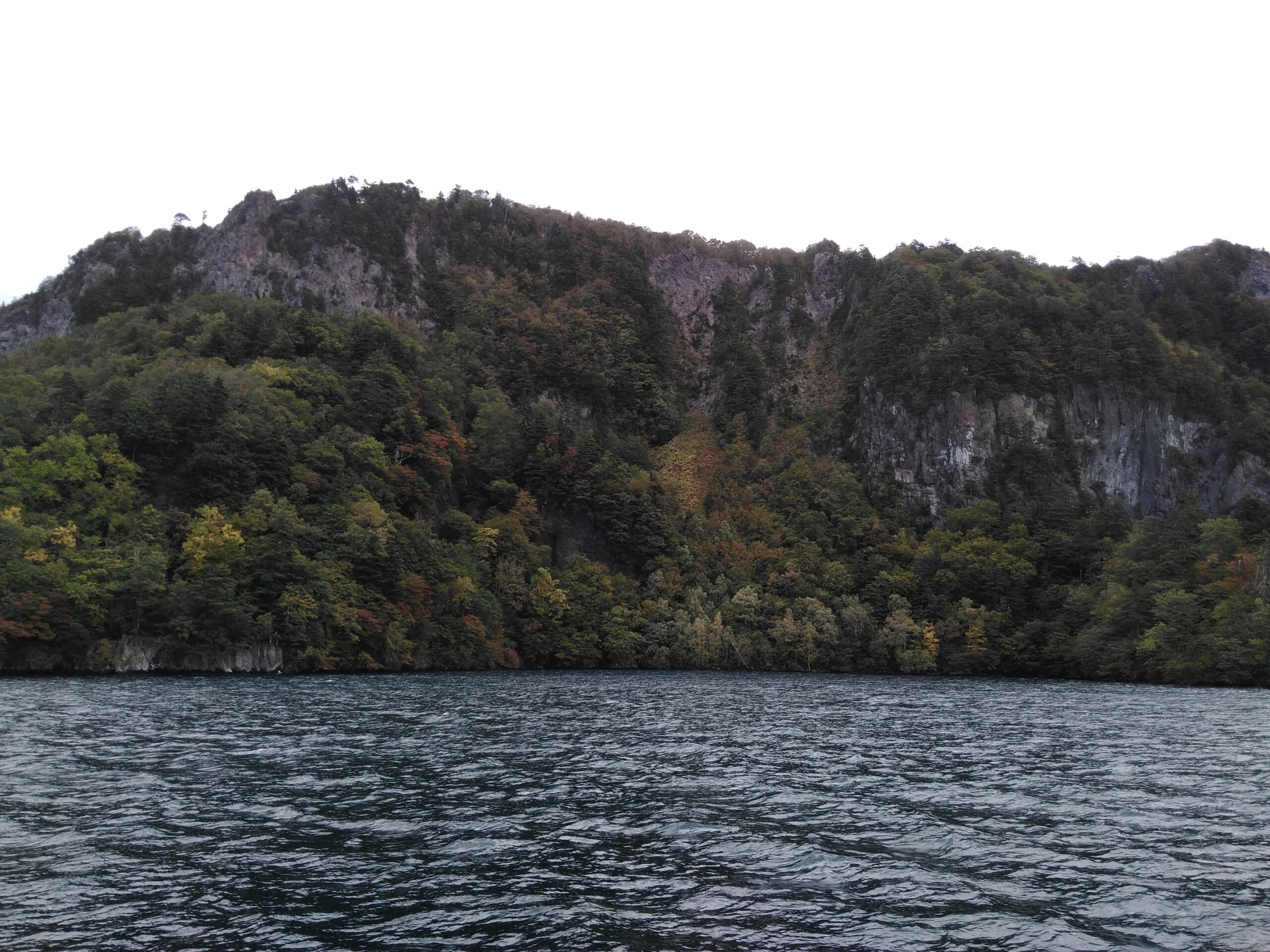
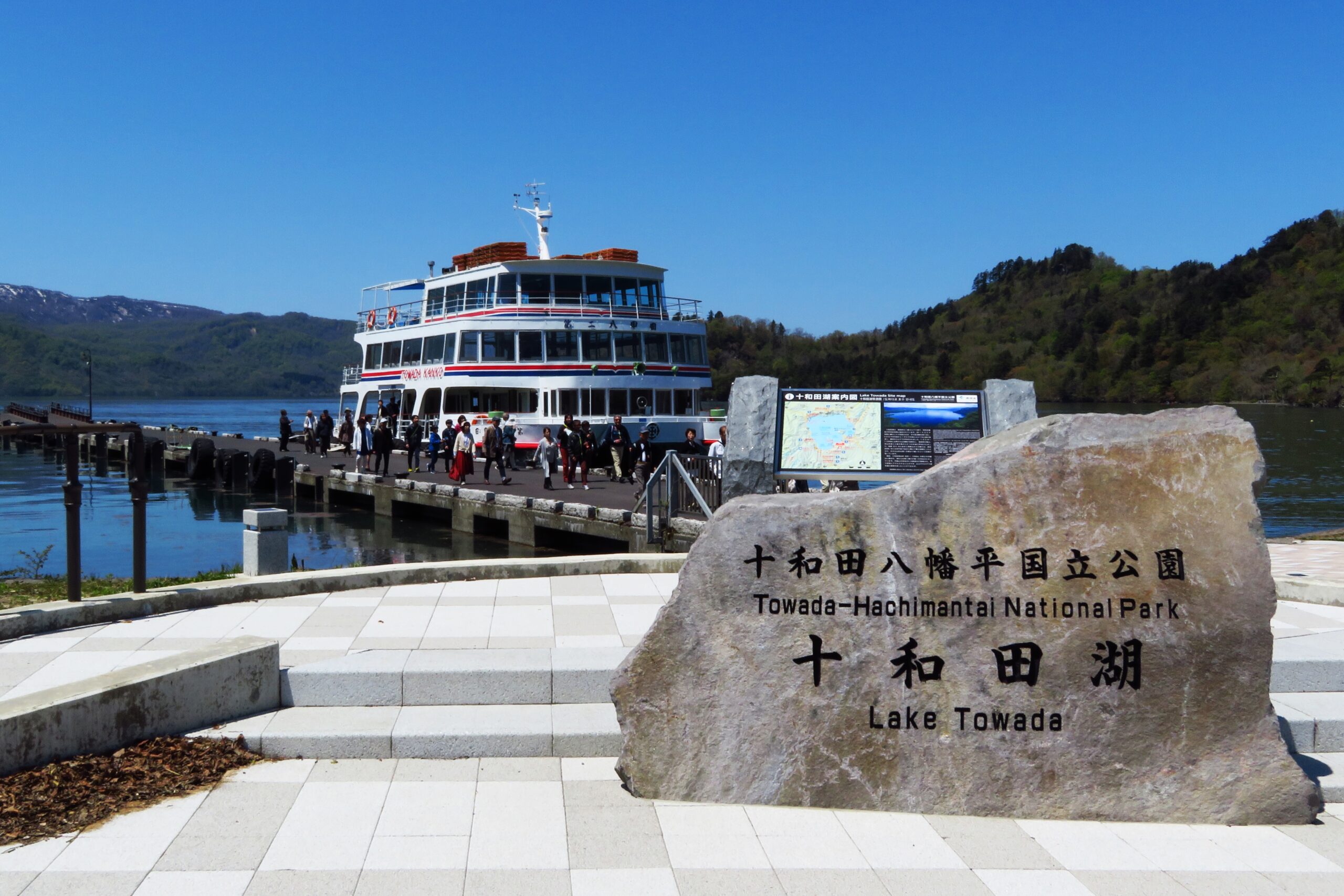
One of the most memorable ways to experience Lake Towada is from the water itself, aboard one of the regular sightseeing boats that cross the lake between Yasumiya and Nenokuchi. The 50-minute cruise covers about 6 kilometers (3.7 miles) of open water, and the perspective from the middle of this vast caldera lake is genuinely awe-inspiring — the forested mountains rise dramatically from every shore, and on clear days the reflections in the water are so perfect they look like a painting.
The boats depart from Yasumiya pier from late April through early November, with the schedule varying by season. During peak summer (July–August), boats run roughly every hour between 8:30 am and 3:30 pm. The adult fare is ¥1,400 / $9.50 one-way, or ¥2,500 / $17 return. Most visitors take the boat one-way from Yasumiya to Nenokuchi, then walk back along the Oirase Stream to the lake — a perfectly structured full-day itinerary that many consider the definitive Towada experience.
Don’t miss the boat’s narrated commentary (in Japanese, but the scenery needs no translation), and keep your eyes peeled for Japanese black-tailed gulls that often escort the boats across the water. The best seats are on the outdoor upper deck on a clear day, or inside with large windows during cooler weather. Arrive 15–20 minutes early to secure a spot on the upper deck — it fills quickly with Japanese tour groups.
Autumn (mid-October to early November) is when the boat cruise reaches peak drama. The surrounding hills explode in red, gold, and orange, creating a ring of fire around the deep blue lake that is simply one of the most beautiful natural sights in Japan. If you can time your visit for this window, particularly on a still morning, you will understand why Japanese artists and poets have been making pilgrimages to Towada for centuries.
Hiking the Oirase Stream: Japan’s Most Beautiful Forest Walk
The Oirase Stream (奥入瀬渓流, Oirase Keiryū) is Lake Towada’s greatest treasure — a 14-kilometer (8.7-mile) hiking trail that follows the crystal-clear Oirase River through one of Japan’s most pristine old-growth forests. The trail begins at Nenokuchi, where the Oirase River exits the lake, and winds all the way to Yakeyama, passing through a tunnel of ancient Japanese cedar, maple, and beech trees, alongside a succession of photogenic waterfalls and rushing rapids.
The most celebrated section of the trail runs from Nenokuchi to Chōshi-Otaki Waterfall (approximately 9 kilometers / 5.5 miles), and this stretch is where you’ll find the most dramatic scenery — mossy rock formations draped in ferns, the river tumbling over basalt boulders worn smooth over millennia, and shafts of light filtering through the forest canopy. The path is wide, well-maintained, and mostly flat, making it accessible for most fitness levels. Budget about 3–4 hours to walk this section at a comfortable, photography-friendly pace.
The most famous individual spots along the Oirase Stream include Kumoi Falls (雲井の滝), a tall, thin cascade that falls like a silver thread through the forest; Chōshi-Otaki Waterfall (銚子大滝), the most powerful waterfall on the stream, where the full force of the river plunges over a wide basalt ledge; and the appropriately named “Screen Falls” (阿修羅の流れ, Ashura no Nagare), a wide, turbulent section of rapids that resembles a liquid mosaic of white water and green moss. Each bend in the trail reveals something new and beautiful — pack your camera, charge your phone, and prepare to stop every five minutes.
A helpful tip: walk the trail from Nenokuchi toward Yakeyama (following the river’s flow direction), then take the JR bus back from Yakeyama or Chōshi-Otaki bus stop to Yasumiya. The bus service runs throughout the main tourist season and costs approximately ¥700–¥1,200 / $5–$8 depending on your stop. The trail is accessible year-round, but winter hiking requires proper footwear — the path becomes icy and treacherous from December through March. In winter, the frozen waterfalls and snow-covered forest create an entirely different kind of magic, and the Oirase Stream Ice Fall (奥入瀬渓流氷瀑) phenomenon from January to February draws ice-art enthusiasts from across Japan.
The Maiden of Two Persons (Otome no Zo) Statue
No visit to Lake Towada is complete without stopping at the Otome no Zo (乙女の像, “Statue of Two Girls”), one of Japan’s most beloved and photographed outdoor sculptures. Created by renowned Japanese sculptor Kotaro Takamura (高村光太郎) and completed in 1953, the bronze statue depicts two women — believed to represent Takamura’s late wife Chieko — standing face-to-face with arms outstretched, as if communing with the lake and sky around them. The statue stands at the lakeside in Yasumiya, framed by lakewater on one side and forest on the other, and the interplay of the figures’ silhouettes against the water makes for one of the most striking photographic compositions in all of Tohoku.
Takamura spent years working on this statue as a tribute to Chieko, who had a deep spiritual connection to nature and whose story — as told in his poetry collection “Chieko-sho” (智恵子抄) — has touched the hearts of generations of Japanese readers. The statue carries a weight of emotion that is palpable even if you come to it without knowing the backstory. Spend a few quiet minutes here at sunrise or just before dusk, when the golden light catches the bronze and the lake is at its most still, and you’ll find this small clearing becomes one of the most moving spots in Japan.
The statue is a 10-minute walk from the main bus stop in Yasumiya, following the lakeside path. It’s free to visit and open at all hours. In autumn, the maple trees surrounding the statue turn brilliant red and gold, creating a naturally beautiful frame for photographs. Visit early in the morning (before 9 am) to have the spot nearly to yourself — by mid-morning, tour buses have usually arrived and the area gets busy.
Towada City Art Trail: Where Contemporary Art Meets Nature
About 30 kilometers (18.5 miles) northeast of the lake, Towada City is home to one of Tohoku’s most surprising cultural attractions: the Arts Towada project, which has transformed the city’s main avenue, Kan-cho-dori, into an open-air museum of permanent art installations. Created as part of a revitalization initiative in 2008, the project features over a dozen large-scale works by internationally renowned artists, including a beloved giant pumpkin sculpture by Yayoi Kusama and a row of silver women’s legs erupting from the pavement by American artist Ron Mueck.
The Towada Art Center (十和田市現代美術館) anchors the Arts Towada experience — a remarkable contemporary art museum designed by architect Nishizawa Ryue (co-founder of SANAA, architects of New York’s New Museum). The building’s interconnected white cubes house rotating and permanent exhibitions from leading contemporary artists, with a focus on works that interact with the surrounding environment. Admission is ¥1,800 / $12 for adults. If you’re spending two or more nights in the area, combining the lake with a few hours in Towada City gives the trip a more rounded cultural dimension.
Best Time to Visit Lake Towada
- Spring (late April–May): The lake emerges from winter’s grip and the forests turn fresh green. Cherry blossoms bloom along the Oirase Stream trail around late April to early May. Crowds are manageable and the weather is cool and clear — excellent for hiking. Average temperatures: 8–16°C (46–61°F).
- Summer (June–August): The most popular season for Japanese families. The forest is lush and intensely green, waterfalls are at full flow from snowmelt, and the lake is perfect for cruising. Expect some humidity and occasional rain. Average temperatures: 18–25°C (64–77°F). July and August see the most visitors, so book accommodation well in advance.
- Autumn (mid-October–early November): This is Towada’s absolute peak season, and for very good reason. The surrounding forests — a mix of maple, beech, Japanese oak, and cedar — put on one of Japan’s most spectacular autumn foliage displays. The combination of fall color and the deep blue lake is extraordinary. Expect crowds (especially weekend tour buses), significantly higher accommodation prices, and parking gridlock. But for sheer visual impact, nothing beats Towada in autumn. Colors typically peak around October 20–November 5.
- Winter (December–March): The coldest and quietest season, with snowfall transforming the lake and forest into a hushed monochrome world. The Oirase Stream Ice Fall phenomenon (January–February) is a major draw for Japanese visitors, and the lake looks spectacular under snow. Very few foreign tourists visit in winter, making it an exceptional choice for those seeking complete solitude. Average temperatures: -6–3°C (21–37°F). Dress very warmly, check road conditions before driving, and be aware that some facilities close or reduce hours significantly.
Where to Eat: Lake Towada Food Guide
The culinary scene around Lake Towada is defined by the remarkable freshness of its local ingredients — particularly the hime-masu (姫鱒, landlocked salmon), a relative of the Pacific salmon that has been landlocked in Towada for centuries and developed into its own distinct subspecies. With a more delicate flavor and firmer texture than ocean salmon, hime-masu is considered a Towada delicacy and appears in almost every restaurant around the lake in various forms — sashimi, salt-grilled, smoked, and in miso soup.
Hime-masu (姫鱒) — The Must-Try Towada Delicacy
Almost every restaurant in the Yasumiya area serves hime-masu in one form or another, but for the most authentic experience, look for places that prepare it salt-grilled (shioyaki) and serve it alongside rice, pickles, and miso soup. The flesh is a pale pink, the flavor is clean and slightly sweet, and the texture is firmer than ocean salmon. Expect to pay ¥1,500–¥3,000 / $10–$20 for a hime-masu set meal. Several lakeside restaurants also offer hime-masu smoked and vacuum-packed as a souvenir — an ideal gift that you can actually eat on the train home.
Restaurant Manami (レストランまなみ)
One of the most popular spots in Yasumiya for a lakeside lunch, Manami serves classic Japanese set meals with hime-masu as the centerpiece, alongside locally sourced vegetables and hand-crafted tofu. The restaurant’s terrace overlooks the lake, making it particularly scenic during good weather. Set meals start at ¥1,800 / $12. Open daily during the main tourist season (late April–November), 11 am–4 pm. Located a short walk from the main bus terminal in Yasumiya.
Café Sora-umi (カフェ そらうみ)
For lighter fare and excellent coffee, Café Sora-umi (“Sky-Sea Café”) is a charming spot near the lakeside with a menu of handmade sweets, light sandwiches, and seasonal desserts featuring local fruit. Their azuki bean pancakes and locally roasted coffee are worth the stop, and the interior is warm and artfully decorated with local crafts. A perfect spot for a mid-morning or afternoon break after the Oirase hike. Drinks and light meals from ¥700–¥1,200 / $5–$8.
Towada Hotel Restaurant (十和田ホテルレストラン)
If you’re after a more formal dining experience, the historic Towada Hotel serves multi-course meals combining local ingredients with Western and Japanese cooking traditions. The hotel itself is a beautiful 1938 log cabin-style building designed by architect Kotaro Sakakura, and dining here is as much about the atmosphere as the food. Evening set dinners start at approximately ¥4,500–¥6,000 / $30–$40 per person. Reservations recommended, especially in autumn.
Where to Stay
Budget (Under ¥8,000 / $55 per night)
Towada Youth Hostel: The most budget-friendly option near the lake, this basic but clean hostel is popular with hikers tackling the Oirase trail. Dormitory beds from ¥3,500 / $24, private rooms from ¥6,000 / $40. Located about 2 km from Yasumiya, with basic self-catering facilities. Book early for autumn peak season. The friendly staff can help arrange local activities and transport.
Mid-Range (¥8,000–¥20,000 / $55–$135)
Towada-ko Lakeside Hotel (十和田湖レイクサイドホテル): A comfortable mid-range hotel with lake-view rooms that offer genuine value for money. Japanese-style rooms are available alongside Western rooms, and the hotel serves breakfast and dinner featuring local ingredients including hime-masu. Rates from ¥12,000–¥18,000 / $80–$120 per person including two meals (MAP plan), which is the most common way to book ryokan-style accommodation in Japan. Located in the Yasumiya area with easy access to the main bus stop and lakeside walking paths.
Pension Kaze-no-Tani (ペンション風の谷): A small, family-run guesthouse with a warm, personal atmosphere. The owners speak a little English and are genuinely passionate about helping guests explore the area. Home-cooked breakfasts feature local produce, and the mountain-view rooms are cozy and well-maintained. Rates from ¥8,500–¥14,000 / $57–$95 per person, including breakfast.
Luxury (¥20,000+ / $135+)
Towada Hotel (十和田ホテル): The definitive luxury choice near Lake Towada, this historic log-cabin-style hotel was built in 1938 as a government rest house and has been lovingly maintained as a heritage property. Set amid ancient cedar forest just steps from the lake, the hotel offers Western and Japanese rooms, an elegant restaurant serving locally-sourced cuisine, and an atmosphere of dignified, old-world Japanese hospitality that is increasingly rare. Rates from ¥20,000–¥40,000+ / $135–$270 per person including breakfast and dinner. Booking well in advance — especially for autumn — is essential.
Practical Tips for Visiting Lake Towada
- Book autumn accommodation early. Accommodation in the Yasumiya area gets booked out months in advance for October–November weekends. If autumn is your target season, plan and book at least 3–4 months ahead.
- Wear layers. Even in summer, mornings and evenings at the lake can be quite cool (10–15°C / 50–59°F). A light jacket or fleece is essential year-round, and in autumn and winter you’ll want proper warm clothing.
- Download offline maps. Mobile signal can be weak or absent in parts of the Oirase Stream trail. Download the area on Google Maps or Maps.me before setting out.
- Start hiking early. The Oirase Stream is far more magical in the early morning light, before the tour bus crowds arrive. Aim to be at Nenokuchi by 8 am for the best experience.
- Bring cash. Many smaller restaurants, guesthouses, and souvenir shops in the Yasumiya area operate on a cash-only basis. The nearest ATMs are in Towada City (about 30 minutes by bus).
- Check bus schedules before you go. Seasonal bus services can change year to year. Always check the current JR East bus schedule online or at your hotel reception before planning your day.
- Rent a bicycle for the Oirase. During the main tourist season, bicycles can be rented near the Oirase Stream trailhead — a much faster option if you want to cover more ground without hiking the full distance. Rates are approximately ¥1,000–¥1,500 / $7–$10 per hour.
- Don’t skip the Towada Art Center. If you have an extra day, the drive or bus ride to Towada City for the art installations and museum is genuinely worthwhile, especially for anyone interested in contemporary art and design.
- Respect the ecosystem. Lake Towada is part of Towada-Hachimantai National Park. Stay on marked trails, do not pick plants or disturb wildlife, and carry out all rubbish. The extraordinary preservation of this ecosystem depends on every visitor doing their part.
- Consider combining with nearby destinations. Lake Towada pairs beautifully with Aomori City (particularly for the Nebuta Festival in August), the Oirase Stream, and the Hakkoda Mountains. Akita’s hot spring villages are also within reach for a multi-day itinerary.
Sample 2-Day Lake Towada Itinerary
Day 1: The Lake & Yasumiya
Morning (8:00–10:00): Arrive at Yasumiya by JR bus from Shin-Aomori or Hachinohe. Drop your bags at your accommodation and head straight to the Otome no Zo statue for early morning light photography. The lake is at its most still and beautiful in the hour after sunrise.
Mid-Morning (10:00–12:00): Board the sightseeing boat at Yasumiya pier and cruise to Nenokuchi. The 50-minute crossing gives you the best panoramic views of the caldera and surrounding forest.
Afternoon (12:00–16:00): Begin hiking the Oirase Stream from Nenokuchi toward Yasumiya. Take your time — this 9–14 km trail is the highlight of any Towada visit. Stop at every waterfall, sit on mossy boulders, and let the forest work its magic. Grab lunch at one of the simple refreshment stands along the trail (open May–November), or bring a packed lunch from your hotel.
Evening (17:00 onward): Return to Yasumiya and enjoy a hime-masu dinner at your hotel or one of the lakeside restaurants. Watch the sunset over the lake from the lakeside path before retiring for the evening.
Day 2: Deeper Into the Forest & Departure
Morning (7:00–9:00): Take an early morning lakeside walk before breakfast — the mist rising from the water in the morning light is extraordinary and worth setting an alarm for. If you’re staying at the Towada Hotel, the surrounding cedar forest is perfect for a contemplative pre-breakfast stroll.
Mid-Morning to Noon (9:00–12:00): Head to Towada City by bus or rental car to explore the Arts Towada installations and the Towada Art Center. Allow at least 2–3 hours here.
Afternoon (13:00 onward): Enjoy a final lunch in Towada City — try some of the excellent local Aomori apples and apple juice at a café near the art center — before heading to the bus stop or station for your onward journey to Aomori, Morioka, or back to Tokyo.
Related Articles You Might Enjoy
- Towada Art Center & Towada City: Where Contemporary Art Meets Rural Japan
- Tanesashi Coast & Kabushima Island, Aomori: Japan’s Most Dramatic Coastal Walk & Seabird Sanctuary
- Hirosaki City Guide: Apple Capital, Neputa Festival & Aomori’s Most Historic Castle Town
- Tohoku Cherry Blossom Season: The Complete Guide to Japan’s Most Spectacular Spring Blooms
- Resort Shirakami Scenic Train Guide: Japan’s Most Beautiful Railway Journey Through Aomori
Final Thoughts
Lake Towada is the kind of place that changes you a little. There’s something about standing at the edge of this ancient caldera, watching the light change on water that has been here for thousands of years, that gives perspective. In an age of Instagram hotspots and overtourism, Towada remains genuinely wild and genuinely beautiful in a way that feels almost miraculous. Whether you come for the Oirase Stream’s photogenic waterfalls, the autumn foliage that burns like wildfire across the hills, or simply the rare luxury of standing somewhere extraordinary without a crowd pressing in from all sides — Lake Towada will deliver, and then some. Make the journey. You won’t regret it.
Got questions about planning your Tohoku trip, or spotted something we missed? We’d love to hear from you — drop us a message here.


コメント