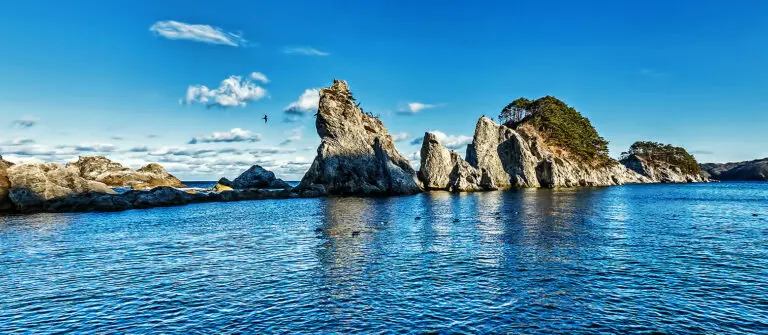
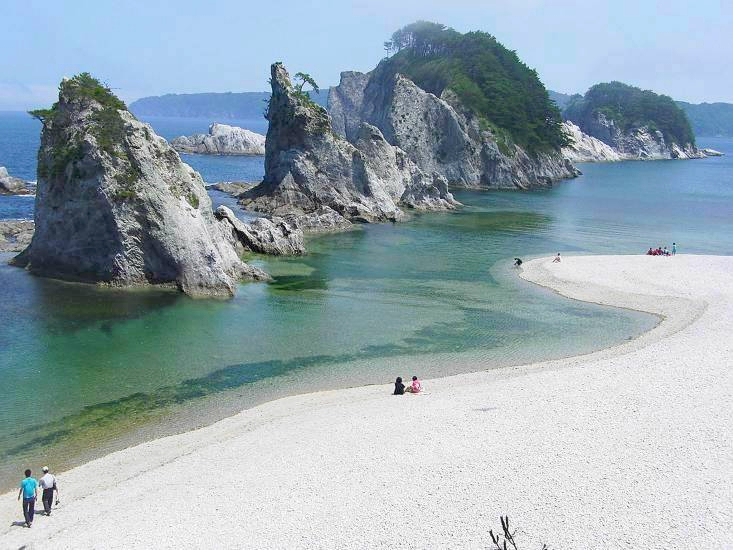
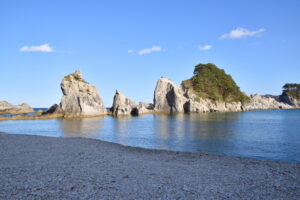
Imagine a beach so strikingly beautiful that Buddhist monks, upon first seeing it in the 17th century, declared it must be what paradise looks like — and named it accordingly. That beach is Jodogahama (浄土ヶ浜), and it sits on the rugged Sanriku coast of Iwate Prefecture, waiting to take your breath away. With its otherworldly white rhyolite rock formations rising from crystal-clear turquoise water, framed by ancient pine trees, Jodogahama isn’t just one of Tohoku’s great natural wonders — it’s one of the most visually stunning places in all of Japan.
Why Jodogahama Should Be on Every Japan Itinerary
Most foreign visitors to Japan follow a well-worn trail: Tokyo, Kyoto, Osaka, and maybe a side trip to Hiroshima or Nara. But Japan’s coastline holds some of the country’s most spectacular scenery, and Jodogahama is proof that going off the tourist trail pays dividends most travelers never imagine.
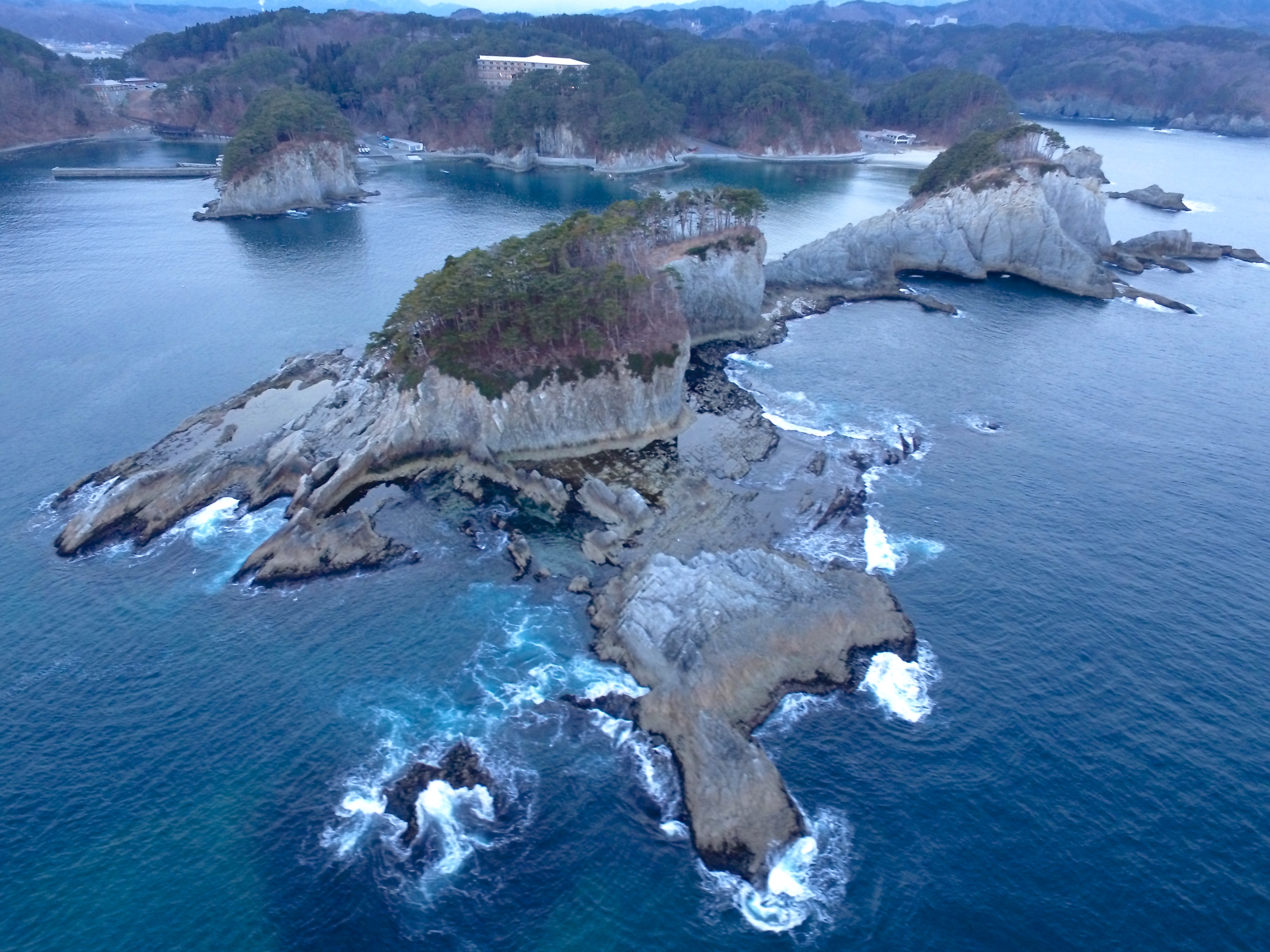
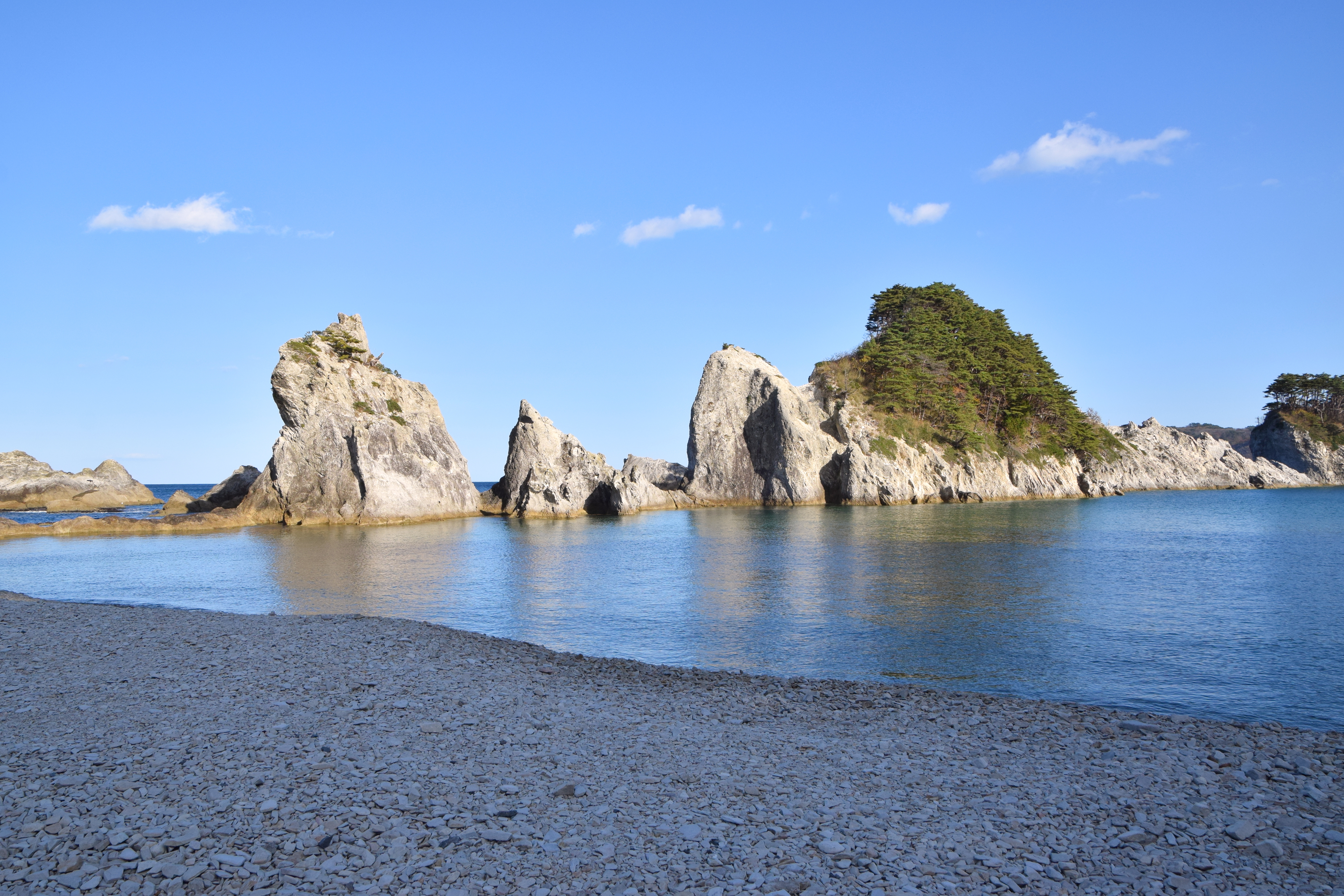
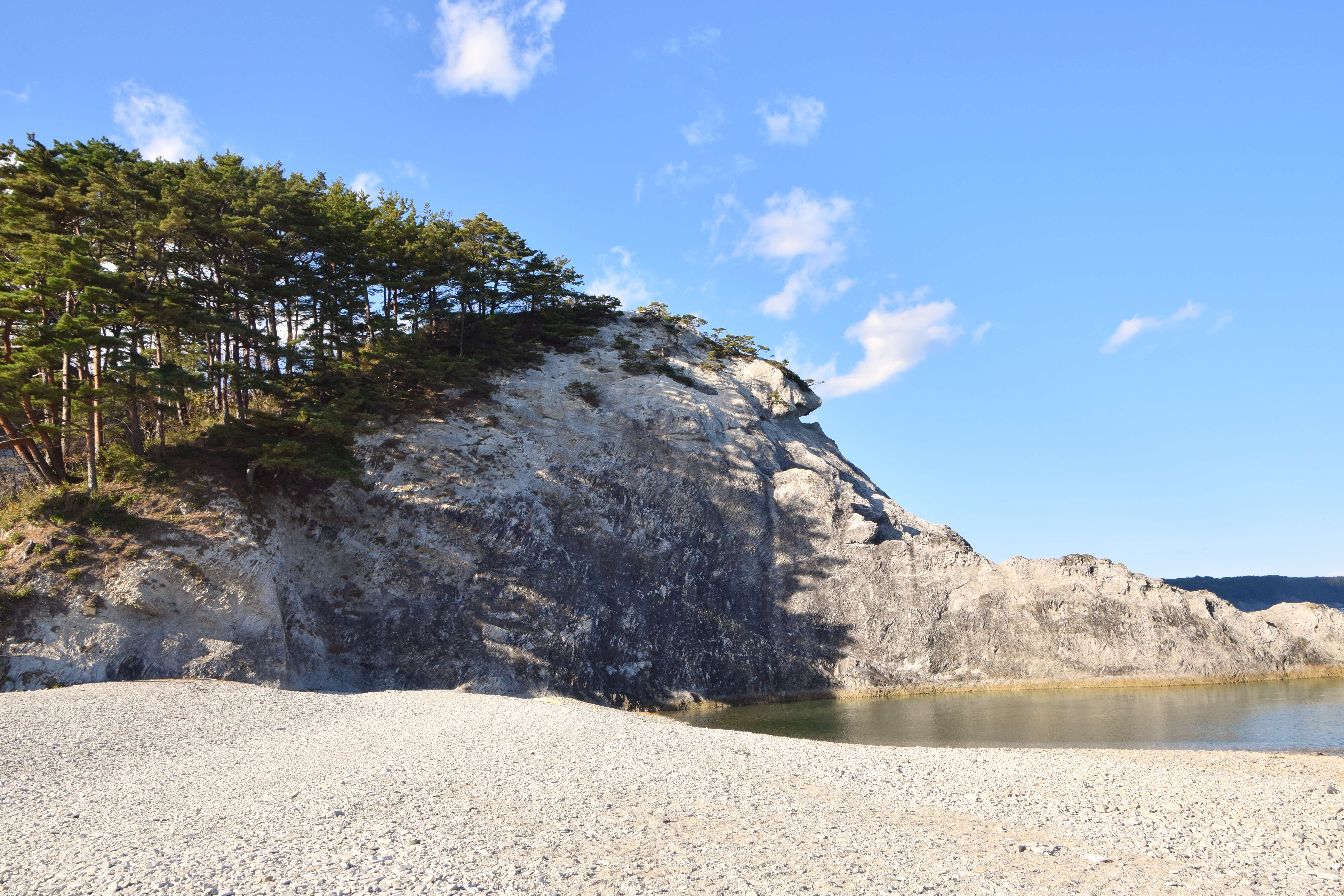
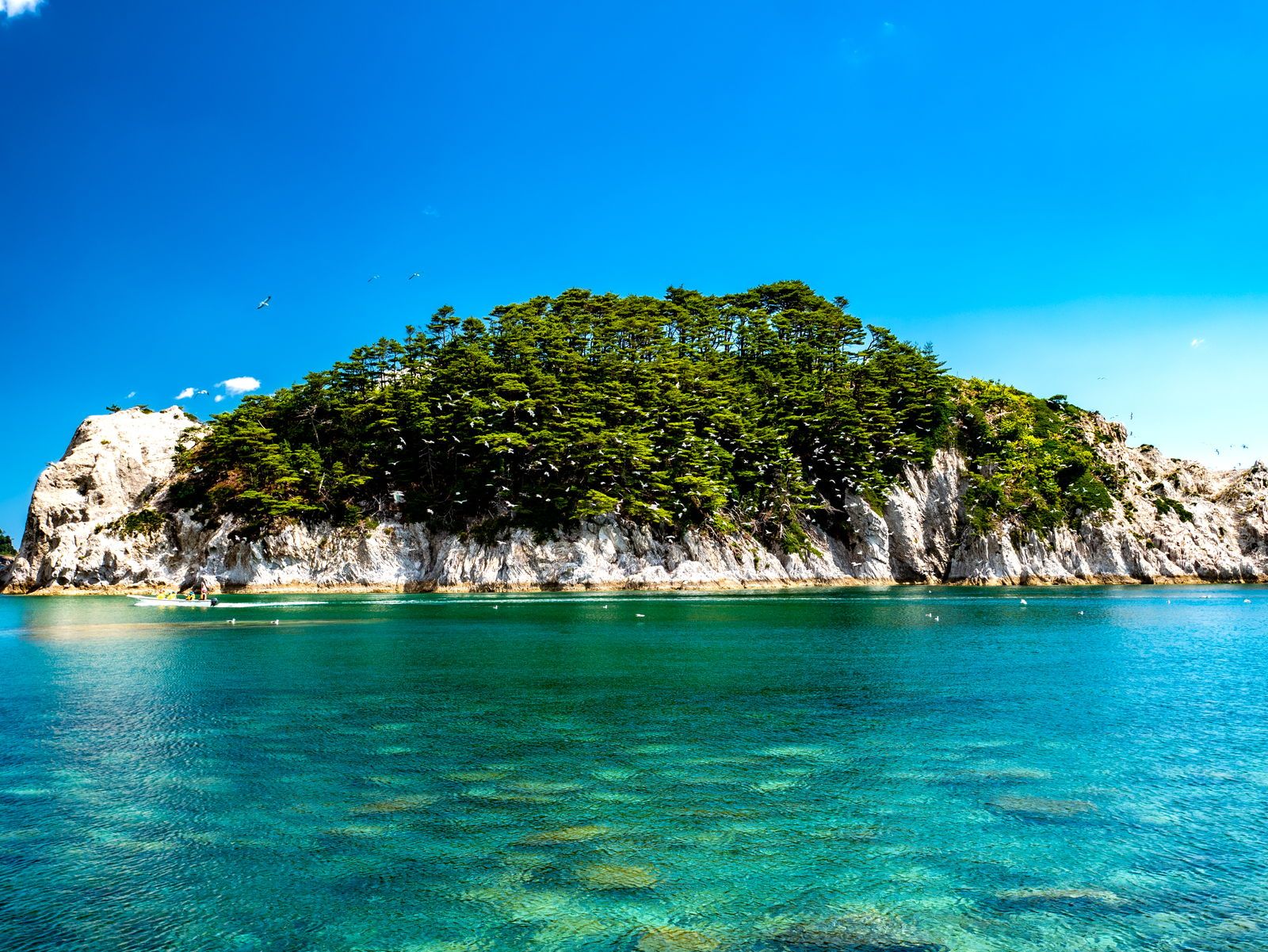
What makes Jodogahama so extraordinary is its geology. Around 52 million years ago, volcanic activity created a unique formation of white and grey rhyolite — a type of igneous rock — that covers the beach and rises in dramatic, jagged columns from the sea. The rock is so pale it almost glows in sunlight, creating a luminous contrast with the deep blue-green water and the dark green pines that cling to the clifftops above. There’s nothing quite like it anywhere else on Japan’s coastline.
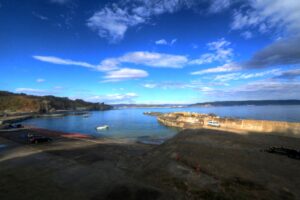
The water itself is remarkable. Protected by the rock formations and relatively shallow near the beach, it takes on an intense turquoise hue that you’d more likely expect in the Caribbean or the Maldives than in northeastern Japan. On calm summer days, the sea floor is clearly visible through the clear water, and the gentle lapping of waves on white pebbles gives the place an almost meditative quality. No wonder those 17th-century monks were moved to name it “Jodo” — the Pure Land, the Buddhist paradise.
But Jodogahama isn’t just a pretty beach. It’s the anchor of an entire coastal experience: boat tours weave through sea caves and around dramatic rock arches; hiking trails follow the clifftops for panoramic views; and the surrounding Sanriku Fukko National Park offers miles of unspoiled coastline to explore. For travelers who want natural beauty, cultural depth, and a genuine sense of discovery, Jodogahama delivers all three.
Getting There from Tokyo and Sendai
Jodogahama is located near Miyako City, Iwate Prefecture, on the Pacific coast of Tohoku. It’s not the quickest place to reach, but that’s part of the appeal — you’ll feel like you’ve genuinely discovered something.
From Tokyo
- Shinkansen + Limited Express: Take the Tohoku Shinkansen from Tokyo Station to Shin-Hanamaki (about 2 hours 30 minutes, ¥14,000–¥16,000 / approx. $95–$110 unreserved), then transfer to the JR Kamaishi Line to Hanamaki, and continue on the Sanriku Railway Rias Line to Miyako Station. Total journey: around 4–5 hours.
- Alternative Shinkansen Route: Take the Shinkansen to Morioka (2 hours 20 minutes, ¥15,000–$100+), then the Yamada Line to Miyako (2 hours). This is often the simpler option.
- Highway Bus: Direct overnight buses run from Tokyo’s Shinjuku Expressway Bus Terminal to Miyako. Journey time is approximately 9–10 hours. Budget option at around ¥5,000–¥8,000 / $35–$55 one way.
- JR Pass: The Shinkansen portions are covered by the JR Pass, but the Sanriku Railway sections are NOT — you’ll need to pay separately for those (around ¥1,200–¥2,500 / $8–$17).
From Sendai
- Sanriku Railway (Recommended): Take the Tohoku Shinkansen from Sendai to Shin-Hanamaki (40 minutes), then connect to the Sanriku Railway Rias Line through to Miyako. Total: approximately 3 hours 30 minutes.
- Highway Bus: Direct buses run from Sendai Station to Miyako in approximately 3–4 hours for around ¥2,000–¥3,500 / $14–$24.
From Miyako Station to Jodogahama
- City Bus: The Miyako City Bus (Jodogahama Line) runs directly from Miyako Station to Jodogahama in about 20 minutes. Buses run roughly every 30–60 minutes in summer. Fare: ¥360 / approximately $2.50.
- Taxi: A taxi from Miyako Station to Jodogahama takes about 10 minutes and costs around ¥1,200–¥1,500 / $8–$10.
- Rental Car: Renting a car in Morioka and driving down the coast via Route 45 is an excellent option that lets you explore the broader Sanriku coastline at your own pace. Morioka to Miyako is about 110 km (68 miles), approximately 1 hour 50 minutes by car.
The Beach Experience: Paradise in Person
When you step onto Jodogahama for the first time, prepare for a genuine “wow” moment. The beach itself is relatively compact — about 200 meters (650 feet) of white and pale grey pebbles framed by those extraordinary rock formations — but its impact far outstrips its size. The rocks around the beach’s edge rise in irregular columns, some rounded smooth by centuries of wave action, others jagged and dramatic where they meet the open sea. The whole effect is like walking into a landscape painting.
The main beach area has calm, protected water ideal for swimming in summer (July and August). The temperature reaches around 20–22°C (68–72°F) at peak season — refreshing rather than warm by tropical standards, but perfectly comfortable for swimming. Water clarity is exceptional: on a calm day, you can see clearly to a depth of several meters. Bring your snorkeling gear if you have it — the rock formations underwater host a surprising variety of sea life including small fish, sea urchins, and occasionally the odd octopus.
The beach has a well-maintained visitor center with toilets, lockers (¥200 / $1.50), a souvenir shop, and a café serving local seafood dishes. There’s a modest day-use fee of ¥200 / $1.50 per person during summer to access certain beach areas, with fees going toward maintenance. Parking is available for ¥500 / $3.50 per car (free November through March).
One tip that most visitors miss: arrive early. Jodogahama is popular with Japanese domestic tourists in peak summer, and the main beach can get crowded by mid-morning on weekends in July and August. If you arrive at 8 or 9 am, you’ll have the place largely to yourself and the morning light on those white rocks is nothing short of magical. The photography conditions in early morning and late afternoon are far superior to the harsh midday sun.
Boat Tours: Exploring the Sea Caves of Jodogahama
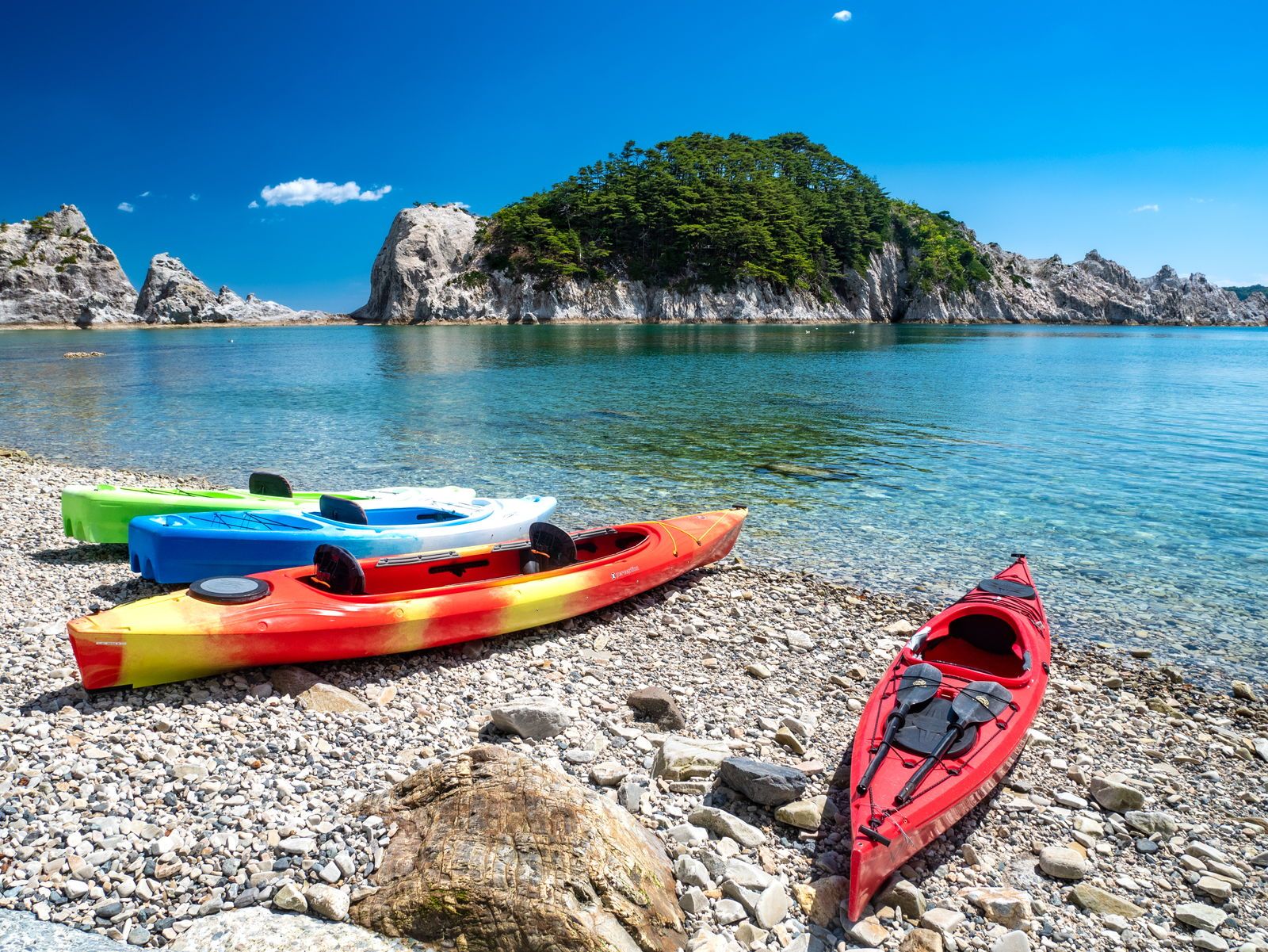
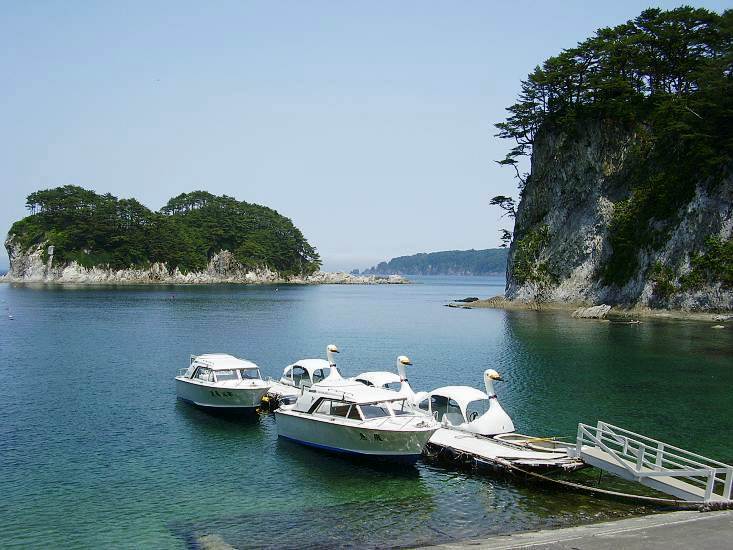
If the beach itself is Jodogahama’s main course, the boat tours are its sublime dessert. From the small pier adjacent to the visitor center, small motorboats make 30-minute tours through the labyrinthine sea caves, rock arches, and narrow channels that characterize this stretch of coastline. These tours are genuinely unmissable and offer a perspective on the landscape you simply cannot get from land.
The boats thread through narrow passages between rock walls, duck into caves where the ceiling drips and the blue-green light from the water below creates an otherworldly glow, and emerge into hidden coves where sea birds nest on sheltered ledges. Your guide will point out rock formations with evocative names: the “Eight Tatami Mat” cave (so named for its size), the “Rock Tunnel,” and a spot where, if you look up through a natural rock window, you see a perfect frame of blue sky above.
The tours operate from late April through October, weather permitting. Departures are roughly every 30 minutes from 8:00 am to 4:30 pm (last boat varies by season). Tickets cost ¥1,500 / approximately $10 for adults and ¥800 / $5.50 for children. You can purchase tickets at the visitor center; no advance booking is required for the standard tour. There’s also a longer 50-minute “extended discovery” tour available (¥2,000 / $13.50) that ventures further along the coast. Both tours are excellent value.
One seasonal highlight: in winter (January through March), the boat tours still run on calm days, and the white rocks dusted with snow create a spectacularly different atmosphere from the summer experience. Dress very warmly, but if conditions allow, a winter boat tour at Jodogahama is one of Tohoku’s great hidden experiences.
Hiking the Jodogahama Coastal Trails
The beauty of Jodogahama extends well beyond the main beach. The surrounding Sanriku Fukko (Reconstruction) National Park offers a network of well-marked hiking trails along the clifftops, connecting Jodogahama to neighboring beaches and viewpoints. These trails are suitable for most fitness levels and reward hikers with views that belong on the covers of travel magazines.
The Shiobama Trail (North Route)
This 2 km (1.2 mile) trail heads north from Jodogahama along the clifftops to Oshima Island — not actually an island anymore, but connected to the mainland by a bridge following the 2011 tsunami. The walk takes about 45 minutes one way and offers dramatic views back over Jodogahama from elevated angles that reveal the full scale of the rock formations. Along the way, you’ll pass through aromatic pine forest and several lookout points where the Pacific Ocean spreads out before you, seemingly without end. The trail is well-maintained with wooden boardwalks in places.
The South Coast Trail
Heading south from Jodogahama, a more challenging 5 km (3 mile) trail leads along the coast through alternating forest and clifftop sections to Shirohama Beach, a smaller and even quieter beach of white sand. Allow 2–3 hours for the full walk. The trail is less maintained than the north route and has some steep sections, but the rewards are great — you’ll encounter virtually no other hikers on weekdays, and the unspoiled coastline feels genuinely wild.
The Miyako Coastal Walk (Easy)
For a gentler option, a flat promenade runs 1.5 km (0.9 miles) from the Jodogahama parking area along the coast toward Miyako City. This path passes through an area of tidal rock pools at low tide, where you can spot sea anemones, small crabs, and colorful starfish. Interpretive signs in Japanese and English explain the local ecology. It’s an ideal walk for families with children.
The 2011 Tsunami: Understanding Miyako’s History
No visit to this part of Iwate is complete without acknowledging the devastating earthquake and tsunami of March 11, 2011, which struck the Sanriku coast with particular ferocity. Miyako City was one of the worst-affected areas — the tsunami reached inland and caused enormous destruction. At Jodogahama, the characteristic rock formations largely protected the inner beach, though the surrounding infrastructure was heavily damaged.
Today, visiting Jodogahama is in itself an act of solidarity with the region’s recovery. The Miyako area has rebuilt with remarkable resilience, and many of the facilities at the beach — the visitor center, the pier, the sea wall — are reconstruction-era improvements that are both modern and sensitive to the landscape. At the Jodogahama Visitor Center, there is a small exhibition about the area’s post-tsunami recovery, and it’s worth spending 20 minutes here to understand what this community has gone through and how it has rebuilt.
Throughout Miyako City, you’ll see evidence of the reconstruction: new sea walls, rebuilt fishing ports, reconstructed neighborhoods. But the human spirit is what’s most impressive — the people of Miyako are warm, welcoming, and genuinely glad to see international visitors come to their corner of Japan. Your tourism here contributes directly to the ongoing economic recovery of this beautiful region.
Best Time to Visit Jodogahama
- Spring (April–June): April and May bring mild temperatures (15–20°C / 59–68°F) and far fewer crowds. The cherry blossoms aren’t quite the main attraction here as at inland spots, but the fresh spring light on the white rocks is spectacular. Boat tours begin in late April. The sea is still too cold for swimming (about 10–15°C / 50–59°F). An excellent choice for photographers and hikers.
- Summer (July–August): Peak season brings warm weather (23–28°C / 73–82°F) and the best swimming conditions. Note that Miyako and the Sanriku coast sometimes experience yamase — a cool, damp sea fog that rolls in from the Pacific and can keep temperatures lower than you’d expect even in July and August. Don’t assume Japan’s summer heat applies here; bring a light layer. Crowds peak in mid-August around the Obon holiday period.
- Autumn (September–November): September is arguably the best month to visit. The summer crowds have departed, the weather is still warm enough for comfortable outdoor activities (18–23°C / 64–73°F), and the autumn light gives the white rocks a warm golden tone. The forest trails take on beautiful autumn colors in October and November. Boat tours typically run through late October.
- Winter (December–March): Cold (2–8°C / 36–46°F) and sometimes snowy, winter transforms Jodogahama into a dramatically different landscape. Snow on white rocks is a extraordinary photographic subject. Boat tours run on calm days only. The beach is eerily quiet and peaceful. For adventurous travelers who don’t mind the cold, this is a uniquely memorable time to visit.
Where to Eat: Miyako Seafood Guide
Miyako is a working fishing port, and the seafood is extraordinary. The Sanriku coast is world-renowned among Japanese food lovers for the quality and variety of its ocean harvest, and eating in Miyako is one of the great pleasures of the Jodogahama trip. Budget around ¥1,500–¥3,000 / $10–$20 per person for lunch, ¥3,000–¥6,000 / $20–$40 for dinner.
Jodogahama Beach Restaurant (浄土ヶ浜レストハウス)
Right at the beach, the visitor center restaurant is more impressive than its cafeteria-style appearance suggests. The kaisen-don (seafood rice bowl) is an absolute must — loaded with whatever’s fresh that day, which might include Sanriku sea urchin (uni), salmon roe (ikura), abalone, and crab. Prices range from ¥1,800–¥3,500 / $12–$24. The restaurant has views over the sea through large windows. Open daily during beach season; reduced hours in winter.
Uomasa (魚政)
A short taxi ride into Miyako City, Uomasa is a beloved local izakaya that serves exceptional fresh fish. The sashimi platter here — a parade of whatever the boats brought in that morning — is priced at around ¥2,000–¥3,000 / $14–$20 and is remarkable by any standard. The salt-grilled fish (shioyaki) is also outstanding, particularly the mackerel and sea bream. Open evenings only; closed Sundays. Located near Miyako Station at 1-7 Nakamachi.
Miyako Fish Market Morning Market (宮古魚市場の朝市)
If you’re an early riser, the morning market at Miyako Fishing Port operates from around 6:00–8:00 am on weekdays. Local fishermen and vendors sell the previous night’s catch; many stalls also serve simple cooked seafood for breakfast. The sea urchin here, eaten fresh with a simple splash of soy sauce, is the best you’ll ever taste — typically ¥500–¥800 / $3.50–$5.50 for a generous portion. Go as early as possible for the best selection.
Café Jodo (カフェ浄土)
For a lighter option, this small café near the beach serves excellent coffee, homemade cheesecake, and light lunch sets (pasta, sandwiches) using local ingredients. A nice spot to decompress after a morning of exploring. Open 10:00 am – 4:00 pm in summer; closed in winter.
Where to Stay in Miyako
Accommodation options in Miyako range from basic business hotels to traditional ryokan with ocean views. Most visitors find it convenient to stay in Miyako City and take the bus to Jodogahama during the day.
Budget (Under ¥8,000 / $55 per night)
Miyako Youth Hostel offers clean, simple dormitory and private rooms about 15 minutes from the beach by taxi. Popular with hikers and cyclists exploring the Sanriku coast. Includes a simple breakfast option. Around ¥3,500 / $24 per person in a dormitory. A good base for multi-day coastal exploration. Miyako Station Hotel is a standard business hotel right by the train station, convenient for early morning trains. Rooms start at around ¥6,000–¥7,500 / $41–$52 for a single.
Mid-Range (¥8,000–¥20,000 / $55–$135 per night)
Miyako Grand Hotel is the city’s most prominent hotel, offering Western and Japanese-style rooms, an in-house onsen bath, and a restaurant serving local seafood. Located in the center of Miyako City. Rooms start at around ¥10,000–¥15,000 / $70–$100 per person with two meals (MAP plan). Miyako Onsen Hotel is a smaller, more personal hotel with a proper hot spring bath and excellent seafood dinners. Rooms with two meals around ¥12,000–¥18,000 / $80–$125 per person.
Luxury (¥20,000+ / $135+ per night)
Ryokan Miyako-so is a traditional inn with tatami rooms, multi-course kaiseki dinners featuring the finest Sanriku seafood, and personalized service. Staying here is the full Japanese ryokan experience — yukata robes, matcha tea on arrival, an elaborate dinner served in your room. Prices start at around ¥25,000–¥35,000 / $170–$240 per person with two meals. Advance booking recommended, especially in summer.
Day Trips from Jodogahama
Miyako makes an excellent base for exploring the broader Sanriku coast. The entire coastline north and south of Jodogahama is part of the Sanriku Fukko National Park, and most of it is as beautiful as the main beach. Consider these day excursions:
Taroumangrove Beach
About 30 minutes north of Miyako by car or bus, Taro (田老) has one of the most dramatic sea walls built after the 2011 tsunami — 14.7 meters (48 feet) high and stretching for kilometers. A guided tour of the sea wall from the local fishermen’s cooperative offers a sobering and deeply moving account of life on this tsunami-prone coast. It’s one of the most intellectually memorable experiences you can have in Tohoku. Tours cost around ¥500 / $3.50.
Ryusendo Cave
Inland from Iwate’s coast, about 45 minutes from Miyako by car, Ryusendo Cave is one of Japan’s three great limestone caves and contains underground lakes of extraordinary clarity — the water is 99.8% pure, and the deepest lake is 98 meters (322 feet) deep. The blue of the underground lakes is almost supernatural. Entry ¥1,100 / $7.50 for adults.
Kitayamazaki Cliffs
About 60 km (37 miles) north of Miyako (1 hour by car, 1.5 hours by Sanriku Railway), the Kitayamazaki Cliffs are often called the “Dragon Cliffs” and are one of the most spectacular cliff formations in Japan: 200-meter (656-foot) sheer rock faces plunging directly into the Pacific, stretching for 8 km (5 miles). A glass-bottom boat operates at the base (¥1,200 / $8). An absolutely essential stop on any Sanriku coast road trip.
Practical Tips for Visiting Jodogahama
- Bring cash. Miyako is a small city and many restaurants, local buses, and smaller attractions are cash-only. While Miyako’s convenience stores have international ATMs, it’s smart to arrive with ¥10,000–¥20,000 ($70–$140) in cash.
- Wear appropriate footwear. The beach is pebble and rock — sandals are fine near the water, but closed-toe shoes or hiking sandals with good grip are recommended for the coastal trails and when scrambling on the rocks.
- Tide matters. At low tide, the rock pools near the beach become accessible and reveal fascinating tidal life. The larger beach areas also expand. Check the tide schedule at the visitor center before planning your day.
- Sun protection is essential. The white rocks reflect light intensely and UV radiation is high even on slightly overcast days. Sunscreen, a hat, and UV-protective clothing are not optional here in summer.
- Check the boat tour weather policy. Tours are cancelled in rough weather. Call ahead or check at the visitor center if the conditions look uncertain: +81-193-62-3821.
- English signage is limited but improving. The main visitor center has some English information, and the trails have basic English markers. Download an offline map before you arrive — Maps.me or Google Maps offline work well for navigating Miyako City.
- IC Cards (Suica/PASMO) work on local buses in Miyako — a convenient way to pay bus fares without exact change. The Sanriku Railway accepts IC cards at most stations too.
- Accessible tourism note: The main beach area and visitor center are reasonably accessible for wheelchair users, but the boat tours and hiking trails involve steps and uneven terrain. Call the visitor center in advance to discuss accessibility needs.
- Photography tip: Bring a polarizing filter if you shoot with an interchangeable-lens camera. It will dramatically enhance the blue-green of the water and help manage reflections from the white rocks. The polarizer effect here is outstanding.
- Mobile signal: Coverage is good at the beach and in Miyako City (au, docomo, SoftBank all have signal), but some of the more remote hiking trails may have gaps.
Sample 2-Day Jodogahama Itinerary
Day 1: Arriving and First Impressions
Morning: Arrive in Miyako by shinkansen + train, or by highway bus. Check into your hotel and drop your bags. Take the city bus to Jodogahama (20 minutes) and arrive by 10:30 am. Walk the main beach, scramble carefully on the lower rock formations, and soak in the scenery. Spend an hour simply looking — it takes time to fully absorb what you’re seeing.
Late Morning: Book a boat tour at the visitor center (they usually have space for the next departure). The 30-minute standard tour runs every 30 minutes; try to catch the one departing around 11:00 or 11:30 am when the light is good. The sea cave sections are best lit in late morning.
Afternoon: Eat lunch at the visitor center restaurant — get the kaisen-don. After lunch, walk the North Coast Trail (Shiobama route) for 2–3 hours, returning before 4:00 pm. The late-afternoon light on the rocks as you walk back to the beach is extraordinary.
Evening: Return to Miyako City by bus. Freshen up at your hotel, then head out for dinner at Uomasa izakaya (opening from 6:00 pm). Eat well — the sashimi plate is mandatory. Return to your hotel by 9 pm.
Day 2: Exploring Further
Early Morning: If you can manage it, get up early and visit the Miyako Fish Market morning market between 6:00 and 8:00 am. Eat breakfast among the fishermen and try the fresh sea urchin.
Morning: Return to Jodogahama (if weather allowed, possibly for sunrise) or head directly to today’s excursion. Take a taxi or rental car north to the Taro Sea Wall tour (about 30 minutes from Miyako). The guided tour runs in the morning and is deeply worthwhile.
Afternoon: Drive or take the Sanriku Railway south toward your next destination, or head to Ryusendo Cave (45 minutes by car inland) for a completely different natural experience. If you’re road-tripping, the coastal Route 45 south from Miyako toward Kamaishi and Kesen’numa is one of the most scenic drives in all of Japan.
Late Afternoon/Evening: Depart from Miyako by train or bus toward your next destination (Morioka, Sendai, or Tokyo).
Final Thoughts: Why Jodogahama Deserves Your Time
In a country that does extraordinary natural landscapes as a matter of course, Jodogahama still manages to feel special. The combination of otherworldly rock formations, crystalline water, the resonant history of the 2011 tsunami recovery, and the warm hospitality of the Miyako fishing community adds up to something genuinely unforgettable. This isn’t a “tick it off the list” destination — it’s the kind of place that stays with you long after you’ve left, where you find yourself showing photos to friends back home and struggling to explain why the water was quite that shade of blue.
Those 17th-century Buddhist monks got it right. There is something about Jodogahama that makes the idea of paradise feel concrete and near. Come once, and you’ll understand why they gave it that name. Come back, and you’ll understand why people who know this coast return year after year, season after season, as if the place has somehow become part of them.
If you’re planning a trip to Tohoku, put Jodogahama on your itinerary. You can combine it with Morioka (the excellent city base for central Iwate), the Sanriku Railway’s scenic coastal journey, and the nearby Kitayamazaki Cliffs for a truly spectacular few days. The Sanriku coast rewards the traveler who ventures beyond the obvious — and nowhere rewards that adventurous spirit more beautifully than Jodogahama.
Related Articles You Might Enjoy
- Kitakami Tenshochi: Iwate’s 10,000 Cherry Blossom River Park — A Hidden Sakura Paradise
- Appi Kogen, Iwate: Japan’s Premier Powder Ski Resort — Complete Guide for Foreign Visitors
- Kuji, Iwate: Japan’s Northernmost Ama Divers & Hidden Amber Museum
- Genbikei Gorge, Iwate: Japan’s Flying Dango Gorge & Ichinoseki’s Hidden Natural Wonder
- Mount Iwate: Complete Hiking Guide to Tohoku’s Sacred Volcano & the Nanbu Fuji


コメント