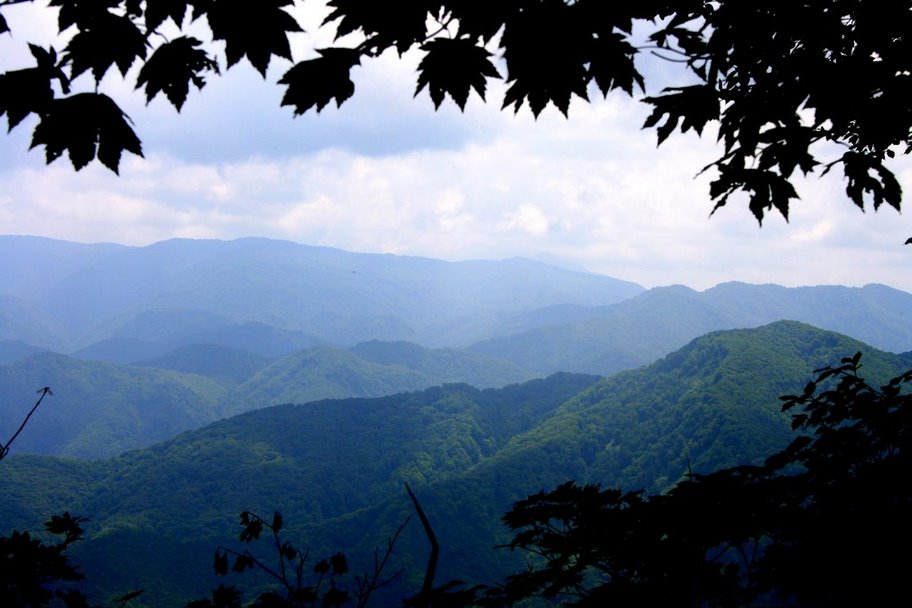
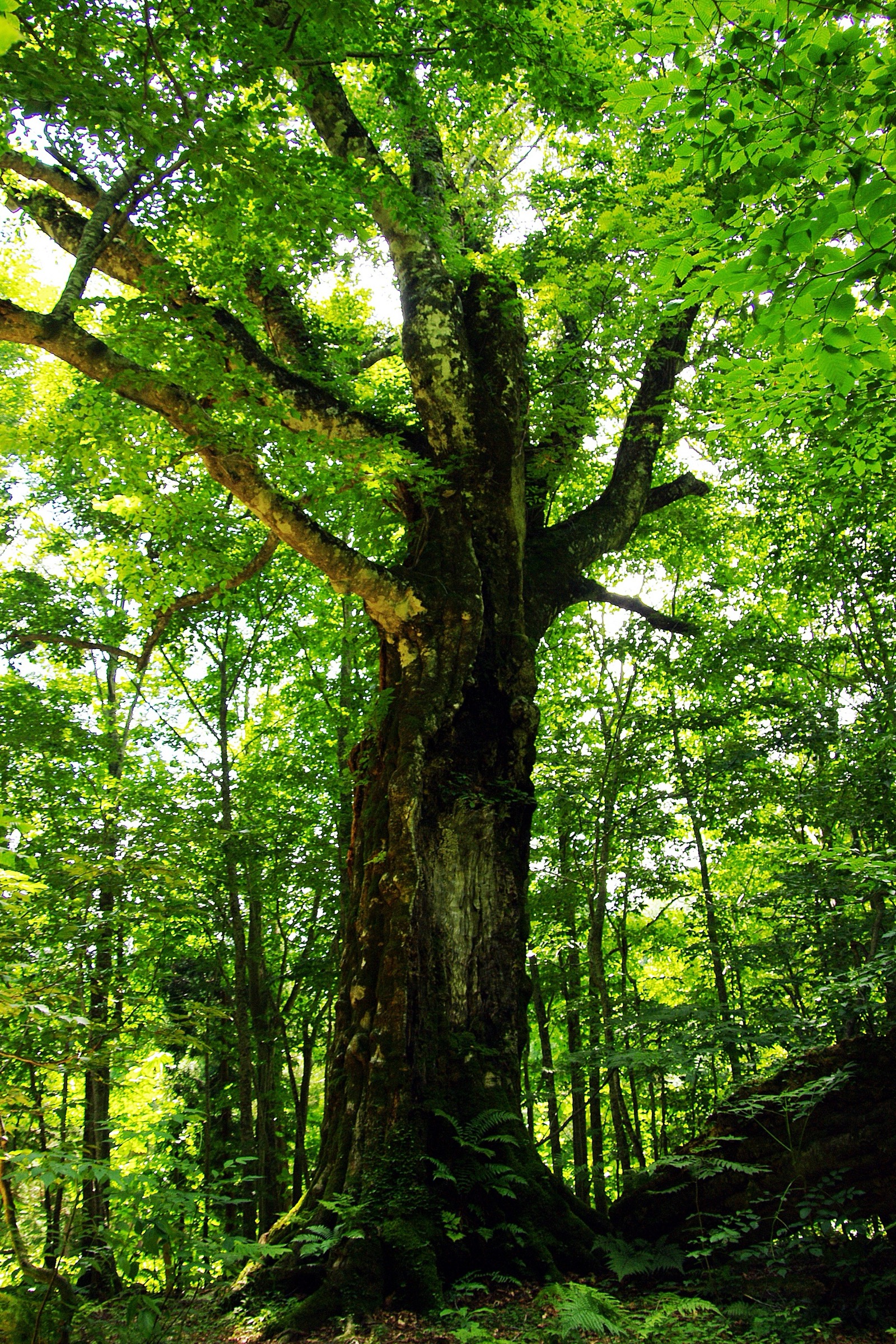
Deep in the mountains where Aomori and Akita Prefectures meet, covering a vast sweep of ancient highland, lies one of the last great wild places in East Asia. Shirakami-Sanchi (白神山地) is a UNESCO World Heritage Site that preserves the largest intact virgin beech forest on the planet outside of Europe — a 130,000-hectare expanse of pristine wilderness that has never been logged or significantly disturbed by human activity. The trees here have been growing for thousands of years. Some of the beech giants standing quietly in the heart of the protected zone were already centuries old when Japan’s first shogunate was formed. Shirakami is not just a beautiful forest — it is one of the last truly untouched wild places remaining in the developed world.
What Makes Shirakami-Sanchi Special
To understand why Shirakami-Sanchi was designated a UNESCO World Heritage Site in 1993 — one of Japan’s first two natural World Heritage Sites, alongside the Yakushima cedar forests of Kyushu — you need to appreciate what “virgin forest” actually means. In Japan, a country that has been intensively managed and cultivated for millennia, almost no land has been left truly untouched. Roads, logging operations, ski resorts, agricultural development, and urban sprawl have transformed virtually every landscape. Shirakami is the exception.
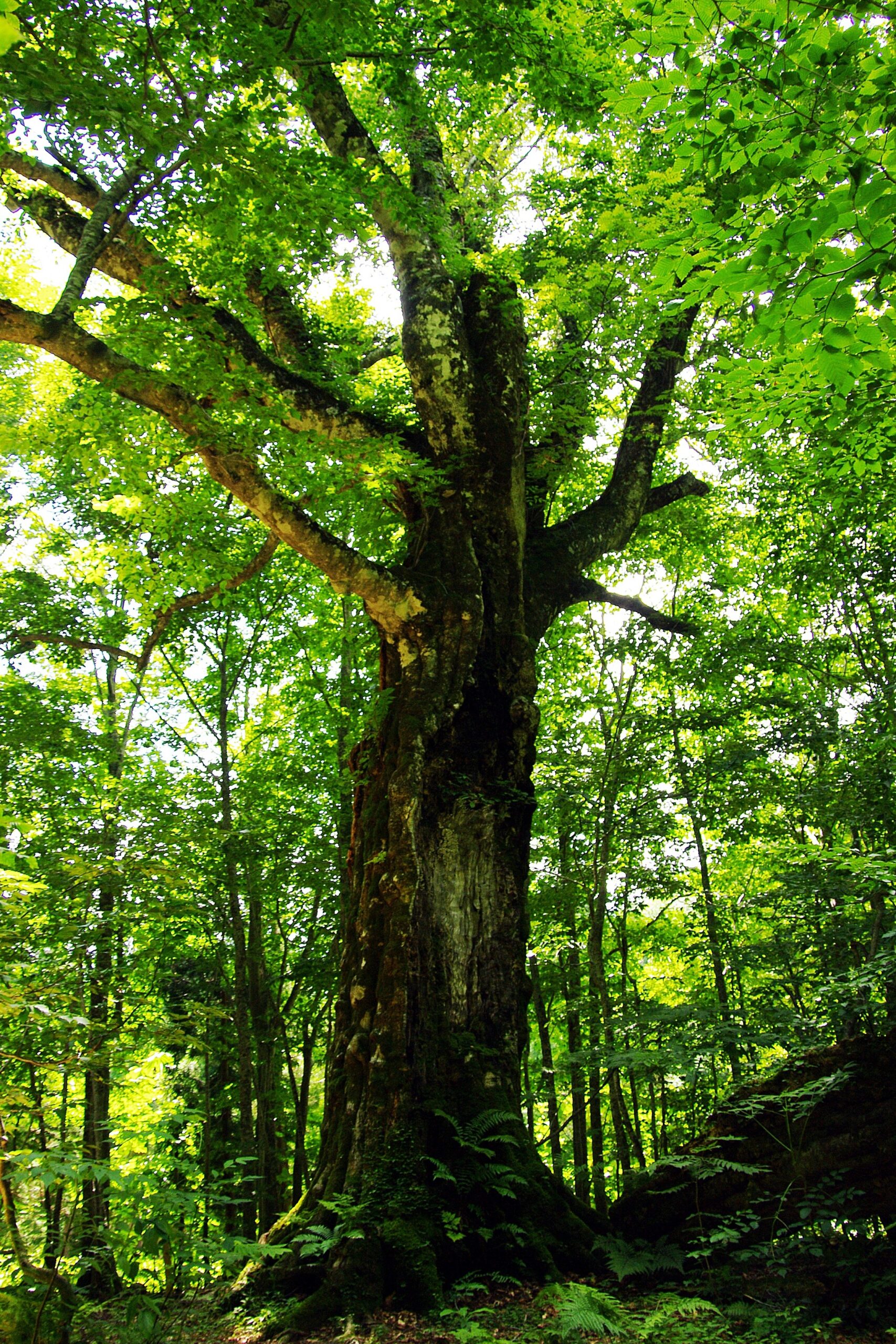
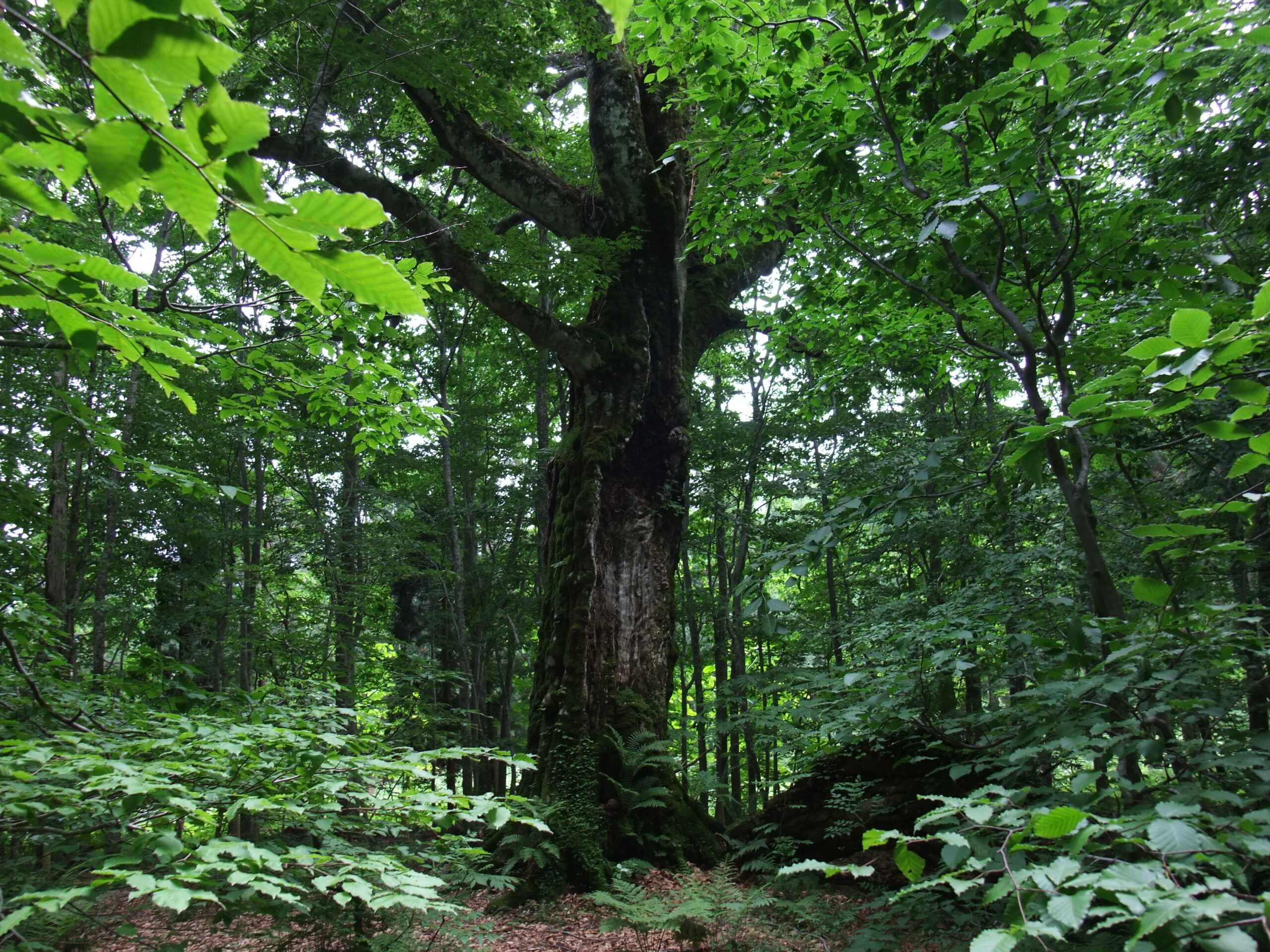
The core protected zone — approximately 17,000 hectares at the heart of the larger Shirakami-Sanchi range — has been identified by scientists as having no significant history of human disturbance. The beech trees here are Siebold’s beech (Fagus crenata), a species that forms the climax forest of cool, humid, mountainous Japan. In most of the country, these forests were cleared centuries ago for agriculture and timber. Here, they survived because the terrain was too rugged and remote to exploit profitably.
The result is an ecosystem of extraordinary biodiversity. Shirakami supports the Japanese black bear, the Japanese serow (a mountain goat-antelope native to Japan), the Japanese marten, and numerous species of raptors including the golden eagle and Blakiston’s fish owl — one of the world’s largest owls, found only in the northern reaches of Japan. The forest floor teems with spring wildflowers each May and June, and the autumn colour transformation of the beech leaves — turning from deep green to gold, amber, and russet over the course of several weeks — creates one of Tohoku’s most breathtaking seasonal spectacles.
Getting to Shirakami-Sanchi
Shirakami-Sanchi sits on the border between Aomori and Akita Prefectures, and the main access points are from the Aomori side (primarily Hirosaki City and Fukaura Town) and the Akita side (Noshiro City). Here’s how to get there:
- From Tokyo by Shinkansen: Take the Tohoku-Hokkaido Shinkansen from Tokyo Station to Shin-Aomori (approximately 3 hours, ¥17,000–¥18,500 / ~$117–$127 USD). From Shin-Aomori, transfer to the JR Ou Main Line to Hirosaki (about 35 minutes). Hirosaki is the best base for exploring the Aomori side of Shirakami-Sanchi.
- JR Pass: The Tohoku-Hokkaido Shinkansen is covered by the Japan Rail Pass. The local Ou Main Line trains from Shin-Aomori or Aomori to Hirosaki are also JR trains, so Pass holders save significantly on this leg.
- From Hirosaki by road: Most of the key access points in Shirakami-Sanchi require a car or organised tour. Rental cars are available in Hirosaki. The Juniko (Twelve Lakes) area — the most visited section — is approximately 60 km (37 miles) west of Hirosaki, about 1.5 hours by car via Route 101 along the Sea of Japan coast.
- By bus (seasonal): A limited seasonal bus service runs from Hirosaki Station to the Juniko area during summer (typically July to September). Check the current Hirosaki bus schedules — the service varies year to year. Journey time is approximately 2 hours.
- From Akita: Noshiro City on the Akita side has a JR station on the Ou Main Line. From Noshiro, you can access the western Shirakami-Sanchi trails by car.
Important note: The core protected zone of Shirakami-Sanchi is strictly controlled. Access to the UNESCO Core Zone itself is restricted and requires permits obtained through local authorities. Most visitors access the World Heritage area through the surrounding buffer zone trails and the Juniko Lakes area, which are freely accessible and provide an authentic Shirakami experience.
The Juniko Lakes: Shirakami’s Most Accessible Wonder
The most visited area of Shirakami-Sanchi for general tourists is the remarkable Juniko (十二湖, “Twelve Lakes”) district in Fukaura Town, Aomori Prefecture. Despite the name suggesting twelve, the area actually contains 33 small lakes and ponds — the “twelve” refers to the traditional count visible from a specific mountain viewpoint. These lakes were formed by a massive earthquake and landslide in 1704, which blocked valleys and created a series of enchanting forest pools at various elevations across the hillside.
The star of the Juniko lakes is Aoike (青池, “Blue Pond”) — a pool of such extraordinary cobalt blue that it appears almost unreal. The water is pure, flowing from mountain springs filtered through the beech forest, and its remarkable colour comes from the specific way light scatters through the fine mineral particles in the water. Scientists have measured the water’s visibility at over 30 metres depth despite the vivid colour. Surrounding the Aoike on all sides are ancient beech trees whose roots reach down into the shoreline and whose leaves create a cathedral-like canopy overhead. Visiting Aoike is one of those rare experiences where a photograph genuinely cannot prepare you for the reality — the colour must be seen in person to be believed.
A gentle 2-kilometre (1.2-mile) walking trail loops through the lakes area, passing Aoike, several other named pools, and groves of beech trees. The trail is well-maintained and suitable for walkers of all abilities. Allow 1.5–2 hours for the full circuit at a leisurely sightseeing pace. The Aqua Green Village ANMON visitor centre serves as the trailhead and provides information, parking, and simple refreshments.
Anmon Falls: Shirakami’s Most Dramatic Hike
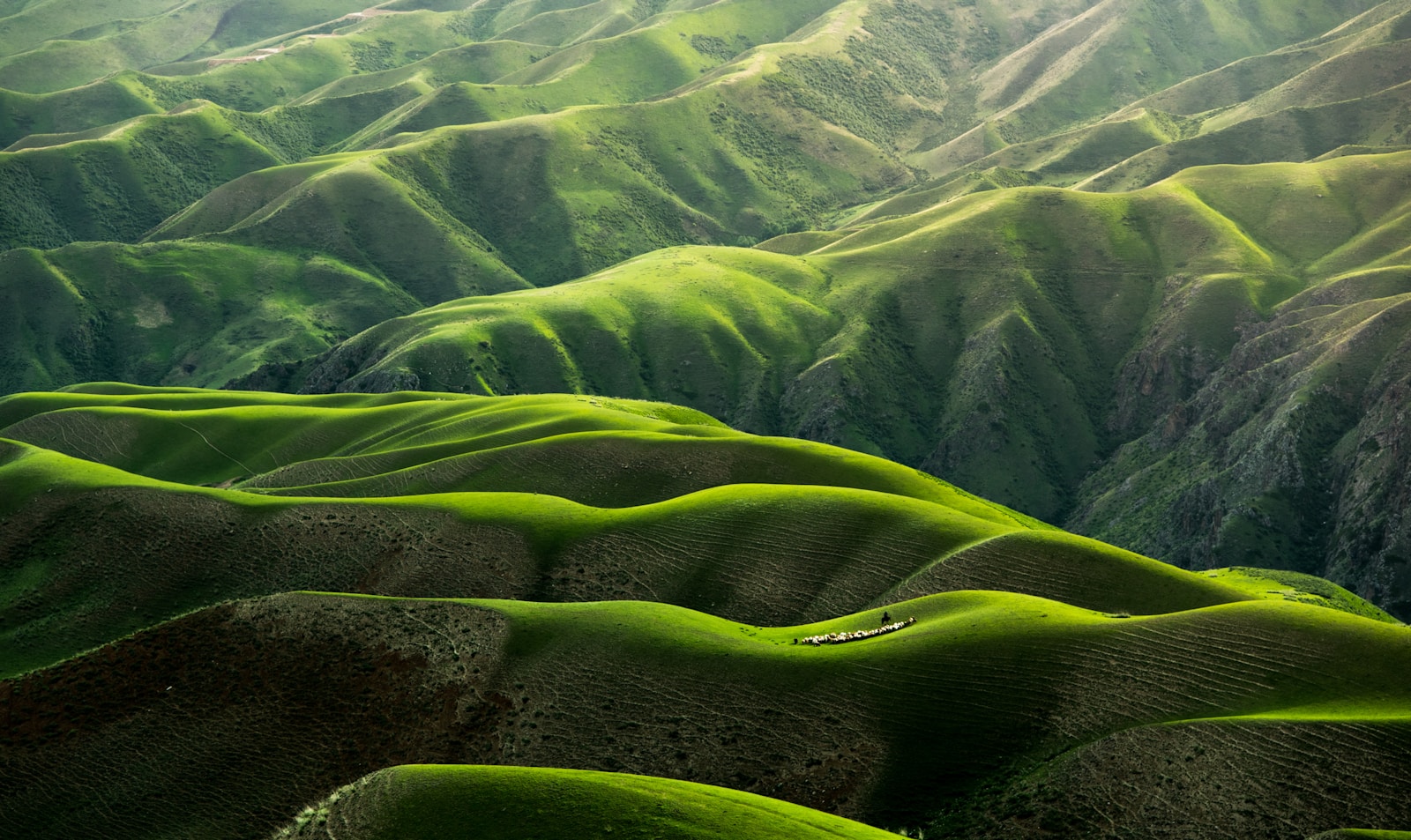
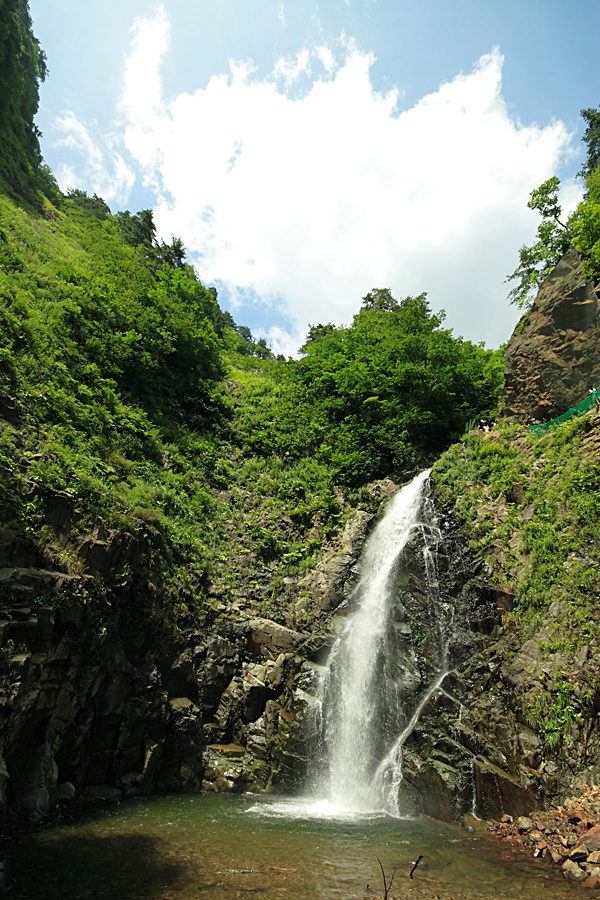
For those wanting a more challenging Shirakami experience beyond the gentle Juniko circuit, the Anmon Falls Trail (暗門の滝) offers one of Tohoku’s finest forest hikes. The trail follows the Anmon River gorge deep into the beech forest, leading to three spectacular waterfalls — the First Fall (42 metres / 138 feet), Second Fall (37 metres / 121 feet), and Third Fall (26 metres / 85 feet) — each progressively more dramatic and remote.
The total trail length from the Nishimeya visitor centre (道の駅 津軽白神, Michi no Eki Tsugaru Shirakami) to the First Fall and back is approximately 4 km (2.5 miles) round trip, taking about 2.5–3 hours at a comfortable pace. Extending to all three falls adds another 2 km and a significant amount of scrambling over river boulders — river crossing shoes or water-resistant hiking boots are strongly recommended, as the path crosses the river multiple times and can be slippery.
The hike is most rewarding in late May and June when the spring wildflowers are in full bloom along the riverbank, and in October when the beech leaves turn gold and the waterfall spray creates rainbow effects in the autumn light. The trail is closed in winter (typically November to April) due to avalanche risk. In summer, the deep forest gorge stays cool even when temperatures outside are warm — a welcome relief for hikers.
Wildlife in Shirakami-Sanchi
Shirakami-Sanchi is one of Japan’s most important wildlife refuges, and patient, quiet visitors have a real chance of encountering some extraordinary animals. The key is to arrive early, move slowly, and stay alert — particularly on the edges of clearings and along the forest streams where animals come to drink.
Japanese Black Bear (ツキノワグマ): Shirakami has a healthy population of Japanese black bears, and bear sightings — while not common — are possible throughout the warmer months. If you’re hiking in the forest, wear a bear bell (available from outdoor shops in Hirosaki) and make noise on blind corners. Bear attacks are extremely rare when proper precautions are taken. Trail information centres post current bear sighting reports — check these before heading out.
Japanese Serow (カモシカ): These stocky mountain ungulates, related to both goats and antelopes, are a symbol of the Shirakami mountains. You’re most likely to spot them on rocky outcrops and steep forested hillsides, particularly in the early morning. Their shaggy grey-brown coats and calm, curious temperament make them unmistakable when you do find one.
Blakiston’s Fish Owl (シマフクロウ): One of the world’s largest owls and one of Japan’s most endangered birds, Blakiston’s fish owl inhabits the rivers and streams within Shirakami-Sanchi. Seeing one is exceptionally rare — this is a bird that serious ornithologists travel to Hokkaido specifically to seek. But Shirakami is one of the only places on Honshu Island where the species survives, making it a remarkable destination for dedicated birders.
Golden Eagle (イヌワシ): Scan the ridgelines and mountain updrafts for the majestic golden eagle — Japan’s largest raptor, with a wingspan of nearly 2 metres (6.5 feet). They’re most visible on clear days when thermal currents allow them to soar at ridge height.
Best Time to Visit Shirakami-Sanchi
- Spring (May–June): Arguably the best season for the beech forest. The fresh spring foliage is a vivid, luminous green unlike anything else in nature — the Japanese call it 「萌黄」(moegi), the colour of new shoots. Spring wildflowers bloom along the forest floor and riverbanks, and the Anmon Falls run at full force from snowmelt. Temperatures are comfortable for hiking: 12–20°C (54–68°F). Some mountain roads may still be closed in early May.
- Summer (July–August): The forest is in full leaf and the mountain streams are clear and inviting. The Juniko circuit and Anmon Falls trail are both fully accessible. Can be warm (22–28°C / 72–82°F) in lower areas, but the deep forest stays cool. Peak tourist season with the most facilities open.
- Autumn (late September–October): The beech forest autumn colour season is spectacular — the gradual transition from green to gold to deep amber is one of Tohoku’s great natural events. Peak colour typically arrives in mid-October at higher elevations and works its way downhill over 2–3 weeks. The Aoike Blue Pond surrounded by autumn-coloured beech trees is an almost mythically beautiful sight.
- Winter (November–April): Much of the area is inaccessible due to heavy snowfall (the Shirakami mountains receive some of the heaviest snowfall in Japan). Most hiking trails and access roads close. Not recommended for most visitors.
Shirakami-Sanchi Hiking Options by Ability Level
Easy: Juniko Lakes Circuit (1.5–2 hours, mostly flat)
The Juniko trail is suitable for all ages and fitness levels. Well-maintained boardwalks and gravel paths link the lakes. Suitable for families with children, older visitors, and anyone wanting a pleasant forest stroll rather than a challenging hike.
Moderate: Anmon Falls First Fall (2.5–3 hours round trip)
A genuine forest hike along a river gorge with some uneven terrain. Good footwear recommended. Passes through beautiful beech forest. The First Fall reward is well worth the effort.
Challenging: Anmon Falls All Three (5–6 hours round trip)
Extends to the Second and Third Falls via river scrambling. Proper hiking boots, river-crossing footwear, and confidence on uneven terrain required. Not recommended as a solo hike — go with a partner or a guided group.
Advanced: Shirakami Ridge Traverses (multi-day)
The serious mountain traverses of the Shirakami range — routes like the Mutsuishi-dake ridge — are multi-day wilderness hikes requiring full backcountry gear, navigation experience, and current conditions research. These routes take hikers through the most remote and pristine parts of the forest. Only for experienced mountain hikers with proper preparation.
Where to Stay Near Shirakami-Sanchi
Budget (Under ¥7,000 / $48 per night)
The Michi no Eki Tsugaru Shirakami (道の駅 津軽白神) rest area near the Nishimeya access point has basic accommodation facilities. Budget guesthouses and minshuku (Japanese-style B&Bs) are available in Fukaura Town and along the Route 101 coast, typically from ¥4,000–¥7,000 ($28–$48) per person.
Mid-Range (¥8,000–¥18,000 / $55–$124)
Most visitors use Hirosaki City as their base, staying in one of the comfortable business hotels near Hirosaki Station (approximately ¥8,000–¥12,000 / $55–$82 per person). Hirosaki has excellent restaurant options and is a destination in its own right with its famous castle and apple culture. A rental car from Hirosaki allows you to reach Shirakami-Sanchi comfortably in about 1.5 hours.
Luxury (¥20,000+ / $138+)
Several traditional ryokan in the Nishimeya area and along the Shirakami foothills offer atmospheric mountain-inn experiences with local mountain cuisine (including wild vegetables, river fish, and mushrooms) and hot spring baths. Prices for a stay with dinner and breakfast typically run ¥20,000–¥35,000 ($138–$241) per person. Booking directly through the inn or the Nishimeya Village tourism office is recommended.
Practical Tips for Visiting Shirakami-Sanchi
- Get a car: Shirakami-Sanchi is essentially inaccessible by public transport outside of the seasonal Juniko bus. A rental car from Hirosaki or Aomori is by far the most practical option and gives you the freedom to explore multiple access points in a single day.
- Bear safety: Always carry a bear bell when hiking. Purchase them at outdoor shops in Hirosaki or at the Michi no Eki roadside stations near the forest. Check trail condition boards at trailheads for recent bear sighting reports. Never approach a bear.
- Trail conditions: Many mountain trails open only from late May and close in October/November. Check current conditions with the Nishimeya Village office or the Shirakami-Sanchi World Heritage Conservation Center (白神山地ビジターセンター) in Fujisato, Akita.
- No camping in the core zone: Camping within the UNESCO Core Zone is prohibited. Designated camping areas exist in the buffer zone and nearby national forest areas.
- Water: Stream water in Shirakami-Sanchi looks pristine but should be treated before drinking. Bring sufficient water for your planned hike.
- Photography: The early morning light in the forest is magical — arrive at Aoike or the Anmon trailhead by 7–8am for the best light and fewest other visitors.
- Combine with Hirosaki: Shirakami-Sanchi pairs perfectly with a visit to Hirosaki — Japan’s apple capital, home to a famously beautiful castle. Many visitors spend one day at the castle and one day in the Shirakami forest.
- Souvenirs: The Michi no Eki Tsugaru Shirakami sells local forest products: wild mushroom preserves, Shirakami spring water (bottled directly from the forest springs), beech wood crafts, and local agricultural products.
Sample 1-Day Shirakami-Sanchi Itinerary from Hirosaki
Full Day in the Beech Forest
6:30am: Pick up your rental car in Hirosaki. Fill the tank and pack your lunch — there are limited food options deep in the Shirakami area.
7:00–8:30am: Drive west along Route 101, following the Sea of Japan coastline through small fishing villages. The coastal scenery along this route is beautiful in its own right — rugged cliffs, grey sea, and tiny harbours.
8:30–10:30am: Arrive at the Juniko area. Walk the full lakes circuit, reaching Aoike at its best in the cool morning light. Take your time — the forest is at its most peaceful and photogenic before the mid-morning tour buses arrive.
10:30am–12:30pm: Drive the short distance to the Anmon Falls trailhead at Michi no Eki Tsugaru Shirakami. Hike to the First Fall (about 2.5 hours total). Have your packed lunch on the rocks near the fall.
12:30–14:00pm: Return to the Michi no Eki, explore the souvenir shop, and pick up local forest products to take home. Rest your legs with a coffee.
14:00–16:00pm: Drive back toward Hirosaki via the inland mountain road (not the coastal route — a different and equally scenic drive). Stop at a roadside apple orchard (September–October) or wild flower meadow (June–August) along the way.
16:00–17:30pm: Return to Hirosaki. Explore the castle or the town centre. Dinner at a local Hirosaki restaurant featuring wild vegetables and mountain cuisine.
Related Articles You Might Enjoy
- Resort Shirakami Scenic Train Guide: Japan’s Most Beautiful Railway Journey Through Aomori
- Tanesashi Coast & Kabushima Island, Aomori: Japan’s Most Dramatic Coastal Walk & Seabird Sanctuary
- Hirosaki City Guide: Apple Capital, Neputa Festival & Aomori’s Most Historic Castle Town
- Cape Shiriyazaki & Shimokita Peninsula, Aomori: Wild Horses, Dramatic Coastlines & Japan’s Northern Edge
- Hachinohe, Aomori: Complete Guide to Japan’s Most Underrated Northern City
Final Thoughts
Shirakami-Sanchi is a rare thing: a place where you can genuinely experience what Japan’s mountains looked like before the modern era. Walking through an ancient beech forest, standing on the shore of the impossibly blue Aoike, or hiking up a river gorge to a hidden waterfall — these are experiences that stay with you long after the trip is over. This is wilderness that has survived intact for thousands of years, and visiting it with care and respect means it will survive for thousands more. Come prepared, go slowly, look carefully, and Shirakami-Sanchi will reveal itself as one of the most extraordinary natural places you’ve ever visited.
Got questions about planning your Tohoku trip, or spotted something we missed? We’d love to hear from you — drop us a message here.



コメント