Every spring, Japan goes sakura-mad — and for good reason. But the most famous cherry blossom spots — Hirosaki, Yoshino, Tokyo’s Shinjuku Gyoen — can attract crowds measured in the hundreds of thousands. If you want the same soul-stirring beauty of 10,000 cherry trees in full bloom without fighting through tour groups for every photograph, there is one name the Japanese keep mentioning: Tenshochi Park (展勝地) in Kitakami, Iwate Prefecture. Here, almost no international tourists come, the local families spread their picnic blankets in the unhurried way cherry blossom viewing was always meant to be enjoyed, and the Kitakami River reflects the blossoms in a wide, slow mirror that makes the whole scene twice as beautiful. This is the hidden sakura paradise of northeastern Japan, and it is extraordinary.
Why Tenshochi Should Be on Every Japan Itinerary
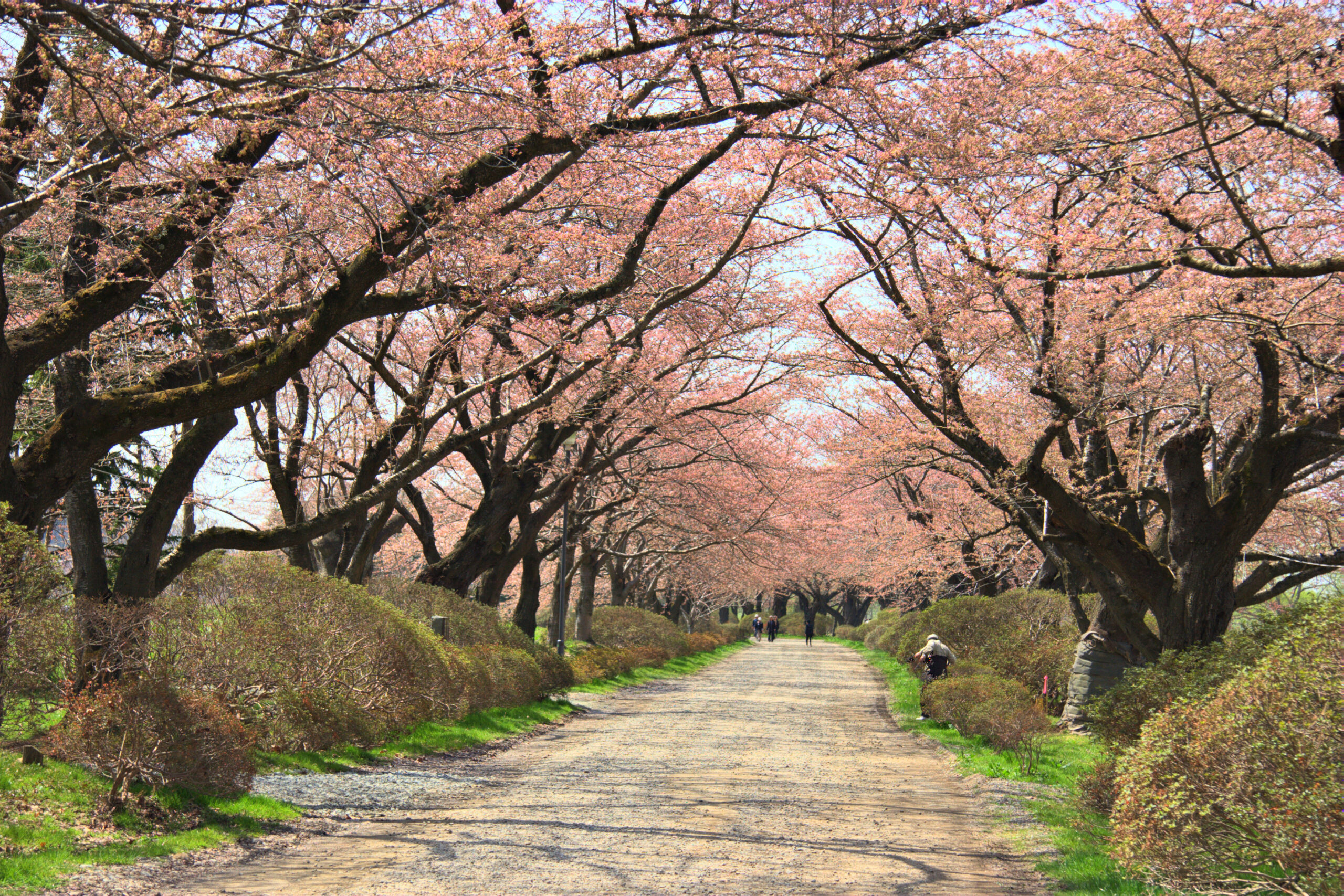
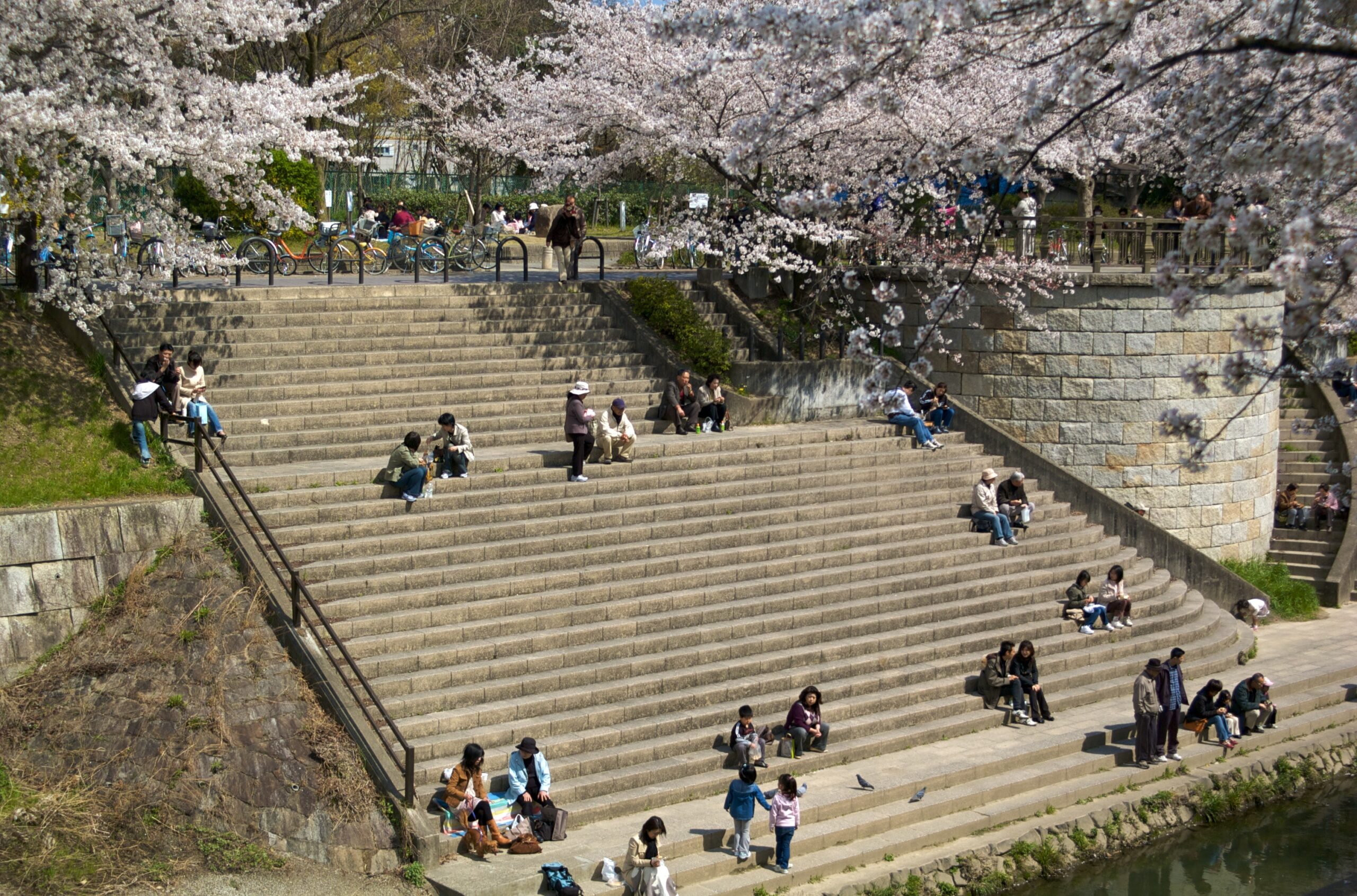
The numbers alone are impressive: nearly 10,000 cherry trees, primarily somei yoshino (the classic Japanese variety), planted along a 2-kilometer stretch of riverbank. On a clear April day — and Iwate has some of Japan’s crispest spring skies — the density of blossoms creates a phenomenon that can only be described as a tunnel of pink. Stand at one end of the main promenade and look down: the canopy closes over the path, the sky disappears, and you are walking through a corridor of blossom so dense and so fragrant that it genuinely stops your breathing for a moment.
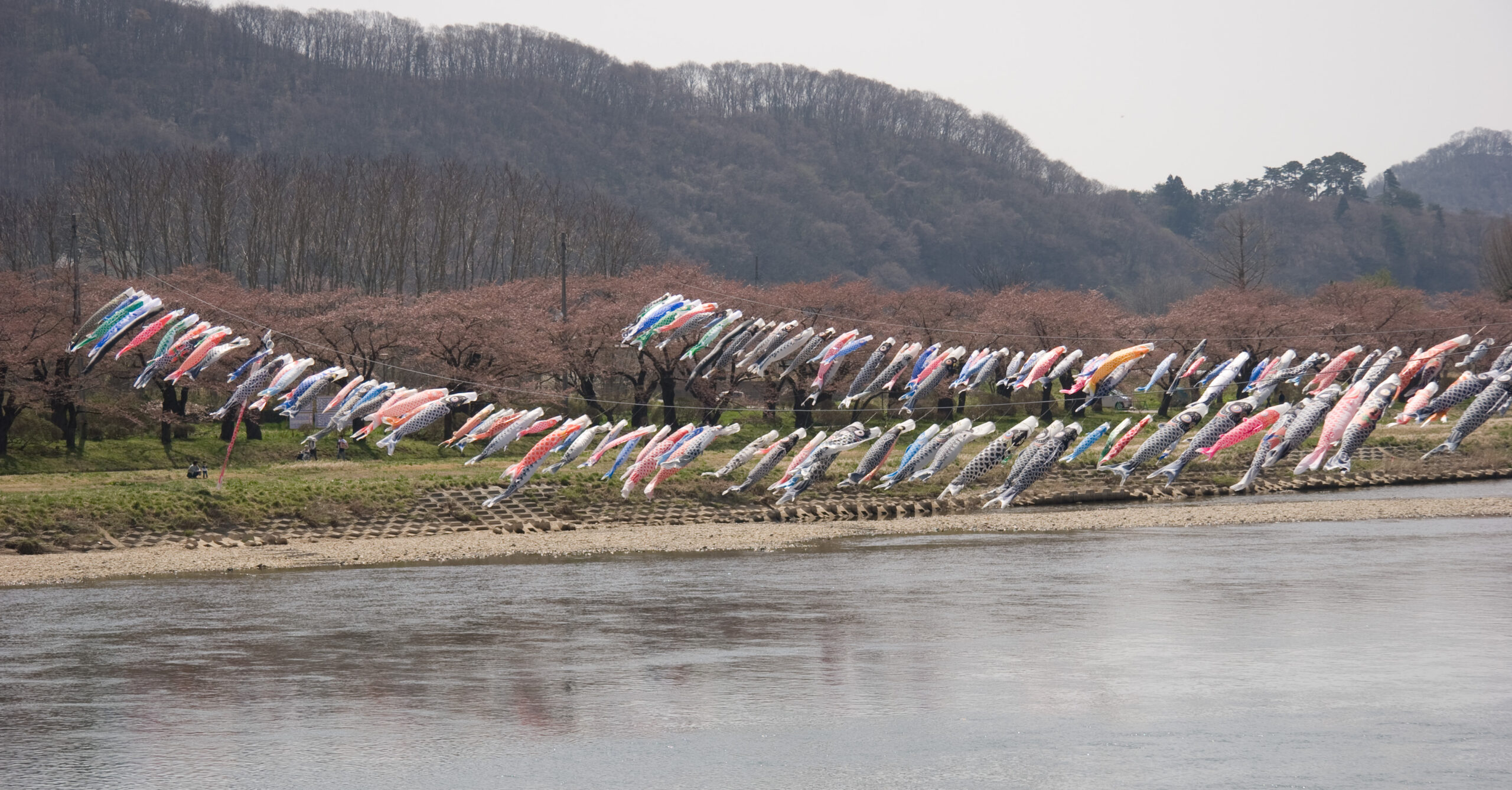
But what sets Tenshochi apart isn’t just the quantity. It’s the setting. The park runs along the western bank of the Kitakami River, one of Tohoku’s great rivers, wide enough here to create a genuine sense of space and sky. The mountains that ring the Kitakami Basin appear in the background — snow-capped in early spring, providing that classically Japanese compositional element of pale mountains behind pale blossoms. And because the park is a designated National Site of Scenic Beauty (国指定名勝地), there is no commercial development cluttering the view. It is exactly what you imagine when you picture a Japanese cherry blossom park.
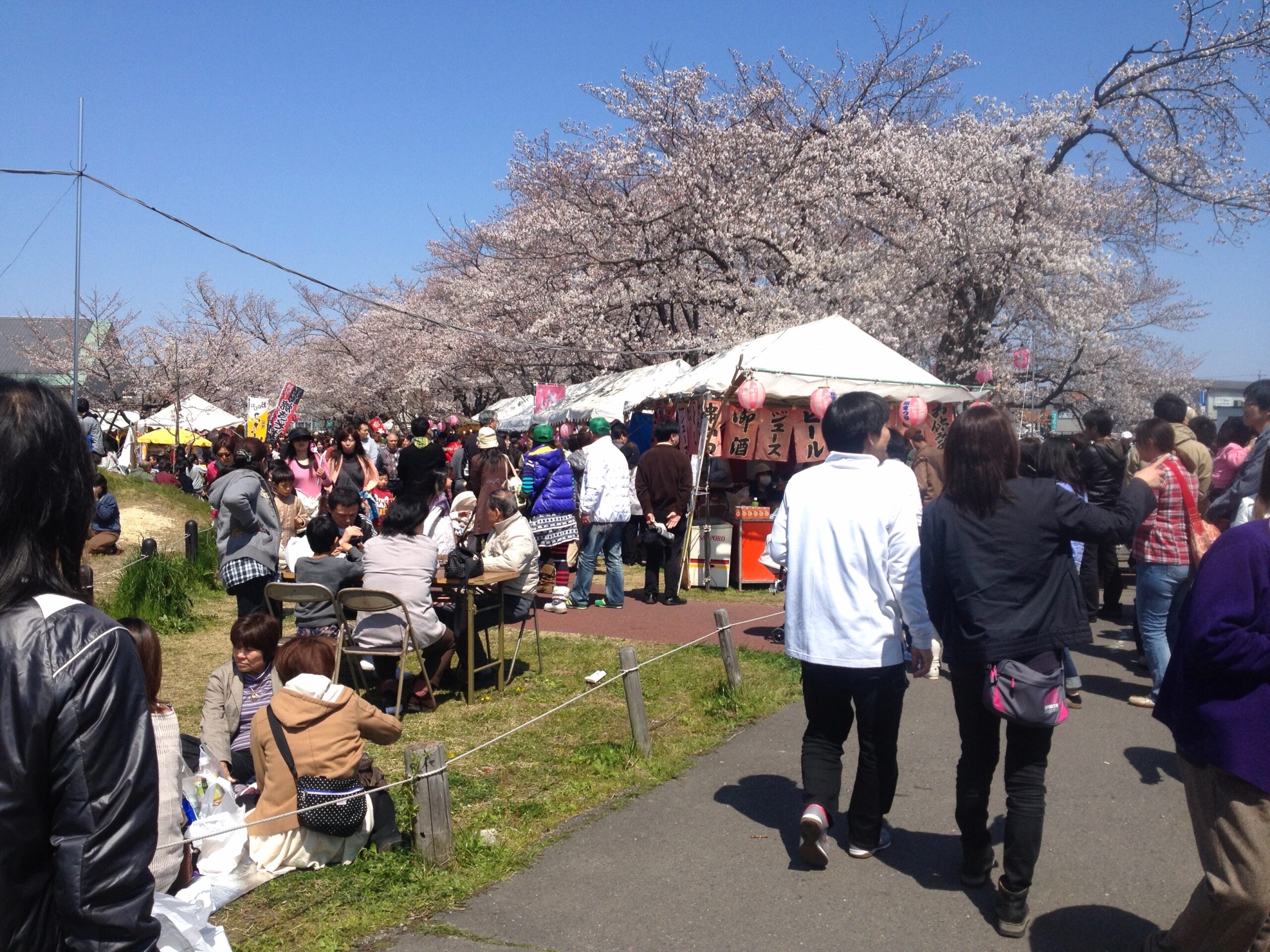
The international tourist trail has almost entirely missed Kitakami. There are no English-language tour buses, no entrance fees, no crowded viewing platforms with numbered spots. You arrive at a small city station, walk 15 minutes to the park, and spread your blanket wherever you like. The vendors selling yakitori and beer under the trees are doing so for the locals, not for you specifically — which means the prices are local prices and the atmosphere is genuine. This is sakura season as it was before Instagram made Hirosaki famous overnight.
Getting There from Tokyo
- Shinkansen: Take the Tohoku Shinkansen from Tokyo Station to Kitakami Station — approximately 2 hours 20 minutes, around ¥14,500–¥15,500 ($99–$105) for an unreserved seat. JR Pass is valid.
- From Sendai: Shinkansen to Kitakami is approximately 45 minutes, around ¥4,500–¥5,000 ($31–$34). An excellent day trip option.
- From Morioka: Shinkansen to Kitakami takes about 15 minutes, making it very easy to combine with time in Morioka city.
- Walking from Kitakami Station: Tenshochi Park is approximately 1.4 km (0.9 miles) from Kitakami Station — a 15–18 minute flat walk along a well-marked route. During peak blossom season (late April), there are also rental bicycles available near the station for a quicker ride to the park.
- By car: Kitakami is easily accessible from Tohoku Expressway (Kitakami-Egawa IC). Free parking is available near the park during most of the year; during peak blossom season, paid overflow parking (¥500 / $3.50) is set up nearby.
Cherry Blossom Season and Timing
Tenshochi’s cherry blossoms typically peak between late April and early May — later than Tokyo (mid-March to mid-April), Sendai (early to mid-April), and Hirosaki (late April). This later timing is actually a strategic advantage for travelers who’ve been following the sakura front northward, or who simply couldn’t make it to Japan in the early season. Kitakami is one of the last major cherry blossom destinations to hit full bloom, which means it extends Japan’s sakura season for those who want to experience it.
The Kitakami Tenshochi Cherry Blossom Festival runs throughout the bloom period, typically from mid-April to early May. Check the official festival website or Japan Meteorological Corporation’s sakura forecast (publicly available in English each year from March) for the exact predicted bloom dates for the current year — these vary significantly based on winter temperatures.
Peak bloom timing breakdown:
- Early bloom (about 30% open): Typically mid-to-late April — a delicate, ethereal look with green beginning to show through the blossoms
- Full bloom (mankai — 100% open): Usually late April, lasting 5–10 days depending on weather. The classic tunnel effect. Best photography conditions.
- Late bloom / petal fall (hanafubuki — “flower blizzard”): First week of May — petals falling like snow on the river surface, considered by many Japanese visitors to be even more beautiful than full bloom
If you can only visit once, target full bloom for photography. But if you have flexibility, the petal-fall period — when the Kitakami River runs with floating petals — is genuinely transcendent and far less crowded than peak bloom week.
The Kitakami Tenshochi Cherry Blossom Festival
During peak bloom, Tenshochi hosts a full spring festival (春まつり) that transforms the park into one of the most festive and joyful places in Tohoku. Here’s what you’ll find:
Food and Festival Stalls
Dozens of yatai (festival food stalls) line the park entrance and main promenade, selling a combination of Japanese festival classics and local Kitakami specialties. You’ll find yakitori (grilled chicken skewers, ¥300–¥400 / $2–$3), takoyaki (octopus balls), yakisoba (fried noodles), fresh strawberries (Iwate produces excellent spring berries), and local craft beers. One particularly local treat is wanko soba — Iwate’s famous rapid-fire soba tradition — served in festival form at several stalls. Budget ¥1,500–¥2,500 ($10–$17) for a casual festival meal.
Traditional Performances
Throughout the festival period, the main stage hosts traditional performing arts events — particularly Kitakami’s famous Demon Sword Dance (鬼剣舞, Oni Kenbai), a designated Intangible Folk Cultural Property of Japan. This powerful, masked dance performed by men in demon costumes accompanied by taiko drums and flute is one of the most visually striking traditional performances in Tohoku, and seeing it under cherry blossoms in Tenshochi is an experience with few parallels anywhere in Japan. Performance schedules are posted at the park entrance in Japanese; ask your accommodation for help deciphering the timing.
Yozakura — Night Cherry Blossoms
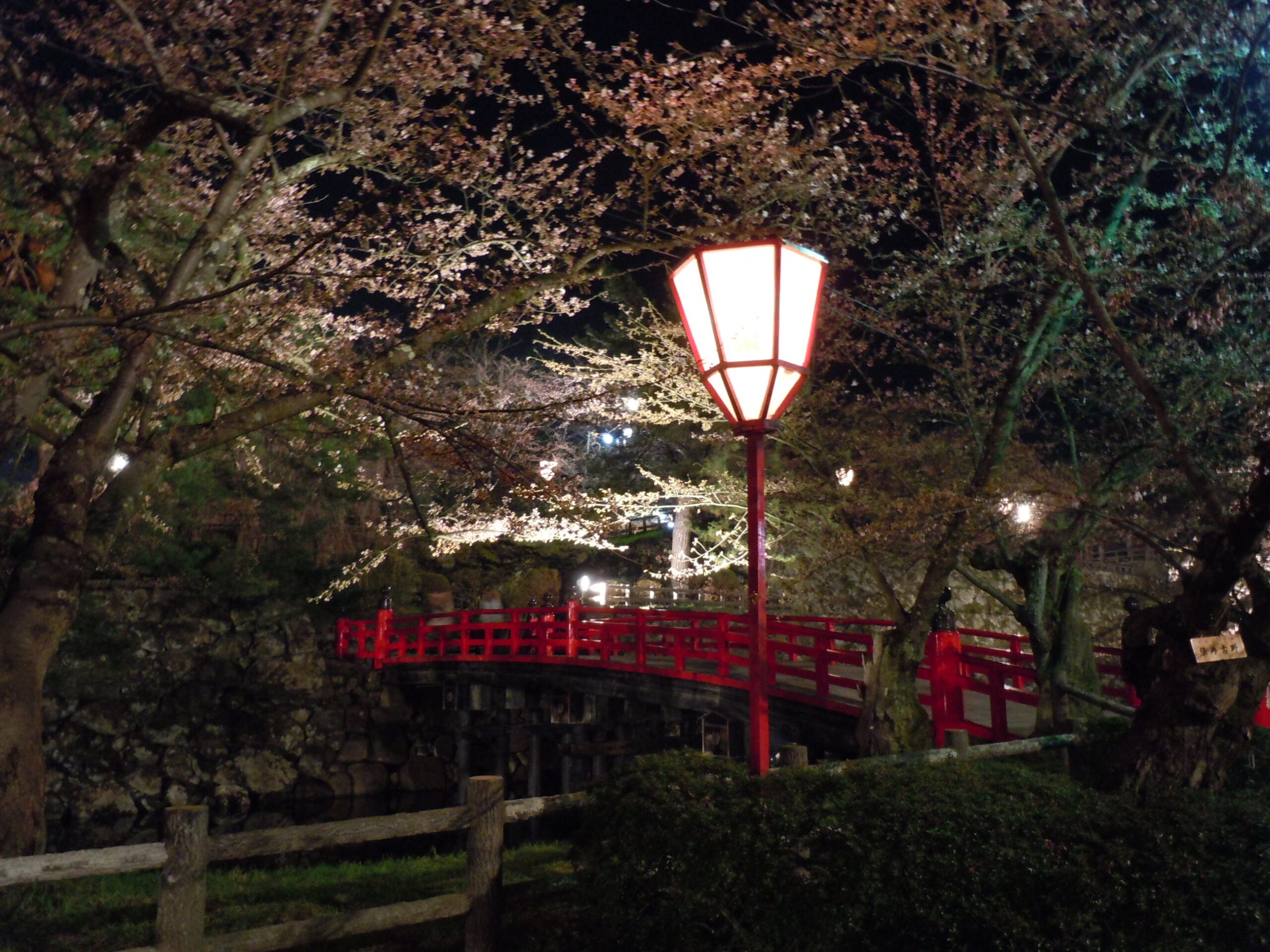
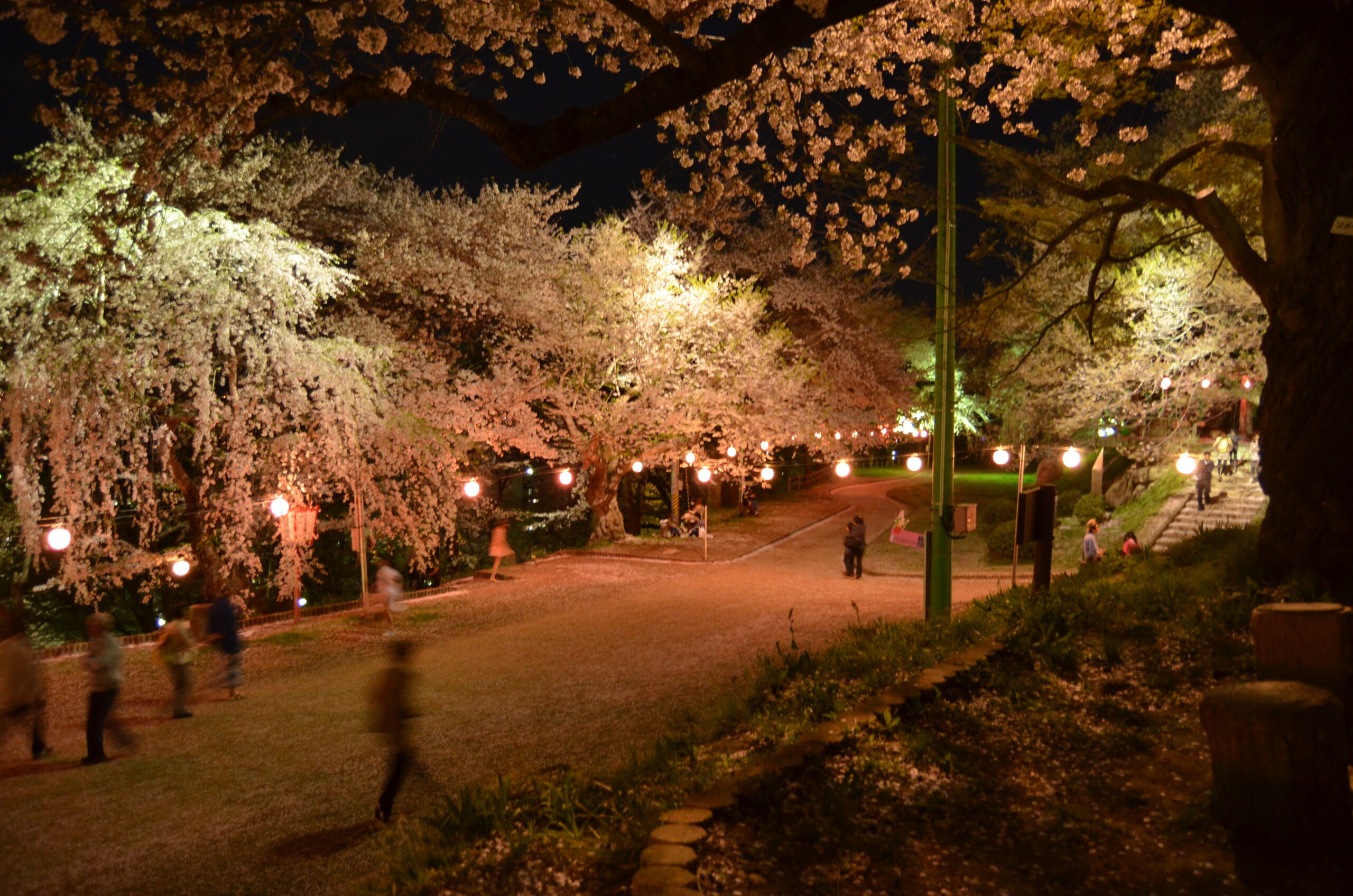
Every evening during the festival period, the cherry trees are illuminated from below in soft warm light. The effect — pale pink blossoms glowing against the dark sky, their reflections shimmering in the black river below — is genuinely otherworldly. If you can only visit once during the day or the evening, choose the evening. Night hanami (flower viewing) with a bottle of local sake or a glass of Iwate craft beer, sitting on a blanket under lit blossoms with Japanese families around you doing exactly the same, is one of the most purely Japanese experiences available to foreign visitors. Illuminations typically run until around 9:00–10:00 PM during the festival.
Boat Rides on the Kitakami River
During the festival period, river cruise boats operate from the dock near the park, offering a 30-minute cruise along the blossom-lined bank. Viewing the trees from the water — looking up at the canopy from below — gives an entirely different perspective and produces some of the finest photography opportunities of the festival. Boat rides cost approximately ¥700–¥800 ($5–$5.50) per person and run on a fixed schedule throughout the day and into the early evening. Lines form quickly in the afternoon; arrive by 10:00 AM or wait until after 3:00 PM to minimize waiting time.
Beyond the Blossoms: Kitakami All Year
While Tenshochi is synonymous with cherry blossoms, the park and the broader Kitakami area reward visits in every season. Understanding this transforms Kitakami from a single-purpose pilgrimage into a genuine destination.
Summer at Tenshochi
The park’s 2-kilometer riverside promenade is shaded by dense summer foliage in June and July, making it a cool and pleasant walk during Tohoku’s humid summer months. The Kitakami River is wide and active with sport fishing throughout summer — particularly for ayu (sweetfish), a local delicacy that appears on restaurant menus from late June through August. Kitakami City hosts its own summer festivals, including fireworks displays over the river in mid-August that are worth planning around.
Autumn Foliage
The same trees that produce cherry blossoms in April produce brilliant autumn foliage in October and November. The combination of ginkgo, maple, and the turning cherry trees creates an autumn color display that, while less famous than the spring cherry blossoms, is genuinely beautiful and attracts a fraction of the spring crowds. October is an excellent time to visit Tenshochi if spring travel is not possible.
The Tenshochi Oni Kenbai Tradition
The Demon Sword Dance (鬼剣舞) of Kitakami is performed not only during the spring festival but at various cultural events throughout the year, including the Kitakami Michinoku Folk Arts Festival (みちのく芸能まつり) held in August. This multi-day event brings traditional performing arts groups from across Tohoku to Kitakami, making it one of the most significant folk arts events in northeastern Japan. If you have any interest in traditional Japanese performing arts — and you should — this festival is extraordinary.
Where to Eat: Kitakami Food Guide
Kitakami is a small city of about 90,000 people, but it punches well above its weight in terms of food quality — particularly given its position in the heart of Iwate Prefecture, one of Japan’s great agricultural regions.
Wanko Soba
Iwate Prefecture’s most famous food tradition is wanko soba — the practice of eating small portions of soba noodles in rapid succession while an attendant refills your bowl until you cover it to signal you’re done. The competitive version involves eating as many bowls as possible (the record is over 500 bowls), but the normal dining experience is simply a very satisfying and interactive way to eat soba. In Kitakami, several restaurants near the station and the park offer wanko soba; expect to pay ¥2,000–¥3,000 ($14–$20) for an all-you-can-eat set. It’s filling, fun, and quintessentially Iwate.
Local Ramen and Gyoza
Kitakami has an excellent selection of ramen shops serving a regional style with clear or miso-based broths and local pork. Several gyoza (dumpling) restaurants near the station have developed strong local followings. For a casual lunch before or after the park, budget ¥900–¥1,500 ($6–$10) for ramen or a gyoza set meal.
Mochi Cuisine
The Ichinoseki area (30 minutes south by shinkansen) is famous for its mochi course meals, but Kitakami restaurants also serve similar dishes featuring local satoimo taro, sesame, and sweet bean preparations. A traditional mochi lunch in a tatami restaurant, looking out over the post-blossom park, is one of the most peaceful dining experiences in Tohoku. Expect ¥2,500–¥3,500 ($17–$24) for a mochi course meal.
Local Sake and Craft Beer
Iwate Prefecture produces some of Tohoku’s finest sake, and several Kitakami izakaya (Japanese gastropubs) specialize in local sake paired with seasonal food. During the festival period, local sake breweries often set up stalls in the park. Craft beer from Iwate’s growing microbrewery scene is increasingly available at restaurants and specialty shops near the station.
Where to Stay in Kitakami
Most visitors to Tenshochi make it a day trip from Sendai (45 minutes by shinkansen) or Morioka (15 minutes by shinkansen). However, staying overnight in Kitakami — particularly during peak blossom season — gives you access to the early morning park (before crowds arrive) and the full evening illumination experience. The combination of dawn light through blossoms and evening yozakura in a single day justifies the overnight stay.
Budget (Under ¥8,000 / $55 per night)
Kitakami has several business hotels within walking distance of the station, including familiar chains (Toyoko Inn, APA) and local options. A standard single room runs ¥5,000–¥7,000 ($34–$48). Basic but clean, with the practical advantage of being 15 minutes from the park. Note that during peak blossom season (late April), rooms in Kitakami sell out weeks in advance — book early.
Mid-Range (¥8,000–¥20,000 / $55–$135)
Kitakami’s mid-range options include several comfortable hotels with onsen facilities, regional cuisine dinners, and genuine Japanese hospitality. A few traditional ryokan in the area offer the full tatami-and-futon experience with kaiseki dinners featuring seasonal Iwate ingredients. Prices for overnight stays with dinner and breakfast typically run ¥13,000–¥18,000 ($88–$123) per person — exceptional value given the quality of food and experience.
Luxury (¥20,000+ / $135+)
For premium accommodation near Kitakami, consider the higher-end ryokan properties in the surrounding Iwate mountains that offer private onsen rooms and custom kaiseki menus featuring regional delicacies. These properties typically provide transport to the park and can arrange private evening tours during blossom season. Budget ¥25,000–¥45,000 ($170–$306) per person per night for these experiences.
Practical Tips for Visiting Tenshochi
- Book accommodation early: During peak blossom week (approximately the last week of April), every hotel in Kitakami fills up. Book at least 4–6 weeks in advance, or base yourself in Morioka or Sendai and day-trip.
- Check the sakura forecast: Japan Meteorological Corporation publishes annual cherry blossom bloom predictions in English from around March. Search “Japan sakura forecast” for the current year’s schedule.
- Arrive before 10:00 AM: The park gets busiest between 11:00 AM and 2:00 PM. Early morning — especially before the food stalls open — is the most peaceful and photogenic time.
- Stay for the evening illuminations: The park transforms after dark. Illuminations typically run from around 6:00 PM to 9:00 PM during the festival. This is the experience most Japanese visitors consider the highlight.
- JR Pass validity: The Tohoku Shinkansen to Kitakami is fully covered by the JR Pass. Given the shinkansen pricing, the pass pays for itself quickly on this kind of Tohoku multi-stop itinerary.
- Wear comfortable shoes: The main promenade is paved, but the riverside sections involve grass and uneven surfaces. Flat, comfortable walking shoes are ideal.
- Bring a picnic: Local convenience stores (7-Eleven, Lawson) near Kitakami Station have excellent onigiri, sandwiches, and snacks. Doing proper hanami with a spread of convenience store food under the blossoms is entirely legitimate and deeply enjoyable.
- Cash for festival stalls: Festival food stalls are almost exclusively cash-only. ¥3,000–¥5,000 ($20–$34) in cash is plenty for a full afternoon of eating and drinking.
- Photography: The best light for photography is morning (golden hour) and late afternoon (soft, warm tones on the blossoms). Overcast days actually produce excellent blossom photography — soft diffused light renders the pink tones beautifully without harsh shadows.
- Temperature: Late April in Kitakami is still cool — daytime highs of 12–17°C (54–63°F), dropping significantly in the evening. Bring a warm layer for evening illumination visits.
Sample Itinerary: Kitakami Day Trip from Sendai
The Day
7:30 AM — Depart Sendai Station by Tohoku Shinkansen (Hayabusa or Yamabiko service to Kitakami). Pick up breakfast onigiri and tea at the station konbini.
8:15 AM — Arrive Kitakami Station. Walk 15 minutes along the marked route to Tenshochi Park entrance.
8:30–10:30 AM — Early morning in the park before crowds arrive. The morning light is best for photography; the atmosphere is peaceful. Walk the full 2-kilometer promenade at least once before the food stalls fully set up.
10:30 AM — Festival food stalls are now open. Grab yakitori or fresh strawberries for a mid-morning snack (¥500–¥800 / $3.50–$5.50). Browse the local craft stalls near the park entrance.
11:30 AM — Head to one of the riverside restaurants for wanko soba lunch. The experience takes about 45 minutes and is considerably more entertaining than regular lunch.
1:00 PM — Board the river cruise boat for the 30-minute Kitakami River blossom cruise (¥700–¥800 / $5–$5.50). The water-level view of the blossom canopy from below is unmissable.
2:00 PM — (Optional) Check if the Oni Kenbai Demon Sword Dance is scheduled for a performance today. If so, find a good viewing spot near the main stage.
3:00 PM — Last walk through the park, focusing on the more secluded sections away from the main promenade. The old grove area near the northern end of the park is quieter and has some of the oldest trees.
4:00 PM — Walk back to Kitakami Station and board the shinkansen back to Sendai (45 minutes).
5:00 PM — Back in Sendai for dinner, sunset, and the evening.
Overnight Variation
If staying overnight, skip the 4:00 PM departure. Instead, check into your ryokan or hotel, change into a yukata if staying at a traditional inn, grab sake or craft beer from a convenience store, and return to the park for the evening illuminations at around 7:00 PM. The late-evening park — quieter than the afternoon, lit from below, petals occasionally drifting down into the dark river — is one of the great experiences of Japan’s spring season. The next morning, the early departure shinkansen back to Tokyo or Sendai leaves plenty of time for a final sunrise walk before the first train.
Related Articles You Might Enjoy
- Kitakami Tenshochi Cherry Blossoms, Iwate: Japan’s Most Spectacular River of 10,000 Sakura
- Kuji, Iwate: Japan’s Northernmost Ama Divers & Hidden Amber Museum
- Genbikei Gorge, Iwate: Japan’s Flying Dango Gorge & Ichinoseki’s Hidden Natural Wonder
- Geibikei Gorge Iwate: Japan’s Most Serene River Boat Journey Through Ancient Rock
- Jodogahama Beach, Iwate: Complete Guide to Japan’s Most Breathtaking Coastal Paradise
Final Thoughts
Cherry blossom season in Japan is one of the great annual spectacles of the natural world — and Tenshochi Park in Kitakami is, quietly, one of the places where it happens most beautifully and most authentically. You won’t find it in most guidebooks. You won’t find tour buses in the car park. You will find 10,000 trees in full bloom along a river that reflects every petal, a festival that’s been celebrated here for generations, and the genuine unhurried joy of Japanese families doing what Japanese families have done in this park every April for a century.
Make the shinkansen trip from Sendai or Tokyo. Come early, stay late for the illuminations, eat wanko soba, and watch the Demon Sword Dance if you can. Tohoku has always been Japan’s quietly magnificent best-kept secret — and Tenshochi in cherry blossom season is among the finest arguments for heading northeast.
The petals wait for no one. Check the bloom forecast, book your train, and go.


コメント