Every August, the streets of Akita City transform into something from a dream. Thousands of performers — from experienced elders to nine-year-old children — hoist bamboo poles loaded with up to 46 paper lanterns into the night sky, balancing them on their foreheads, shoulders, hips, and backs with an insouciance that defies physics. The Akita Kanto Festival is one of Japan’s Big Three summer festivals, and it’s the one that foreign travelers consistently report as their most unforgettable experience in the country.
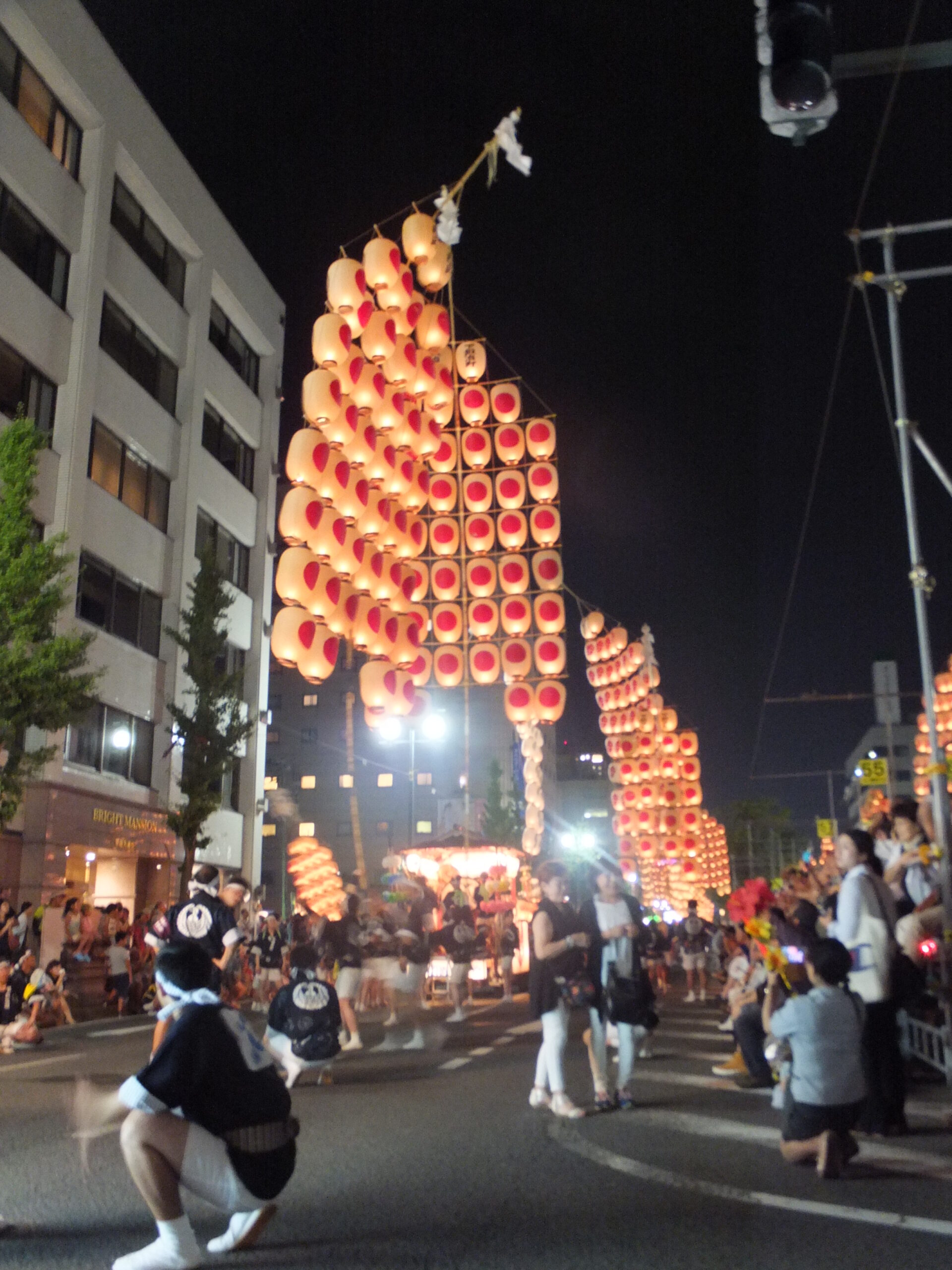
What Makes the Kanto Festival Unlike Any Other Festival in Japan
Japan has thousands of festivals — matsuri — scattered across its calendar. Many are beautiful, many are important, many attract crowds. But the Kanto Festival occupies a category of its own, because what performers are doing with those bamboo poles is genuinely extraordinary by any objective measure.
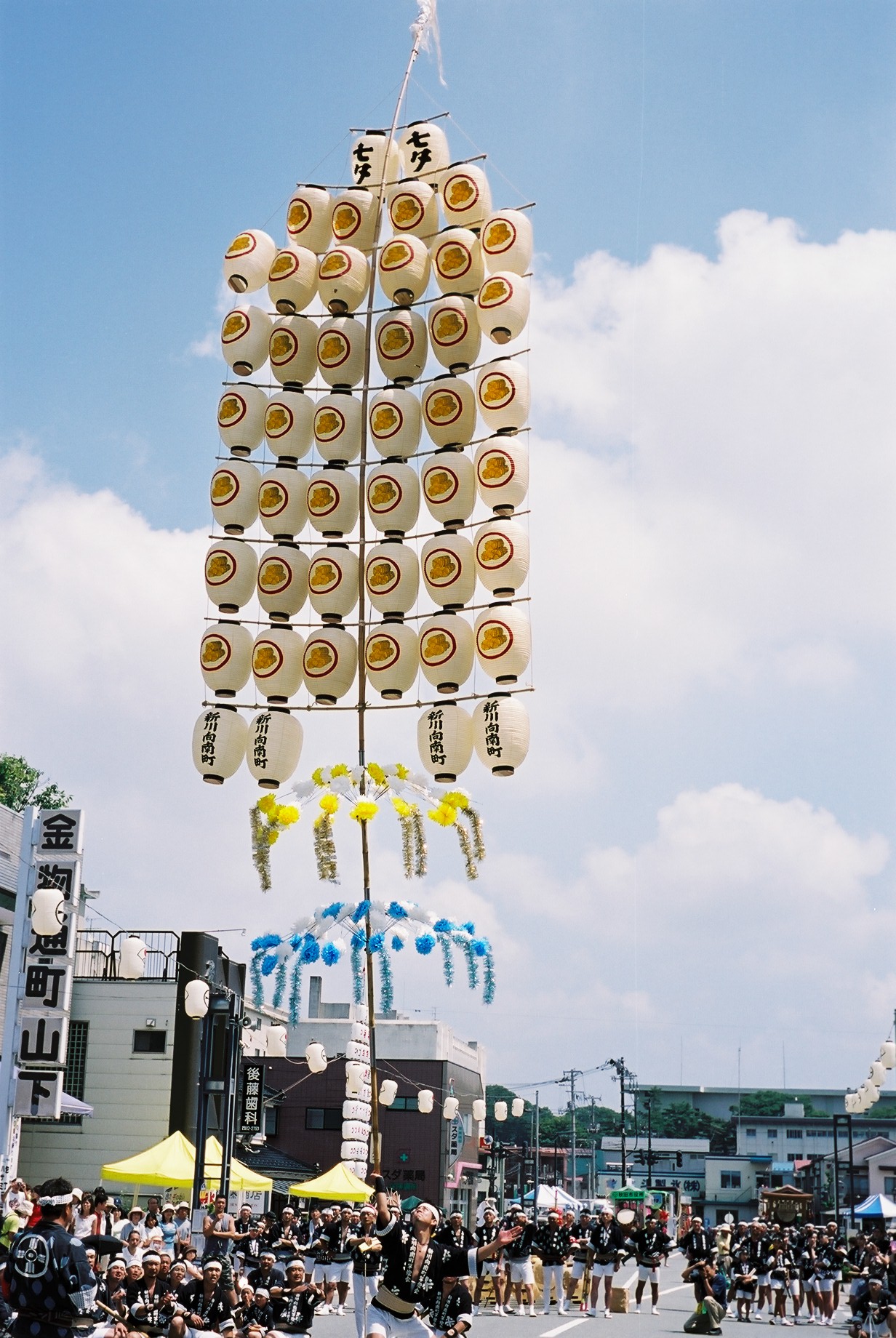
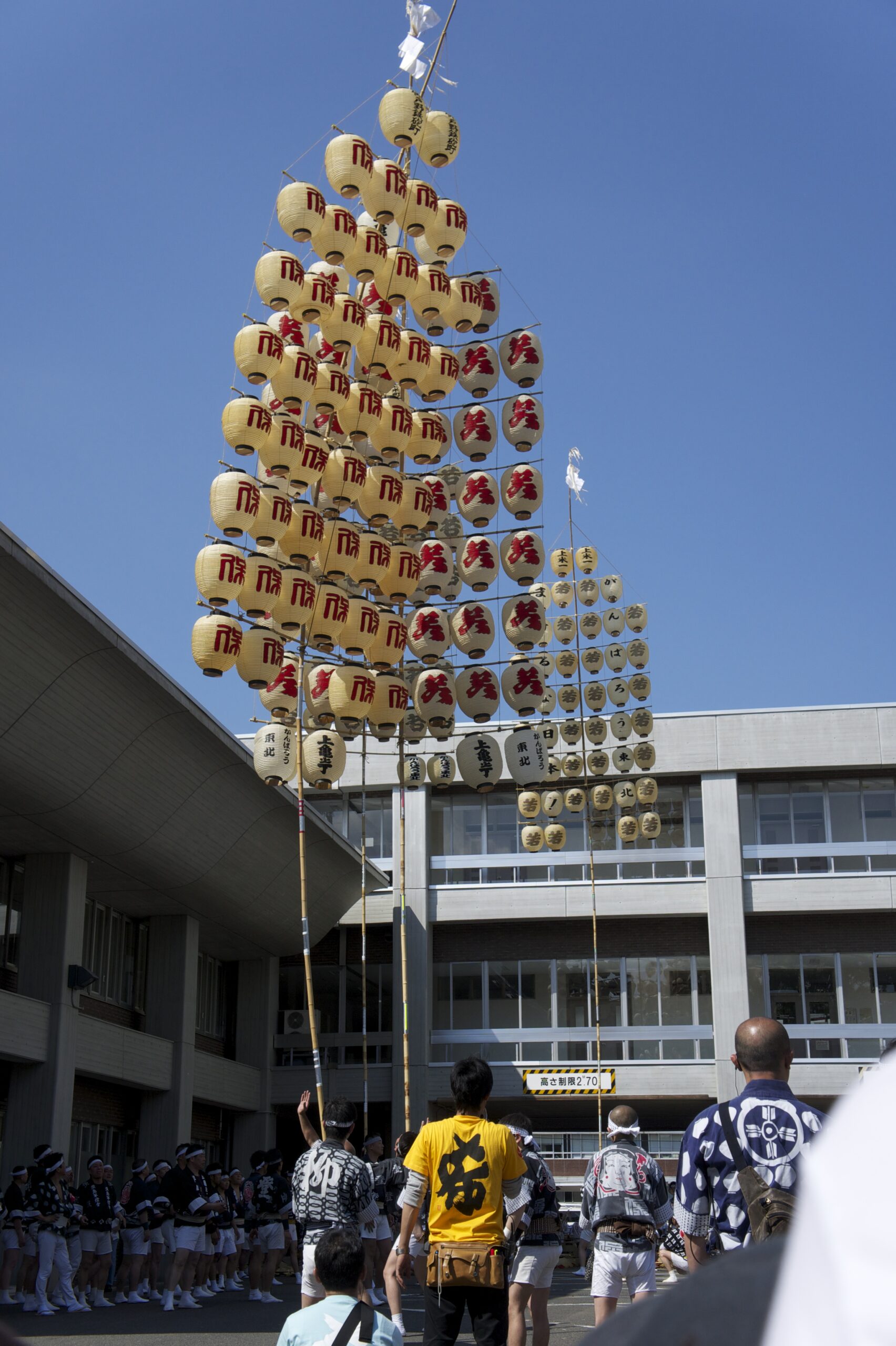
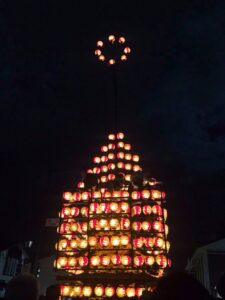
A full-size kanto consists of a bamboo pole about 12 meters (40 feet) tall, with nine horizontal cross-bars. From those bars hang 46 paper lanterns, each one housing a lit candle. The whole rig weighs approximately 50 kilograms (110 pounds). Performers balance this swaying tower of light on their foreheads, their chins, their shoulders, and their lower backs, shifting from one contact point to another in a choreographed sequence while walking slowly down the avenue. A single mistake sends 46 lit candles scattering across the street.
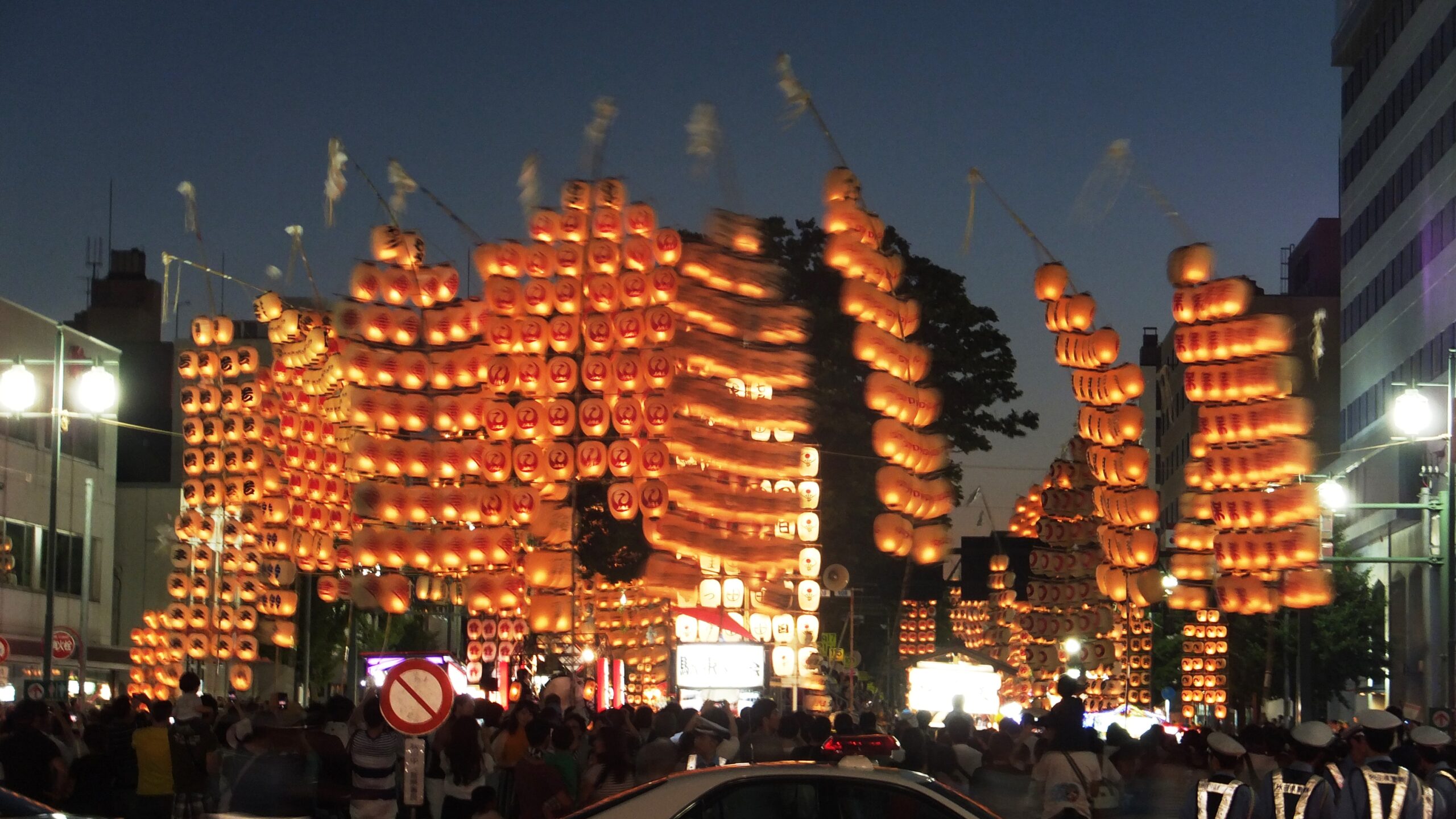
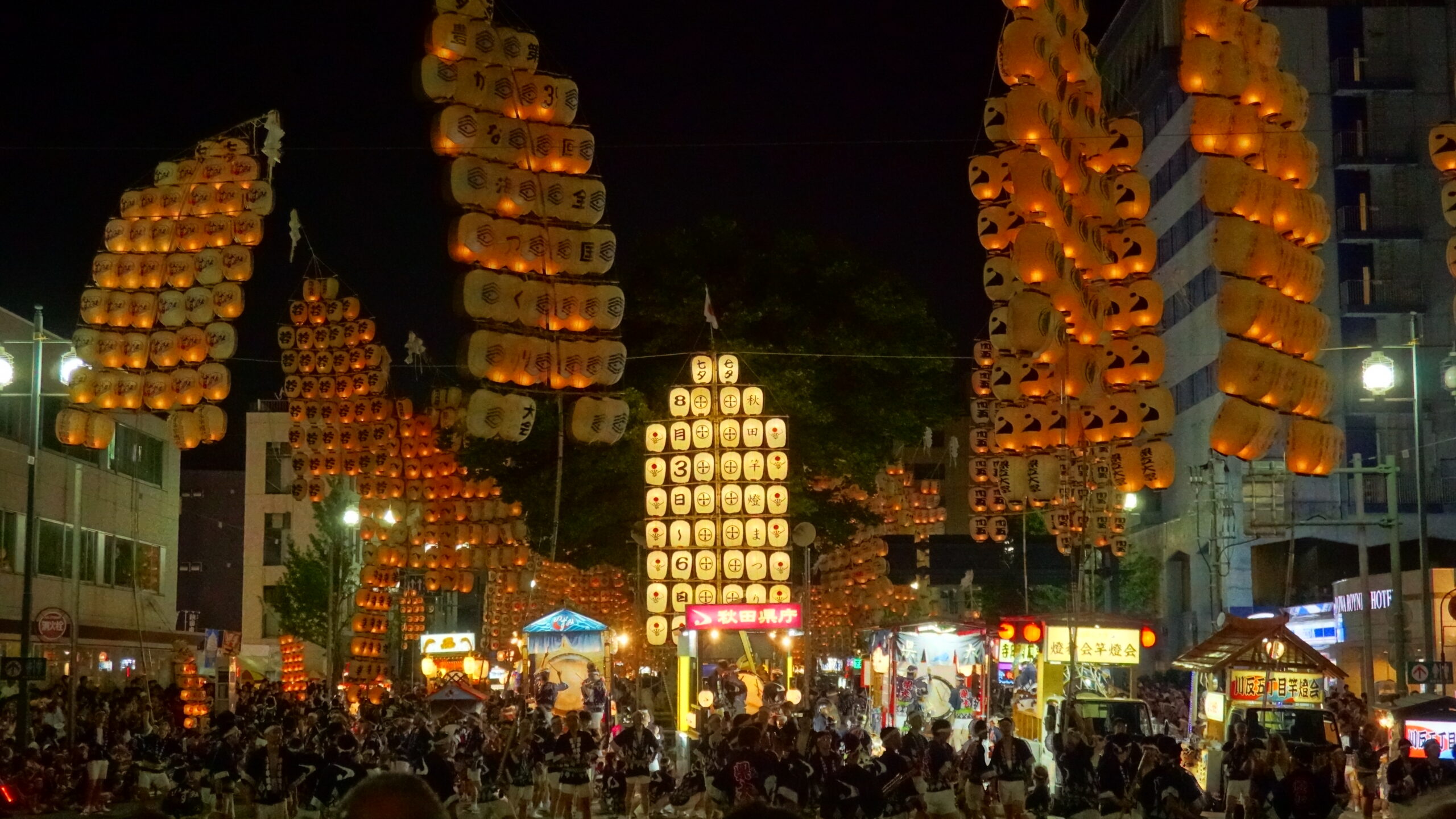
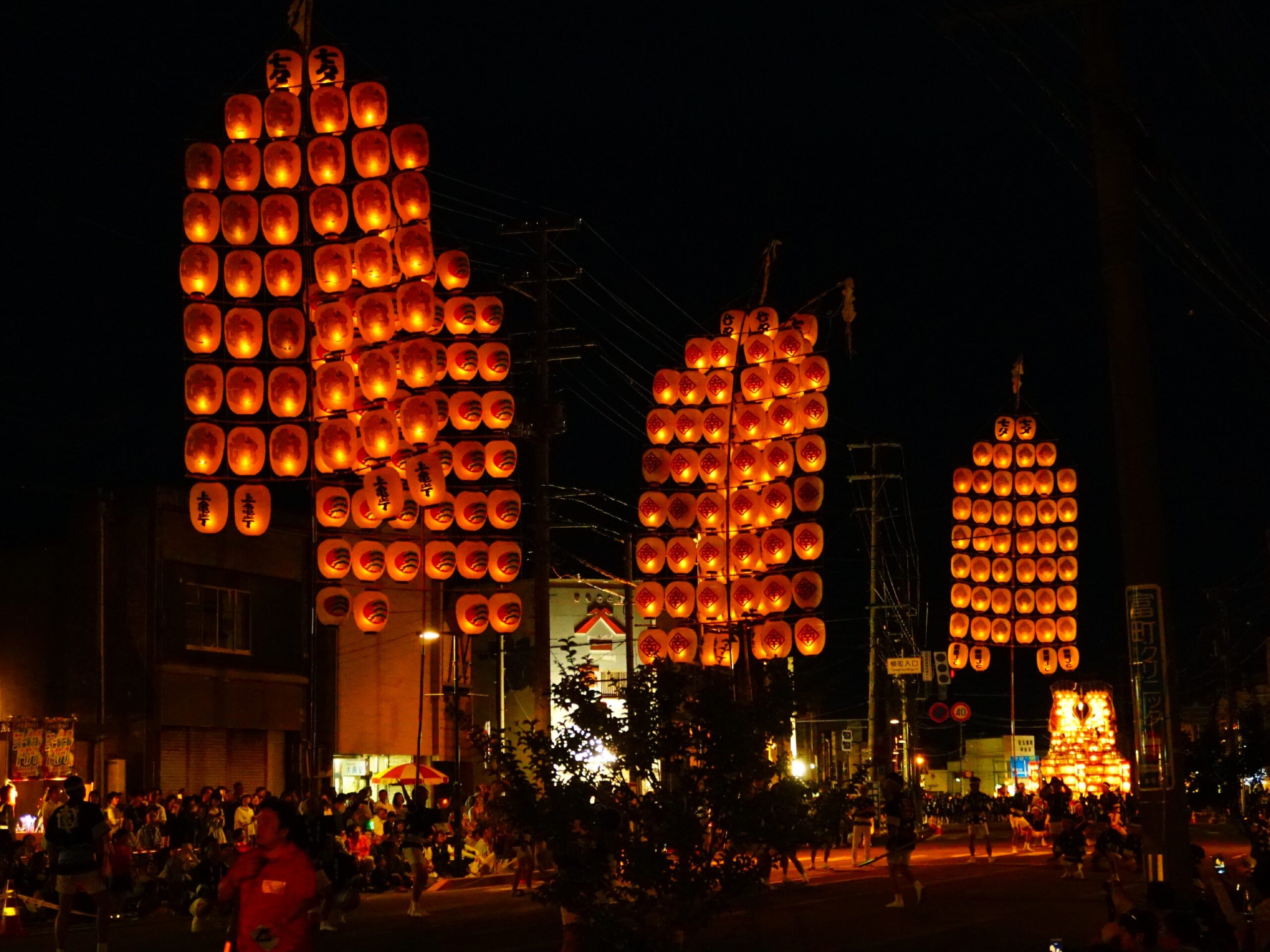
There are four sizes of kanto: the full-size “hon-kanto,” the “chuukanto,” the “kozakanto,” and the smallest “tarukanto.” During the evening parade, dozens of teams from different neighborhoods compete simultaneously, each team’s kanto swaying and dipping as performers swap their balance points in well-drilled sequences. The sight of 200 or more kanto raised simultaneously against the night sky is, quite simply, one of the most beautiful things you will ever see in Japan.
The History Behind the Lanterns
The Kanto Festival’s origins lie in the O-Bon period — the Buddhist festival of the dead, observed throughout Japan in mid-August. Akita’s version, called “Neburi Nagashi” (casting away drowsiness), was originally a ritual to ward off illness, pray for a good harvest, and purify people for the second half of summer.
The earliest written records of kanto-style lantern balancing in Akita date to the 1700s. Over subsequent generations, the pole sizes grew, the number of lanterns multiplied, and what began as a folk ritual evolved into a competitive art form. By the Meiji period (1868–1912), the festival had taken essentially its current form, with neighborhood guilds (chokai) competing to display the most impressive kanto technique.
Today, the Kanto Festival is designated as an Important Intangible Folk Cultural Property of Japan — the highest level of official recognition for a traditional performing art. The techniques of kanto making and balancing are passed down within families and neighborhood associations, with children beginning their training as young as three years old on scaled-down versions of the pole.
Festival Schedule: When and Where
The Akita Kanto Festival runs annually from August 3rd through August 6th. The event unfolds in two distinct parts each day: the daytime “Taiiku-kan Event” (skill demonstrations) and the evening parade.
Daytime Events (9:00 AM – 4:00 PM): Head to the Akita City Athletic Center for the daytime competitions. Here, performers from different neighborhood groups compete in technique, and — crucially — spectators can try balancing a kanto themselves. The practice kanto are sized for beginners, but you’ll be amazed at how immediately challenging even the smallest version is to balance. This is one of the best hands-on cultural experiences at any Japanese festival, and it doesn’t require a reservation.
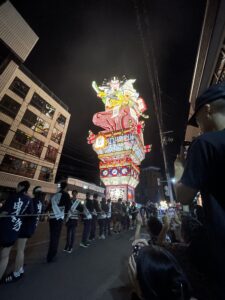
Evening Parade (7:00 PM – 9:00 PM): The main event. Hundreds of performers gather on Kanto-Odori Avenue, the wide central street running through downtown Akita, and simultaneously raise their kanto as darkness falls. The effect — hundreds of golden lanterns rising against the indigo sky, swaying and dipping as their carriers shift balance — is genuinely breathtaking. The best viewing areas fill up by 6:30 PM; arrive at 6:00 PM to secure a front-row spot.
On the final day (August 6th), the Akita Castle Ruins grounds host an outdoor ceremony where kanto teams perform in traditional costumes to drum and flute accompaniment — a more intimate, ceremonial version that many visitors prefer to the main parade.
How to Get to Akita for the Festival
Akita is the prefectural capital and easily accessible by shinkansen:
- From Tokyo: Akita Shinkansen “Komachi” service, direct from Tokyo Station. Journey time: approximately 4 hours. Cost: ¥18,000–¥20,000 ($120–$135) one-way standard class. JR Pass fully covers this route.
- From Sendai: JR Shinkansen to Morioka, then Akita Shinkansen, approximately 2 hours total. Cost: ~¥8,000 ($55). Alternatively, a direct highway bus takes about 4 hours for ¥3,500 ($24).
- From Aomori: JR Limited Express “Tsugaru” to Akita, approximately 2 hours 20 minutes. Cost: ~¥5,500 ($37).
- By air: Akita Airport has connections from Tokyo Haneda (ANA and JAL, ~55 minutes) and Osaka. Airport buses connect to the city center in about 40 minutes (¥920 / $6).
Festival crowds make the final evening (August 6th) particularly chaotic for transportation. If possible, plan to leave on the morning of August 7th rather than the night of the 6th.
Beyond the Festival: Exploring Akita City
Akita City deserves at least half a day of exploration beyond the festival. The Senshu Park area, centered on the remains of Kubota Castle, offers peaceful walking paths between ponds and gardens and fine views over the city. The park is particularly gorgeous in cherry blossom season (late April) and autumn foliage (late October), but it’s pleasant year-round.
Near the park, the Akita Museum of Art houses a magnificent collection including the extraordinary Akita Ranga school — 18th-century painters who uniquely blended Western oil painting techniques with Japanese artistic traditions, producing works that look like nothing else in the history of Japanese art. The museum building, by architect Tadao Ando, is itself worth visiting for its dramatic concrete-and-light interior.
The Atorion building in central Akita houses both a concert hall and the Kanto Festival Center, where a permanent exhibition explains the history and craft of kanto making. Even outside festival season, you can see full-size kanto on display here, and the explanatory panels do an excellent job of conveying the skill and community organization behind the event.
Akita’s Extraordinary Food Culture
Akita Prefecture is one of Japan’s premier rice-growing regions, and the quality of the local rice directly shapes the prefecture’s greatest culinary treasures. Even if you’re not a rice enthusiast, you’ll likely become one after eating in Akita.
Kiritanpo Nabe
Akita’s most iconic dish is kiritanpo nabe — a hot pot built around kiritanpo, which are cylinders of pounded rice wrapped around cedar skewers and grilled over charcoal until the outside is crispy and fragrant. The kiritanpo go into a broth made with Hinai-jidori chicken (a heritage breed considered one of Japan’s three finest chickens), maitake mushrooms, burdock root, and green onions. The result is deeply savory and warming. A kiritanpo nabe course dinner at a proper restaurant costs ¥4,000–¥6,000 ($27–$41) per person.
Inaniwa Udon
Akita’s great noodle is inaniwa udon — hand-pulled noodles that are thinner, smoother, and silkier than any other udon variety in Japan. The noodles are pulled and dried seven times over several days; the result is a noodle with an almost translucent appearance and a texture that slides down like satin. Inaniwa udon is typically served cold in summer (as a zaru-style dish with dipping sauce) and hot in winter. A proper bowl costs ¥1,200–¥1,800 ($8–$12).
Shottsuru: Akita’s Fish Sauce
If you want to experience Akita’s most prized ingredient, seek out dishes made with shottsuru — a fish sauce produced from salted sandfish (hatahata) aged in barrels for up to three years. Shottsuru amplifies umami in every dish it touches. Shottsuru nabe, shottsuru yakisoba, and shottsuru-marinated grilled hatahata fish are all worth trying. The distinctive deep, oceanic flavor is genuinely unlike anything you’ll taste elsewhere.
Akita Sake: The Rice Wine Capital
Akita’s pure snowmelt water and exceptional rice make it one of Japan’s premier sake-producing prefectures, with over 40 active breweries. The prefecture has developed its own distinctive sake style: clean, slightly sweet, with a delicate floral character — what sake experts often call “feminine” (junmaigin-style brewing dominates).
During festival week, every izakaya and restaurant will have a curated selection of local Akita sake. Look for bottles from Kariho Brewery, Dewatsuru, or Takashimizu. The smaller artisanal producers are where the real excitement is. A 180ml serving of premium junmai daiginjo sake costs ¥800–¥1,500 ($5.50–$10) in most restaurants.
Where to Eat in Akita
Yamamoto-ya Honten
The classic destination for kiritanpo nabe in Akita City, housed in a beautiful old wooden building near Senshu Park. Set courses from ¥4,500 ($31). Reservations recommended during festival week.
Inaniwa Udon Sato
One of the best places to eat inaniwa udon in the city, with both hot and cold preparations and a friendly English-language menu. Near the castle park. From ¥1,200 ($8).
Toriya Izakaya
A lively izakaya near the festival area serving Hinai-jidori chicken dishes, local sake, and all the Akita classics. Popular with locals during festival week — arrive by 7 PM to get a seat. Around ¥3,000–¥4,000 ($20–$27) per person with drinks.
Where to Stay in Akita
Budget (Under ¥8,000 / $55 per night)
Guest House Akita — Run by a welcoming local family, excellent JR station access, from ¥4,500 ($31) per person in a dormitory. Akita Hostel — Clean, modern, central, from ¥5,500 ($37) private room.
Mid-Range (¥8,000–¥20,000 / $55–$135)
Dormy Inn Akita — Reliable chain with an in-house public bath and comfortable rooms. From ¥9,000 ($62). Metropolitan Hotel Akita — Connected directly to JR Akita Station, spacious rooms, exceptional breakfast. From ¥12,000 ($82).
Luxury (¥20,000+ / $135+)
Hotel Pearl City Akita — Akita’s most polished hotel, on Kanto-Odori Avenue at the center of the parade route. From ¥22,000 ($150) during festival week. Book 6 months in advance.
Critical booking note: During the Kanto Festival (August 3–6), hotel prices in Akita roughly double, and many properties sell out 6–12 months in advance. Booking the previous autumn is not an exaggeration — it is a necessity.
Practical Tips for Attending the Kanto Festival
- Arrive early for the evening parade. Kanto-Odori Avenue fills up fast. Claim your spot by 6:00–6:30 PM for the 7:00 PM start. The viewing area near the Atorion building offers particularly good perspectives.
- Try the daytime events first. The daytime gymnasium events (9 AM–4 PM) are less crowded than the evening parade, and you can try balancing a kanto yourself — don’t skip this.
- Dress for humidity. Early August in Akita is warm (25–30°C / 77–86°F) and can be humid. Light clothing and a small towel are essential. Bring an umbrella — afternoon thunderstorms are common.
- The festival is free. No tickets required for the evening parade or daytime events. Budget ¥2,000–¥3,000 ($14–$20) per person for festival snacks and drinks.
- Photography tips: A fast lens (f/1.8 or wider) at ISO 1600–3200 handles the low light. A monopod helps for panning shots. From the front rows, 85mm equivalent works well for close-ups; 200mm+ helps compress rows of kanto from further back.
- Combine with other Tohoku festivals. Kanto runs August 3–6; Sendai Tanabata runs August 6–8, two hours south by shinkansen. Attending both in a single trip is one of Japan’s great summer festival experiences.
- Consider the Tohoku Rokkonsai Festival in Sendai each August — a sampler where all six Tohoku prefectures’ iconic festivals are gathered into one two-day celebration.
- Cash is essential at street stalls. Festival food stalls are cash-only. Keep ¥5,000–¥10,000 in small notes for easy purchases.
Sample 3-Day Akita Festival Itinerary
Day 1 — Arrive, Explore the City
Morning/afternoon: Arrive by shinkansen. Senshu Park and Kubota Castle ruins (free). Akita Museum of Art (¥310 / $2). Late afternoon: Kanto Festival Center at Atorion building. Evening: First night parade on Kanto-Odori Avenue (7–9 PM). Kiritanpo nabe dinner.
Day 2 — Full Festival Day
Morning: Daytime events at the city gymnasium (9 AM–4 PM) — try kanto balancing. Afternoon: Inaniwa udon lunch; explore old merchant district and shottsuru shops. Evening: Second night parade from a different viewing position. Late evening: Sake bar and local izakaya exploration.
Day 3 — Day Trip to Kakunodate, Depart
Morning: Day trip to Kakunodate samurai town (45 min by JR train). Afternoon: Return to Akita for the final daytime ceremony at the castle ruins (August 6 only). Evening: Shinkansen south toward Sendai, Morioka, or back to Tokyo.
Related Articles You Might Enjoy
- Omagari Fireworks Festival Akita Japan: The Ultimate Guide for Foreigners
- Nishimonai Bon Odori, Akita: Japan’s Most Mysterious Summer Festival — Complete Guide
- Nishimonai Bon Odori, Akita: Japan’s Most Mysterious Summer Festival — Complete Guide
- Kakunodate Samurai District: Your Complete Akita Japan Travel Guide
Final Thoughts
The Akita Kanto Festival is one of those travel experiences that you’ll be describing to people for years afterward, and that you’ll find genuinely difficult to describe in a way that conveys how beautiful it actually is. Photographs help — but they don’t capture the hush that falls over the crowd as 200 kanto rise simultaneously, or the collective intake of breath when a performer switches from shoulder to chin balance mid-sway, or the satisfying thump and cascade of lanterns when one occasionally falls.
If you’re building a summer itinerary in Japan and want a festival experience that goes beyond the crowded streets of Kyoto’s events, Akita’s Kanto Festival is the answer. It’s the real thing: an ancient ritual, a virtuoso performance art, and a community celebration all in one golden, swaying, impossible light show.
Got questions about planning your Akita trip or attending the Kanto Festival? We’d love to hear from you — drop us a message here.

コメント