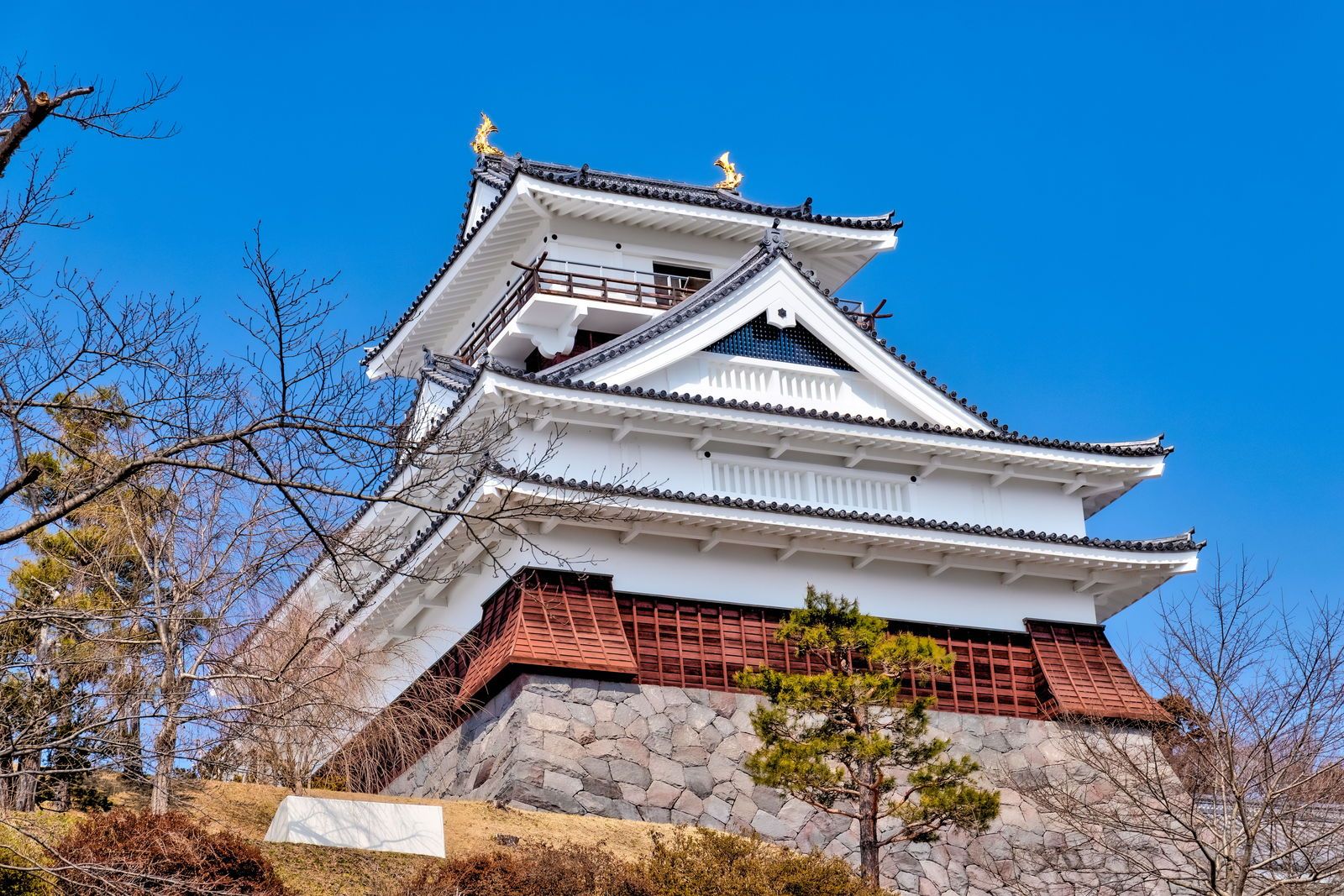
A castle on the hill, steam rising from the streets below, vineyard rows stretching across the valley, and a festival in February where townsfolk drench performers in icy water for good luck — welcome to Kaminoyama Onsen, one of Yamagata’s most underrated destinations. Just 15 minutes by train from Yamagata City, this hot spring town has been a favorite retreat of Japanese travelers for over 500 years, yet it remains almost unknown to foreign visitors. That’s an opportunity you should take.
Why Kaminoyama Onsen Belongs on Your Tohoku Itinerary
Yamagata Prefecture has no shortage of famous onsen towns — Ginzan, with its romantic Taisho-era wooden inns, attracts visitors from around the world, while Zao Onsen draws skiers and snow monster chasers every winter. But Kaminoyama offers something these more famous destinations don’t: the full package in a single, easily accessible location. Hot springs? Seven source areas bubbling up throughout the town. History? A feudal castle whose grounds offer some of Yamagata’s finest autumn foliage. Local food culture? A booming wine and fruit scene that rivals anything in the Japanese countryside. Unique festivals? A February water-drenching ritual that looks like nothing else in Japan.
And because Kaminoyama sits just 15–20 minutes from Yamagata City by train — and is directly served by the Yamagata Shinkansen — it’s one of the easiest onsen destinations to reach in all of Tohoku. You don’t need to hire a car or squeeze onto a bus. You walk out of the shinkansen station, and the hot spring town is right there.
This is the kind of place that rewards the curious traveler who peels back the surface of a Japan trip to find what’s actually there. Kaminoyama won’t overwhelm you with crowds and tourist infrastructure. Instead, it’ll give you stone-paved alleyways, friendly local bathhouse operators, superb local wine, and a castle view that’s genuinely beautiful — all without the coach tour groups. If you’re spending time in Yamagata, Kaminoyama is not optional. It’s essential.
Getting There: How to Reach Kaminoyama Onsen
One of Kaminoyama’s greatest advantages is its accessibility. The town is served directly by the Yamagata Shinkansen (officially the Yamagata Line mini-shinkansen), which runs from Tokyo through Fukushima and Yamagata City before continuing north toward Shinjo.
- From Tokyo (direct Shinkansen): Take the Tsubasa or Toreiyu Tsubasa shinkansen from Tokyo Station directly to Kaminoyama-Onsen Station. Journey time is approximately 2 hours 45 minutes to 3 hours. Fares typically run ¥13,000–¥15,000 ($90–$105) one way without a rail pass. This is the simplest option — no transfers.
- From Yamagata City: Local Yamagata Line trains run frequently between Yamagata Station and Kaminoyama-Onsen Station, taking just 15–20 minutes. Fares are ¥240 ($1.65) — making this a very easy day trip or overnight add-on to a Yamagata City visit.
- From Sendai: Take the Yamagata Shinkansen from Sendai Station (about 30–40 minutes, ¥3,640 / ~$25). Alternatively, take a regular train to Yamagata and change there — slower but cheaper.
- By car from Yamagata City: About 20 minutes via National Route 13. Driving is convenient if you plan to combine Kaminoyama with nearby Zao Onsen or the Tendo area.
JR Pass note: The Yamagata Shinkansen and local Yamagata Line services are covered by the JR Pass. Kaminoyama is one of the most JR Pass-friendly onsen destinations in Tohoku — no supplements required on most trains.
Kaminoyama-Onsen Station itself is a compact, well-maintained station with a small tourist information desk (staffed during peak seasons). The main hot spring district is a short walk from either the east or west exit, and all major ryokan can arrange luggage transport if you arrive by train.
Kaminoyama Castle: History and Views
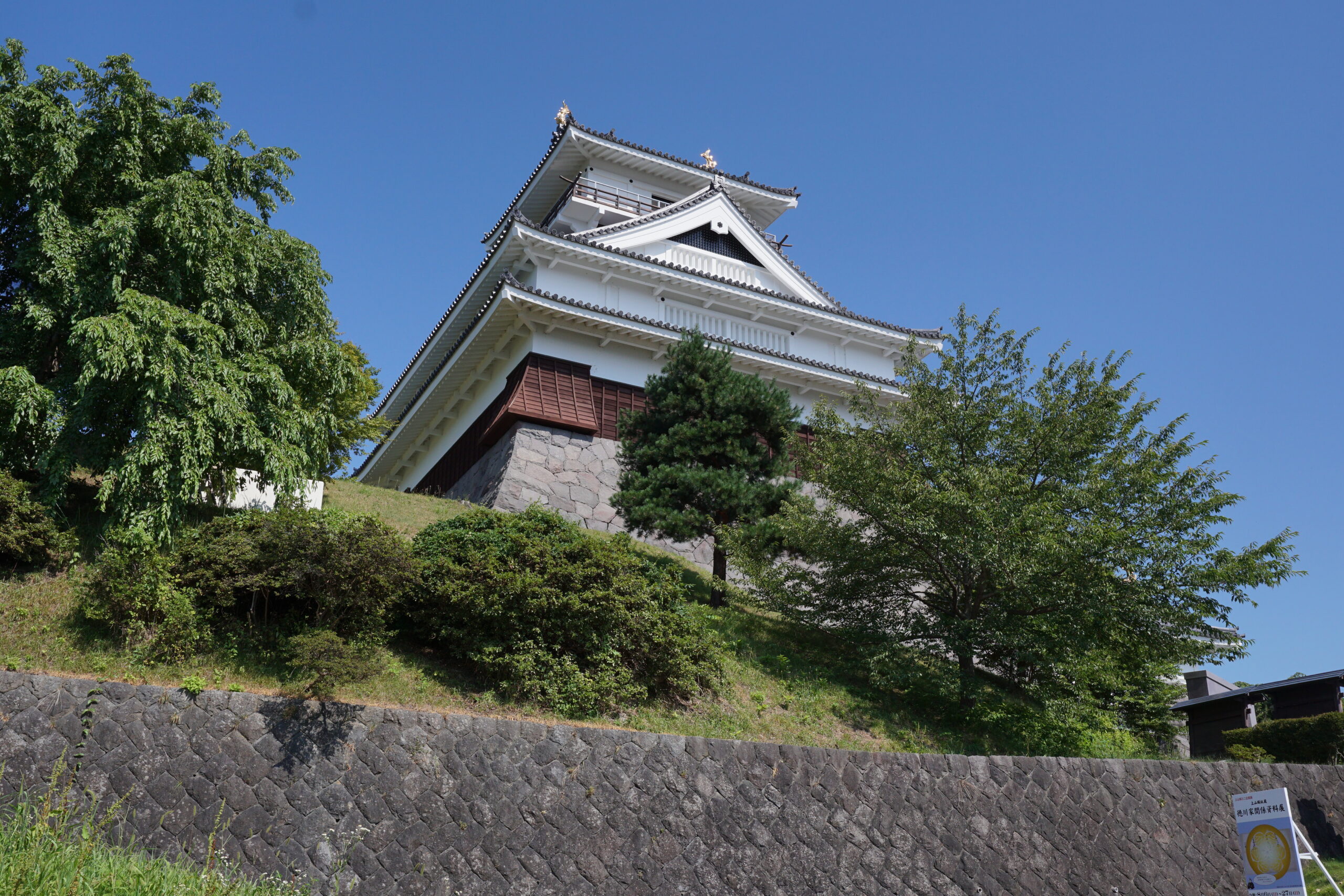
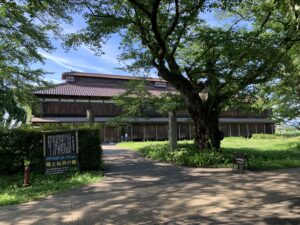
Rising above the town on a low hill is Kaminoyama Castle (上山城), also known locally as Tsurugajo (not to be confused with the more famous Tsurugajo in Aizuwakamatsu, Fukushima). The original castle was built in the mid-15th century by the Takadate clan and later became an important strategic fortification in the complex power struggles of the Sengoku period (the Warring States era that consumed Japan from the mid-15th to early 17th centuries).
The castle changed hands repeatedly over the centuries before being demolished in the early Meiji period, when the new government stripped feudal lords of their domains. The current white-walled keep is a reinforced concrete reconstruction completed in 1982, which now functions as a museum dedicated to the castle’s history, local samurai culture, and Kaminoyama’s development as a hot spring town.
The museum itself is compact but interesting, with exhibits on the successive lords who controlled the castle and displays of samurai armor, weapons, and everyday Edo-period life in the town below. For most foreign visitors, however, the real reason to climb to the castle is the view. From the keep’s upper floors, you look out over the entire Yamagata basin — the city spread below, rice fields and orchards stretching into the distance, and the jagged profile of the Ou Mountains forming the eastern horizon. On clear days in autumn, when the surrounding ginkgo and zelkova trees turn gold and amber, this is one of the loveliest castle views in all of Tohoku.
Castle admission: ¥400 ($2.75) for adults, ¥200 ($1.40) for children. Open daily 9:00 AM–4:30 PM (last entry 4:00 PM). Closed occasionally for maintenance — check the city’s tourism website before visiting.
Castle grounds: The park surrounding the castle is open freely year-round. Cherry blossoms in spring (usually late April), fireworks in summer, red and gold foliage in autumn — the grounds are beautiful in every season.
The Hot Springs: Kaminoyama Onsen’s Seven Districts
Kaminoyama Onsen’s waters are classified as a sodium-chloride spring (食塩泉), which means the water has a slightly salt-tinged mineral flavor and feels silky on the skin after bathing. The spring water has traditionally been prized for treating muscle pain, fatigue, skin conditions, and poor circulation — claims that generations of Japanese visitors have made, and which the warm, deeply relaxing experience of a long soak does little to dispute.
The town’s hot spring sources are spread across seven distinct bathing districts (源泉地区), each with its own character:
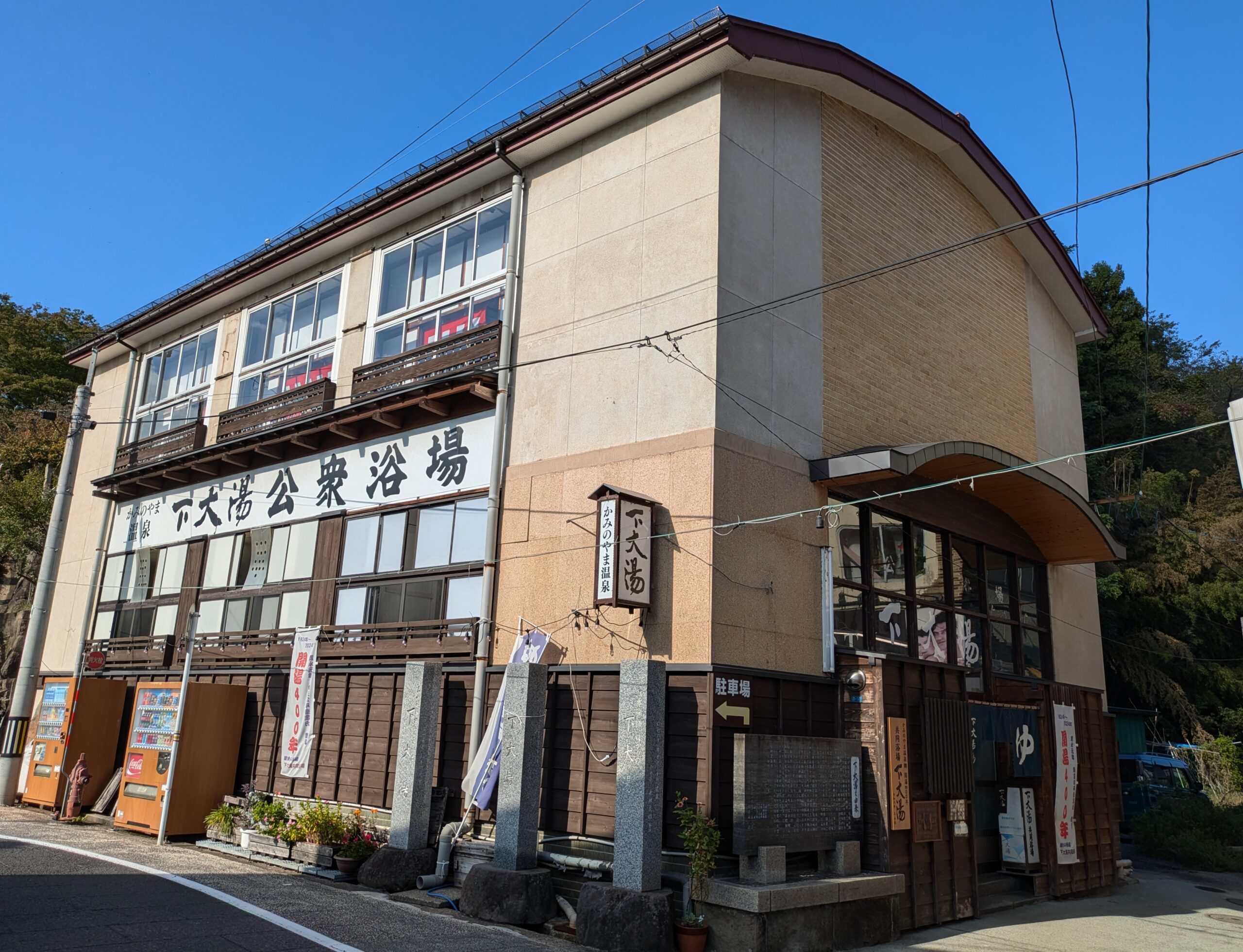
Shimo-Oyu (下大湯) — The Classic Public Bathhouse
The oldest and most atmospheric of Kaminoyama’s public baths, Shimo-Oyu has been serving locals and travelers since the Edo period. The current bathhouse building is a clean, traditional structure with separate men’s and women’s sections, simple wooden changing rooms, and deep tiled baths filled with naturally flowing hot spring water. Entry costs just ¥200 ($1.40) — the cheapest onsen experience you’ll find anywhere in Japan — and the regulars are friendly, even to first-time foreign visitors who walk in looking slightly bewildered. This is authentic, unadorned Japanese bathing culture at its best.
Futsukamachi (二日町) — The Historic Inn District
This area forms the historic heart of the onsen town, with a cluster of traditional ryokan dating from the Taisho and early Showa periods. Walking through Futsukamachi in the early morning, when steam drifts across the narrow streets and elderly locals make their way to the bathhouse in their yukata, feels like stepping back 80 years. Several of the ryokan here are open to day visitors (日帰り入浴) for ¥500–¥800 ($3.50–$5.50), giving you access to their private bathing facilities without an overnight stay.
Kawakami (川上) and Higashidai (東台) — Newer Development Areas
These districts have a more modern feel, with larger hotels offering all-you-can-soak day packages (usually ¥1,000–¥2,000 / $7–$14 for 1–2 hours). They’re less atmospheric than Shimo-Oyu or Futsukamachi but generally have better facilities — private baths, rotenburo (outdoor baths), and English-language signage.
The Kasedori Festival: Kaminoyama’s Wildest Winter Event
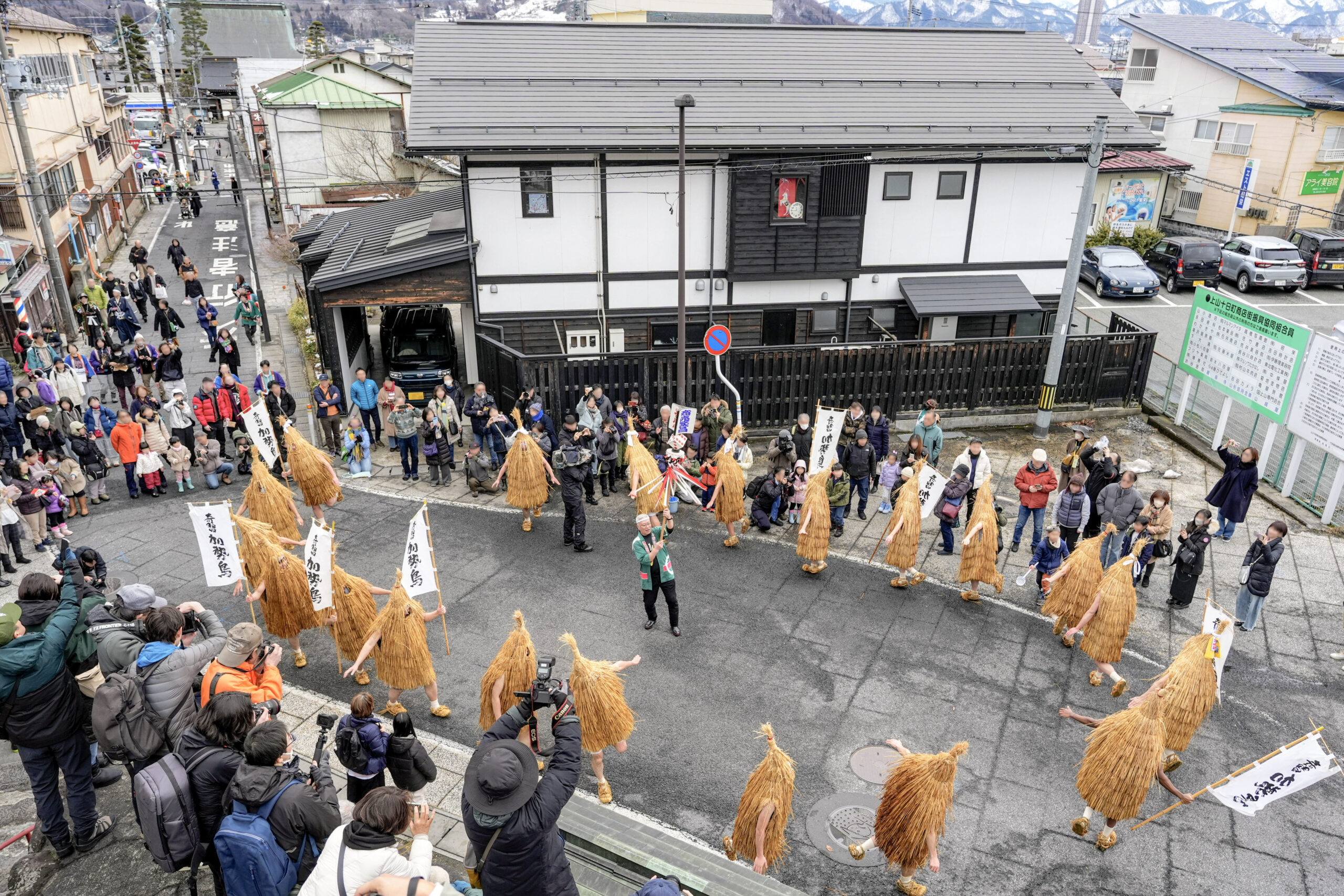
Of all the things that make Kaminoyama special, none is quite as extraordinary as the Kasedori Festival (笠取り祭), held every year on February 11–12. This ancient ritual, which dates back over 400 years, is one of the most unusual and visually spectacular festivals in Tohoku — and almost no foreign tourists know it exists.
The festival centers on a group of performers dressed in elaborate straw costumes that cover them from head to toe, each wearing a distinctive wide conical hat (kasa). These performers — known as the “kasedori” — dance and parade through the hot spring town’s streets to the sound of traditional music, performing rites believed to ward off evil spirits and bring good fortune to the town for the coming year.
The part that astonishes first-time visitors: local residents run out from their doorways with buckets and ladles of water and pour it over the kasedori performers as they pass. This is intentional — soaking the performers is considered an act of purification and good luck, and the performers, despite being drenched in February temperatures that often hover near freezing, are expected to maintain their ceremonial composure. The atmosphere is simultaneously religious, playful, and genuinely chaotic.
The Kasedori is believed to have originated as a festival connected to the tengu and kappa spirits of local folklore, with elements absorbed from Shinto purification rites over the centuries. Whatever its precise origins, the result is one of Tohoku’s most photogenic and unforgettable winter events. Attendance by foreign visitors is rare enough that locals will often invite you to participate, and the festival atmosphere is warm and welcoming.
Kaminoyama Wines and Orchards: The Unexpected Highlight
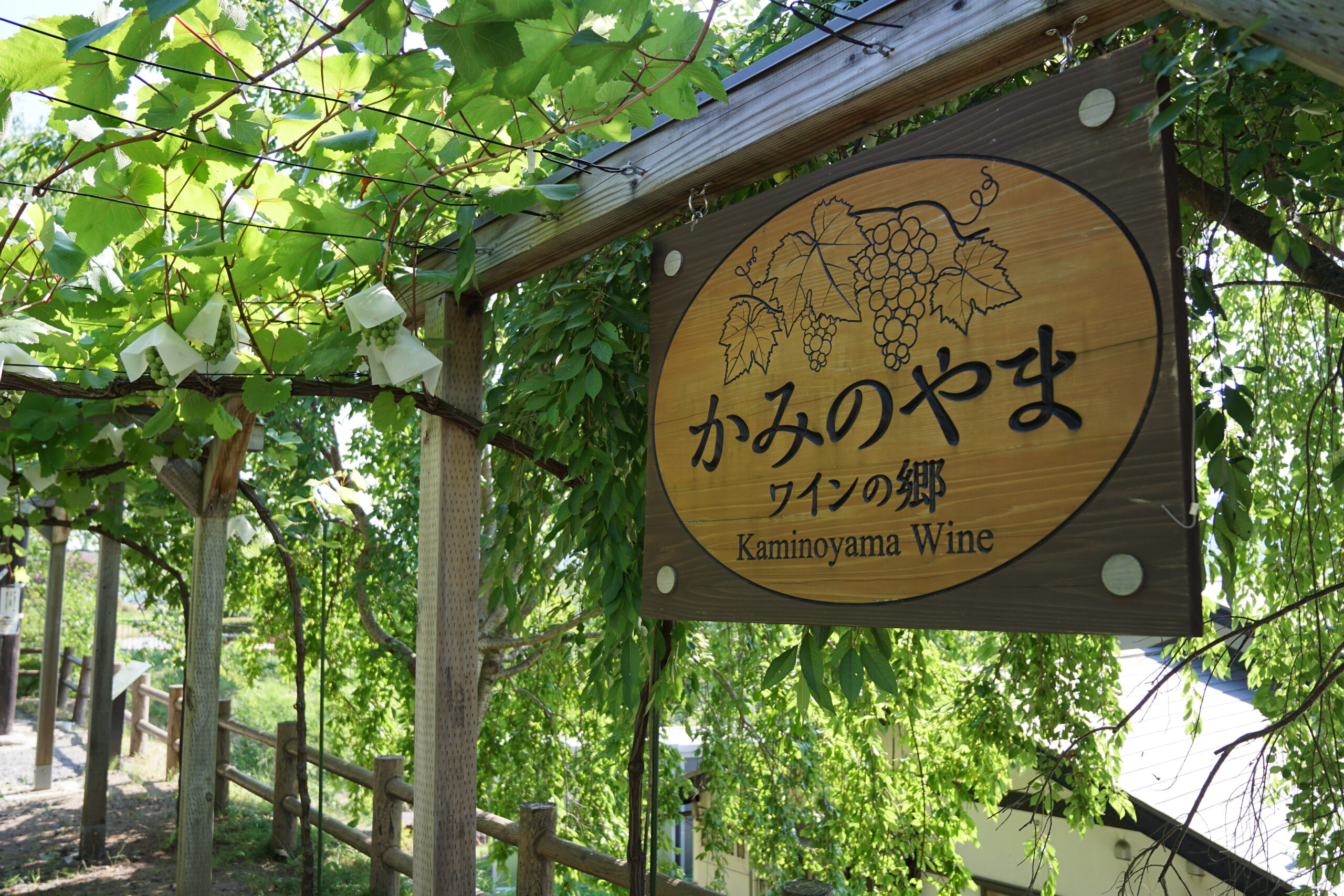
Kaminoyama is part of Yamagata Prefecture’s emerging wine country — an aspect of the town that surprises most visitors and delights those who discover it. The Yamagata basin has a climate particularly suited to viticulture: hot summers, cold winters, and low rainfall during the growing season. Japanese winemaking here has been gaining international attention, with Yamagata wines winning awards at international competitions and appearing on the menus of Tokyo’s top restaurants.
Several wineries operate in and around Kaminoyama, most offering tours and tastings. The most accessible for visitors is Takeda Winery, one of Japan’s oldest and most respected small wine producers, located about 10 minutes by car from Kaminoyama Station. Their Chardonnay and Delaware white wines are particularly well-regarded, and the winery’s tasting room (typically open April–November) offers flights of current releases alongside local cheese and charcuterie. Reservations are recommended and can often be arranged through your ryokan.
Beyond wine, the Kaminoyama area is famous for its fruit orchards — cherries in July, peaches from late July through August, and apples in autumn. The landscape around the town is dotted with family-run orchards that welcome visitors for picking experiences, and roadside stands selling fresh-picked fruit are a constant temptation during the summer and autumn months.
Best Time to Visit Kaminoyama Onsen
- Spring (late April–May): Cherry blossoms at the castle and throughout the town, with the mountains still showing snow on their peaks. Quiet season — good for avoiding crowds.
- Summer (July–August): Cherry fruit picking, peach harvest, full foliage on the castle grounds, and long evenings perfect for outdoor rotenburo soaking. The town can be warm but not uncomfortable.
- Autumn (October–November): Peak season and arguably the best time to visit. The castle grounds turn brilliant gold and red, the orchard trees are heavy with apples, and the air has the crisp clarity that makes this part of Japan feel absolutely magical. Book accommodations well in advance.
- Winter (December–February): Snow blankets the town and the castle grounds, creating a dreamily atmospheric scene. The Kasedori Festival (February 11–12) is the main draw, and soaking in a hot spring while snow falls outside is an experience that defines Japanese winter travel. Cold but incredibly rewarding.
Where to Eat in Kaminoyama
Kaminoyama’s dining scene is compact but high quality, with a strong emphasis on local Yamagata ingredients.
Ryokan Kaiseki (Dinner at Your Inn)
By far the most memorable dining experience in Kaminoyama is a kaiseki dinner at one of the traditional ryokan. These multi-course meals — typically 8–12 courses of seasonal Yamagata produce — showcase local vegetables, mountain greens, river fish, Yonezawa beef from nearby, and seasonal seafood from the Japan Sea coast. Most ryokan include dinner and breakfast in their room rate, and even mid-range properties offer remarkably high-quality food. If you’re going to splurge once on a ryokan dinner experience, Kaminoyama is an excellent place to do it.
Gyokuchouken (玉丁軒)
A beloved local restaurant near the castle serving handmade soba noodles in the Yamagata style. The mountain vegetable soba (sansai soba) and duck soba are both highly recommended. Lunch sets run ¥900–¥1,500 ($6–$10). Open for lunch and early dinner; closed Wednesdays.
Local Izakaya and Sake Bars
Kaminoyama’s small entertainment district near the station has a handful of welcoming izakaya where you can sample Yamagata’s superb sake alongside local grilled dishes. The prefecture is consistently ranked among Japan’s top sake-producing regions, and many bars stock extensive local selections. Don’t be shy about pointing at bottles on the shelf — most bar staff can pour you a taste before you commit to a glass.
Where to Stay in Kaminoyama Onsen
Budget (Under ¥8,000 / $55 per night)
Budget travelers can find clean, simple guesthouses and small minshuku (family-run inns) in Kaminoyama starting from around ¥5,000–¥7,000 ($35–$48) per person per night without meals, or ¥7,000–¥8,000 ($48–$55) with breakfast. These smaller properties often have genuine charm and offer access to in-house hot spring baths. Ask about shared or private rotenburo options when booking.
Mid-Range (¥8,000–¥20,000 / $55–$135)
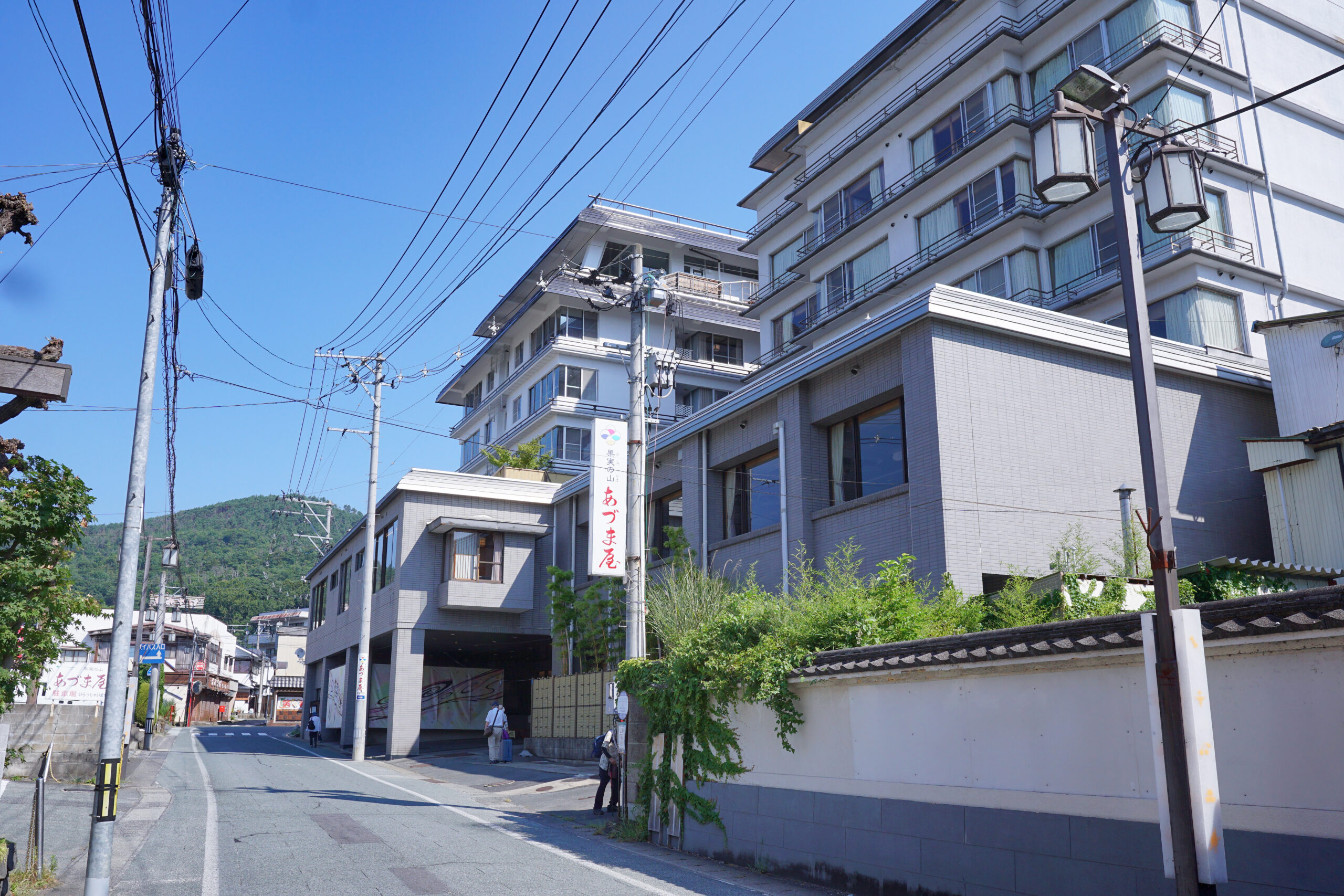
Ichinobo Kaminoyama Onsen Miyamasou is a well-regarded mid-range ryokan with both indoor and outdoor hot spring baths, decent kaiseki meals, and a central location within walking distance of the castle and main onsen district. Rates typically run ¥12,000–¥16,000 ($83–$110) per person per night with dinner and breakfast — excellent value for the quality of food and bathing facilities. The bilingual (Japanese/English) booking process is smooth and they’re used to welcoming foreign guests.
Kaminoyama Grand Hotel Furoya is a larger, Western-style hotel with traditional Japanese bathing facilities, a range of room types, and convenient access to the station. A good choice if you prefer a hotel room to a futon on the floor.
Luxury (¥20,000+ / $135+)
For the ultimate Kaminoyama experience, book a room at one of the historic ryokan in the Futsukamachi district. These properties offer exclusive private outdoor baths, elaborate multi-course kaiseki dinners using Yamagata’s finest seasonal ingredients, and the full traditional ryokan experience — arrival in yukata, tea ceremony in your room, and attentive service throughout your stay. Rates range from ¥25,000–¥45,000 ($170–$310) per person per night with two meals. The experience is genuinely transformative and worth saving for.
Day Trips from Kaminoyama Onsen
Kaminoyama’s location makes it a superb base for exploring some of Yamagata’s best destinations.
- Yamagata City (15 minutes by train): Yamagata’s capital has excellent shopping, great restaurants, and the Yamadera temple complex (a further 20 minutes by train) — one of Tohoku’s most spectacular mountain temple experiences.
- Zao Onsen (30 minutes by car or bus): One of Tohoku’s most famous ski and hot spring resorts, with the famous Zao Okama crater lake and the spectacular winter “snow monsters” (juhyo) ice formations. Easily combined with a Kaminoyama base.
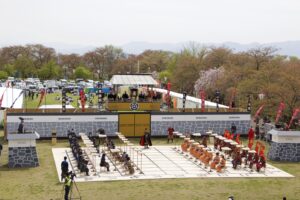
- Tendo (20 minutes by train): Japan’s shogi (Japanese chess) capital, where living chess pieces played by real people parade through the streets in spring. Interesting cultural detour.
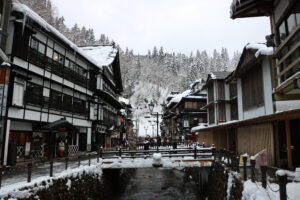
- Ginzan Onsen (60 minutes by bus or car): Tohoku’s most romantic onsen village, famous for its Taisho-era wooden inns lit by gas lamps along a rushing mountain stream. Worth a day trip from Kaminoyama, especially in winter when snow covers the village.
Practical Tips for Visiting Kaminoyama Onsen
- Rent a yukata from your ryokan. Most traditional inns in Kaminoyama will lend or rent yukata (summer kimono) for use within the property and around the town. Walking to the public bathhouse or strolling the evening streets in yukata is a quintessentially Japanese experience — don’t skip it.
- Try at least one public bathhouse (sento). Even if you’re staying at a ryokan with private baths, visit Shimo-Oyu for the cultural experience of bathing alongside locals. Entry is ¥200 ($1.40) and no reservation is needed. Towels can be purchased at the counter for a few hundred yen.
- The town is easily walkable. The main hot spring district, the castle grounds, and the station are all within a 15-minute walk of each other. You don’t need a taxi or bicycle to enjoy most of what Kaminoyama has to offer.
- Book ryokan early for autumn and the Kasedori Festival. October, November, and the February festival weekend fill up months in advance. If you have specific dates in mind, book as early as possible.
- Yamagata sake is world-class. The prefecture has over 40 breweries, and Kaminoyama’s ryokan and restaurants will have excellent local selections. Ask for “junmai daiginjo” (the highest grade of sake) from a Yamagata brewery — you’re unlikely to be disappointed.
- The castle museum has limited English labeling — but the exhibits (samurai armor, castle models, historical maps) are visually self-explanatory, and the views from the top floor need no translation.
- For cherry blossom season (late April), book the castle-view rooms. Several ryokan have rooms with direct views of the illuminated castle during the cherry blossom season. These book out months in advance — plan accordingly.
- IC cards work at the station and major shops. Suica and Pasmo work at station kiosks and most convenience stores, but smaller restaurants and public bathhouses may be cash-only. Keep small bills and coins on hand.
Sample Overnight Itinerary: Kaminoyama Onsen from Tokyo
Day 1
9:00 AM: Depart Tokyo Station on the Tsubasa shinkansen (check NHK or Google for current schedules; multiple services run daily). Sit on the right-hand side of the train for views of the mountains.
12:00–12:30 PM: Arrive Kaminoyama-Onsen Station. Check in at your ryokan and drop your bags (rooms may not be ready yet, but luggage can be stored).
1:00 PM: Lunch at a local soba restaurant near the castle grounds.
2:00 PM: Visit Kaminoyama Castle — explore the museum (allow 30–45 minutes) and then linger on the keep’s viewing platform. In autumn, this is peak foliage territory.
3:30 PM: Walk down to the Shimo-Oyu public bathhouse for a ¥200 soak and a chance to meet locals.
5:00 PM: Return to your ryokan, change into yukata, and begin the kaiseki dinner service (usually starts at 6:00–7:00 PM by arrangement).
9:00 PM: Evening soak in your ryokan’s hot spring bath. The late-night outdoor bath under the stars is the highlight of the Kaminoyama overnight experience.
Day 2
7:00–8:00 AM: Traditional Japanese breakfast at your ryokan — rice, miso, grilled fish, pickles, tamago (egg), and seasonal vegetables. This is the Japanese morning meal at its finest.
9:00 AM: Morning walk through the Futsukamachi district before the day’s visitors arrive. This is the quietest and most atmospheric time to explore the historic inn district.
10:00 AM: Visit Takeda Winery (by car or taxi, 10 minutes) for a tasting of Yamagata wines. Return to town by noon.
12:30 PM: Lunch at a local restaurant, then browse local craft shops for sake, fruit preserves, and regional souvenirs.
2:00 PM: Check out of your ryokan and head to the station for the shinkansen back to Tokyo, arriving around 5:00–5:30 PM.
Related Articles You Might Enjoy
- Ginzan Onsen: Japan’s Most Enchanting Hot Spring Village in Yamagata
- Tohoku Winter Onsen & Ryokan Guide: Hot Springs, Snow & Japanese Inn Culture
- Shinjo Festival, Yamagata: Japan’s UNESCO Float Festival Few Foreigners Ever See
- Higashiyama Onsen, Aizuwakamatsu: Fukushima’s 1,300-Year-Old Samurai Hot Spring Town
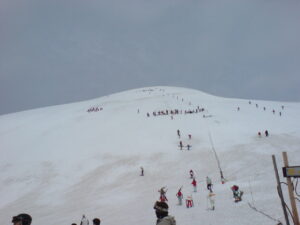
- Gassan Ski Resort, Yamagata: Skiing Into Summer on Japan’s Sacred Mountain
Final Thoughts
Kaminoyama Onsen is exactly the kind of Japanese destination that most foreign travelers never find — not because it’s hard to reach, but because nobody has thought to mention it yet. It’s a complete and deeply satisfying destination: hot springs, history, seasonal scenery, excellent food and wine, and one of Tohoku’s most unusual festivals. It’s also perfectly positioned for combining with Yamagata City, Zao, and Ginzan Onsen into a multi-day Yamagata itinerary that would put almost any Japan trip to shame.
When you’re planning your Tohoku trip and wondering where to soak your feet and slow down for a night or two, remember Kaminoyama. The castle is waiting. The steam is rising. And the sake is poured.
Got questions about planning your Tohoku trip, or spotted something we missed? We’d love to hear from you — drop us a message here.

コメント