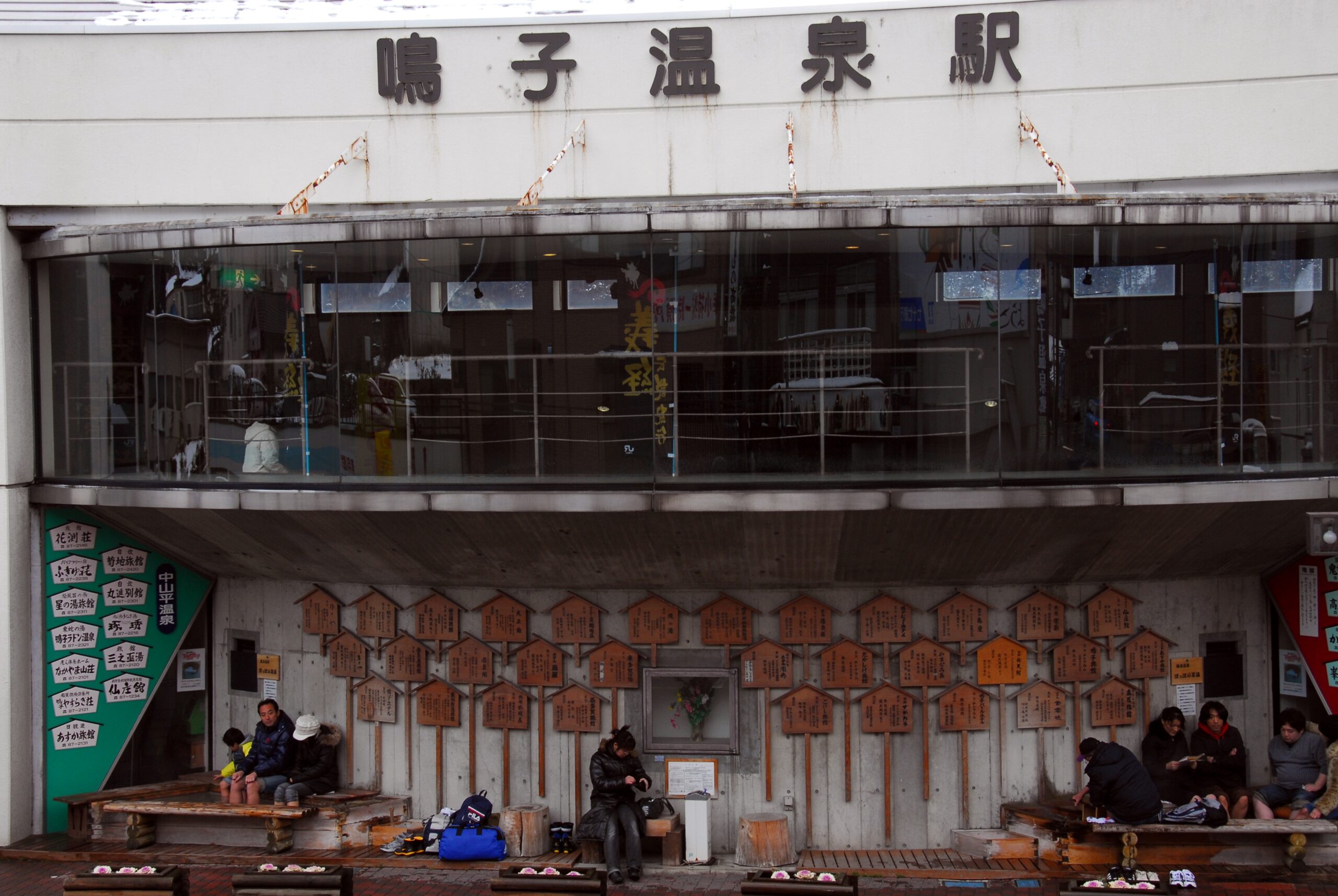
Tucked into a forested valley in the mountains of western Miyagi Prefecture, Naruko Onsen is the kind of place that travel writers desperately want to keep secret. It’s where kokeshi dolls — those simple, cylindrical wooden figures with round painted heads that you’ve seen in every Japan gift shop — were born and are still handcrafted by local artisans. It’s where the water beneath the valley floor bubbles up hot and sulfurous, filling eleven different varieties of hot spring bath. And every October, when the surrounding mountains ignite in scarlet and gold, the Naruko Gorge becomes one of the most photographed autumn foliage scenes in all of Japan. This is Tohoku at its most quietly magnificent.
Why Naruko Onsen Belongs on Your Japan Itinerary
Naruko Onsen is, simply put, one of Japan’s great undiscovered onsen towns for foreign travelers. While Hakone, Beppu, and Kinosaki attract international crowds, Naruko remains largely under the radar — and that is precisely its appeal. You’ll find yourself in an authentic Japanese hot spring community where the rhythms of daily life still revolve around the baths, where artisans still work at their lathes creating kokeshi dolls by hand, and where the innkeepers at your ryokan will treat you like a cherished guest rather than a numbered booking.
The town sits at about 1,240 feet (390 meters) elevation in the Onikobe caldera, a volcanic region that explains the abundance of geothermal activity beneath it. This geology blesses Naruko with something unique in Japan’s onsen world: the highest variety of hot spring water types of any single onsen area in the country. Eleven different types of water have been classified here — from the milky white sulfurous waters of Nakayamadaira to the clear alkaline waters of Higashinaruko and the iron-rich red waters of Kawatabi. Each has its own reputed medicinal benefits, and hopping between the different springs over the course of a stay is one of the great pleasures of any Naruko visit.
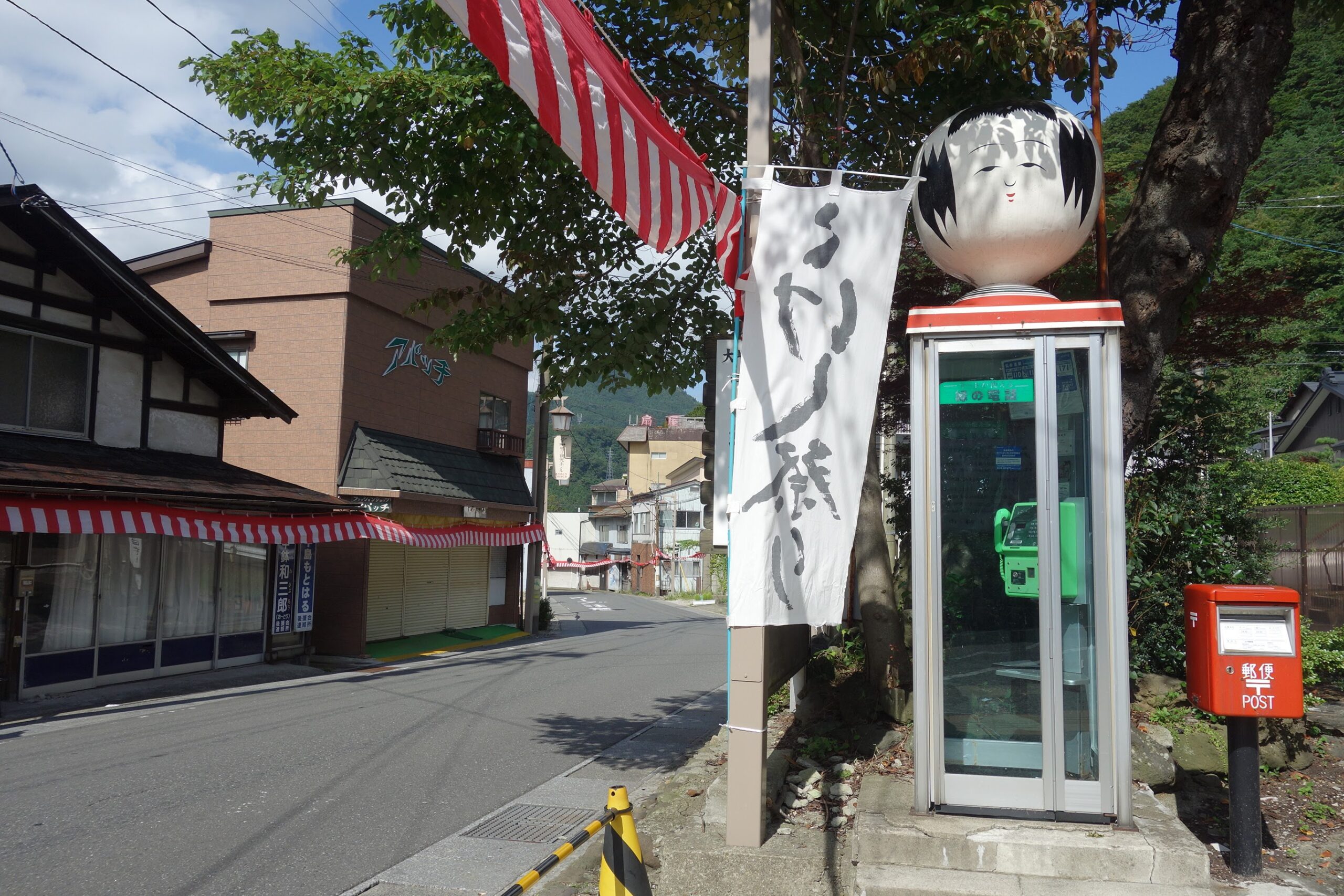
Then there’s the kokeshi doll tradition, which is woven into the DNA of Naruko so deeply that the town has kokeshi-shaped telephone booths, kokeshi-themed everything, and a National Kokeshi Festival that draws artisans and collectors from across Japan every spring. For Western visitors, this provides a wonderful window into a Japanese craft tradition that goes back centuries — and you can take a workshop and make your own kokeshi doll to carry home.
Getting to Naruko Onsen
Naruko Onsen is accessible from both Sendai and Furugawa, making it a manageable addition to any Tohoku itinerary — though it rewards a two or three night stay far more than a day trip.
- From Sendai by train: The JR Rikuu East Line connects Furugawa to Naruko Onsen Station. From Sendai, take the Tohoku Shinkansen to Furugawa (about 20 minutes, ¥1,800 / ~$12), then transfer to the Rikuu East Line to Naruko Onsen Station (about 45–55 minutes, ¥660 / ~$4.50). Total journey: about 75–90 minutes. This route is covered by the JR Pass.
- From Sendai by express bus: Seasonal express buses run from Sendai Station directly to Naruko Onsen, particularly in autumn foliage season (late October to mid-November). Check the Miyagi Transportation website for current schedules. Journey time is approximately 2 hours.
- From Tokyo: Take the Tohoku Shinkansen to Furugawa (about 2 hours, ¥12,000 / ~$80), then the Rikuu East Line to Naruko Onsen (about 50 minutes). Total: roughly 2.5–3 hours from Tokyo Station. JR Pass applicable.
- By car: From Sendai, Naruko Onsen is about 80 km (50 miles) via National Route 47, taking approximately 1.5 hours without traffic. This is a scenic route through mountain valleys and is highly recommended if you plan to explore the surrounding area, including the gorge overlooks that can only be reached by car or taxi.
Once in Naruko Onsen, the central area is compact and walkable. The main street connecting Naruko Onsen Station to the key baths and kokeshi shops is about 1 km (0.6 miles) long. For the gorge and outlying springs, you’ll need a taxi or rental car — the station area has a taxi stand and a small car rental outlet.
Naruko Gorge (Narukokyo): Japan’s Autumn Foliage Masterpiece
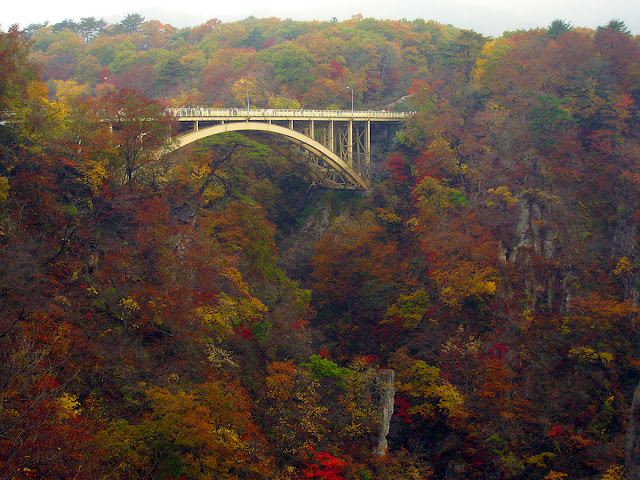
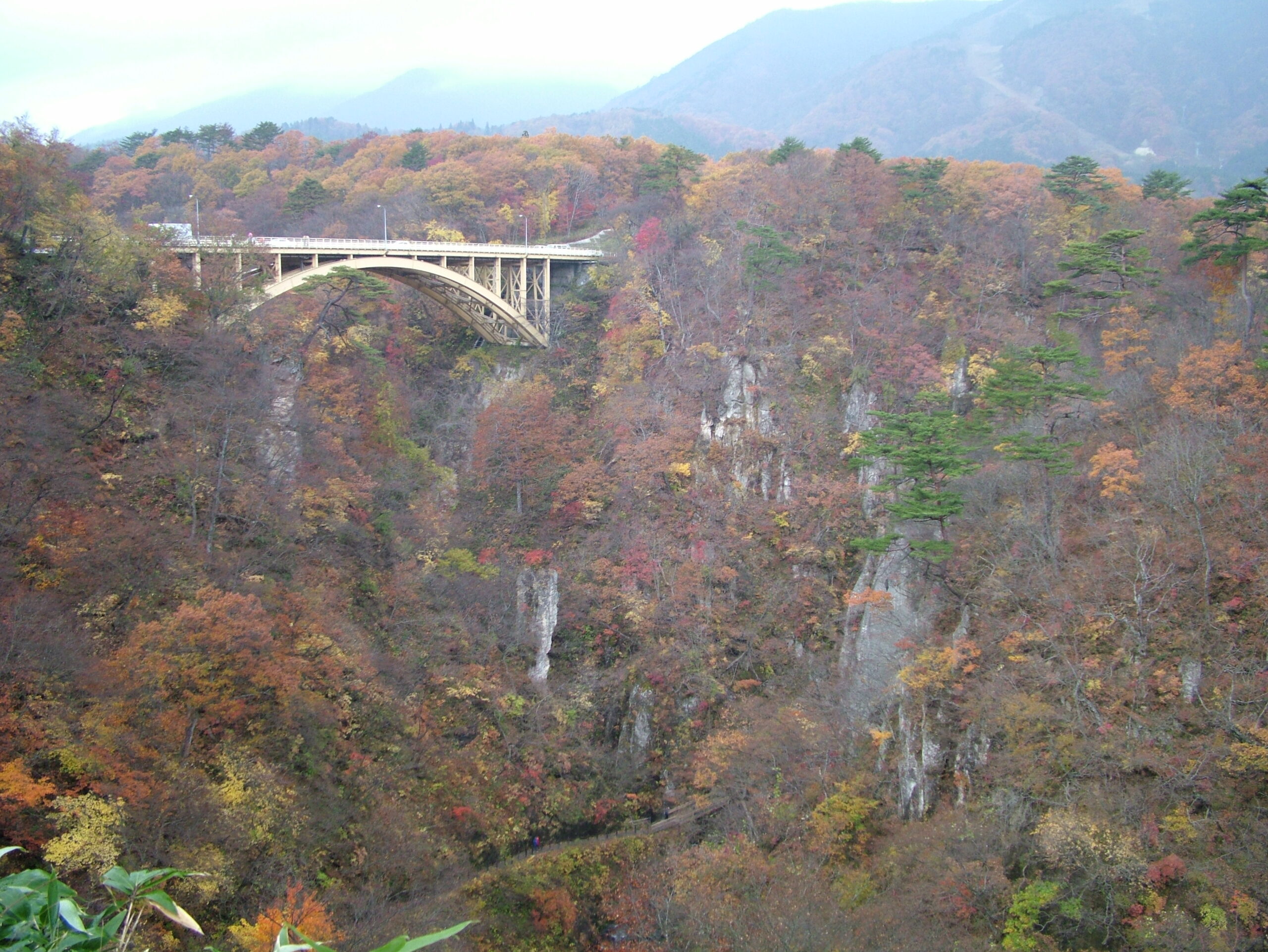
If you visit Naruko Onsen in mid to late October, you will witness something that belongs on any serious list of Japan’s greatest natural spectacles. The Naruko Gorge — a dramatic ravine carved by the Egawa River through layers of volcanic rock — transforms into a cathedral of color as the maple, oak, and beech trees covering its walls make their annual shift from green to crimson, orange, and gold.
The gorge is about 2 km (1.25 miles) long, with walls rising up to 100 meters (330 feet) on either side. The classic view is from the Ofukazawa Bridge, which spans the gorge and provides an elevated perspective over the treetops — on a clear October day, this is genuinely one of the most beautiful things you will see in Japan. The warm reds and yellows stretch as far as the eye can see, punctuated by the dark conifers that stay green throughout the season.
A walking trail runs along the gorge floor beside the river, and you can hike through the foliage at eye level, listening to the water rushing over the rocks and watching the leaves drift down from above. The walk is relatively flat and takes about 45–60 minutes at a leisurely pace. At the end, you can catch a taxi back to town or retrace your steps. Either way, bring a camera with a good amount of storage — you will use it.
The peak foliage window is typically around October 20–November 5, though this varies year to year with temperature. When the foliage is at its peak, the gorge gets crowded — particularly on weekends. Arriving early in the morning (before 9 AM) allows you to experience the colors in relative peace, and the early light is extraordinary. Weekday visits are significantly less crowded than weekends during peak autumn.
The Hot Springs: Bathing in Naruko Onsen
Eleven types of hot spring water. Let that sink in for a moment. Most onsen resorts in Japan are blessed with one type of water, maybe two. Naruko sits atop a geothermal paradise, and its various springs produce waters of dramatically different chemical compositions — each with different colors, smells, temperatures, and purported health benefits.
For the visitor who wants to explore this variety, the best approach is a combination of bathing at your ryokan’s private spring and visiting two or three of the town’s public bath facilities during your stay. Here’s a quick guide to the main areas and their water types:
Naruko Onsen (the main area)
The central village springs produce a milky, cloudy white water with a characteristic sulfurous smell that onsen veterans will recognize immediately. This is sodium bicarbonate and hydrogen sulfide water, with a pH that makes it slightly alkaline and very gentle on the skin. It’s reputed to be excellent for skin conditions, circulation, and fatigue recovery. The water temperature in public baths here typically runs around 100–104°F (38–40°C) — perfect for a long, restorative soak.
Narugo Taki no Yu (Waterfall Bath)
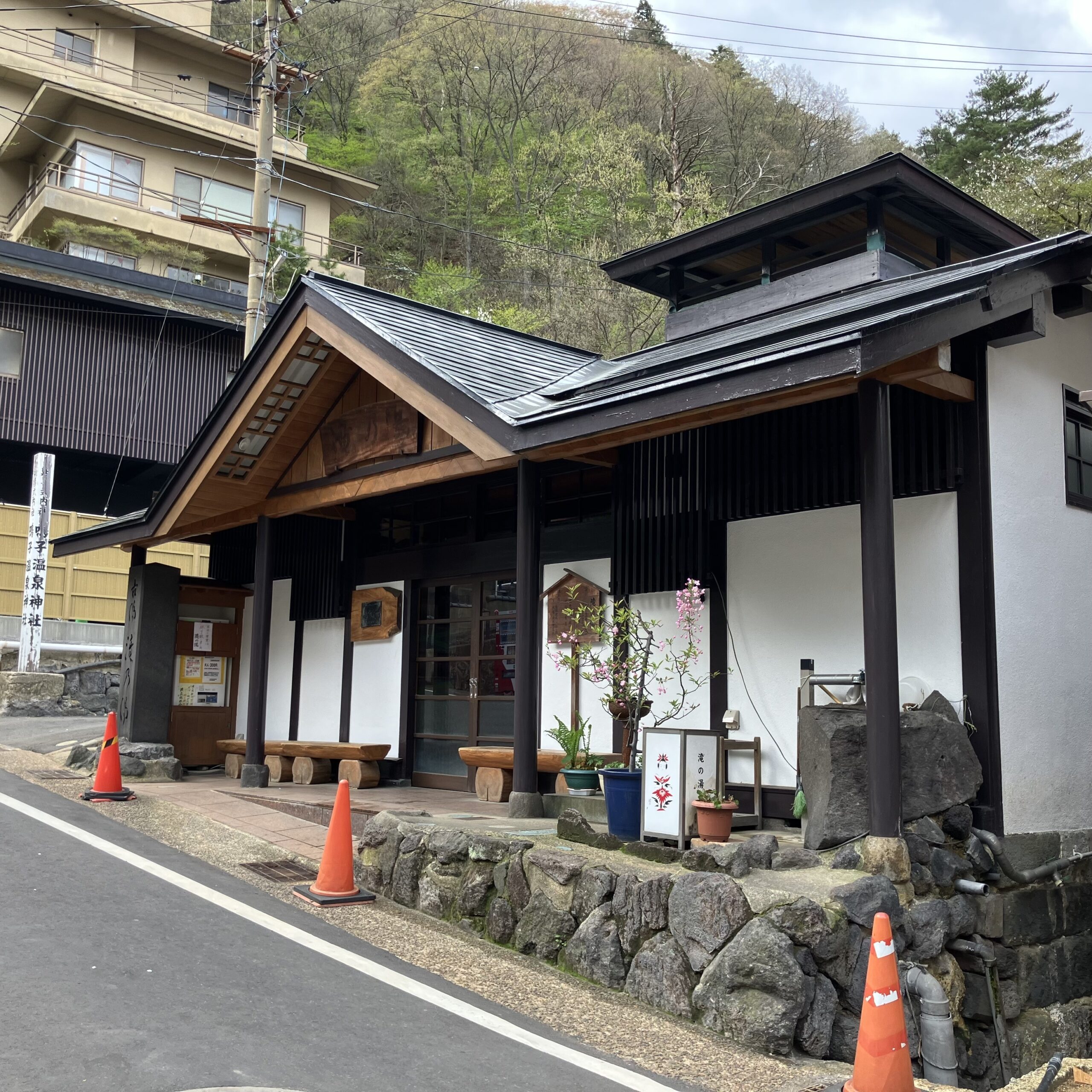
One of the most celebrated public baths in the Naruko area, Taki no Yu (Waterfall Bath) takes its name from the small waterfall inside the bath itself — water cascades from above into the main soaking pool, creating a distinctive rushing sound and a natural shower effect. The building itself has been rebuilt and expanded over the years but maintains a traditional wooden aesthetic. Open to non-guests; admission is around ¥500–¥600 (~$3.50–$4). Towels can be rented. Hours: typically 8 AM–9 PM, closed periodic maintenance days. This is an absolute must for any Naruko visit.
Nakayamadaira Onsen
About 3 km from central Naruko, Nakayamadaira produces a distinctive milky blue-white water from a sodium sulfate spring. The waters here have a slightly higher temperature than the central springs and are particularly associated with benefits for joint pain and neuralgia. Several ryokan here offer day-use bathing (立ち寄り湯, tachiyori-yu) for around ¥500 (~$3.50).
Higashinaruko Onsen
The springs in the Higashinaruko area produce a clear, colorless water that is strongly alkaline — sometimes called “beauty water” (美人の湯, bijin no yu) because of its reputed skin-softening effects. The water feels almost silky against the skin, and after a soak, you’ll notice your skin feeling noticeably smoother. This is a favorite with locals for its gentleness.
The Kokeshi Doll Tradition: Naruko’s Living Art Form
Naruko kokeshi are, simply put, the original. There are several regional styles of kokeshi across Tohoku, but the Naruko style — with its distinctive wide, round head, cylindrical body, and characteristic painted pattern of chrysanthemums in red and yellow — is the most recognized and the one most closely associated with the onsen culture that spawned the craft.
The kokeshi tradition in Naruko dates back to the early 19th century. During the winter, when farming and fishing work slowed, local craftsmen began turning wooden figures on lathes as toys to sell to visitors at the onsen. Over time, these simple toys became a celebrated folk art form, with specific techniques and designs passed down through family lineages of artisans. Today, the Naruko area is home to dozens of active kokeshi craftsmen, some of whom represent the fourth or fifth generation of their family in the tradition.
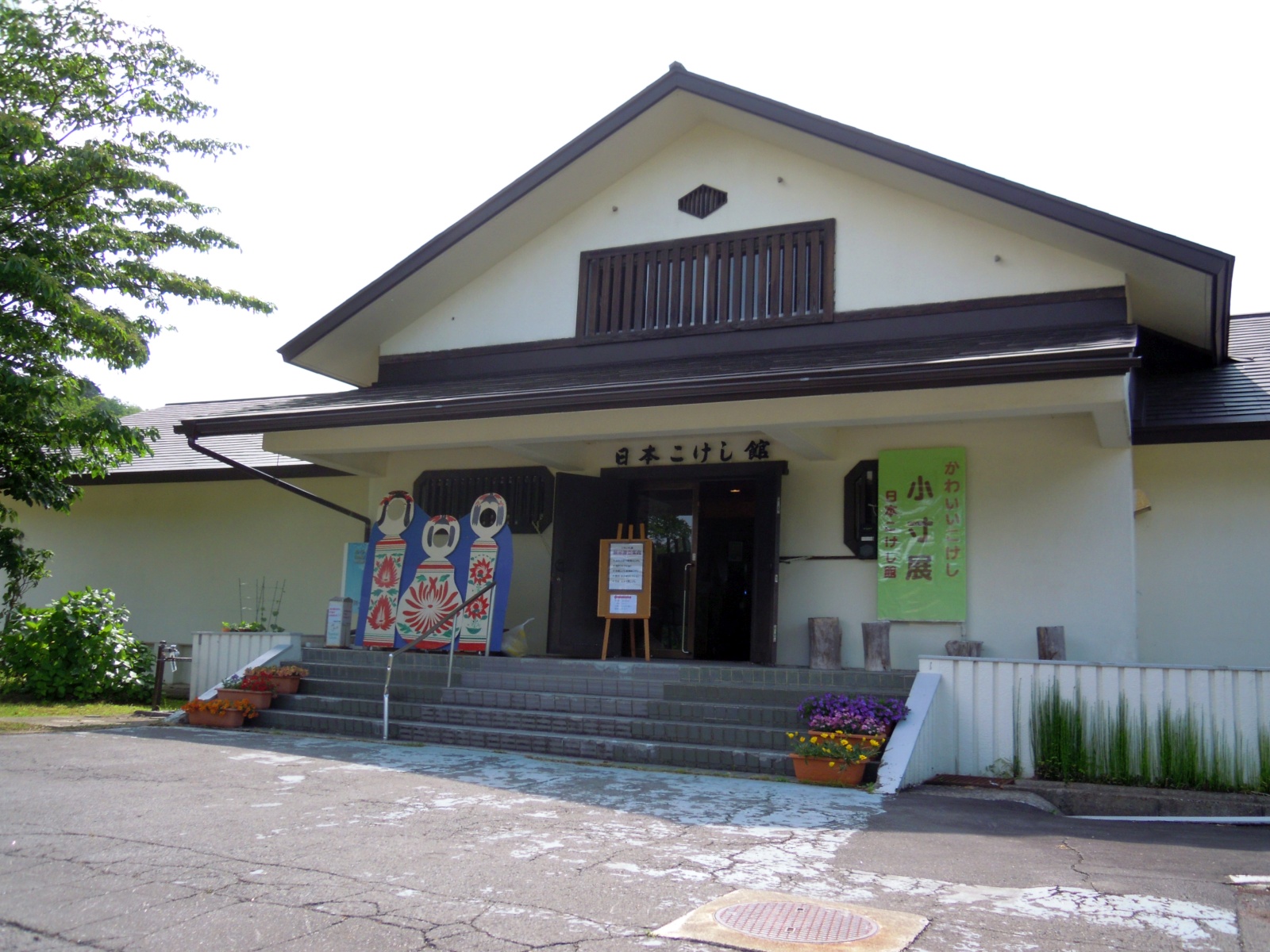
Japan Kokeshi Museum (日本こけし館)
The Japan Kokeshi Museum is the essential starting point for any kokeshi exploration. It houses the world’s largest collection of kokeshi dolls — over 4,000 examples, arranged by regional style, time period, and artisan family. Walking through the museum gives you a genuine appreciation for the extraordinary variety within what might initially seem like a simple art form: each regional style has its own distinctive proportions, painting techniques, and symbolism, and you can trace the evolution of each tradition across decades of examples.
The museum also runs regular kokeshi-making workshops where you can try turning your own doll on a miniature lathe and painting it in the traditional Naruko style. These workshops are extremely popular and must be booked in advance — contact the museum directly or ask your ryokan to assist with reservations. Workshop fees are typically ¥1,500–¥2,500 (~$10–$17) depending on the size of the doll you make. The museum is open daily from 8:30 AM to 5 PM (shorter hours in winter). Admission: ¥550 (~$4) for adults.
Watching Artisans Work
Several of the kokeshi workshops along Naruko’s main street open their doors to visitors during regular business hours. You can watch artisans work the lathe and apply the delicate painted details to finished dolls, often with no charge and no formal arrangement required — just peek in the open door and they’ll wave you inside. This kind of direct access to working craftspeople is increasingly rare even in Japan, and it’s one of the special things about Naruko’s scale and informality.
If you want to purchase kokeshi directly from artisans — rather than from a shop — look for workshops with artisan names posted outside, and be prepared to spend anywhere from ¥1,500 (~$10) for a small, simple piece to ¥20,000+ (~$135+) for a large, elaborately painted work by a recognized master artisan. These are genuine keepsakes that will outlast any trip souvenir you’ve ever bought.
The National Kokeshi Festival
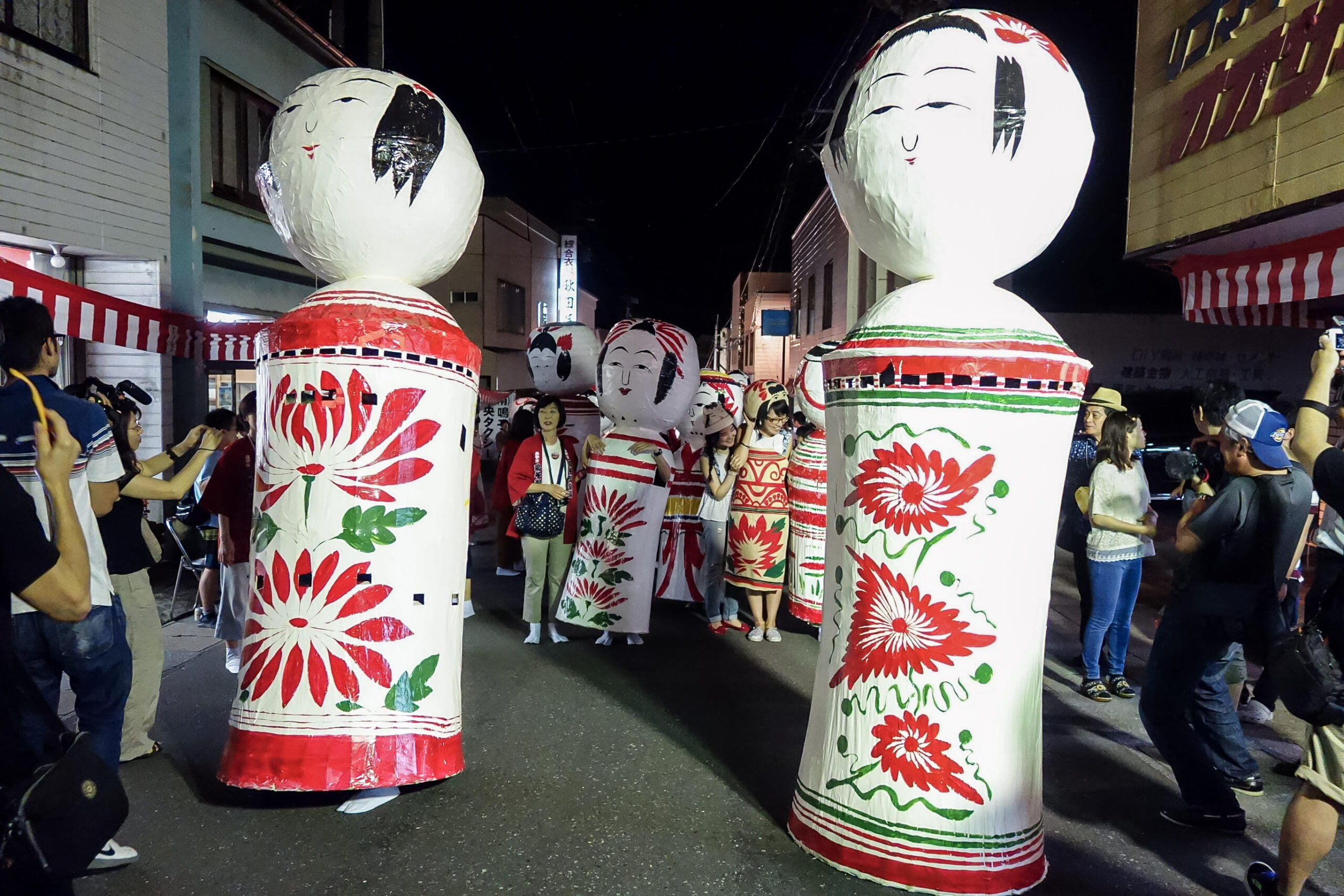
Held annually in May (typically the first weekend of May, coinciding with Golden Week), the National Kokeshi Festival is the gathering of the nation’s kokeshi artisan community. Craftspeople from all of Japan’s regional kokeshi traditions come to Naruko to demonstrate their skills, exhibit their work, and compete in judged exhibitions. For foreign visitors who are in Japan during Golden Week, this is an extraordinary window into living Japanese craft tradition — and the festive atmosphere, with street food stalls and traditional performances, makes it highly accessible and enjoyable even if you have no prior knowledge of kokeshi.
Best Time to Visit Naruko Onsen
- Spring (March–May): The mountains emerge from snow, fresh greenery appears, and the National Kokeshi Festival takes place in early May. A wonderful time to visit if you’re in Japan for Golden Week. Temperatures: 40–65°F (5–18°C). Some mountain roads may still have snow in March.
- Summer (June–August): The valley is lush and verdant. Fewer tourists than autumn, with pleasant hiking weather. The various public baths are available year-round. Temperatures: 70–82°F (21–28°C). Fireflies appear in the valley in July — a magical experience if you’re walking back to your ryokan after dark.
- Autumn (September–November): Naruko’s absolute peak season. The gorge foliage is spectacular mid-October to early November. Ryokan prices and visitor numbers both rise during peak foliage weeks. Book accommodation at least 2–3 months in advance for mid-October. Temperatures: 45–65°F (7–18°C).
- Winter (December–February): Cold and snowy, but undeniably atmospheric. The hot springs are at their most appealing when snowflakes drift into the outdoor baths, and the town is quieter and more intimate than at any other time. Several ryokan offer excellent winter packages. Temperatures: 18–35°F (-8–2°C). Heavy snow is possible, though the main roads are well-maintained.
Where to Eat in Naruko Onsen
Naruko is not a foodie destination in the way that Sendai or Yamagata city are, but it has a genuine local food culture worth exploring. Most visitors eat primarily at their ryokan (meals are typically included in the room rate), but there are several independent options worth knowing about.
Ryokan Meals (the main event)
If you stay at a ryokan in Naruko, breakfast and dinner are almost always included in the room rate and are the highlight of the culinary experience. Dinner is typically a multi-course kaiseki meal incorporating whatever is seasonal and local: mountain vegetables (sansai), local river fish, mushrooms from the surrounding forests, and often some beautiful rice and pickles. Breakfast is a classic Japanese spread of grilled fish, miso soup, rice, pickles, and assorted small dishes. Both meals are served in your room or a private dining area and demonstrate the kind of quiet culinary craftsmanship that Japan does better than anywhere on earth.
Onsen Tamago (Hot Spring Eggs)
One of Naruko’s most delightful street food experiences: eggs cooked in the natural hot spring water. The specific temperature of the geothermal water — consistently around 167°F (75°C) in many spots — is perfect for slow-cooking eggs to a custard-like consistency where the white is just barely set and the yolk is rich and creamy. You’ll find onsen tamago for sale at small stalls near the main baths for around ¥100 (~$0.70) each. Eat them plain with a drop of soy sauce, standing in the street, breathing mountain air. This is the kind of simple pleasure that Japan does perfectly.
Soba Restaurants
The Miyagi mountain region has a strong soba tradition, and Naruko has several good soba restaurants where hand-cut buckwheat noodles are served in a delicate cold dashi broth (zaru soba) or hot soup. Look for places with hand-painted wooden signs and a modest exterior — they’re usually the best. Budget around ¥900–¥1,500 (~$6–$10) for a soba set.
Wanko-style Small Dishes
Some of the local izakayas in Naruko serve small dishes of regional specialties — river fish, mountain mushroom tempura, local vegetables dressed in miso — alongside cold Miyagi sake and beer. A relaxed evening in one of these establishments is a great way to interact with local people and experience the quieter side of Naruko’s culture. Budget ¥2,000–¥3,500 (~$14–$24) per person with drinks.
Where to Stay in Naruko Onsen
Staying at a traditional ryokan is by far the best way to experience Naruko Onsen. The ryokan experience — tatami mat rooms, yukata robes, multi-course meals, communal baths — is central to what makes Naruko special, and the town’s accommodation scene is built around it.
Budget (Under ¥8,000 / $55 per night)
True budget accommodation in Naruko itself is limited. Naruko Spa Hotel and a few small guesthouses offer basic rooms from around ¥5,000–¥7,000 (~$34–$48) per person without meals. For a more affordable ryokan-adjacent experience, consider staying in neighboring Higashinaruko Onsen or Narugo Spa area, where smaller, family-run ryokan sometimes have lower rates than the central town establishments.
Mid-Range (¥8,000–¥20,000 / $55–$135)
Naruko Kanko Hotel is a reliable mid-range option right in the center of the onsen area, with both Japanese-style (tatami) and Western-style rooms. The communal hot spring baths are well-maintained and use the genuine Naruko water. Meals (included in room rates for most packages) are generous and locally sourced. Prices per person including two meals run around ¥12,000–¥16,000 (~$80–$110).
Ryokan Yuyado Hanayama is a smaller, more personal option popular with Japanese couples and families seeking a quieter stay. The family that runs it takes evident pride in their seasonal kaiseki meals and the quality of their spring water. Rates similar to Kanko Hotel.
Luxury (¥20,000+ / $135+)
Onyado Nono Naruko Onsen and Takinoyu Naruko Hotel represent the upper tier of Naruko accommodation, with premium tatami suites, semi-private outdoor baths (rotenburo), and elaborate multi-course dinners prepared by experienced kaiseki chefs. These establishments are particularly spectacular in autumn, when the surrounding forest provides a dramatic seasonal backdrop for outdoor bathing. Rates from ¥22,000–¥35,000 (~$150–$240) per person including meals.
Practical Tips for Visiting Naruko Onsen
- Book ryokan early for autumn. Peak foliage season (late October to early November) is the most popular time to visit Naruko, and good ryokan fill up 2–3 months in advance. For Golden Week (late April to early May, Kokeshi Festival), book even earlier.
- Bring a towel, or rent one. Public baths typically charge ¥100–¥200 (~$0.70–$1.40) for towel rental. Many ryokan provide small hand towels (tenugui) for use in communal baths — check with your innkeeper.
- Rinse before entering any bath. This is absolute basic onsen etiquette. Use the showers and shower benches provided at the bath entrance to rinse your entire body before stepping into the communal pool. It’s not optional — it’s how onsen culture works, and it keeps the waters clean for everyone.
- Tattoos: know before you go. Many traditional ryokan and public baths in Japan prohibit tattooed guests from using communal facilities. Naruko is not an exception. If you have visible tattoos, contact your chosen accommodation in advance to confirm their policy. Some establishments have private baths available that tattooed guests can use exclusively.
- Try the kokeshi-making workshop. Even if you have no particular interest in folk art, the workshop is a deeply satisfying experience — there’s something meditative about turning wood on a small lathe, and the doll you paint is uniquely yours. Book in advance through the Japan Kokeshi Museum.
- Visit the gorge in the early morning during peak autumn. The crowds and tour buses arrive after 9 AM. Beat them by starting at dawn, and you’ll have the bridge and the treetops largely to yourself in the golden early light.
- Explore beyond the main town. The Naruko Onsen area encompasses five distinct onsen zones — Naruko, Nakayamadaira, Higashinaruko, Kawatabi, and Onikobe. Each has its own character. If you have a car, explore at least two or three. A “yu-meguri” (spring-hopping) tour across multiple zones is one of the great pleasures of the area.
- Purchase kokeshi directly from artisans. Buying directly from the workshop supports the artisan family directly and often gives you access to pieces not available in shops. It’s also a more meaningful transaction — you’ll know exactly whose hands made your keepsake.
- The onsen town is quiet at night. Naruko goes to sleep early — by 10 PM, the streets are largely empty. Bring a book, embrace the quiet, and remember that this is what onsen culture is about: slowing down, bathing, eating, resting. No nightlife needed.
- Layer up for autumn and winter visits. The mountain elevation means temperatures can drop sharply after sunset, even when afternoons feel mild. A warm jacket for evening walks is essential September through April.
Sample 2-Day Naruko Onsen Itinerary
Day 1
Morning: Arrive from Sendai or Tokyo, check in to your ryokan. Change into your yukata and head to the Japan Kokeshi Museum for 1.5 hours — pick up a sense of the tradition before you explore the artisan workshops on the main street. Stop for onsen tamago from a street stall on your way back.
Afternoon: Walk the main street, poking your head into kokeshi workshops. Watch artisans work. If you’ve pre-booked, take your kokeshi-making workshop in the afternoon session (typically 2–4 PM at the museum). Pick up a few finished pieces to take home.
Evening: Return to your ryokan for the kaiseki dinner. Afterward, use the communal baths — the sulfurous white water is particularly atmospheric in the evening. Sleep exceptionally well.
Day 2
Early morning: If it’s autumn, head to Naruko Gorge by 7–8 AM for the best light and fewest crowds. Walk the gorge trail from end to end. Take photographs from Ofukazawa Bridge. Return by taxi or retrace your steps.
Mid-morning: Ryokan breakfast — the Japanese morning spread is worth waking up for.
Midday: Visit Taki no Yu public bath for a mid-morning soak in the waterfall bath. Eat soba for lunch at one of the town’s local restaurants.
Afternoon: Drive or taxi to Nakayamadaira Onsen for a different spring experience. The milky blue-white water is a striking contrast to Naruko’s main springs. Return to catch your train toward Sendai, arriving early evening.
Related Articles You Might Enjoy
- Akiu Onsen: Sendai’s Most Beloved Mountain Hot Spring Escape — Complete Guide
- Kesennuma City Guide: Miyagi’s Greatest Fishing Port, Fresh Seafood & Resilience Story
- Minamisanriku, Miyagi: Japan’s Most Moving Resilience Destination & World-Class Seafood
- Kinkasan Island, Miyagi: Japan’s Sacred Deer Island — Complete Guide for Foreign Visitors
- Sendai Station Area Food Guide: Beef Tongue, Morning Market & Sushi in Miyagi
Final Thoughts
Naruko Onsen is the Japan that most travelers dream of finding — and rarely do, because it doesn’t appear in the major guidebooks and doesn’t have a famous temple or an Instagram hashtag with millions of tags. What it has instead is eleven varieties of hot spring water, a centuries-old craft tradition practiced by real artisans in their real workshops, a gorge that turns into a blazing cathedral of color each October, and innkeepers who will serve you the best meal you’ve had in weeks and then bow you out in the morning as if your visit genuinely mattered to them. It did.
Come for the foliage. Stay for the baths. Leave with a kokeshi doll and a very deep sense of calm. Naruko will do that to you.
Got questions about planning your Tohoku trip, or spotted something we missed? We’d love to hear from you — drop us a message here.



コメント