Kakunodate Samurai District: Your Complete Akita Japan Travel Guide
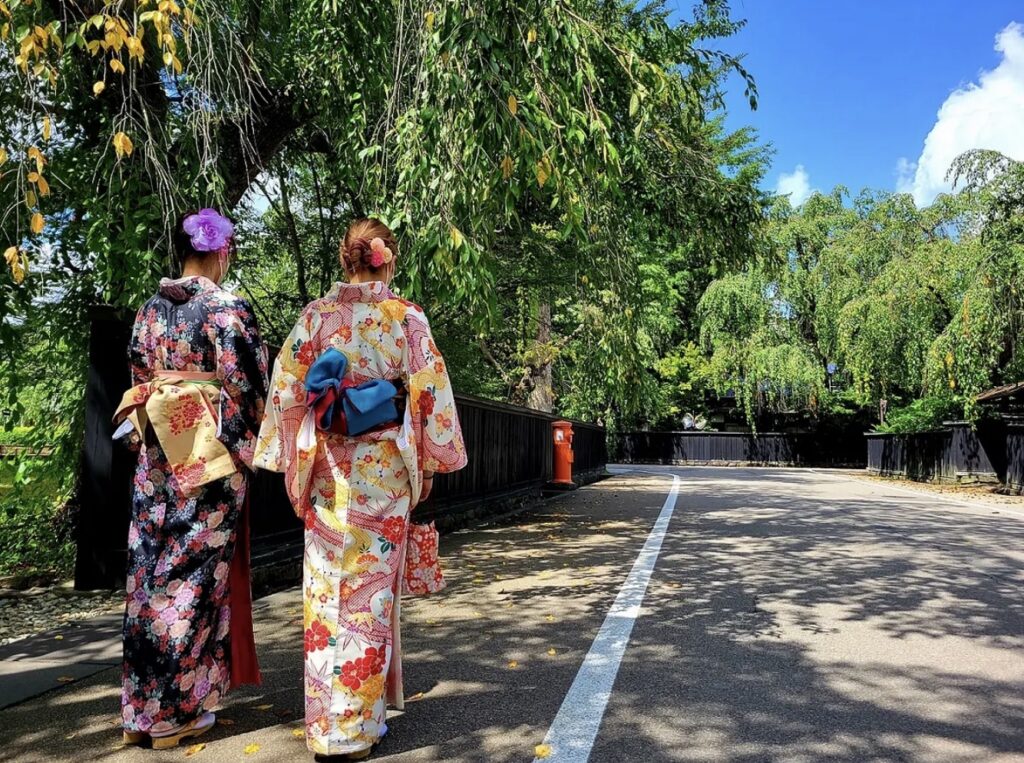
There are places in Japan that stop you in your tracks — where the modern world dissolves and something ancient, unhurried, and utterly beautiful takes its place. Kakunodate is one of those places. Tucked into the inland heart of Akita Prefecture, this extraordinary samurai district has earned its nickname “the Little Kyoto of Tohoku” for good reason. Immaculately preserved streets, centuries-old cherry trees, and samurai residences that look as though their owners only just stepped out — Kakunodate is, quite simply, one of the most remarkable places in all of Japan. And yet, somehow, it still flies under the radar of most international visitors. Consider this your sign to change that.
What Is Kakunodate? A Quick History
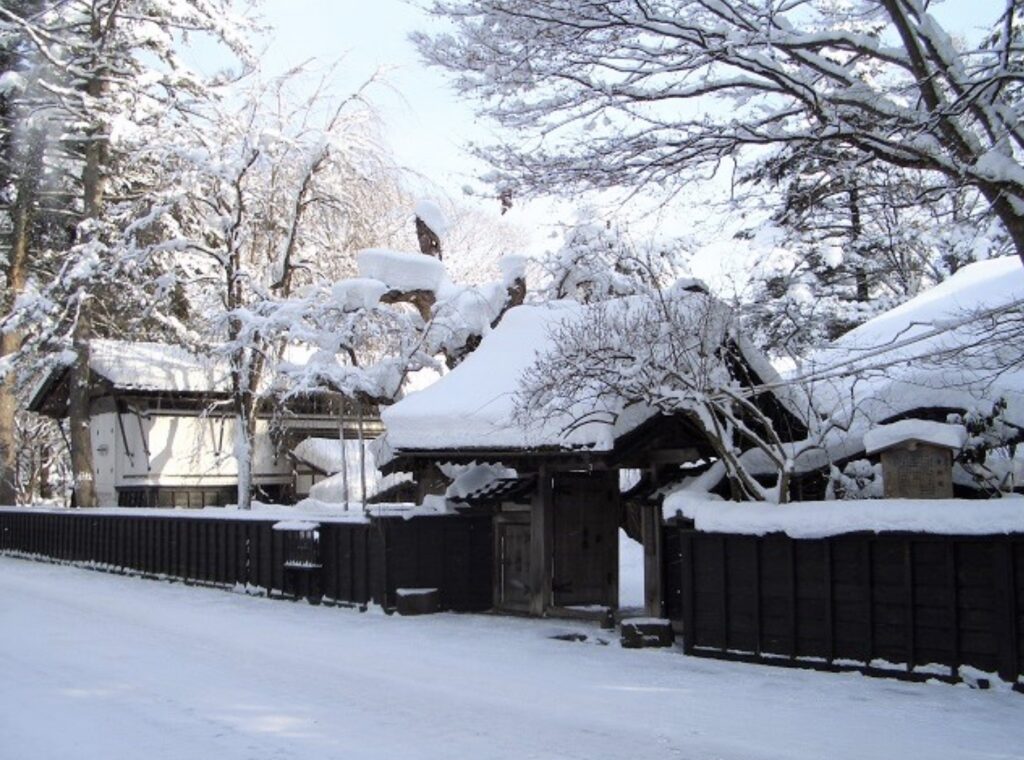
Founded in 1620 by the Ashina clan, Kakunodate was designed as a castle town with a clearly defined social order. The northern part of the city — the Bukeyashiki district — was reserved exclusively for samurai families, while the southern section bustled with merchants and townspeople. What makes Kakunodate extraordinary is that this division, and the architecture that came with it, has survived almost entirely intact for over 400 years. Fires, modernization, and the chaos of the twentieth century that swallowed so many of Japan’s historic districts never managed to erase Kakunodate. Walking its streets today genuinely feels like stepping through a portal into the Edo period.
The Bukeyashiki District: Walking Through the Samurai Quarter
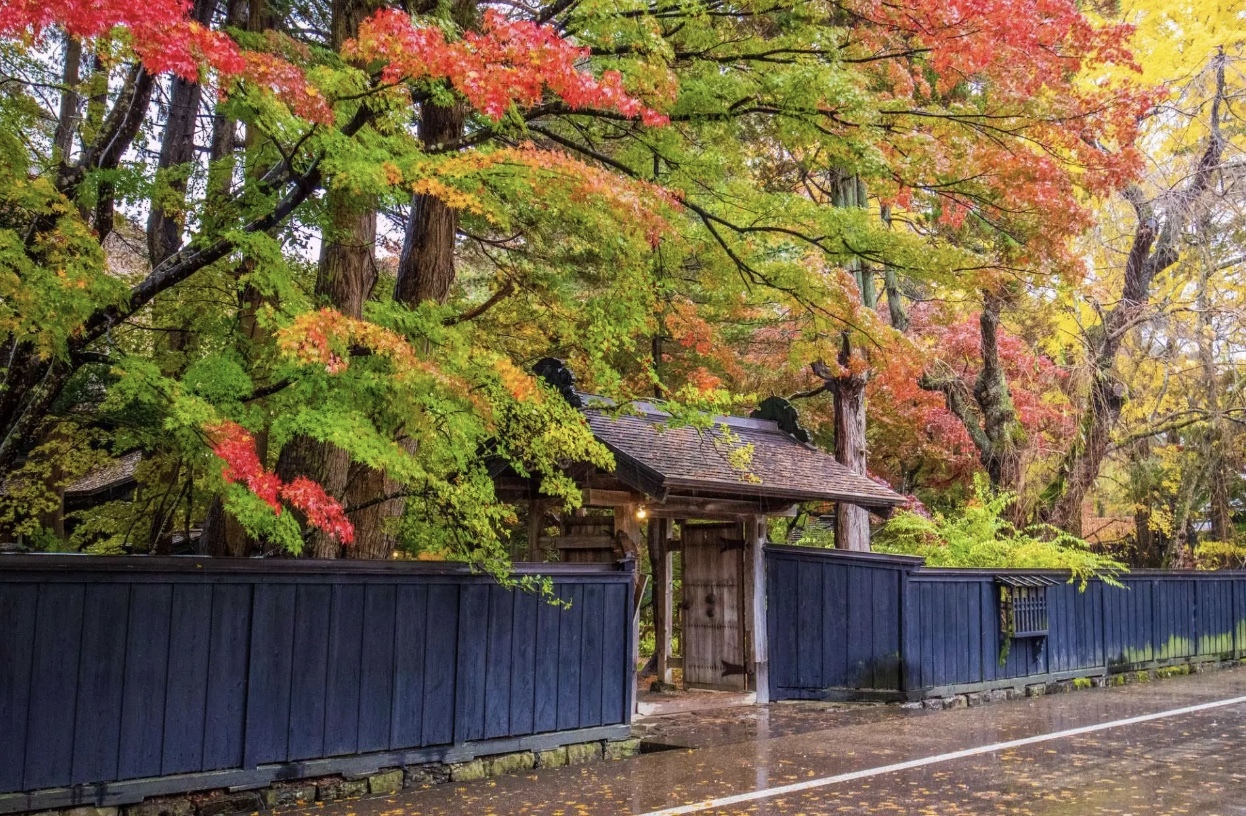
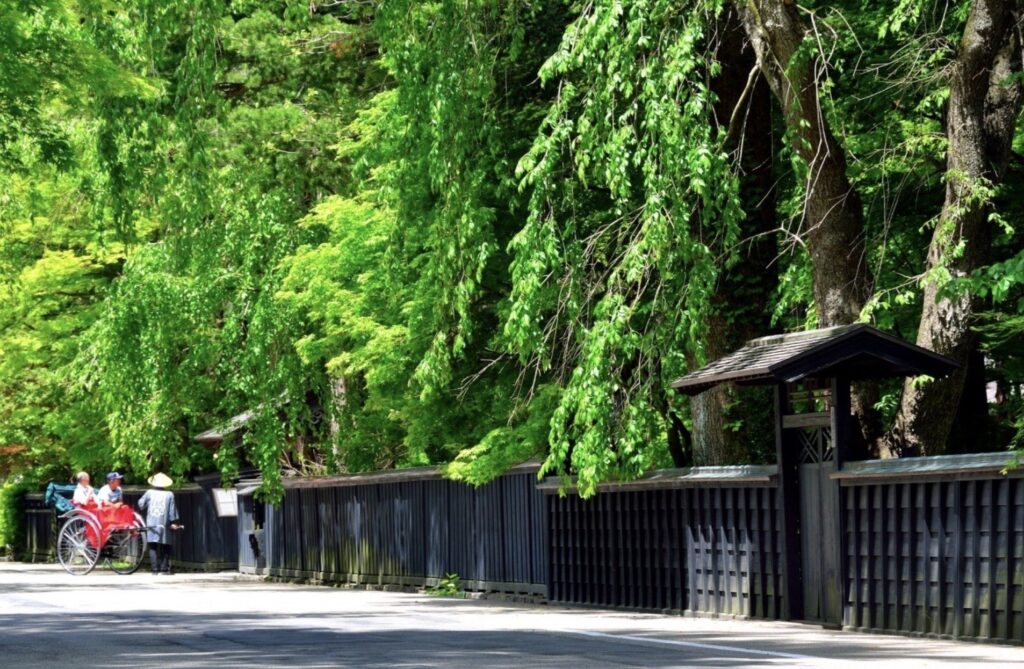
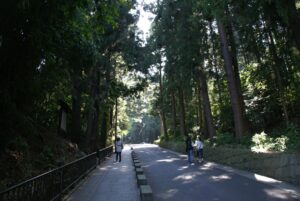
The heart of any visit to Kakunodate is the Bukeyashiki district — the historic samurai residential area that is considered the best-preserved samurai district in Japan. Wide, quiet streets are lined with black timber fences and sweeping gateways that frame imposing wooden residences. There is a formality to the architecture here, a sense of pride and purpose built into every beam and stone garden, that gives you a tangible feeling of what samurai life must have been like.
Several of the residences are open to the public, and I’d strongly encourage you to go inside at least two or three rather than simply admiring them from the street. Each one tells a different story about the families who lived there, their social standing, and their daily lives during Japan’s feudal era.
The Ishiguro Family Residence: The Crown Jewel
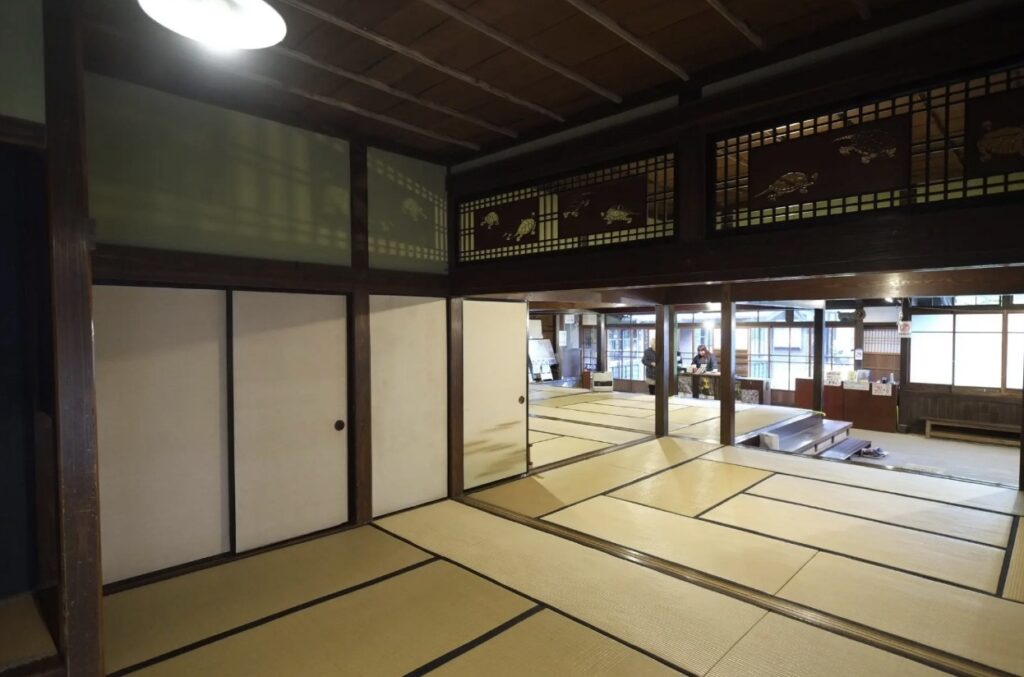
If you only visit one residence in Kakunodate, make it the Ishiguro family home. It is the largest and most impressive of all the samurai residences open to visitors, and it offers a genuinely immersive window into upper-class samurai life. The main house, storehouses, and sprawling garden are all beautifully maintained, and the collection of artifacts, furniture, and household items inside the buildings helps you imagine the rhythms of daily life here across generations. I’ve visited Kakunodate more times than I can count, and the Shiraiwa residence never fails to impress me — there’s always some detail I hadn’t noticed before.
Other Residences Worth Visiting
- Aoyagi Family Residence: A sprawling complex with multiple buildings and an impressive collection of samurai armor, antiques, and lacquerware. One of the most atmospheric spots in the district.
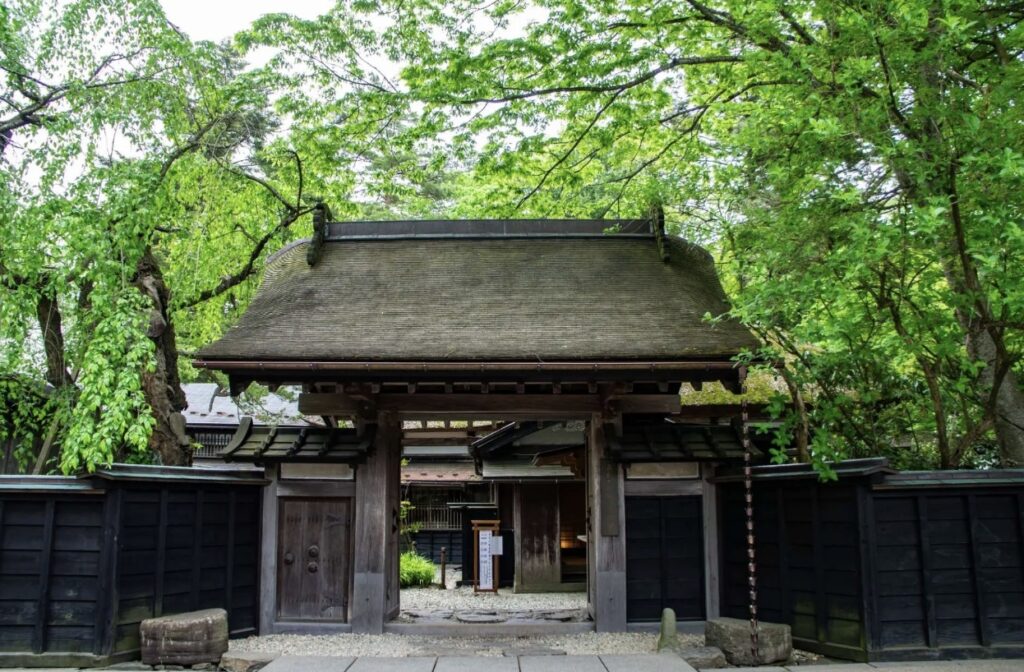
- Iwahashi Family Residence: Smaller and more intimate, giving a sense of the lifestyle of mid-ranking samurai families.
- Odano Family Residence: Notable for its beautifully curated garden and elegant interior details.
The Cherry Blossoms: Kakunodate in April
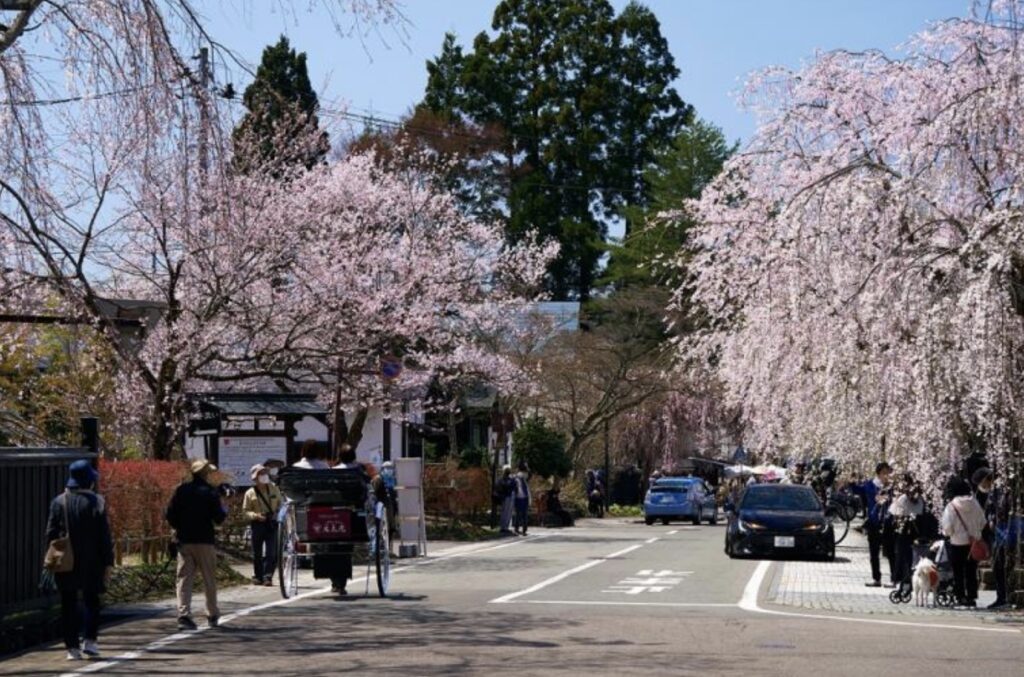
If your travel dates are even remotely flexible, do everything in your power to visit Kakunodate in late April. This is when the district’s legendary weeping cherry trees — some of them over 400 years old — burst into full bloom, and the transformation is breathtaking. These are not ordinary park cherry trees. These ancient specimens line the samurai streets with cascading curtains of pale pink blossom, their gnarled, centuries-old branches drooping dramatically over the black timber fences of the Bukeyashiki district. The combination of historic architecture and those ethereal blossoms is the kind of scene that makes you forget you’re holding a camera.
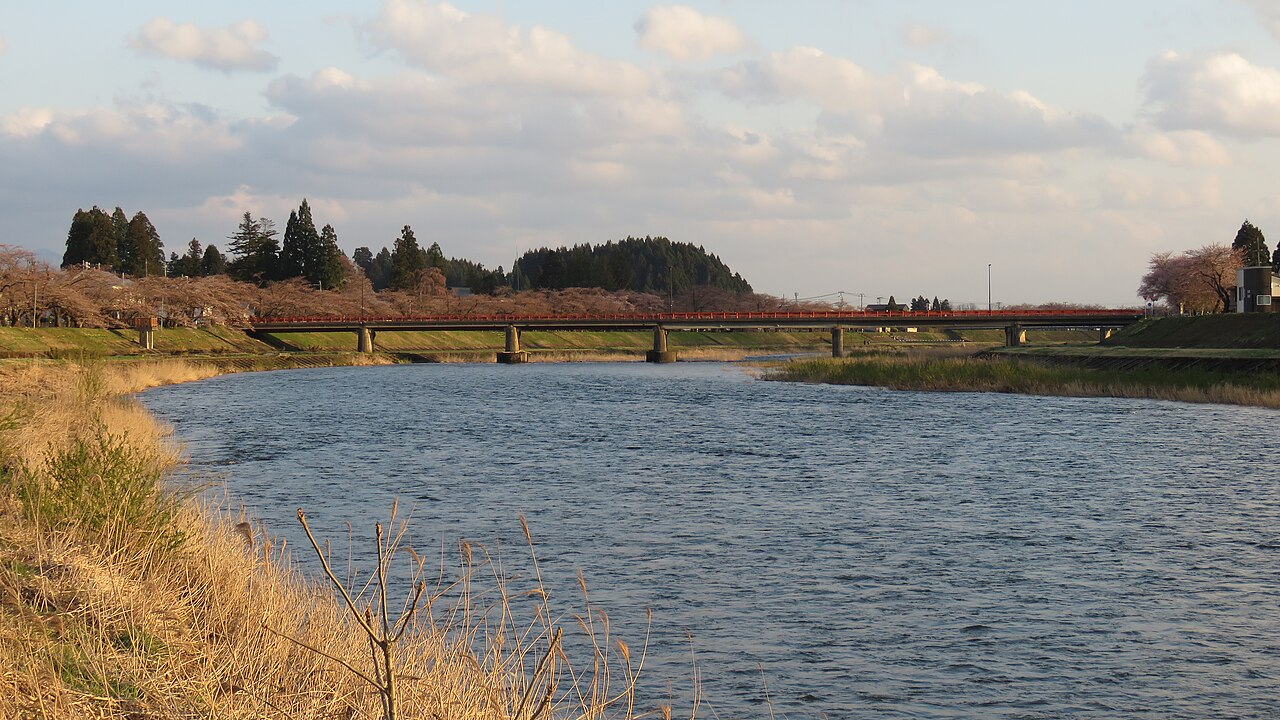
Many of the weeping cherry trees in Kakunodate are designated natural monuments by the Japanese government, which tells you everything you need to know about how special they are. The Hinokinai River bank, just a short walk from the samurai district, is also spectacular during cherry blossom season, with hundreds of Somei Yoshino trees forming a nearly kilometer-long tunnel of pink. Cherry blossom season in Kakunodate typically falls between late April and early May — slightly later than southern Japan — so it’s worth checking real-time bloom forecasts before you travel.
Traditional Crafts: Kabazaiku and Indigo Dyeing
Kakunodate is not just a place to look at history — it’s a place to engage with it. The town is home to two distinctive traditional crafts that you can explore, and ideally try your hand at, during your visit.
Kabazaiku: The Art of Cherry Bark Craft
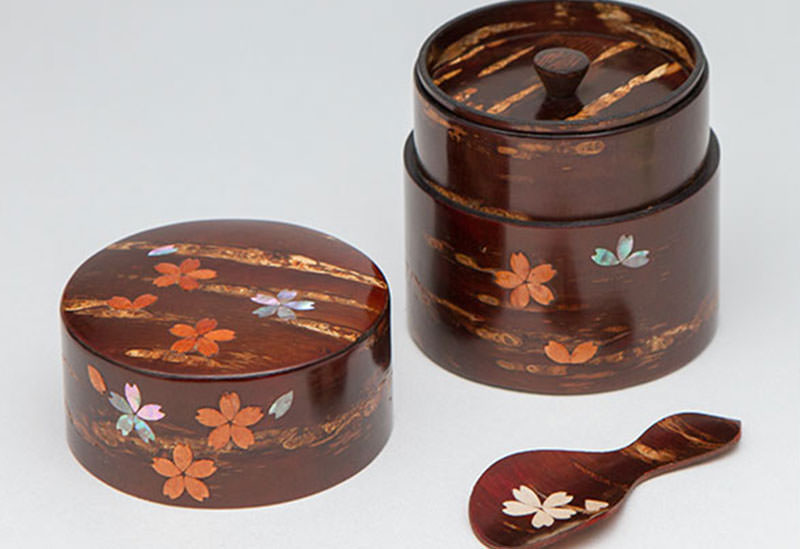
Kabazaiku is a craft form unique to Kakunodate, and it is as beautiful as it is unusual. Artisans work with the peeled bark of wild mountain cherry trees to create polished, lustrous objects — tea caddies, boxes, trays, and accessories — with a warm reddish-brown sheen that is instantly recognizable. The technique has been practiced here for over 200 years and is registered as a traditional craft by the Japanese government. Several workshops along the main shopping street allow you to watch artisans at work, and some offer hands-on experiences where you can try basic kabazaiku techniques yourself. Even if you don’t participate, picking up a small kabazaiku piece as a souvenir is one of the most meaningful things you can bring home from Tohoku.
Indigo Dyeing
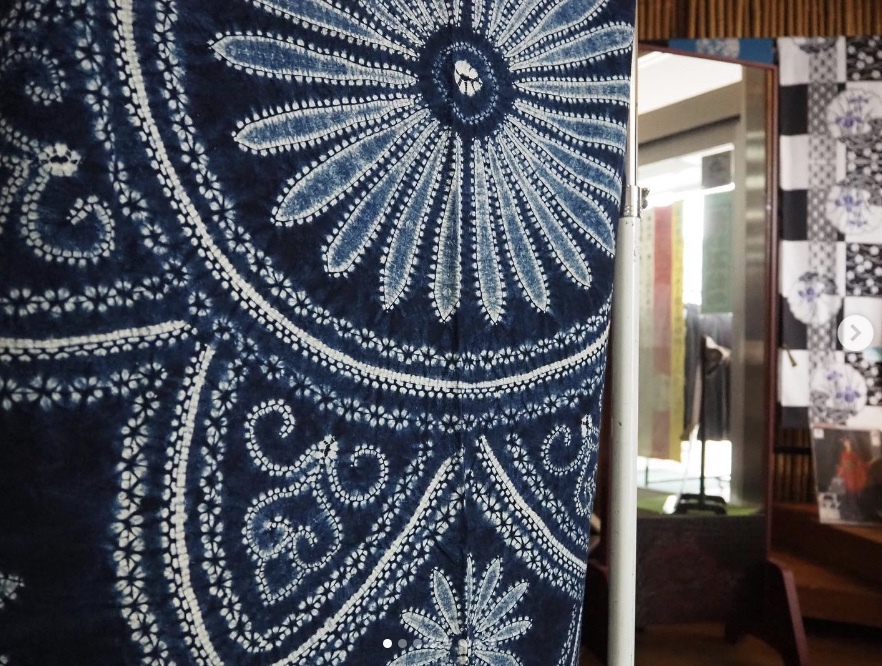
Akita Prefecture has a long tradition of indigo dyeing, and Kakunodate is one of the best places in the region to experience it. Several workshops offer hands-on dyeing sessions where you can create your own patterned handkerchief, tote bag, or piece of fabric using traditional techniques. It’s a wonderfully tactile, satisfying experience — and the deep, rich blue of Akita indigo is genuinely stunning. No Japanese craft experience is required; the workshops are beginner-friendly and the staff are patient and helpful even with limited English.
Jo’s Local Tip: Rent a Bicycle
Here’s my strongest recommendation for making the most of Kakunodate: rent a bicycle. The town is perfectly sized for cycling — compact enough that you won’t exhaust yourself, but spread out enough that a bike lets you cover far more ground than you would on foot. You can glide between the samurai district, the river bank, the craft shops, and the station area with ease, stopping whenever something catches your eye. Bicycle rentals are available near Kakunodate Station and are very affordable. I’ve explored this town on foot, by car, and by bike, and the bicycle wins every time. There’s something about the pace of cycling that matches Kakunodate’s gentle, unhurried energy perfectly.
Combining Kakunodate with Lake Tazawa: The Perfect Day Trip
One of the best things about Kakunodate’s location is how easy it is to pair with another of Akita’s natural wonders: Lake Tazawa, just 15 minutes away by local train. Tazawa-ko is the deepest lake in Japan, and its vivid cobalt-blue water — sometimes described as an almost supernatural shade of blue — is a striking contrast to the earthy, historical atmosphere of Kakunodate. Together, they make for a deeply satisfying full-day itinerary.
My suggested approach: start your morning in Kakunodate to beat the tour groups and enjoy the samurai streets at their most peaceful. Spend the late morning exploring the Bukeyashiki district and trying a craft workshop. Then take the short train ride to Lake Tazawa for a leisurely afternoon — rent a bike around the lake, enjoy lunch with a view, and visit the famous golden statue of Tatsuko on the lakeshore. Return to Kakunodate or head directly back to Akita City in the early evening, well satisfied.
How to Get to Kakunodate
Getting to Kakunodate is remarkably straightforward, which is one of the many reasons it deserves a place on your Tohoku itinerary. From Akita City, the Akita Shinkansen (the Komachi bullet train) whisks you to Kakunodate Station in just 35 minutes. From Tokyo, you can reach Kakunodate directly on the same Shinkansen line in approximately 3 hours and 45 minutes — making it a surprisingly accessible destination even from the capital. The station is a short walk or bike ride from the Bukeyashiki district, so you’re exploring almost immediately upon arrival.
Practical Tips at a Glance
- Best time to visit: Late April for cherry blossoms; autumn (October–November) for stunning fall foliage
- How long to spend: Half a day minimum; a full day if combining with Lake Tazawa
- Getting around: Rent a bicycle near the station — Jo’s top recommendation
- Entry fees: Most residences charge a small admission fee (typically ¥300–¥500); some are free to view from outside
- Language: English signage and audio guides are available at the main residences
- Food: Look for Inaniwa udon (a delicate Akita noodle specialty) and kiritanpo (rice skewers in hot pot) at local restaurants near the station
Why Kakunodate Deserves a Place on Every Japan Itinerary
Japan has no shortage of historical sites, but Kakunodate offers something genuinely rare: authenticity without the crowds. Where Kyoto’s historic districts can feel overwhelmed by tourism, Kakunodate retains a quietness and dignity that allows you to truly connect with the past. Walking those samurai streets — especially early in the morning, when mist lingers between the ancient cherry trees and the only sound is birdsong — is one of the most memorable experiences Tohoku has to offer. And as a Sendai local who has spent years exploring this extraordinary region, I can tell you that Kakunodate ranks among my absolute favorites. Come and see it for yourself. You’ll understand immediately why they call it the Little Kyoto of Tohoku — and why, in many ways, it surpasses the original.
—
Related Articles You Might Enjoy
- Oga Peninsula & Namahage: Akita’s Most Thrilling Folk Tradition and Dramatic Coastline
- Lake Tazawa Akita: Complete Travel Guide to Japan’s Deepest & Most Magical Lake
- Akita City Guide: Samurai Castles, World-Class Sake & Local Flavors in Tohoku’s Wildest Prefecture
- Nishimonai Bon Odori, Akita: Japan’s Most Mysterious Summer Festival — Complete Guide
- Nishimonai Bon Odori, Akita: Japan’s Most Mysterious Summer Festival — Complete Guide

コメント