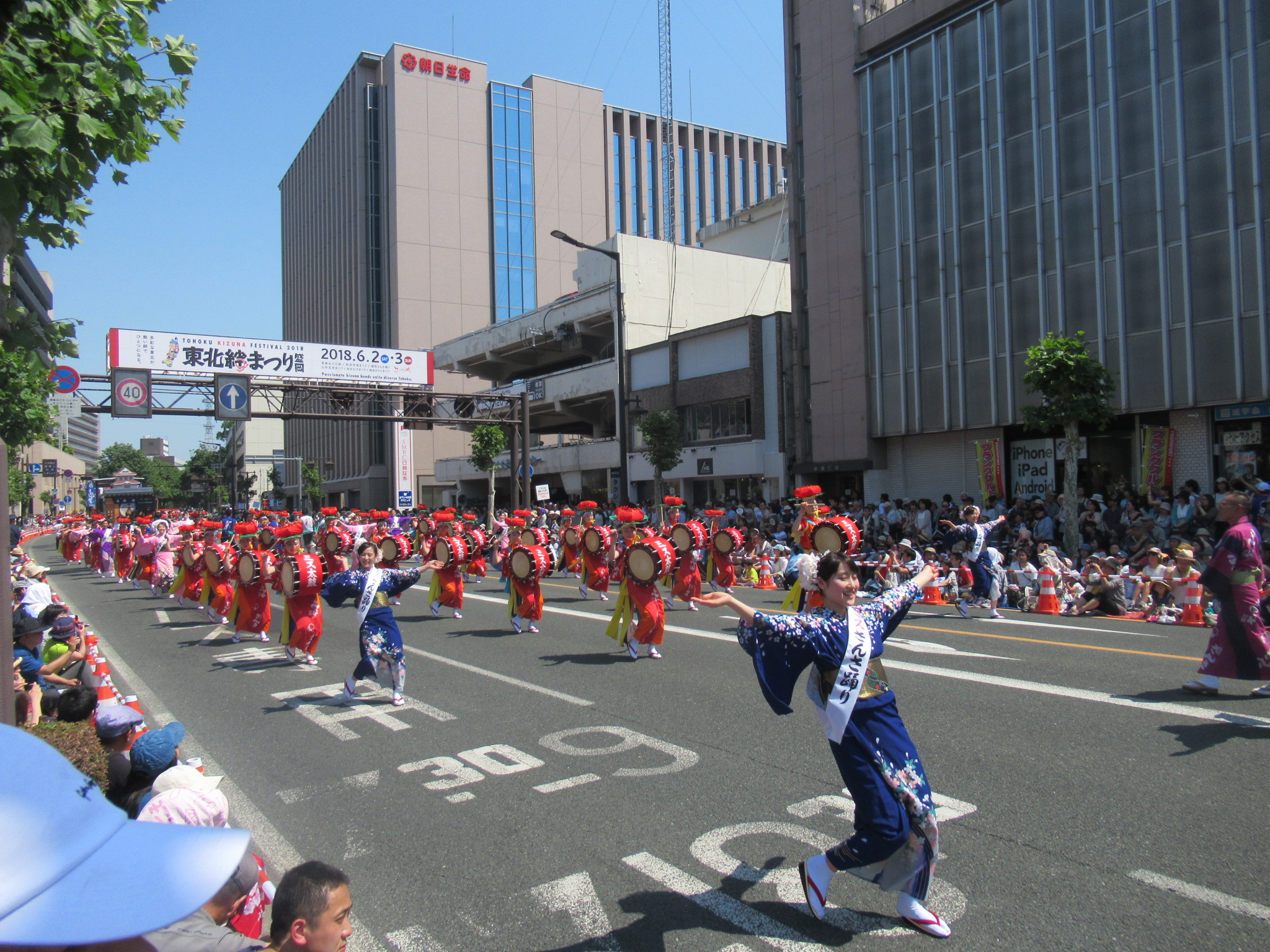
Picture this: 10,000 dancers moving in perfect rhythm through the streets of a small northern Japanese city, backed by an army of taiko drummers whose thunder you can feel in your chest from two blocks away. This is Sansa Odori, and if you’ve never heard of it, that’s exactly the point — while Aomori’s Nebuta and Akita’s Kanto festivals draw huge international crowds, Morioka’s answer to Tohoku’s “Big Four” summer festivals remains a spectacular secret hiding in plain sight.
Why Sansa Odori Should Be on Every Japan Itinerary
Every August, Morioka — the quiet, castle-town capital of Iwate Prefecture — transforms into one of the loudest, most joyful places in Japan. Sansa Odori holds the Guinness World Record for the largest taiko drum ensemble performance, with well over 10,000 drummers, dancers, and flute players filling a two-kilometer stretch of Chuo-dori (Central Street) for four consecutive nights. If you’ve ever wanted to understand why Japanese festival culture is so beloved — the communal energy, the centuries-old tradition, the sheer physical spectacle of drums and dance moving as one — this is the festival that delivers it without the elbow-to-elbow crowds you’ll find in Tokyo or even at Nebuta in Aomori.
For Western visitors, Sansa Odori offers something increasingly rare in Japan’s most famous festivals: you can actually get close. You can stand three rows deep at the barricades and feel the drumbeats in your sternum. You can join the final night’s “dare-demo odori” (anyone can dance) session and learn the steps from strangers who will cheer you on. And unlike festivals that require booking accommodation a year in advance, Morioka — a city most tourists skip entirely on their way to Hiraizumi or the Sanriku Coast — still has rooms available even a few weeks out.
The festival’s roots stretch back to a local legend: centuries ago, a demon terrorized the Morioka area until it was captured and forced to promise never to return, sealing its vow with a handprint on a rock — the origin of the city’s name, believed to derive from “Iwate” (rock hand). To celebrate, villagers danced around the rock in relief and joy, stamping their feet — the sansa dance was born. Today’s festival keeps that folkloric spirit alive while showcasing genuinely world-class taiko drumming, making it a rare event that’s both deeply traditional and thrillingly loud.
Getting There from Tokyo
- Shinkansen: Take the Tohoku Shinkansen (Hayabusa or Komachi) from Tokyo Station directly to Morioka Station — about 2 hours 10 minutes to 2 hours 30 minutes, with fares around ¥15,000–16,000 (roughly $100–107 USD) one-way for an unreserved seat.
- Bus: Overnight highway buses run from Tokyo (Shinjuku or Tokyo Station area) to Morioka, taking around 7–8 hours and costing roughly ¥6,000–10,000 ($40–67), a budget option if you don’t mind sleeping upright.
- Rental car: Not recommended for the festival itself — central Morioka closes major streets to traffic during Sansa Odori, and parking becomes scarce. If you’re road-tripping through Tohoku, park at your hotel and walk or taxi to the festival zone.
The JR Pass (both the nationwide pass and the JR East Tohoku Area Pass) fully covers Shinkansen travel to Morioka, making this one of the most cost-effective festival day trips in the region — you could even visit as a long day trip from Sendai (about 45 minutes by Shinkansen) if your schedule is tight.
The Main Event: Watching the Parade on Chuo-dori
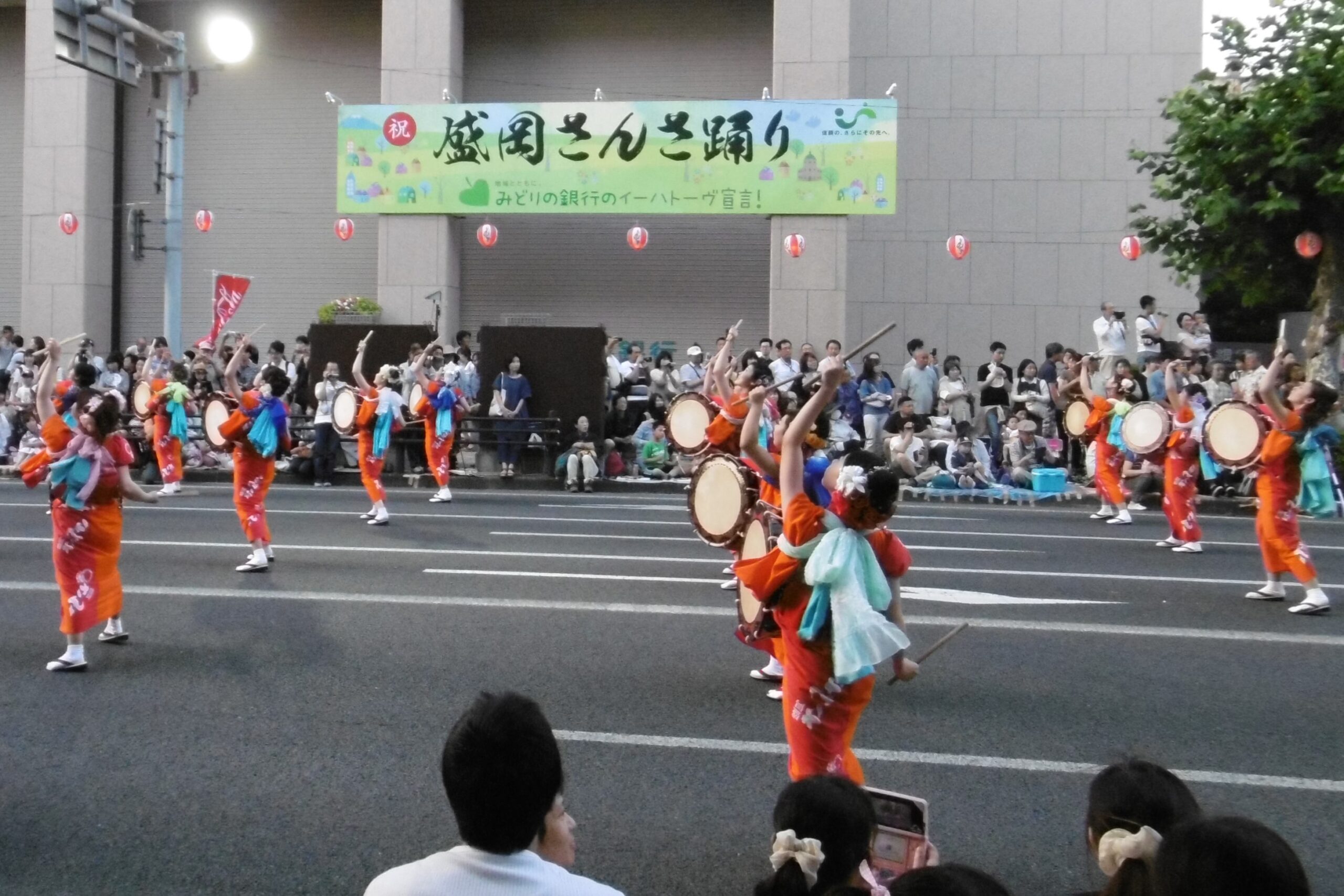
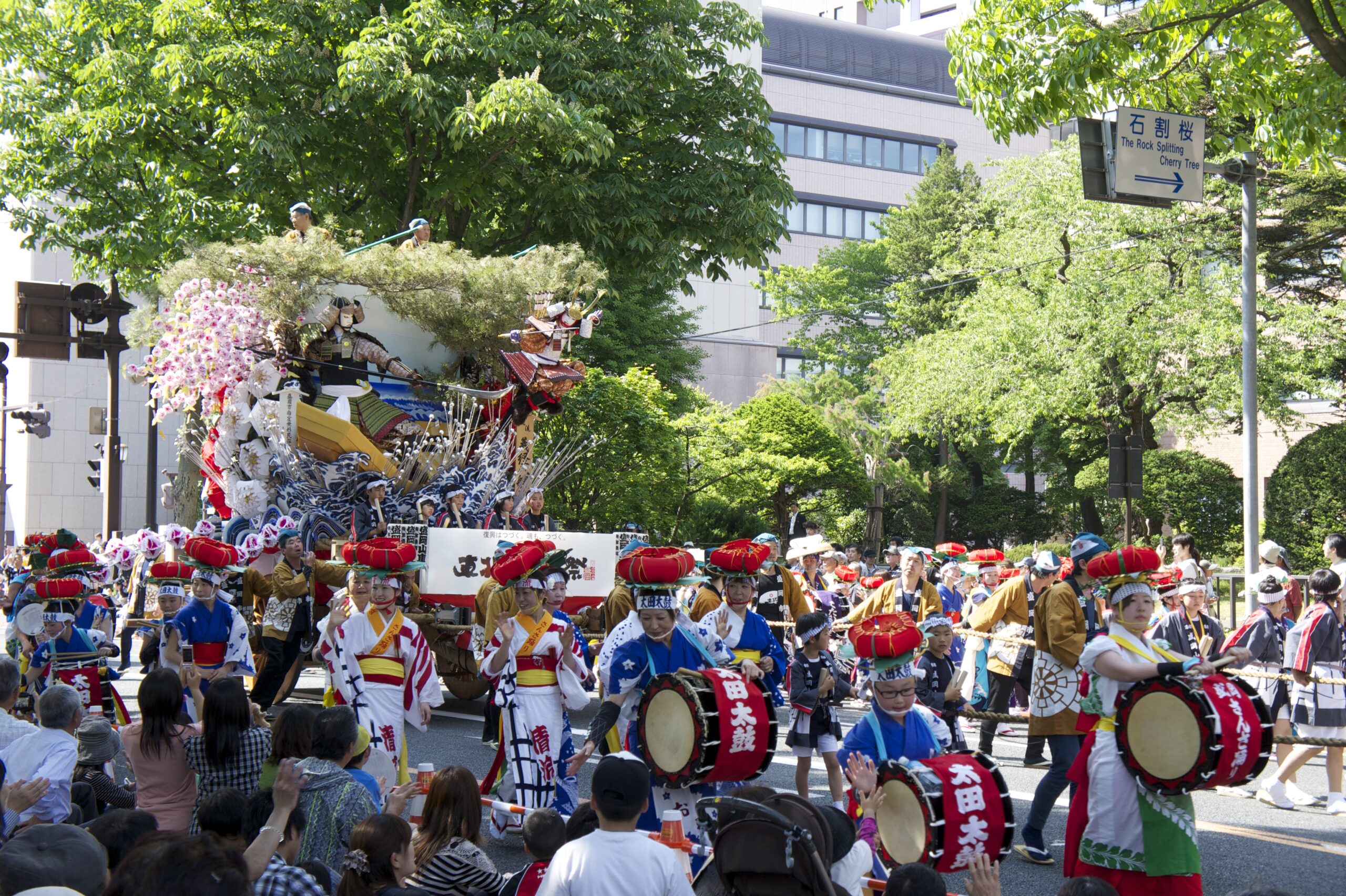
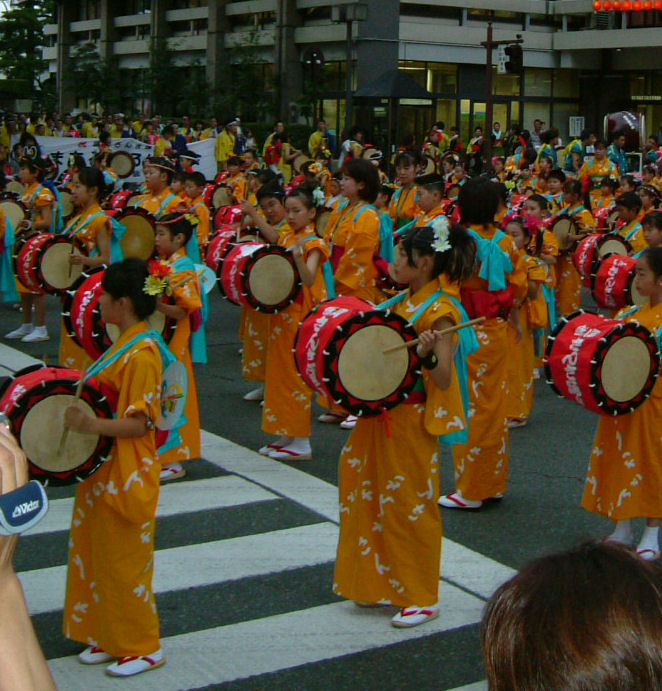
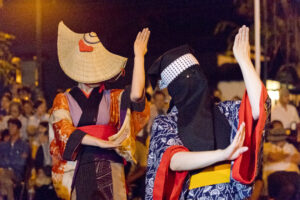
Sansa Odori runs for four days every year, typically August 1st through 4th, along Chuo-dori in the heart of Morioka. Each evening from around 6:00 pm to 9:00 pm, dozens of dance and drum troupes — representing local companies, schools, community groups, and neighborhood associations — parade in sequence down the two-kilometer route. Each troupe brings its own choreography, drum patterns, and colorful yukata (summer kimono) designs, so no two performances look quite the same, even though they share the same basic sansa rhythm.
What makes this different from a typical festival parade is the sheer density of drummers. Some troupes field 100 or more taiko players marching in tight formation, striking enormous drums slung at their hips while dancers weave between them waving fans and tasuki sashes. The sound builds as each group approaches, peaks as they pass directly in front of you, and recedes as the next troupe arrives — a rolling wave of percussion that continues for hours.
Arrive by 5:00 pm to claim a good spot along the barricades near Morioka Station or around the Saien shopping arcade — these areas get crowded but rarely feel dangerously packed compared to festivals in bigger cities. Bring a folding stool or sit on a curb; standing for three hours straight is tough even for festival veterans. Street food stalls (yatai) line the route selling everything from grilled squid to shaved ice, so you won’t go hungry while you wait between troupes.
Trust us on this one: bring earplugs if you’re sensitive to loud, sustained noise, but don’t put them in until you’ve experienced at least one troupe passing at full volume — it’s genuinely one of the most physically thrilling sounds in Japanese festival culture.
Join In: The “Dare-demo Odori” Community Dance
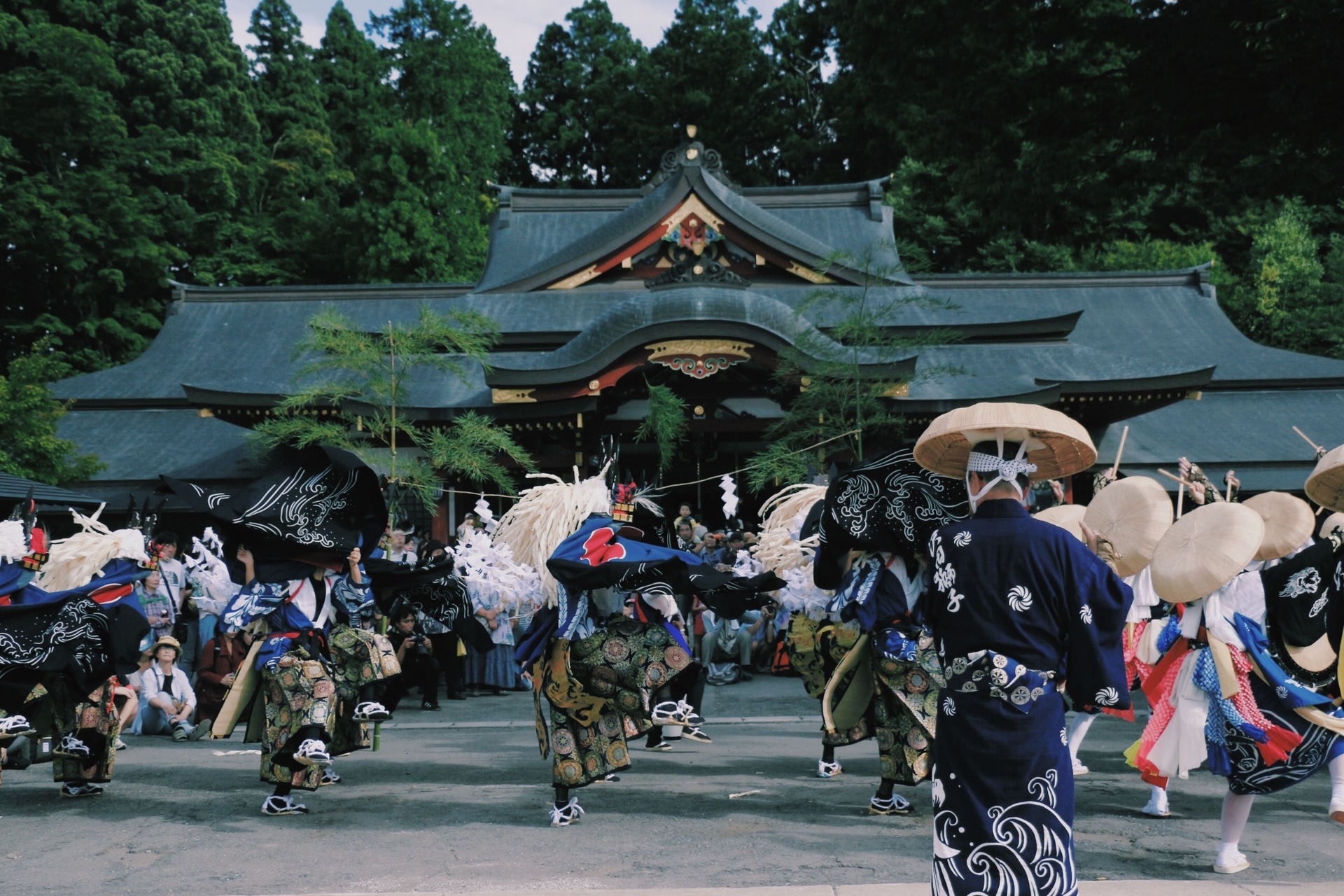
The single best reason to attend Sansa Odori as a foreign visitor is the “dare-demo odori” — literally “anyone can dance” — session that typically runs on the final evening. Unlike the choreographed parade, this is an open, participatory dance where festival organizers teach a simplified version of the sansa steps to anyone who wants to join, tourists included. Staff and friendly locals will happily walk you through the basic footwork (a simple back-and-forth step with fan or hand movements) right there on the street.
You don’t need a costume, though renting a yukata from one of the pop-up rental stalls near the festival grounds (roughly ¥3,000–5,000, or $20–34, for same-day rental including dressing) will make you feel like part of the celebration rather than a spectator. Local dance groups are typically thrilled to see visitors participating — Sansa Odori doesn’t get the international tourist crowds of Nebuta or Kanto, so genuine curiosity and a good-natured attempt at the steps go a long way toward warm interactions with locals.
Beyond the Parade: Morioka City Highlights
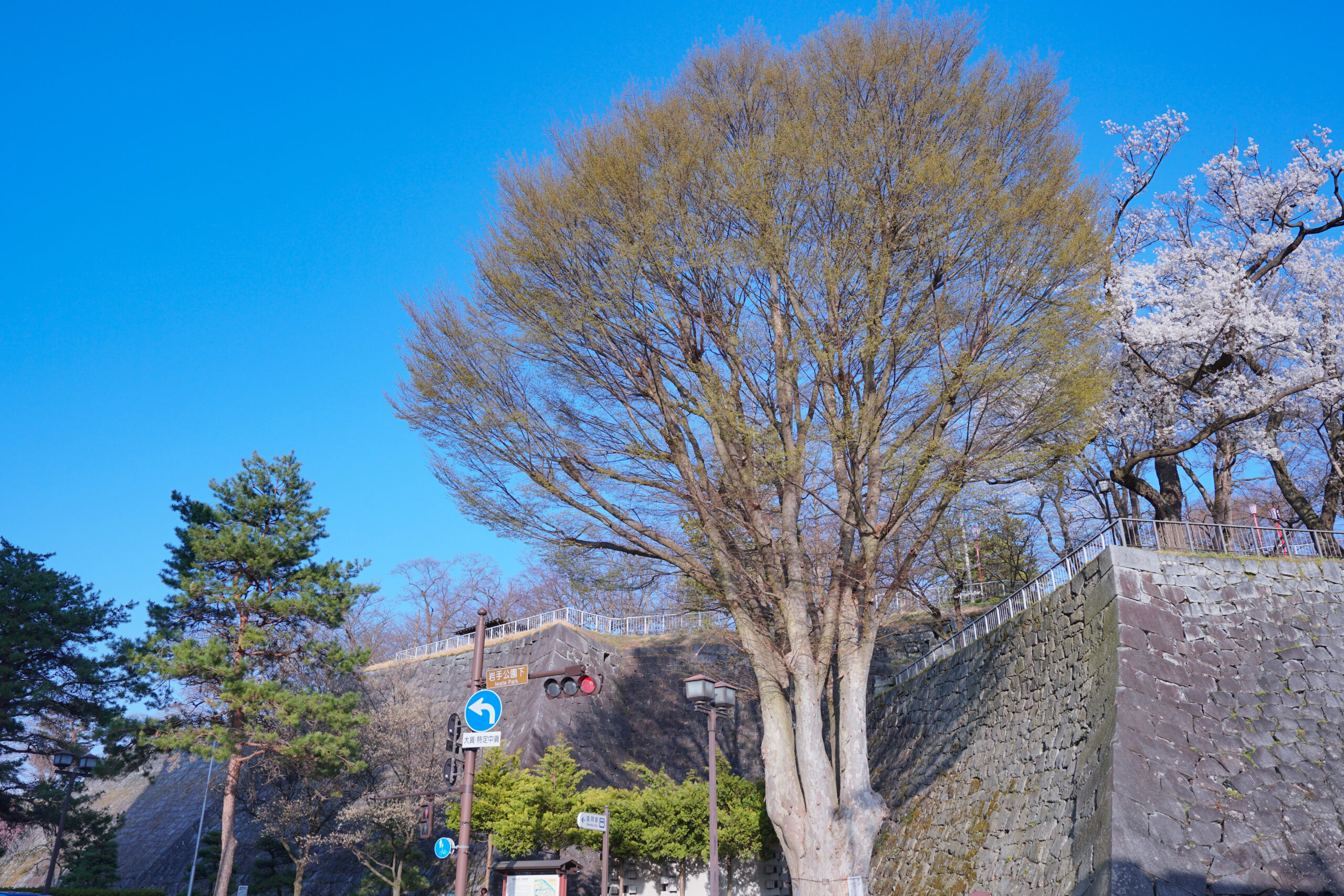
Sansa Odori is reason enough to visit, but Morioka rewards a full day or two of exploring. The city sits at the confluence of three rivers (Kitakami, Nakatsu, and Shizukuishi) with Mount Iwate — often called the “Nanbu Fuji” for its resemblance to Mount Fuji — visible on clear days from central streets. Morioka Castle Ruins Park (Iwate Koen), a 10-minute walk from the festival route, offers a peaceful contrast to the parade’s energy: massive stone ramparts from the Nanbu clan’s 17th-century castle, now a public park perfect for a quiet morning walk before the evening’s festivities.
The city is also Japan’s noodle capital in its own right — Morioka is famous for three distinct noodle dishes: wanko soba (an all-you-can-eat bottomless soba experience where servers keep refilling your bowl until you cap it), jajamen (thick flat noodles topped with miso meat sauce, Chinese-influenced and utterly addictive), and reimen (cold, chewy noodles in a spicy-sweet broth, originally Korean-influenced). Doing a “noodle crawl” through all three in one day is a Morioka rite of passage.
If you have extra time, Nanbu Tekki ironware workshops around the city let you watch — or even try — traditional cast-iron kettle making, a craft Morioka has practiced for over 400 years and one of Japan’s most recognizable design exports.
Best Time to Visit
- Spring (March–May): Mild and green, with cherry blossoms around Morioka Castle Park in mid-to-late April — a lovely time to explore the city without festival crowds.
- Summer (June–August): Sansa Odori runs August 1–4 every year; this is peak season for the festival but also for humidity and heat (average highs around 82°F/28°C, occasionally hitter). Book accommodation at least a month ahead.
- Autumn (September–November): Comfortable temperatures and excellent foliage in nearby Geibikei Gorge and Hachimantai, making this a great shoulder-season base.
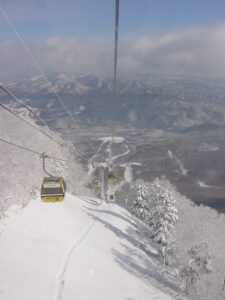
- Winter (December–February): Cold and snowy (average lows around 21°F/-6°C), but Morioka’s hot springs and noodle culture make it a cozy winter stopover, and nearby Appi Kogen and Shizukuishi offer excellent skiing.
Where to Eat: Morioka Food Guide
Morioka’s food scene punches well above its size, blending hearty Tohoku comfort food with genuine culinary craftsmanship. Here’s where to start.
Azumaya Honten (Wanko Soba)
One of Morioka’s most famous wanko soba houses, where servers keep dropping small bowlfuls of soba into your bowl until you flip the lid closed to signal “enough.” The record is well over 500 bowls (each is only a few bites), but most visitors finish around 15–30, roughly equivalent to 2–3 normal servings. Expect to pay around ¥3,300 ($22) for the all-you-can-eat course. Located a short walk from Morioka Station.
Pairon (Jajamen)
Widely credited as the originator of jajamen, this unassuming restaurant near Morioka Station serves the thick udon-like noodles topped with sweet miso meat sauce, cucumber, and ginger — mix thoroughly before eating. A bowl runs about ¥600–750 ($4–5). Regulars save the last bites, crack a raw egg into the bowl, and ask staff to add hot broth for “chitantan,” a bonus soup finish included in the price.
Fukuoka Reimen or Shinsen Reimen (Reimen)
Try Morioka reimen at one of the city’s yakiniku restaurants that also serve this cold noodle specialty — the chewy, translucent noodles in icy, subtly spicy broth are especially refreshing during the humid festival season. Expect ¥900–1,200 ($6–8) per bowl.
Where to Stay
Budget (Under ¥8,000 / $55 per night)
Morioka has several well-reviewed hostels near the station, including guesthouses offering dorm beds from around ¥3,000 ($20) and simple private rooms from ¥6,000–7,500 ($40–50). During Sansa Odori week, book well in advance as budget options sell out first.
Mid-Range (¥8,000–¥20,000 / $55–$135)
Business hotels clustered around Morioka Station (chains like APA Hotel, Route Inn, and Dormy Inn) offer comfortable, compact rooms from roughly ¥9,000–15,000 ($60–100) per night, many with direct access to the station and easy walking distance to the festival route.
Luxury (¥20,000+ / $135+)
For a splurge, consider staying at a hot spring ryokan in nearby Tsunagi Onsen, about a 30-minute bus ride from central Morioka, where you can soak away the day’s dancing in an outdoor bath overlooking Lake Gosho — rooms with dinner and breakfast included typically run ¥25,000–40,000 ($170–270) per person.
Practical Tips for Visiting Sansa Odori
- Book accommodation at least 3–4 weeks ahead for early August — Morioka has fewer hotel rooms than bigger festival cities, so options fill up.
- Wear comfortable shoes; you’ll likely be standing or walking for hours along the parade route.
- Bring cash — many yatai food stalls and small rental shops don’t accept cards, though convenience stores and larger businesses do.
- Check the exact festival dates each year on the official Morioka tourism site, as schedules can shift slightly.
- Arrive early (by 5:00 pm) for a good viewing spot, especially on the final night when the community dance session draws bigger crowds.
- Pack a light rain jacket — August in Iwate can bring sudden showers, and the parade continues rain or shine.
- Free coin lockers at Morioka Station are useful if you’re doing the festival as a day trip with luggage.
- Learn a few basic Japanese festival phrases — “sugoi!” (amazing!) and “ganbatte!” (go for it/well done!) are perfect shouts of encouragement for passing performers.
- If the heat is intense, duck into one of the shopping arcades (Saien or Chuo-dori’s covered sections) for air conditioning between troupes.
- Consider combining your trip with nearby Hiraizumi (UNESCO World Heritage temples, about 40 minutes south by train) for a fuller Iwate itinerary.
Sample 2-Day Itinerary
Day 1
Morning: Arrive in Morioka via Shinkansen, check into your hotel, and stroll through Morioka Castle Ruins Park. Grab coffee at one of the historic kissaten (retro coffee shops) near the park. Afternoon: Try wanko soba for lunch, then browse the Nanbu ironware shops and Saien covered shopping arcade. Evening: Head to Chuo-dori by 5:00 pm to claim a spot for the Sansa Odori parade; watch the full 6:00–9:00 pm procession, snacking on yatai street food.
Day 2
Morning: Try jajamen for breakfast or brunch, then take a short bus or taxi ride to Tsunagi Onsen for a relaxing soak and lakeside walk. Afternoon: Return to central Morioka for reimen and last-minute souvenir shopping (look for Nanbu tekki cast-iron pieces and local sake). Evening: If your dates align, join the “dare-demo odori” community dance for a final-night highlight before heading back to Tokyo or onward to Hiraizumi and the Sanriku Coast.
Related Articles You Might Enjoy
- Wanko Soba Challenge in Morioka: Japan’s Most Entertaining Food Experience & the City’s Three Great Noodles
- Nanbu Tekki: The Complete Guide to Morioka’s Traditional Iron Casting Experience
- Shinjo Festival, Yamagata: Japan’s UNESCO Float Festival Few Foreigners Ever See
- Appi Kogen, Iwate: Japan’s Premier Powder Ski Resort — Complete Guide for Foreign Visitors
- Kuji, Iwate: Japan’s Northernmost Ama Divers & Hidden Amber Museum
Final Thoughts
Sansa Odori is proof that some of Japan’s best experiences are the ones that haven’t made it onto every travel blog’s top-ten list yet. It has all the spectacle of Tohoku’s better-known summer festivals — thousands of performers, centuries of history, a genuinely electric atmosphere — with a fraction of the crowds and a city wrapped around it that rewards slow exploration. Come for the drums, stay for the noodles, and don’t be shy about joining the dance on your last night in town. Morioka has a way of turning first-time visitors into people who quietly start planning their return trip before they’ve even left.
Got questions about planning your Tohoku trip, or spotted something we missed? We’d love to hear from you — drop us a message here.

コメント