Picture a summer night in a quiet mountain-basin city, where twenty-story-tall wooden floats glide down the main street lit up like lanterns, drums pound in unison, and thousands of locals — many of them in matching happi coats representing their neighborhood — sing and dance alongside their float as if it were a family member. That’s the Shinjo Festival (Shinjo Matsuri), and unless you’ve spent serious time in rural Yamagata, there’s a very good chance you’ve never heard of it. That’s exactly why it belongs on your Tohoku itinerary.
Why Shinjo Festival Should Be on Every Japan Itinerary
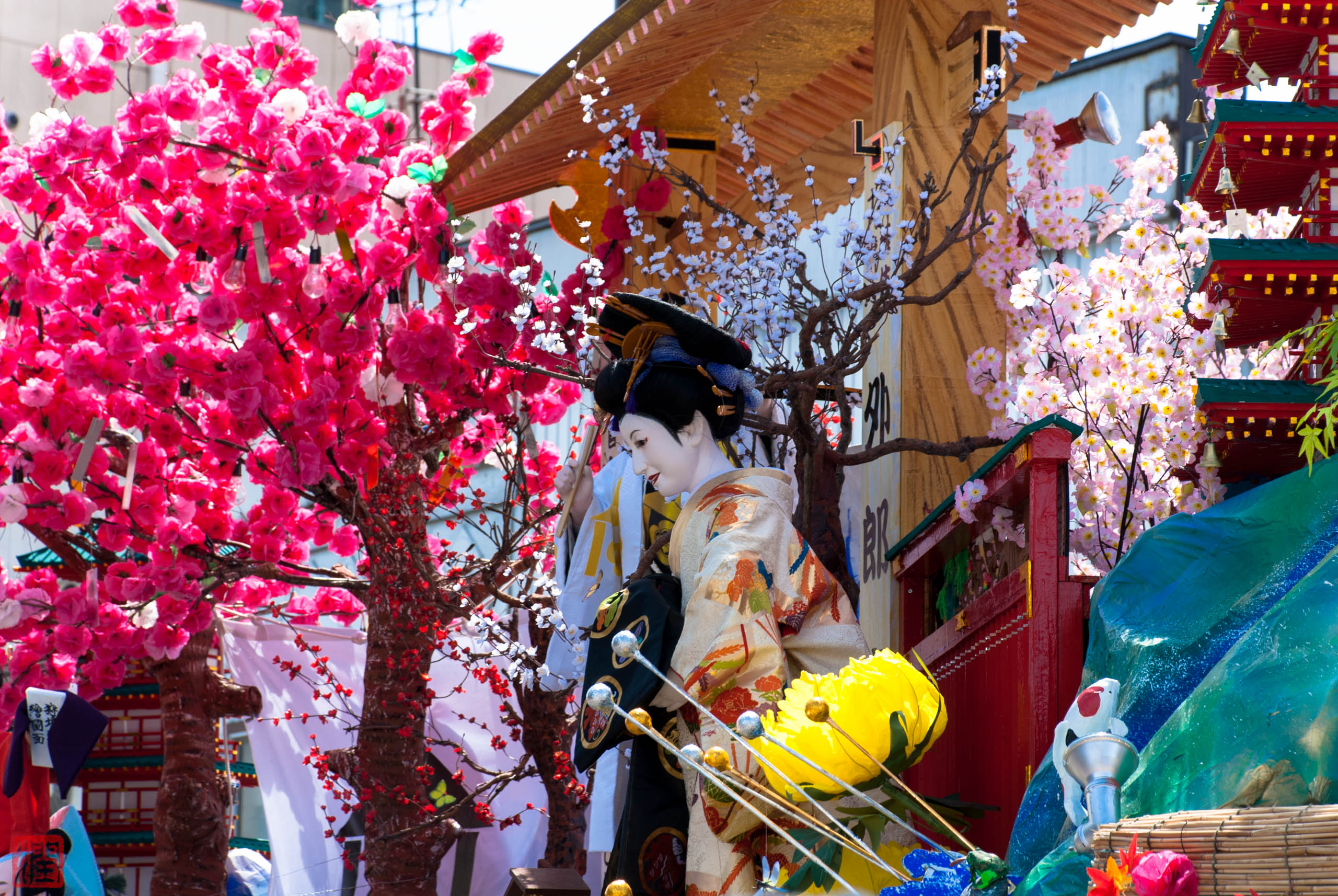
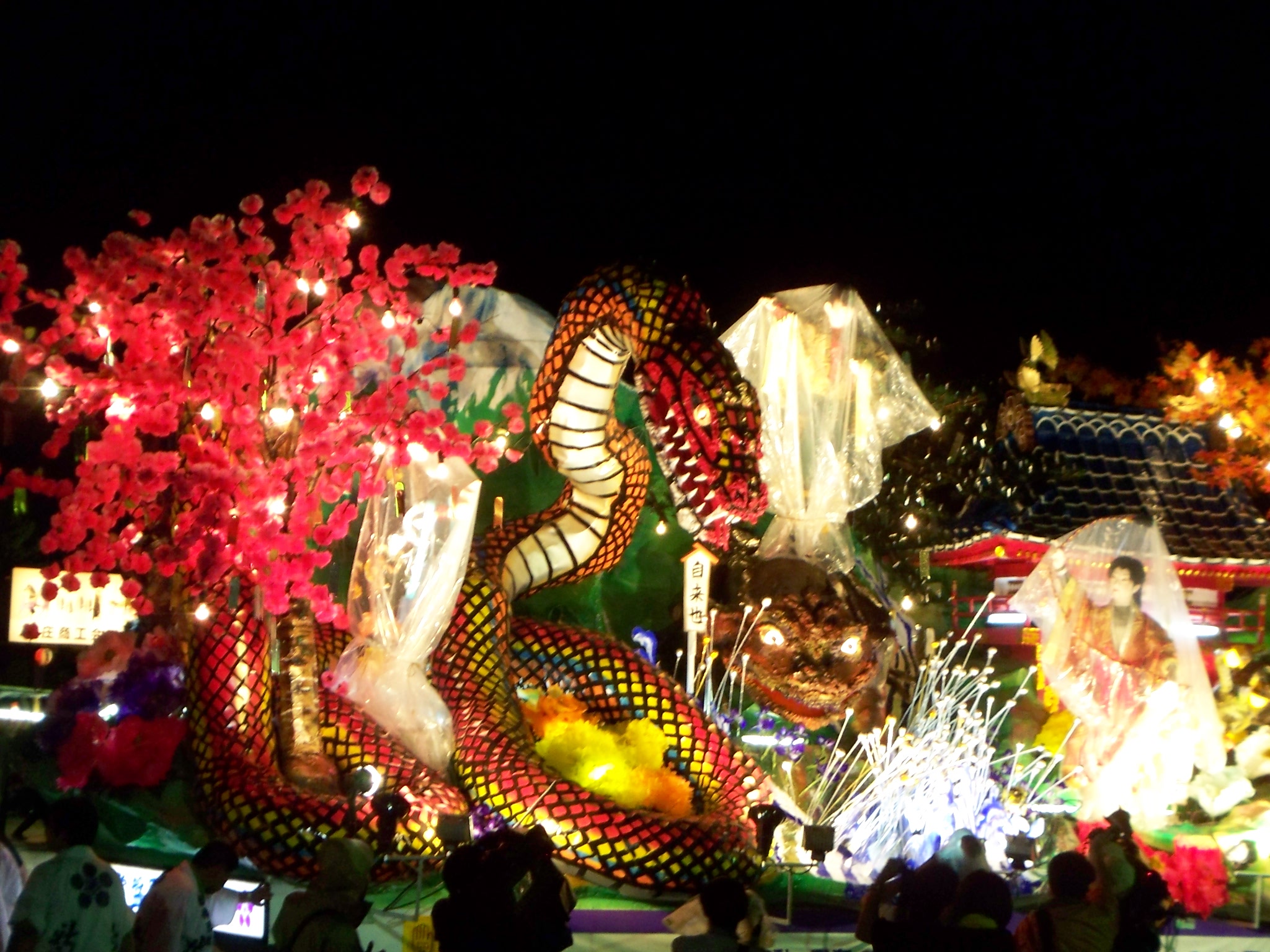
Every August 24–26, the small city of Shinjo in northern Yamagata Prefecture transforms into one of the most spectacular — and least touristed — festival scenes in Japan. Twenty enormous yatai floats, each one a hand-built, hand-painted diorama depicting a scene from history, mythology, kabuki theater, or current events, roll through downtown Shinjo pulled by teams of neighborhood volunteers. Some floats stand over 8 meters (26 feet) tall and take a full year to design and build. In 2016, UNESCO recognized Shinjo Matsuri as part of “Yama, Hoko, Yatai, Float Festivals in Japan,” an Intangible Cultural Heritage designation shared with only 32 other festivals nationwide — including far more famous names like Kyoto’s Gion Matsuri and Kyushu’s Hakata Gion Yamakasa.
What makes Shinjo different from those household names is scale and access. Gion Matsuri draws hundreds of thousands of visitors and requires booking accommodation nearly a year out. Shinjo Matsuri, despite its UNESCO pedigree, remains almost entirely a local affair — you’ll be standing shoulder to shoulder with Shinjo residents, not tour groups, and you can often book a hotel room just weeks in advance. For travelers who want the “wow” of a world-class float festival without the crowds and chaos of Japan’s most famous matsuri, Shinjo is close to unbeatable.
The festival also has real historical weight. It traces back to 1756, when the local feudal lord Toda Masachika, worried about a poor harvest, ordered a festival held to pray to the god of agriculture, Uganomitama-no-Mikoto, for a good crop the following year. That agricultural-gratitude spirit survives today: locals will tell you the floats aren’t built for tourists, they’re built as an offering, and that authenticity is exactly what you’ll feel standing on Shinjo’s main street as a 10-ton wooden float rumbles past you, close enough to touch.
Getting There from Tokyo
- Shinkansen: Take the Tohoku Shinkansen from Tokyo Station to Shinjo Station directly via the Yamagata Shinkansen (Tsubasa line) — about 3 hours 20 minutes, no transfer required. One-way fare is roughly ¥12,000–13,000 (~$80–87 USD) for an unreserved seat, or slightly more for a reserved one.
- Via Yamagata City: If you’re already exploring Yamagata City or Ginzan Onsen, take the Rikuu East Line local/rapid train from Shinjo’s neighbors, or transfer at Yamagata Station onto the Tsubasa Shinkansen north to Shinjo — about 45–55 minutes.
- Rental car: From Sendai, it’s about a 2-hour drive via the Yamagata Expressway and Route 47. From Yamagata City, expect about 1 hour via Route 458 or the expressway. Note that festival nights bring heavy road closures in central Shinjo — plan to park well outside downtown and walk in.
Your JR Pass (7, 14, or 21-day) fully covers the Tsubasa Shinkansen to Shinjo, making this one of the most cost-effective “hidden gem” day trips you can build into a Tohoku rail itinerary — especially if you’re already routing through Yamagata or Akita.
The Three-Day Festival: What Actually Happens
Shinjo Matsuri unfolds over three distinct days, and each has a completely different personality. If you can only make it for one, aim for the evening of Day 2 — but if your schedule allows all three, you’ll come away with a much richer picture of how a UNESCO float festival actually works behind the scenes.
Day 1 (August 24) — Yoimiya, the Eve Festival: This is the “soft opening.” In the early evening, all twenty floats are paraded through town for the first time that year, giving locals (and lucky visitors) their first look at each neighborhood’s creation. The mood is relaxed and celebratory — think of it as a preview screening before the main event. This is actually a fantastic night to visit if you want to see the floats up close without the Day 2 crowds, and it’s when many photographers get their best detail shots of the woodwork and painting.
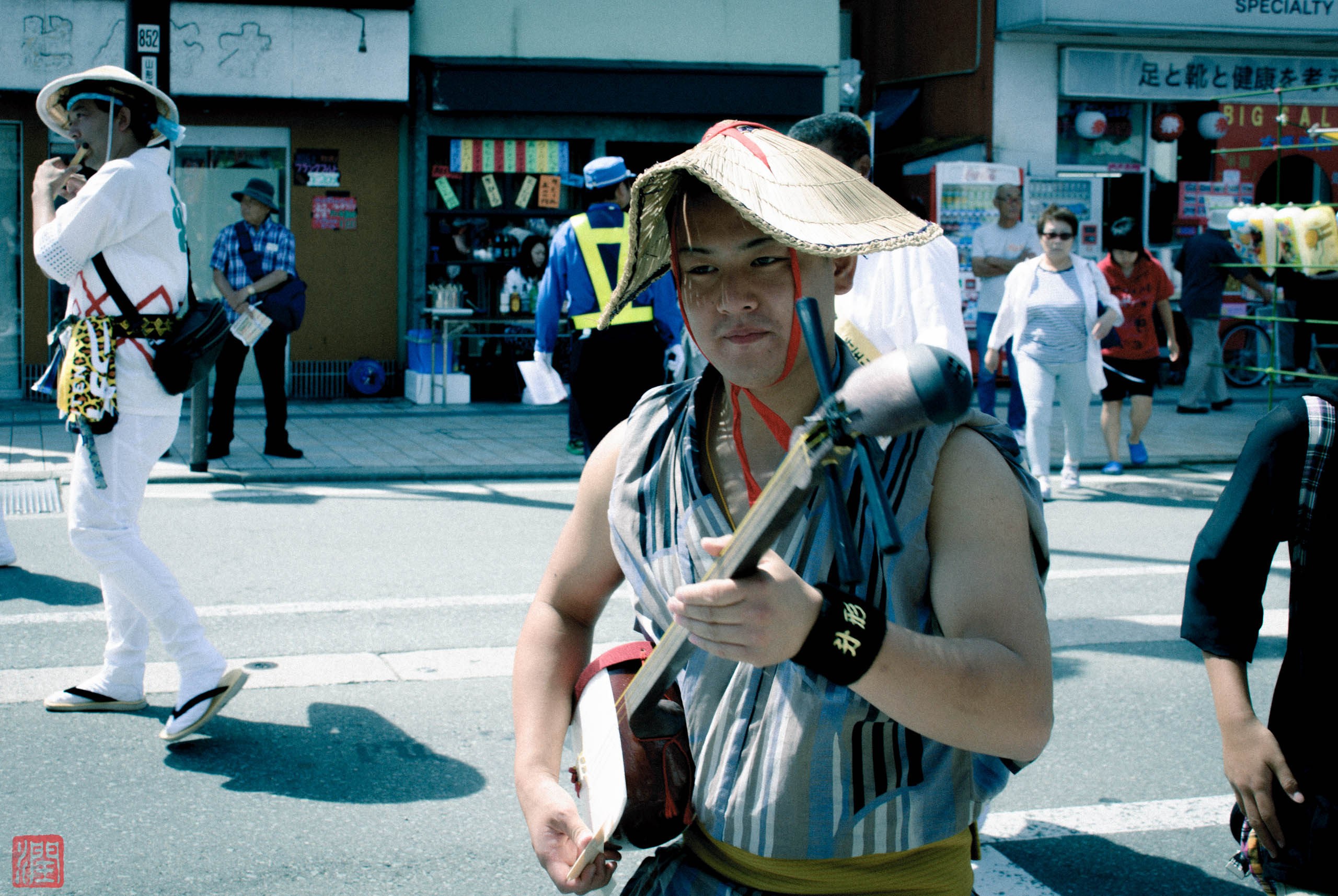
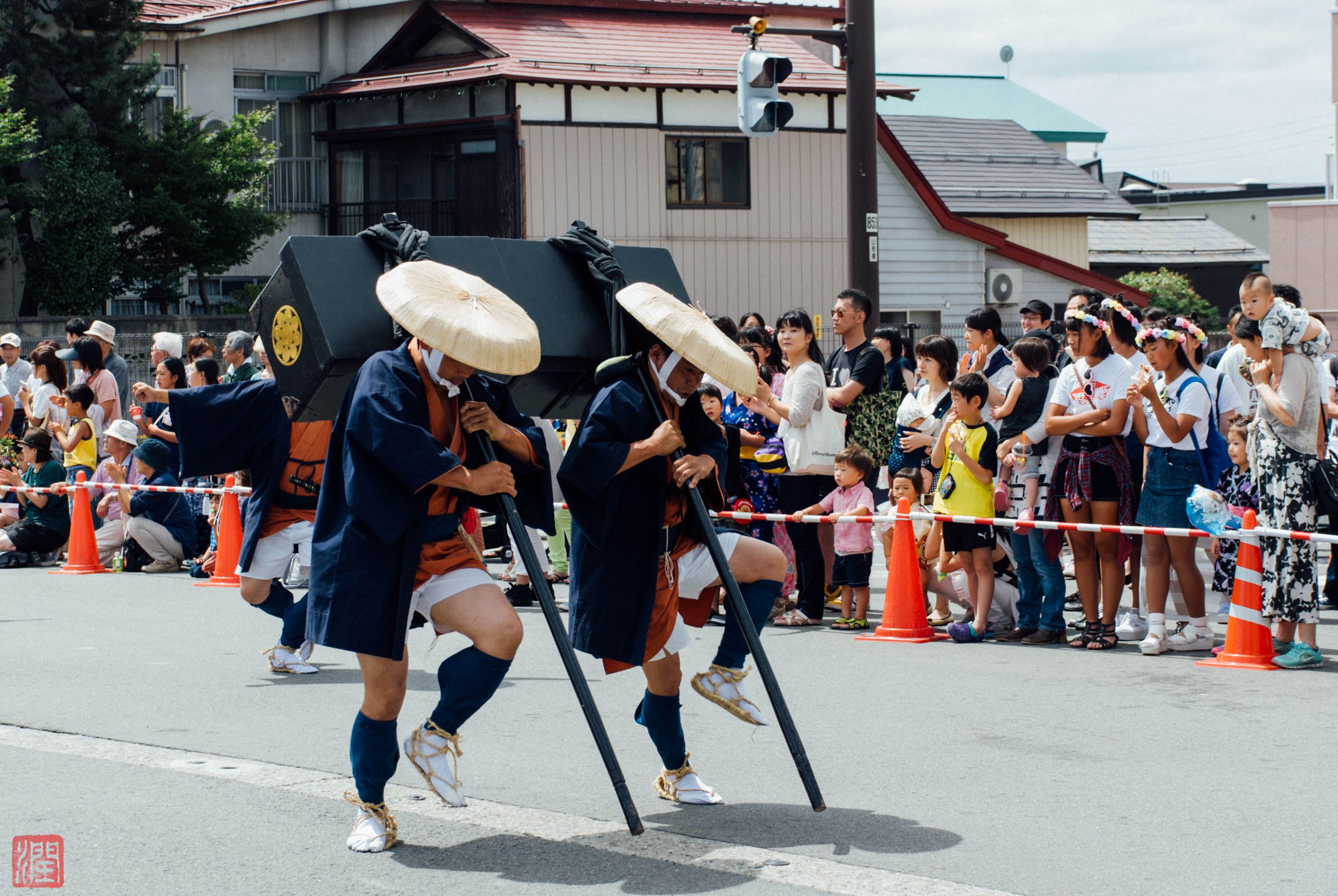
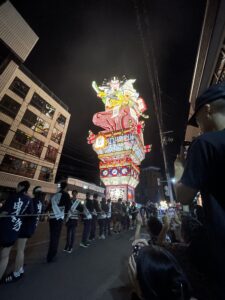
Day 2 (August 25) — Hon-matsuri, the Main Festival: This is the big one. All twenty floats process through the full parade route in central Shinjo, accompanied by taiko drumming, flute music, and chanting. Each float represents a specific neighborhood (chonai), and the volunteers who built it — often three generations of the same families — walk alongside singing and pulling the ropes. The parade typically runs from late afternoon into the evening, and once the sun sets, the floats are lit from within, turning each one into a glowing, moving stage set against the night sky. Expect the sidewalks to be genuinely packed on this night, though nothing close to the crush of Tokyo’s biggest events.
Day 3 (August 26) — Ato-matsuri, the Farewell Festival: The floats make one final procession, a quieter, more reflective send-off before they’re dismantled (many floats are entirely rebuilt from scratch each year — this isn’t a “storage and reuse” operation, it’s genuine annual craftsmanship). If you’re the kind of traveler who prefers a mellower atmosphere with more breathing room to chat with locals and ask questions about the floats, Day 3 is underrated.
Throughout all three days, food stalls (yatai in the food-cart sense, not to be confused with the parade floats of the same name) line the streets near Shinjo Station and the main shrine, selling everything from grilled squid and yakisoba to Yamagata’s famous imoni (taro stew) and cold ramen.
The Craftsmanship Behind the Floats
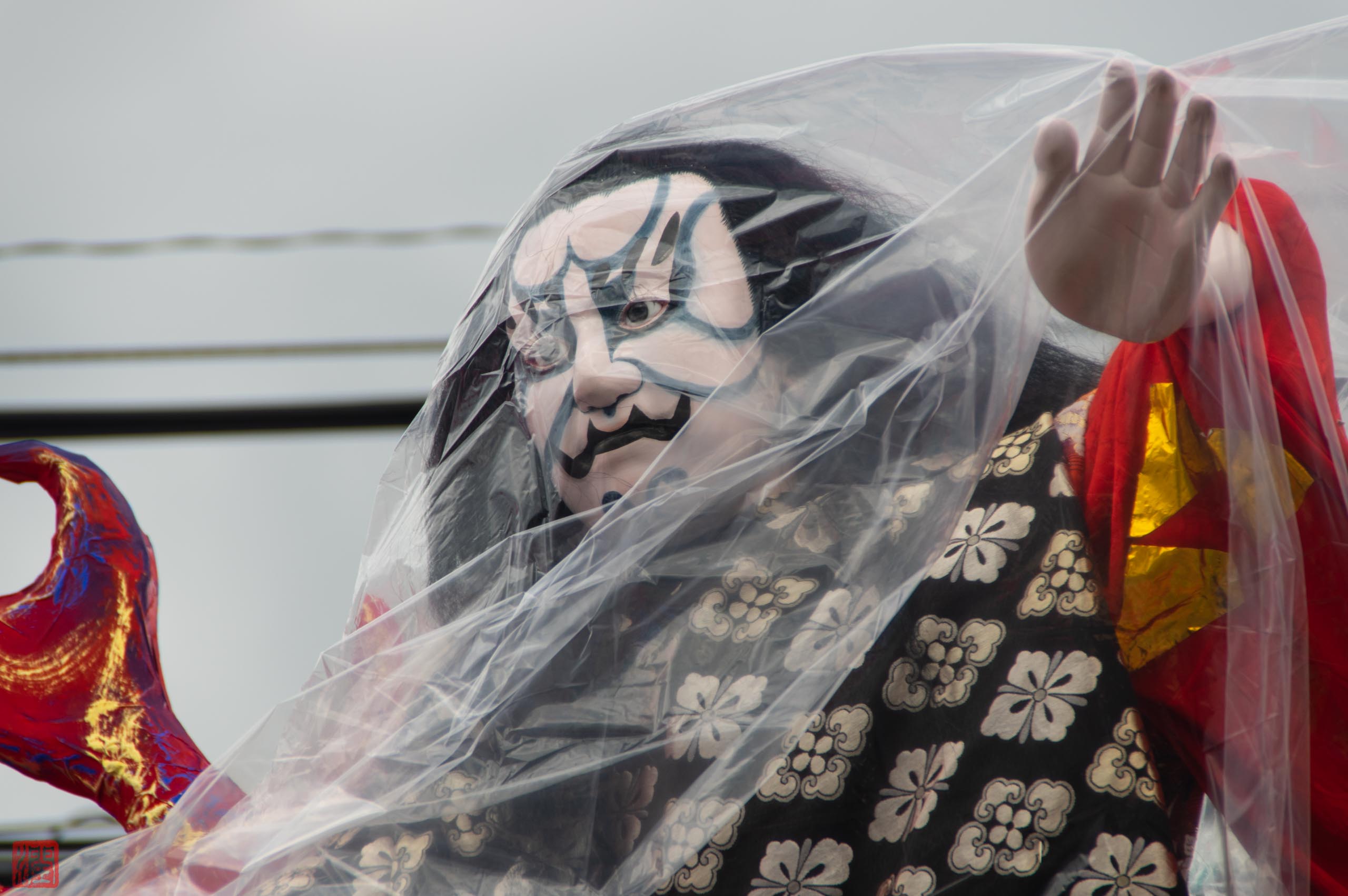
What separates Shinjo Matsuri from a generic “parade with floats” is the sheer artistry involved. Each of the roughly 20 yatai is designed and built by volunteers from its neighborhood association over the course of nearly a full year. Traditionally, the scenes depicted are drawn from kabuki plays, Japanese and Chinese mythology, and historical epics — a float might show a dramatic moment from the tale of the 47 Ronin, a scene from the Tale of Genji, or a mythical battle between gods and demons, all rendered in hand-carved wood, painted cloth backdrops, and increasingly elaborate lighting rigs.
In recent years, some neighborhoods have leaned into contemporary or even pop-culture themes, which creates a fascinating generational contrast as you walk the parade route — a 260-year-old float tradition sitting comfortably alongside a scene inspired by a recent NHK historical drama or a beloved anime. Ask any local proudly standing by their neighborhood’s float and they’ll happily explain the story being depicted; English isn’t common, but enthusiasm is universal, and pointing-and-smiling goes a remarkably long way here.
Because the floats are rebuilt (not just refreshed) most years, there’s genuine local rivalry and pride at stake — bragging rights matter, and you’ll notice neighborhoods sizing up each other’s craftsmanship as the floats pass. It’s a wonderful, unscripted piece of small-town Japan that very few foreign visitors ever get to witness.
Best Time to Visit
- Festival dates (August 24–26): The obvious best time — this is a fixed annual date, unlike many moveable Japanese festivals, so it’s easy to plan around. Late-August heat in the Shinjo basin is significant; daytime highs regularly reach 30–33°C (86–91°F) with high humidity, so pace yourself and hydrate.
- Spring (March–May): Shinjo is quiet and green, a good base for exploring the nearby Mogami River gorge and cherry blossoms without festival crowds — but you’ll miss the main event entirely.
- Autumn (September–November): Beautiful foliage season in the surrounding mountains, and a good shoulder-season alternative if your travel dates just miss the festival.
- Winter (December–February): Shinjo sits in one of Japan’s heaviest snowfall belts — dramatic, atmospheric, and popular with skiers heading to nearby Yamagata resorts, but a completely different, quieter city than the one you’ll see in August.
Where to Eat: Shinjo Food Guide
Shinjo sits at the northern edge of Yamagata’s rich agricultural basin, and the local food scene reflects it — heavy on rice, mountain vegetables, river fish, and the beef and pork raised in the surrounding hills.
Shinjo Cold Ramen (Hiyashi Ramen)
Yamagata Prefecture as a whole eats more cold ramen per household than anywhere else in Japan, and Shinjo has its own devoted following. Look for small local shops around the station area serving noodles in an ice-cold, richly flavored broth topped with chashu, cucumber, and boiled egg — perfect relief on a sweltering festival afternoon. Expect to pay around ¥800–1,000 ($5.50–$7).
Imoni (Taro Stew)
This slow-simmered stew of taro root, beef or pork, mushrooms, and green onion in a soy-and-sake broth is Yamagata’s ultimate comfort food, and you’ll find it ladled out from festival food stalls throughout Shinjo Matsuri. It’s typically ¥400–600 ($3–4) per bowl from a street vendor and absolutely worth seeking out even outside festival season at local restaurants.
Shinjo Soba
The surrounding hills produce excellent buckwheat, and several long-standing soba shops in the old town serve handmade noodles with a distinctly rustic, dark broth style. Try a shop along the old Shinjo castle town streets for an unhurried, traditional lunch between festival sessions — around ¥900–1,300 ($6–9).
Festival Street Food
During the three festival days, the main approach to Shinjo Station and the streets around Motomachi fill with yatai food stalls selling grilled corn, yakitori, taiyaki, ringo-ame (candy apples), and cold beer — budget roughly ¥3,000–5,000 ($20–35) if you want to graze your way through an evening.
Where to Stay
Budget (Under ¥8,000 / $55 per night)
Shinjo has a handful of simple business hotels and guesthouses near the station, such as budget chain options along the main station road — clean, functional, and walkable to the parade route. Book at least 4–6 weeks ahead for festival dates, as Shinjo’s total room inventory is small.
Mid-Range (¥8,000–¥20,000 / $55–$135)
Business hotels like those in the JR-affiliated and regional chains near Shinjo Station offer comfortable Western-style rooms with private baths, usually the sweet spot for festival visitors who want convenience without a big splurge.
Luxury (¥20,000+ / $135+)
For something more special, consider staying at an onsen ryokan in nearby Numajiri Onsen or in Ginzan Onsen (about an hour away), then commuting into Shinjo for the evening parade — this lets you pair the festival with one of Yamagata’s most beautiful hot spring towns. Book ryokan stays for late August very early, as this overlaps with Japan’s Obon holiday travel season.
Practical Tips for Visiting Shinjo Matsuri
- Book accommodation as early as you can — Shinjo is a small city with limited hotel inventory, and it fills up fast for festival dates despite the relatively low foreign-tourist awareness.
- Arrive by mid-afternoon on Day 2 (Hon-matsuri) to claim a good curbside viewing spot before the evening crush.
- Wear breathable clothing and bring a hand towel — late August in the Shinjo basin is hot and humid, and you’ll be standing outdoors for hours.
- Bring cash. Most festival food stalls and many small local restaurants don’t accept cards.
- The parade route runs through central Shinjo near the station — get a paper map from the tourist information counter at Shinjo Station, as festival-day road closures reroute buses and taxis.
- If you want a quieter, more intimate experience, prioritize Day 1 (Yoimiya) or Day 3 (Ato-matsuri) over the busier Day 2.
- Photographers: the golden hour just before the floats are lit up on Day 2 evening offers a beautiful mix of natural and artificial light — get there early to scout your spot.
- This is a genuinely local festival — a smile, a slight bow, and simple Japanese greetings go a long way, as English signage and English-speaking staff are limited compared to Japan’s bigger cities.
- Combine your trip with nearby Ginzan Onsen, the Mogami River gorge boat cruise, or Yamadera temple for an efficient 2–3 day northern Yamagata loop.
- Check the current year’s exact schedule before booking — while the August 24–26 dates are traditional, always confirm via the Shinjo City tourism website closer to your travel date.
Sample 2-Day Itinerary
Day 1
Morning: Take the Tsubasa Shinkansen from Tokyo (or connect from Yamagata/Sendai) and arrive in Shinjo by late morning. Check into your hotel and drop your bags.
Afternoon: Explore central Shinjo on foot — visit Shinjo Castle Ruins Park (Moyama Park) for a quiet green space and a look at the old castle town layout, then browse the small shops around the old merchant streets.
Evening: Head to the Yoimiya (Day 1 eve festival) parade route for your first look at the floats up close in a relatively relaxed atmosphere. Grab dinner from the festival food stalls — imoni and cold ramen are the must-try picks.
Day 2
Morning: Sleep in a bit after a late festival night, then have a slow soba lunch in the old town.
Afternoon: Stake out your viewing spot along the main parade route by 3–4pm for the Hon-matsuri main event. Bring water and a hand fan.
Evening: Watch the full illuminated parade of all twenty floats — this is the festival’s centerpiece and the moment most photos of Shinjo Matsuri you’ll ever see online were taken. Stay for the after-parade energy near the station before heading back to your hotel or catching a late train onward to Yamagata City or Sendai.
Related Articles You Might Enjoy
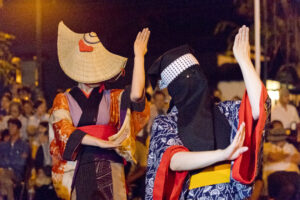
- Yamagata Hanagasa Festival: Complete Guide to Tohoku’s Dancing Parasol Celebration
- Tsuruoka, Yamagata: Complete Guide to Japan’s UNESCO Gastronomic City, Samurai Heritage & Dewa Sanzan
- Yamagata Cherry Picking: Japan’s Cherry Capital — A Complete Guide for Foreigners
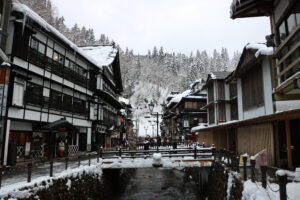
- Ginzan Onsen: Japan’s Most Enchanting Hot Spring Village in Yamagata
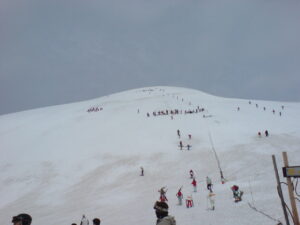
- Gassan Ski Resort, Yamagata: Skiing Into Summer on Japan’s Sacred Mountain
Final Thoughts
Most travelers build their Tohoku trip around the big names — Sendai, the Ginzan Onsen postcard shot, maybe the Nebuta Festival in Aomori if the timing lines up. Shinjo Matsuri rarely makes that list, and that’s precisely its appeal: a UNESCO-recognized, 260-year-old float festival where you’ll be one of only a handful of foreign faces in a crowd of proud, welcoming locals. If your Japan trip falls in late August, rerouting a day or two through northern Yamagata for this festival is one of the best “off the tourist trail” decisions you can make — just don’t expect it to stay this uncrowded forever.
Got questions about planning your Tohoku trip, or spotted something we missed? We’d love to hear from you — drop us a message here.


コメント