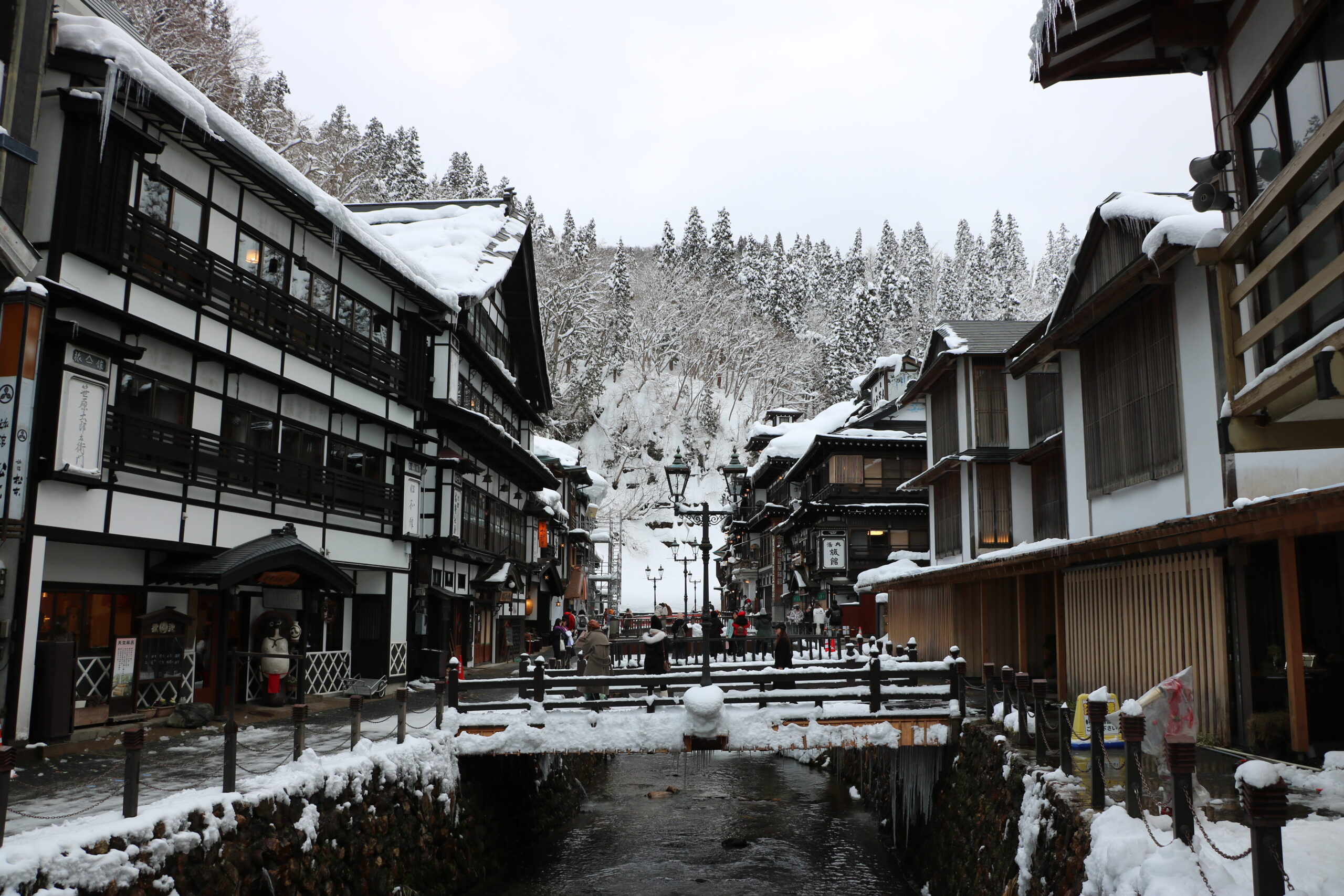
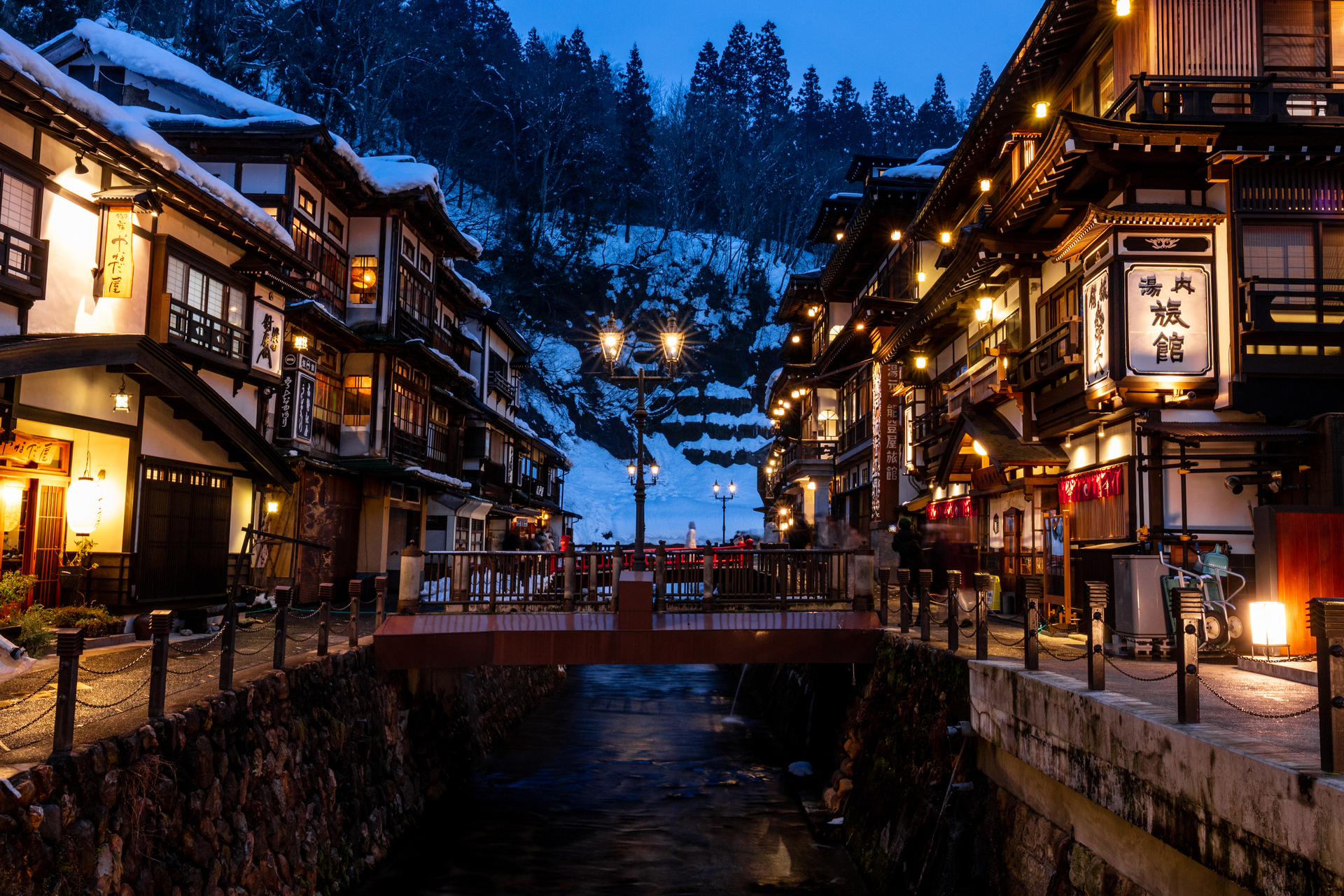
Imagine stepping into a painting: a narrow valley carved by a rushing river, flanked on both sides by four- and five-story wooden inns draped in soft lamplight, snowflakes drifting past gas-lit lanterns, the faint smell of sulfur drifting on winter air. This is Ginzan Onsen, Yamagata Prefecture’s most magical hot spring village, and it is genuinely one of the most beautiful places in all of Japan. Not the most famous, not the most easily reached — but absolutely worth every bit of effort it takes to get there.
Why Ginzan Onsen Should Be on Every Japan Itinerary
Most visitors to Japan follow a well-worn path: Tokyo, Kyoto, Osaka, maybe Nara. Tohoku — the wild, mountainous northeast — barely features in the average itinerary, and that is a genuine shame. Within Tohoku, Yamagata Prefecture is perhaps the most underrated of all: a land of ancient sacred mountains, outstanding sake, some of Japan’s finest rice fields, and one onsen village so perfectly preserved it feels like it was lifted directly from the Taisho era (1912–1926) and placed here untouched.
That village is Ginzan Onsen (銀山温泉, literally “Silver Mountain Hot Spring”), tucked into a narrow gorge in Obanazawa City, about 90 minutes northeast of Yamagata City. The name comes from the Edo-period silver mines that once operated nearby — mines that collapsed in the 17th century, sending the local economy into freefall. The hot springs discovered in the rubble became the new livelihood, and the village that rose around them — particularly the cluster of multi-story wooden ryokan built along the Ginzangawa River in the early 20th century — has defined this place ever since.
There is another reason Ginzan Onsen resonates so deeply with modern visitors: it is widely believed to have inspired the fantastical bathhouse in Hayao Miyazaki’s Academy Award-winning film Spirited Away (千と千尋の神隠し, 2001). Miyazaki himself has never confirmed this directly, but take one look at the towering, wood-and-glass Fujiya Ryokan reflected in the winter river, and you will find it very easy to believe. The resemblance to Yubaba’s Aburaya is uncanny — and it makes walking through Ginzan feel less like travel and more like stepping inside a Studio Ghibli dream.
For American and Australian visitors in particular, Ginzan Onsen offers something genuinely rare: a chance to experience traditional Japan not as a museum exhibit or a tourist performance, but as a living, breathing, working community where people have been coming to soak and heal for centuries. It is not Disneyfied. It is not particularly well-signed in English. It asks a little of you — in effort to reach, in willingness to slow down — and it rewards you handsomely.
A Brief History: Silver Mines, Floods & Rebirth
Ginzan Onsen’s story begins in the 17th century, when silver was discovered in the mountains behind the valley. The mines drew workers and commerce, transforming what had been a remote mountain gorge into a bustling industrial site. But prosperity proved fragile: in 1689, the mines collapsed, and the boom was over almost as suddenly as it had begun. The workers who remained discovered that the ground beneath their feet was rich in a different way — hot spring water, bubbling up from volcanic activity deep below the Ou Mountains.
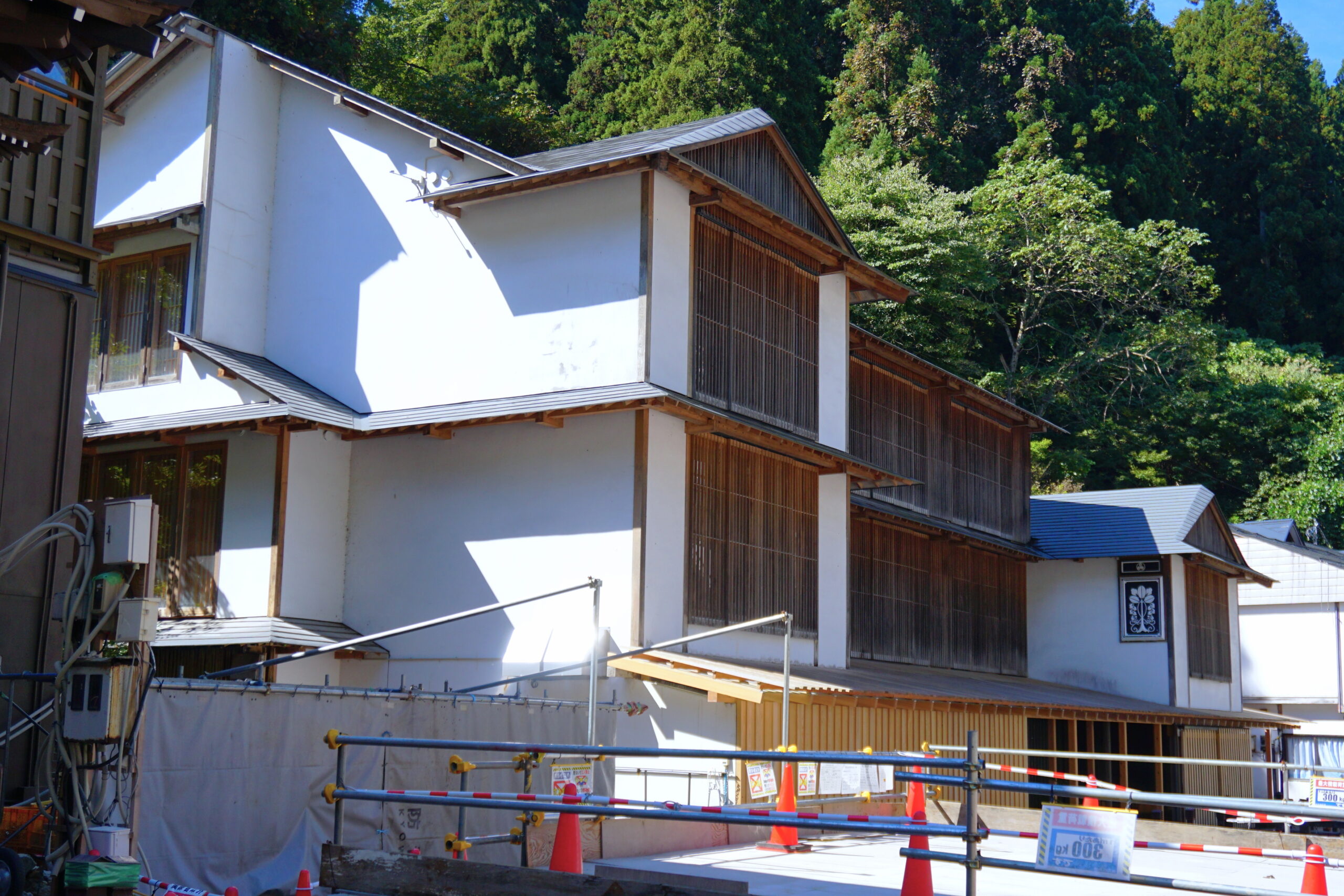
The baths that followed were modest at first, patronized mainly by local farmers and laborers seeking relief from the physical demands of mountain life. The village remained obscure through the Meiji era, but the Taisho period brought a new wave of prosperity. Japan was modernizing rapidly, and the newly wealthy middle class was developing a taste for domestic travel. Ginzan’s ryokan owners invested heavily, constructing the multi-story wooden buildings that still define the village today — buildings that are simultaneously Japanese in their materials and sensibility, and European in their scale and window design. The influence of Art Nouveau can be seen in the carved woodwork and frosted glass; the influence of traditional Japanese architecture is evident in the overhanging eaves and tile roofing.
The village survived World War II largely intact, and the postwar decades brought a new wave of visitors — families on holiday, couples celebrating anniversaries, older guests returning again and again. A catastrophic flood in 1955 destroyed many of the original buildings, but the community rebuilt, and several of the surviving structures have been designated Important Cultural Properties. Today, Ginzan Onsen is among Japan’s most carefully preserved historic hot spring villages, and the local authorities take their stewardship seriously — new buildings must conform to traditional design standards, and the streetscape that greets you today is, in most respects, identical to what visitors would have seen in 1925.
Getting There from Tokyo
- Shinkansen (recommended): Take the Yamagata Shinkansen from Tokyo Station to Yamagata Station (about 2 hours 30 minutes, roughly ¥12,000–¥15,000 / $80–$100 one way). From Yamagata Station, take the JR Ōu Main Line to Ōishida Station (about 50 minutes, ¥820 / $5.50). From Ōishida, take a taxi or bus to Ginzan Onsen — taxis take about 25 minutes and cost roughly ¥2,500–¥3,000 ($17–$20). Some ryokan offer free shuttle pickups for guests.
- Bus option: Mountain buses (Yamagatakotsu) run seasonally between Ōishida Station and Ginzan Onsen. The service is more limited in winter, so check schedules in advance. The bus journey takes about 35 minutes and costs around ¥750 ($5).
- From Sendai: Take the Yamagata Shinkansen or a local express train to Yamagata (about 1 hour), then follow the same route above. Total journey time from Sendai is around 2 hours 30 minutes.
- Rental car: If you’re doing a road trip through Tohoku, driving to Ginzan Onsen is very practical. From Yamagata City, it’s about 60 kilometers (37 miles) and takes roughly 1 hour via Route 347. The approach road through the mountains is spectacular in all seasons. Note that the village itself is pedestrian-only; park at the designated lot just outside the main street.
- JR Pass: The Yamagata Shinkansen is covered by the JR Pass (and the regional JR East Tohoku Area Pass). The bus from Ōishida is not covered but is very inexpensive.
A note on timing: Ginzan Onsen is a year-round destination, but the road into the valley can be closed during heavy snowfall. If you’re visiting in winter (December through March), check road conditions before departure. Most ryokan guests arrive by taxi or shuttle in winter, which bypasses this concern entirely.
The Main Street: Where Time Stands Still
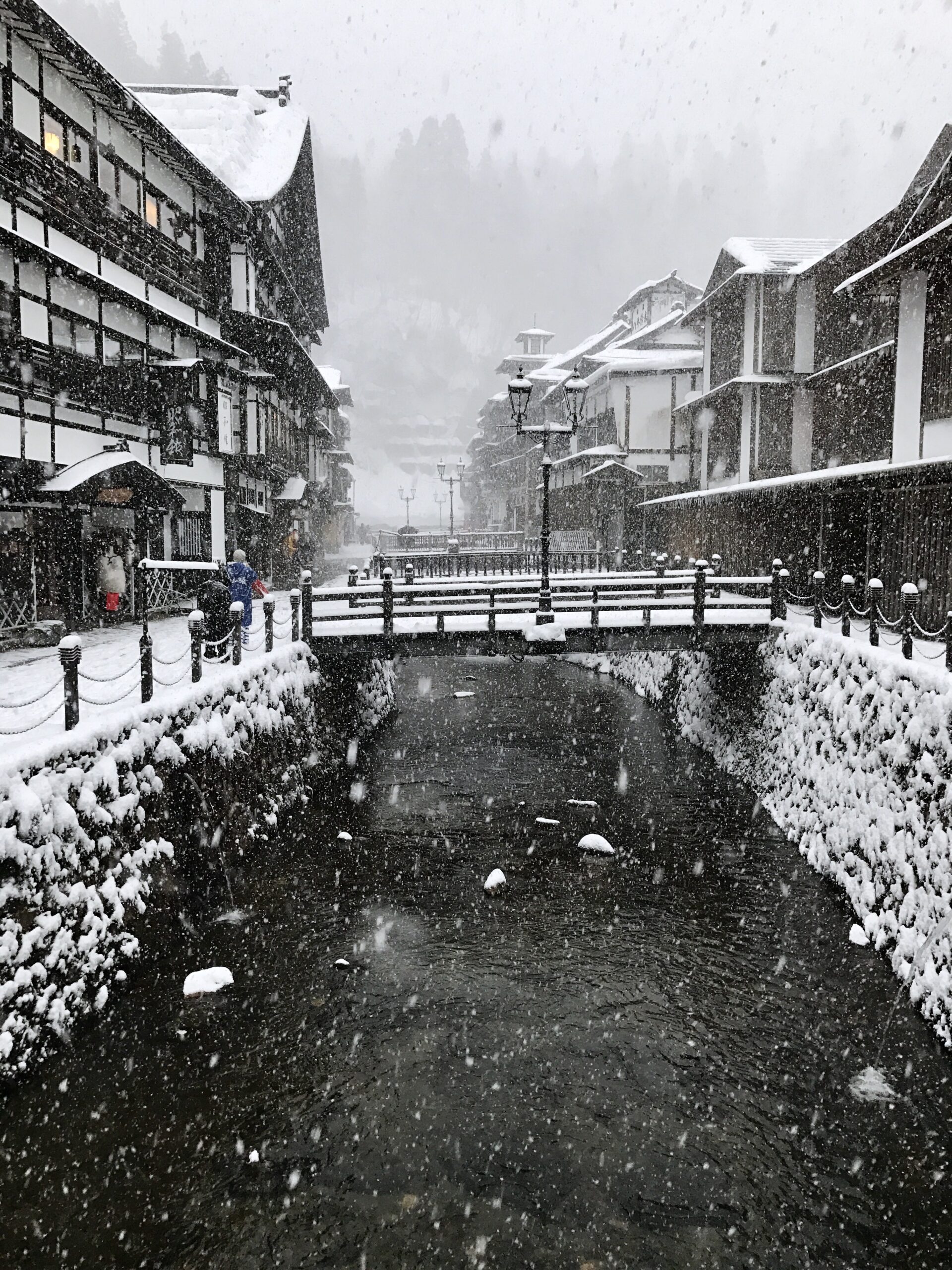
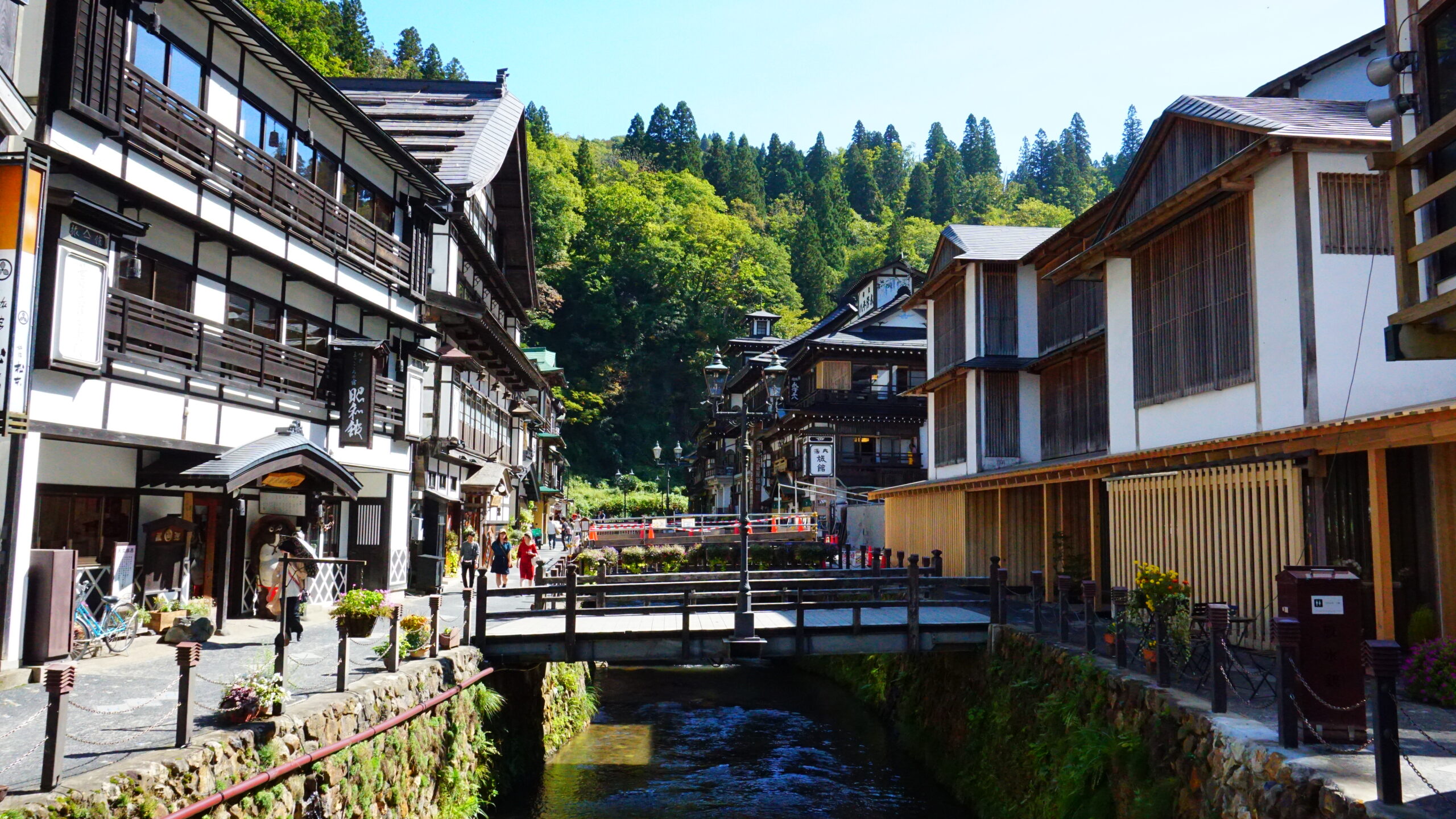
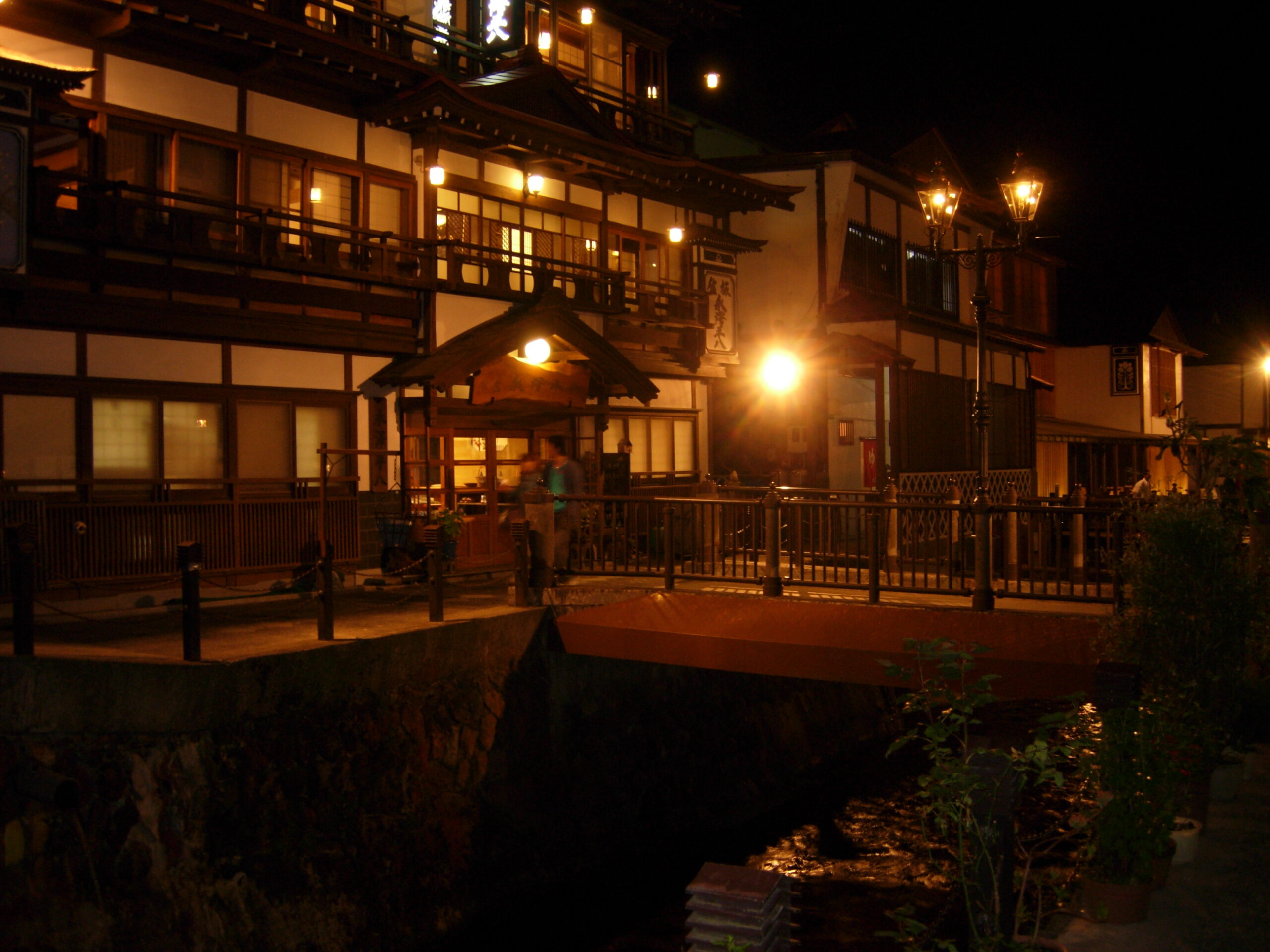
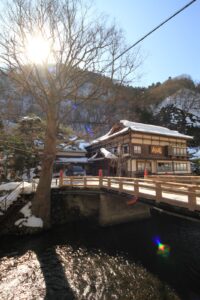
The heart of Ginzan Onsen is the Ginzangawa River Promenade — a cobblestone path that runs along both banks of the narrow Ginzangawa River for about 400 meters (a quarter mile). This is not a long walk, but it is among the most atmospheric in Japan. On your left and right, the ryokan rise three, four, and five stories above the water, their wooden facades clad in the warm tones of aged cypress and pine. Gas lanterns — genuine gas lanterns, not electric imitations — line the path, and at dusk they cast a golden glow that transforms the already-beautiful scene into something genuinely otherworldly.
The most iconic buildings are clustered toward the far end of the promenade. The Fujiya Ryokan, built in 1921 and redesigned after the 1955 flood into its current five-story form, is the one that photographers invariably aim for. Its distinctive stepped facade and the way it is reflected in the river on still evenings is the image that most people associate with Ginzan Onsen. Just across the river, the Shirogane-yu public bathhouse offers a glimpse into the communal bathing culture that has sustained this village for centuries.
Walk slowly. Most visitors rush through in under an hour, but the village rewards those who linger. Watch the light change on the wooden facades. Listen to the river — the Ginzangawa is fast and loud here, its white water filling the narrow canyon with constant, soothing sound. Look up at the windows of the ryokan and catch glimpses of guests in cotton yukata robes, carrying small towels toward the baths. Notice the seasonal details: winter snow piling on the narrow rooftops, spring cherry blossoms arching over the footbridges, autumn maples turning the hillsides gold above the valley rim.
At the far end of the promenade, the village gives way to a forested path that leads up the valley. This is where the true adventure begins for those willing to put on their walking shoes.
The Takimi Waterfall & Valley Hike
Beyond the main ryokan strip, the Ginzangawa Valley opens into a narrow gorge that leads upward through cedar and maple forests to the Shiraitonotaki — the White Thread Falls, a delicate curtain of water that drops about 26 meters (85 feet) over a moss-covered cliff. The hike from the village to the falls is just 20 minutes on a well-maintained path, and it is well worth the effort. In autumn, the surrounding trees light up in brilliant reds and oranges. In winter, the waterfall partially freezes into dramatic ice formations. In summer, the forest provides cool relief from Japan’s humid heat.
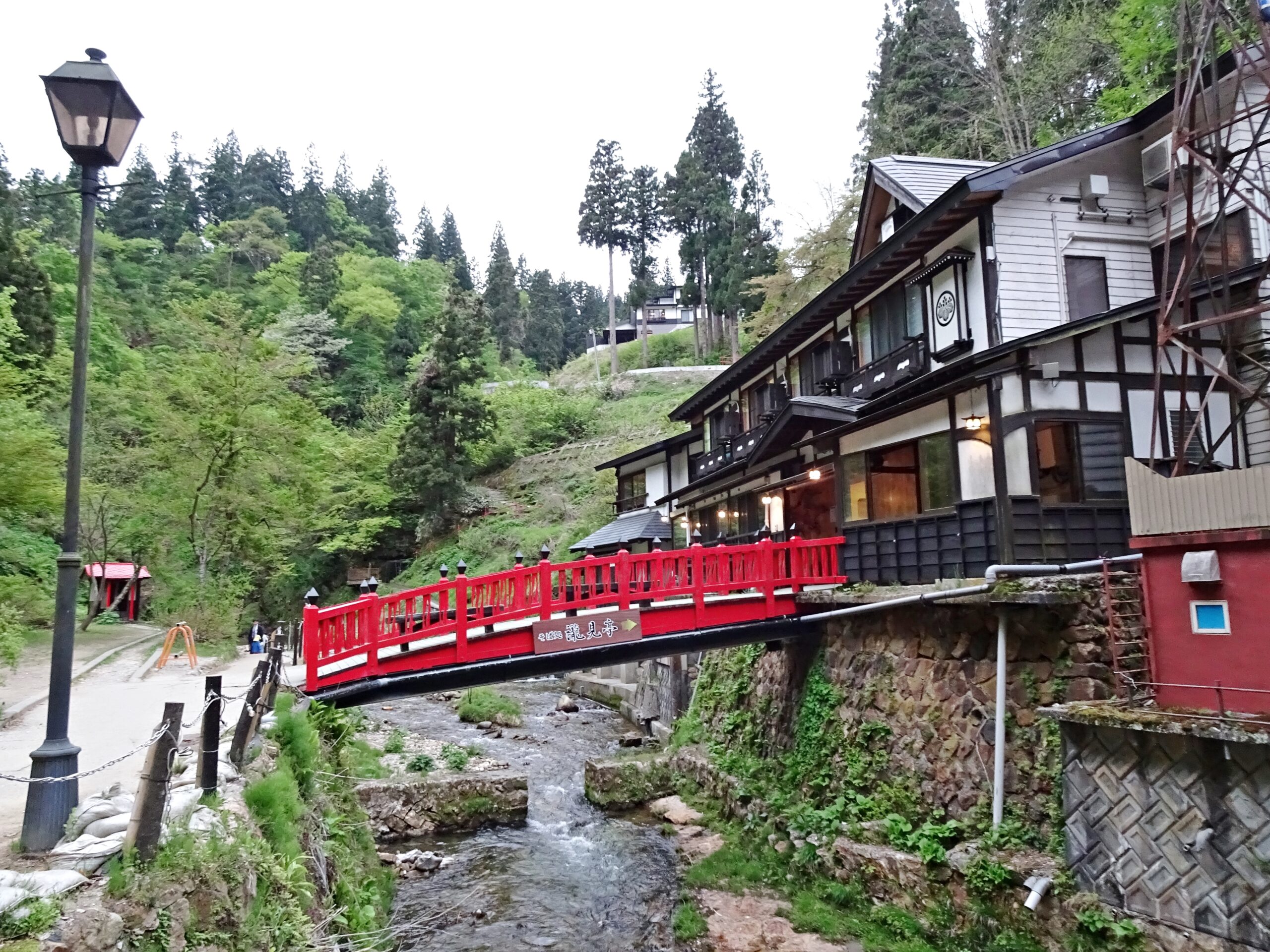
Along the way, you’ll pass the Takimi-tei, a traditional footbridge with views back down the valley toward the ryokan. This is perhaps the best angle from which to photograph the village: looking back through the trees at the wooden buildings huddled in the narrow gorge below. On foggy mornings, the village literally disappears into the clouds from this vantage point — a sight that feels less like travel photography and more like witnessing a miracle.
For those with more energy, trails continue up from the waterfall into the Zao Quasi-National Park mountains above. These are serious hiking routes requiring proper gear, but even a short ascent rewards you with sweeping views over the valley and, on clear days, glimpses of the distant Ou Mountains. Always check conditions with your ryokan before heading up — routes can be icy and unmarked in winter.
The Onsen Experience at Ginzan
Ginzan’s hot spring water is sodium chloride-sulfate in composition — a silky, slightly salty mineral water that leaves your skin feeling extraordinarily soft. The therapeutic benefits that drew workers here in the 17th century are still celebrated today: the springs are traditionally said to aid muscle recovery, improve circulation, and promote relaxation. Whether or not you believe the health claims, the experience of slipping into a properly hot Japanese bath after a long day of traveling is one of the great pleasures this country offers, and Ginzan’s settings make it exceptional.
Most visitors experience the onsen through their ryokan — each of the dozen or so inns has its own private baths, some with beautiful wooden tubs, some with stone, and a few with small rotenburo (outdoor baths) overlooking the river or the forest. But there are also two public bathhouses for those not staying overnight:
Shirogane-yu is the more accessible of the two, located right on the main promenade. This is a simple, unpretentious community bath where locals have been soaking for generations. Admission is around ¥400–¥500 ($2.70–$3.40). There are separate baths for men and women, wooden changing rooms, and a single large indoor tub. It is not fancy, but the water quality is excellent and the atmosphere is wonderfully authentic.
Kashiwaya Sotoyu is a slightly more elaborate public bath located at the upper end of the village, near the trailhead for the waterfall. It offers both indoor and outdoor tubs, and the outdoor bath in particular — with its views up the forested valley — is among the more magical outdoor bathing experiences in Tohoku. Admission is typically ¥500 ($3.40).
A few essential onsen etiquette reminders for first-timers: wash thoroughly at the shower stations before entering the bath (there will be soap, shampoo, and small stools provided). Tie back long hair so it doesn’t touch the water. Enter the bath slowly — the water is often 42–44°C (107–111°F), which can feel very hot to those unaccustomed to it. Do not bring towels into the water; fold them on the edge of the tub or on your head. And enjoy the silence — onsen culture prizes quiet contemplation over conversation.
Seasonal Highlights: When to Visit Ginzan Onsen
- Winter (December–March): This is unquestionably the most iconic season. Snow accumulates on the rooftops and bridges, the gas lanterns glow against the white, and the mist rising from the hot spring drains mixes with the cold air to create an almost hallucinatory atmosphere. It is cold (temperatures regularly drop to -5°C / 23°F at night), but the ryokan are supremely cozy. Book well in advance — midwinter weekends sell out months ahead. Expect snowfall in January and February.
- Spring (March–May): As the snow melts, the first flowers begin to appear. Cherry blossoms typically bloom in mid-April at this elevation. The surrounding forests are brilliant green, and the waterfall runs full and spectacular. This is a lovely, quieter season with fewer crowds than summer or the peak fall.
- Summer (June–August): The gorge stays relatively cool compared to Japan’s sweltering lowlands, making it a welcome retreat. Fireflies appear along the river in June and early July. The hiking is excellent and the waterfalls run strong. This is the rainy season in early summer, so pack a good jacket.
- Autumn (September–November): The fall foliage season (koyo) transforms the hillsides around Ginzan into a tapestry of red, orange, and gold. Peak colors typically arrive in mid-October at this elevation. This is the most popular non-winter season; book accommodation early.
Where to Eat: Ginzan Onsen Food Guide
Ginzan Onsen is a small village, and most visitors eat at their ryokan — where kaiseki dinner and a traditional Japanese breakfast are typically included in the room rate and are often magnificent. If you’re visiting on a day trip, however, or want to supplement your ryokan meals with local snacks, there are a handful of excellent options along the main promenade.
Hanagasa Café (はながさカフェ)
A charming small café tucked into a historic building near the entrance to the main promenade. It specializes in local desserts, including hanagasa ice cream (a reference to Yamagata’s famous Hanagasa Festival) and warm amazake — a sweet, mildly fermented rice drink that is non-alcoholic and utterly perfect on a cold winter day. Light lunches include regional rice dishes and mountain vegetable sets. Prices are reasonable: drinks around ¥500–¥700 ($3.40–$4.80), light meals ¥800–¥1,200 ($5.50–$8.20).
Ginzangawa-side Stalls
On weekends and holidays, small stalls along the promenade sell local snacks including taiyaki (fish-shaped cakes filled with red bean or custard), roasted corn in summer, and imo-ni (taro stew) in autumn. These are not restaurants but street food moments, and they are very much part of the village atmosphere. Budget ¥200–¥500 ($1.40–$3.40) per item.
Ryokan Kaiseki (for overnight guests)
If you stay overnight — and you absolutely should — the kaiseki dinner included with most room packages is a multi-course affair showcasing Yamagata’s exceptional seasonal ingredients: Yonezawa beef prepared tableside, dashi broth made from locally foraged mushrooms, imoni (taro and meat stew), housemade tofu, fresh mountain vegetables, and pristine river fish. Yamagata is also one of Japan’s premier sake-producing prefectures, and your ryokan will likely offer local labels by the carafe. A typical kaiseki dinner can feel like 10 courses over two hours — pace yourself and savor every dish. This level of cooking, paired with this setting, is one of Japan’s great dining experiences.
Yamagata Regional Foods to Try
While Ginzan Onsen itself has limited dining outside the ryokan, a day trip from Yamagata City or a stopover in Ōishida gives you access to several regional specialties worth seeking out:
- Dashi: A Yamagata condiment (not the soup base — a different word!) made from finely chopped summer vegetables like eggplant, cucumber, and okra mixed with kombu seaweed. Intensely flavorful, eaten over rice. Available at supermarkets and restaurants throughout the prefecture.
- Yonezawa Beef: One of Japan’s Big Three wagyu brands (alongside Kobe and Matsuzaka), raised in the Okitama basin south of the prefecture. If you’re in Yamagata, this is the beef to order.
- Imoni: The autumn soul food of Yamagata — a hearty stew of taro, konjac, meat (beef in Yamagata, pork in Miyagi), and soy-based broth, cooked in enormous iron pots outdoors. A true seasonal experience.
- Sakuranbo (Cherries): Yamagata produces more than 70% of Japan’s cherries, and the season (June–July) is celebrated with almost religious fervor. If you’re visiting in summer, cherries will appear at every breakfast table and in every roadside stall.
Where to Stay
Ginzan Onsen has about a dozen ryokan, ranging from the historic grande dame Fujiya to smaller, more intimate family-run inns. Almost all include two meals (dinner and breakfast). Booking early is essential — particularly for winter and autumn weekends.
Budget (Under ¥20,000 / $135 per person per night including meals)
Notoya Ryokan (能登屋旅館) is one of the more affordable options in the village and is also one of its oldest, with a history stretching back to the Meiji era. The rooms are traditional tatami-mat style with shared or en-suite baths depending on the room type. The evening meal emphasizes simple, honest Yamagata cooking. Rates start around ¥15,000–¥18,000 ($100–$120) per person including two meals — excellent value for what’s included.
Mid-Range (¥20,000–¥35,000 / $135–$235 per person per night including meals)
Takinoya Ryokan (瀧の湯) sits directly above the river with some rooms offering views of the waterfall beyond. The baths here are particularly well-regarded — a combination of cypress-wood indoor tubs and a small open-air bath overlooking the gorge. The kaiseki dinner emphasizes seasonal mountain cuisine with thoughtful sake pairings. Rates typically fall in the ¥25,000–¥30,000 ($170–$200) range per person.
Yomogiya Ryokan is a beautifully maintained mid-size inn with an excellent reputation for its cooking. The baths are private-use (you book a time slot), which many Western visitors prefer. English-language support is better here than at some other properties.
Luxury (¥35,000+ / $235+ per person per night including meals)
Fujiya Ryokan (藤屋) is the most celebrated — and most expensive — inn in Ginzan Onsen. Redesigned by star architect Kengo Kuma (who also designed the Tokyo 2020 Olympic Stadium), the Fujiya combines the historic exterior that everyone photographs with an interior that is a masterpiece of contemporary Japanese design: hand-blown glass, washi paper partitions, bamboo accents, and spa facilities that are among the finest in Tohoku. Rates start around ¥60,000–¥80,000 ($400–$540) per person per night. This is a splurge, but if you are going to treat yourself once during your Japan trip, this is the place to do it. Book at least two to three months in advance.
Practical Tips for Visiting Ginzan Onsen
- Book accommodation far in advance. Ginzan Onsen’s popularity has exploded in recent years, particularly among international visitors. Winter weekends and autumn-foliage weekends (October–November) fill up 3–6 months ahead. For day trips, no booking needed — but arrive early, especially on weekends.
- Day trips are possible but overnight stays are far better. The magic of Ginzan really comes out at dusk and after dark, when the gas lanterns are lit. Day trippers miss the best of it. If you can only do one overnight ryokan in Japan, seriously consider making it Ginzan.
- The village is very small. The main promenade is about 400 meters (0.25 miles) long. You can walk it end-to-end in 10 minutes. Don’t rush — there’s no need to rush here.
- No cars on the promenade. Vehicles are not allowed on the main street. Park at the designated lot near the village entrance (free) or be dropped off by taxi. Your ryokan will arrange transfers if needed.
- Carry cash. While Japan is slowly embracing cashless payments, Ginzan Onsen is a small mountain village. Have ¥10,000–¥20,000 cash on hand; some stalls and the public baths are cash-only.
- Dress warmly in winter. The valley is cold and the streets are cobblestone. Warm layers, waterproof boots, and a good hat are essential from November through April.
- The gas lanterns are lit at dusk. The best photography window is the 30–60 minutes around sunset when the lanterns come on but the sky still holds some color. In winter, this is around 4:00–4:30 PM.
- Tattoos: Japan’s public bath culture traditionally excludes visible tattoos, but the situation is evolving. Private baths (offered by many ryokan upon request) are almost always tattoo-friendly. Ask your accommodation when booking.
- Limited English signage. Ginzan Onsen is authentic enough that English menus and signs are limited. Google Translate’s camera function is your friend. Your ryokan staff, if not English-speaking, will make up for it with extraordinary hospitality.
- Mobile signal can be weak in the narrow valley. Download offline maps (Maps.me or Google Maps offline) before you arrive. Not a problem for relaxing in an onsen, but worth knowing if you’re navigating.
Sample 1-Day Itinerary
Day Trip from Yamagata or Sendai
8:00 AM — Depart Sendai or Yamagata Station on the first train toward Ōishida. The train journey passes through the broad agricultural plains of Yamagata Prefecture, with views of the Zao Mountains rising to the south — a great start to the day.
9:30 AM — Arrive Ōishida Station, take bus or taxi to Ginzan Onsen (25–35 minutes). This early arrival beats the day-trip crowds and gives you the morning light on the village.
10:00 AM — Walk the main promenade. Start at the village entrance and walk toward the Fujiya Ryokan end. Take your time. Cross the bridges. Look at the details of the buildings. Buy a warm drink from a stall or café if they’re open.
11:00 AM — Hike to Shiraitonotaki (White Thread Falls). Follow the path up the valley from the far end of the promenade. The 20-minute walk rewards you with a beautiful waterfall and views back over the village from the Takimi Bridge. Return to the village by noon.
12:30 PM — Public bath at Shirogane-yu. You’ve earned it. The public bath is perfect for a midday soak — quiet and uncrowded during the day. Bring a small towel or rent one inside (¥50).
2:00 PM — Lunch and exploring. Try the village café for a light meal or snacks from a stall. Browse the small shops selling local crafts, sake, and Ginzan-themed souvenirs.
3:30 PM — Return to Ōishida by bus or taxi. From there, connect back to Yamagata or continue your Tohoku journey. If you want to catch the famous lantern-lit evening atmosphere (highly recommended), add a night’s stay and you’ll see this timing reverse — arrivals in afternoon, staying for dusk.
Overnight Stay Option
If you’re staying overnight (strongly recommended), most ryokan have check-in from 3:00 PM. You’ll be shown to your tatami room, offered yukata robes and tea, and given a brief orientation. Bath time is typically from late afternoon — soak before dinner. The kaiseki dinner begins around 6:30–7:00 PM and lasts 1.5–2 hours. Afterward, step outside into the gas-lit promenade for an evening walk — this is when the magic is absolute. Wake early for the morning bath (rotenburo in the mist is extraordinary) and the ryokan breakfast. Check out by 10:00–11:00 AM.
Combining Ginzan with Other Yamagata Destinations
Ginzan Onsen is at its best as part of a broader Yamagata itinerary. The prefecture has so much to offer that it deserves two or three days, and Ginzan works particularly well in combination with:
- Yamadera (立石寺): The spectacular mountain temple complex, about 45 minutes from Yamagata City, where 1,000 stone steps lead up through cedar forest to panoramic views. Equally beautiful in any season, and a completely different experience from the intimacy of Ginzan.
- Yamagata City: The prefecture’s capital deserves at least half a day for its excellent ramen (Yamagata ramen is a distinct and delicious regional style), sake bars, and the lovely Kajo Park area. The city also hosts the famous Hanagasa Festival in early August.
- Zao Onsen: Just an hour south of Yamagata City, Zao Onsen is Yamagata’s other great hot spring town — grittier, larger, and famously home to the “Snow Monsters” (juhyo) that form on the trees each winter. A complete contrast to Ginzan’s refined beauty, and worth combining if you have an extra day.
- Tsuruoka: South of Yamagata along the Sea of Japan coast, Tsuruoka is a UNESCO Creative City of Gastronomy and home to the sacred Dewa Sanzan mountain complex. A full day’s itinerary in itself.
A Note on Responsible Tourism at Ginzan
Ginzan Onsen’s sudden international fame has brought challenges. The village is small — the permanent population is just a few hundred people — and the narrow promenade was never designed for the volume of visitors it now receives on busy weekends. Please be a considerate guest:
- Do not block the narrow paths for extended photo sessions, especially during busy periods.
- Keep your voice down. Ryokan guests are often trying to sleep or bathe nearby.
- Do not step onto private property for photos. The ryokan gardens and river banks visible from the promenade are private.
- Take all litter with you. Waste bins are limited in the village.
- If you can, visit on a weekday. Weekends are significantly more crowded, and the village is far more enjoyable with fewer people.
Related Articles You Might Enjoy
- Kaminoyama Onsen, Yamagata: Japan’s Most Complete Hidden Hot Spring Town — Complete Guide
- Tohoku Winter Onsen & Ryokan Guide: Hot Springs, Snow & Japanese Inn Culture
- Shinjo Festival, Yamagata: Japan’s UNESCO Float Festival Few Foreigners Ever See
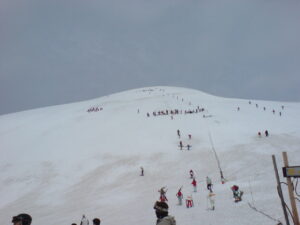
- Gassan Ski Resort, Yamagata: Skiing Into Summer on Japan’s Sacred Mountain
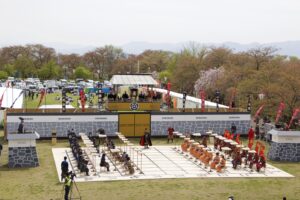
- Tendo, Yamagata: Japan’s Shogi Capital — Human Chess, Master Craftsmen & Cherry Blossoms
Final Thoughts
Ginzan Onsen requires a little planning and a little patience to reach — but it is, without exaggeration, one of the most beautiful places in Japan. It is the kind of destination that makes you feel slightly changed after you leave: more at ease, more attuned to quiet beauty, more convinced that the best moments in travel come not from checking off famous sights but from stumbling into something genuinely magical and letting it slow you down.
The gas lanterns will ignite at dusk whether you’re there to see them or not. The hot spring water will keep flowing up from the volcanic depths of the Ou Mountains. The wooden buildings will keep weathering, kept beautiful by the care of their owners and the moisture in the mountain air. Ginzan Onsen has been waiting here for a very long time. Go. Be still. Soak. Eat something extraordinary. And come back in a different season to see what you missed the first time.
Got questions about planning your Ginzan Onsen visit, or spotted something we missed? We’d love to hear from you — drop us a message here.

コメント