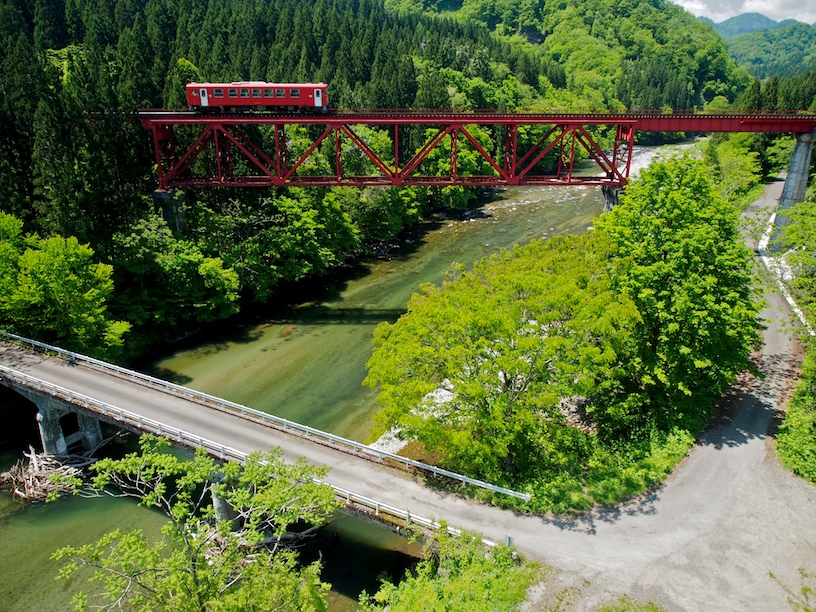
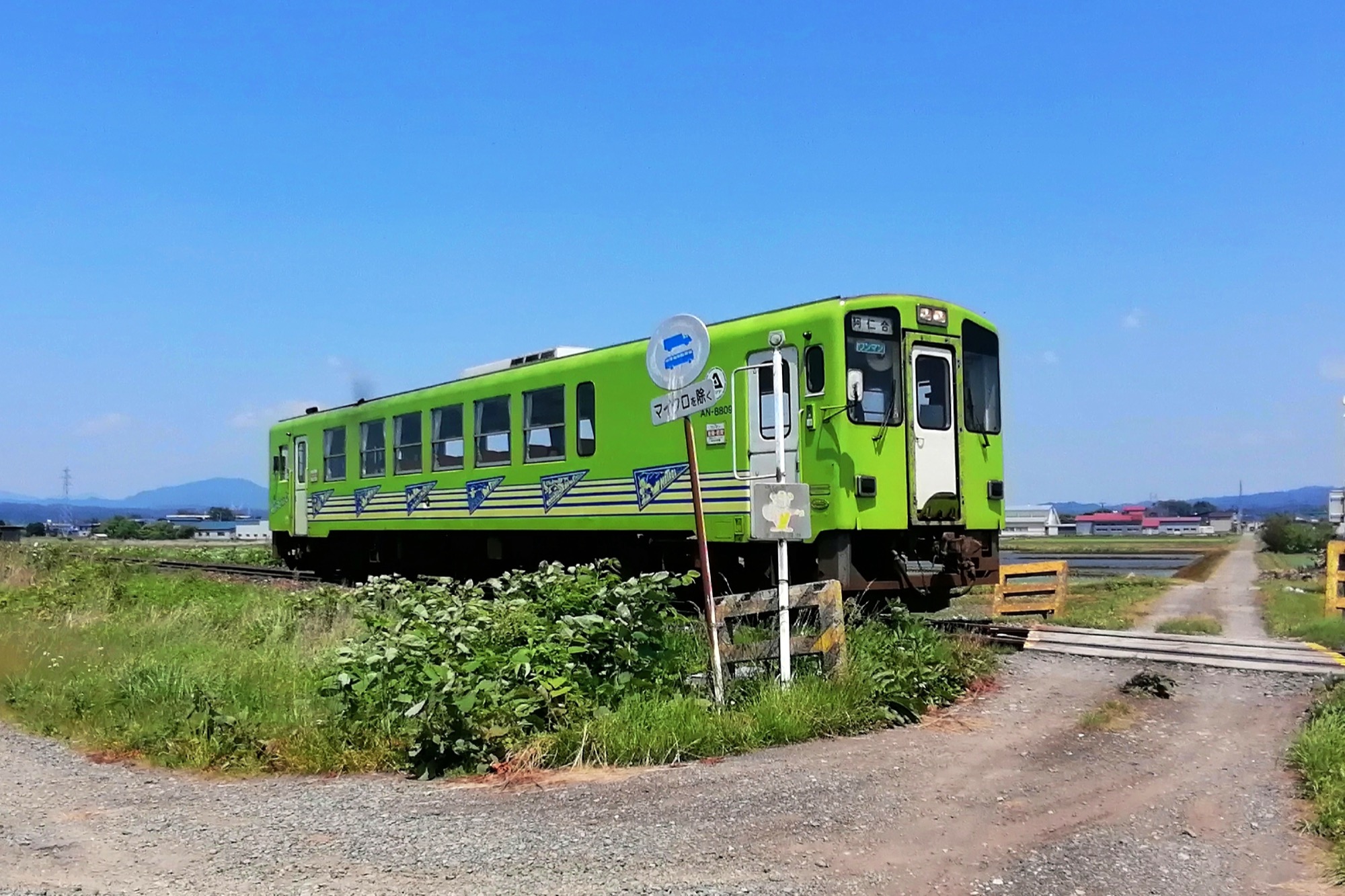
There is a railway in Akita Prefecture that almost no foreign tourist has ever heard of, and that is precisely what makes it extraordinary. The Akita Nairiku Jukan Railway (秋田内陸縦貫鉄道) winds 94 kilometers (58 miles) through the very heart of Akita’s mountainous interior, connecting the samurai town of Kakunodate in the south to the rural outpost of Takanosu in the north. Along the way, it crosses sweeping iron bridges over wild rivers, passes through tiny villages where time appears to have paused somewhere around 1965, and plunges into tunnels beneath mountains that still go by their traditional names. On autumn weekends, the hillsides turn every shade of red and gold imaginable. It is, without exaggeration, one of the most beautiful train journeys in Japan — and the secret has barely leaked.
Why the Akita Nairiku Railway Should Be on Your Japan Itinerary
Japan has no shortage of celebrated scenic railways. The Resort Shirakami train runs along the Sea of Japan coast through UNESCO-listed beech forests. The Tadami Line in Fukushima offers mirror-lake reflections every bit as photogenic as social media suggests. But the Akita Nairiku Jukan Railway offers something different from all of them: genuine remoteness, combined with extraordinary autumn foliage and a deep sense of traveling through a Japan that hasn’t been packaged for tourists.
The railway was originally built in two separate sections: the Kakunodate Line from the south and the Ani Line from the north. These merged in 1989 to form the current through-route, operated by a regional third-sector company that has been fighting financial challenges — and the threat of closure — for decades. Riding the railway is, in a meaningful sense, an act of cultural preservation. The communities along this line depend on the modest revenue that tourist ridership generates to keep their services running.
The core appeal of the Akita Nairiku Railway is the extraordinary mountain landscape it traverses. Akita’s interior is defined by the Ou Mountains, a north-south spine of volcanic peaks that divides the prefecture from Iwate Prefecture to the east. These mountains receive some of the heaviest snowfall in Japan — the same snow that feeds the famous onsen resorts of Nyuto and Tazawa — and in the warmer months, their forests are dense and dark green. In autumn, those same forests ignite into color: yellows, oranges, reds, and purples layering the hillsides in combinations that professional photographers travel from across Japan to capture.
Crucially, the Akita Nairiku Railway connects naturally to two of Tohoku’s most beloved destinations: Kakunodate, with its perfectly preserved samurai district and cherry blossom weeping willows, and the Nyuto Onsen area with Lake Tazawa. This means you can build a genuinely outstanding two-to-three day itinerary that flows organically from one extraordinary experience to the next, using the railway as its scenic spine.
Getting There: Access from Tokyo & Sendai
The Akita Nairiku Railway is most easily accessed from either end of the line, and both ends connect to the Tohoku Shinkansen network.
From Tokyo to Kakunodate (Southern End)
- Shinkansen: Take the Komachi Shinkansen from Tokyo Station to Kakunodate Station directly. Travel time: approximately 2 hours 40 minutes. Fare: approximately ¥15,000–¥17,000 (~$100–$113 USD) one-way. JR Pass holders ride for free.
- Kakunodate is also served by local trains on the Akita Shinkansen line, meaning it’s a natural first stop on a journey to Akita City, Nyuto Onsen, or Lake Tazawa.
From Tokyo to Takanosu (Northern End)
- Via Akita: Take the Komachi Shinkansen to Akita Station, then transfer to the JR Ou Main Line for Takanosu. Total journey: approximately 4 hours. Alternatively, some travelers access Takanosu from the south via the Noshiro area on the Sea of Japan coast.
- Most travelers find it easier and more scenic to start from Kakunodate and travel north, ending at Takanosu and continuing west toward Noshiro or returning by bus.
From Sendai
- Take the Shinkansen north to Morioka (45 minutes) or Akita (1 hour 20 minutes), then connect as above. From Morioka, you can reach Kakunodate via Tazawako Line (about 45 minutes).
Important note: The Komachi Shinkansen and the Tazawako Line (which connects Shinkansen stations to Kakunodate) are covered by the JR Pass. The Akita Nairiku Railway itself is NOT covered by the JR Pass — you’ll need to purchase a separate ticket or pass for the local line.
The Full Route: What You’ll See Along the Way
The complete Kakunodate-to-Takanosu journey takes approximately 2 hours 40 minutes by the express “Moriyoshi” service, or up to 3 hours 30 minutes on local trains that stop at every small station. Both options have their merits: the express gives you uninterrupted views from the panoramic windows, while the local gives you the chance to step out at tiny rural stations and breathe mountain air that feels hundreds of miles from civilization.
Southern Section: Kakunodate to Aniai (about 1 hour)
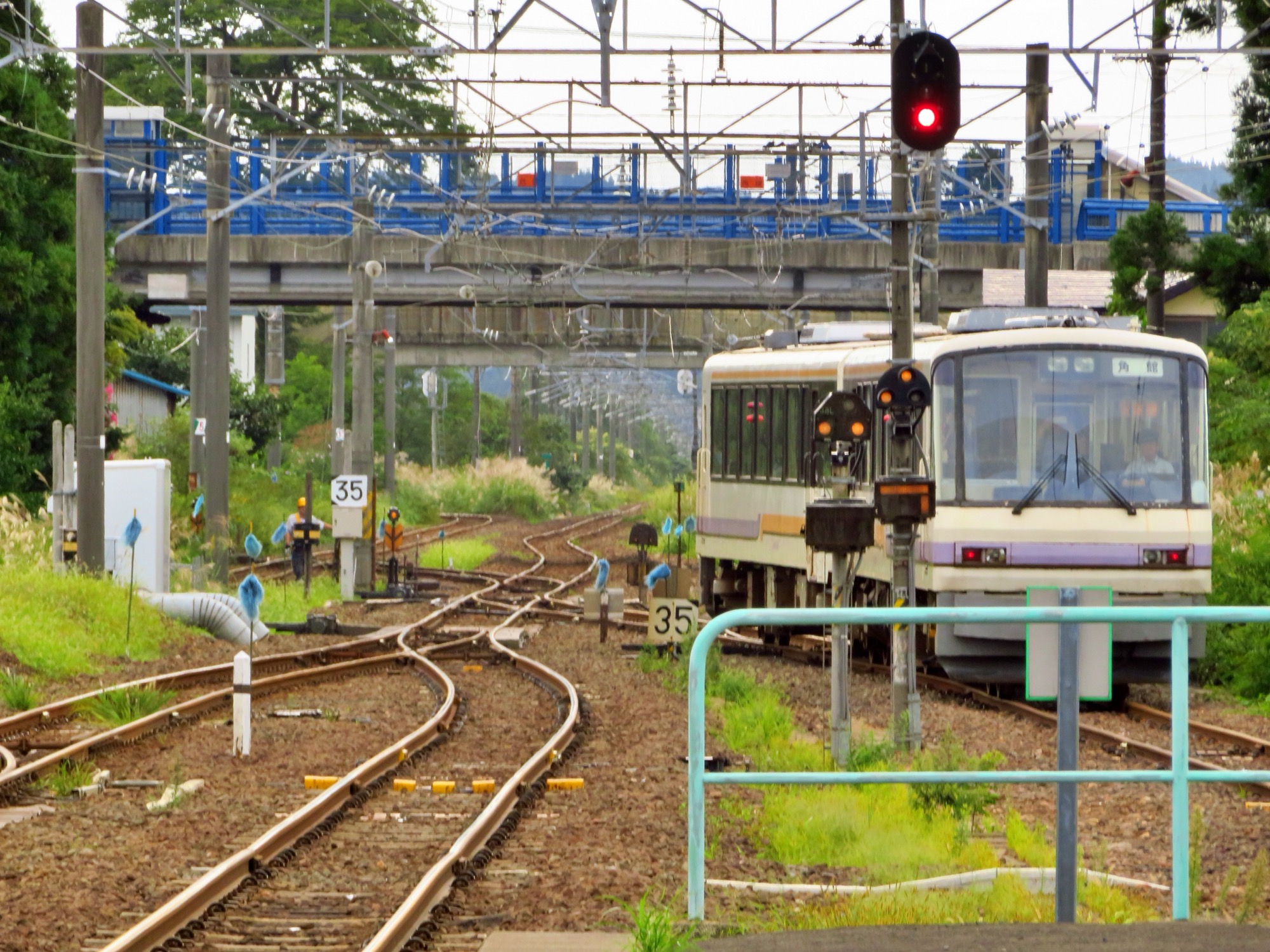
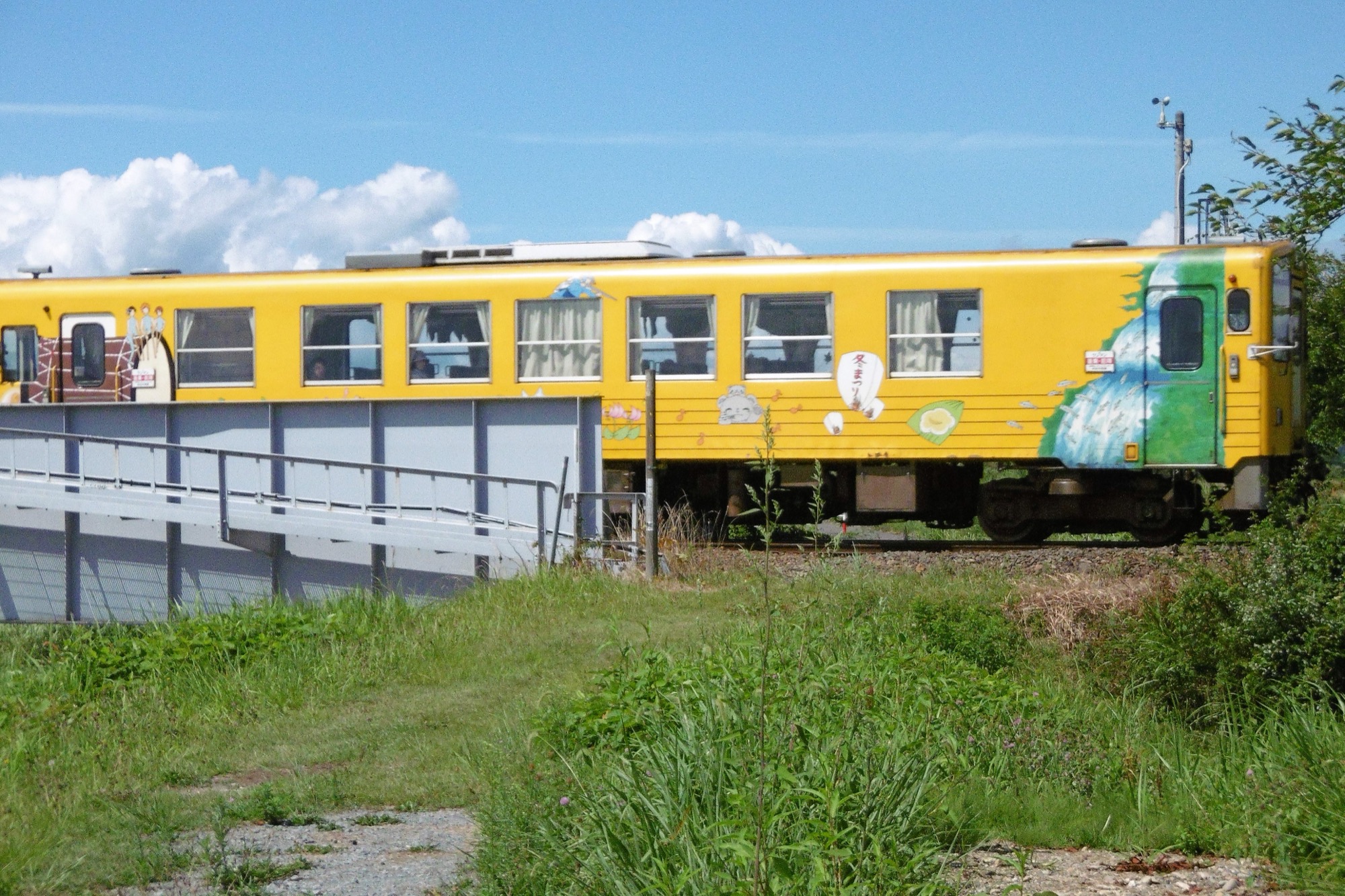
The journey begins at Kakunodate Station, where the quaint local train — typically a single or double diesel car painted in the line’s distinctive colors — sits waiting on a short platform dwarfed by the more imposing Shinkansen infrastructure nearby. From Kakunodate, the line moves quickly into the mountains, climbing steadily through cedar forest and farmland. The rice paddies and traditional farmhouses in the valleys give way to increasingly dense woodland as the train gains altitude.
The first major highlight is the series of bridge crossings over tributary rivers — clear, fast-flowing mountain streams whose water has a distinctive blue-green tint from mineral content. On sunny autumn days, the combination of orange-red hillsides reflected in blue-green water and the train’s orange-painted cars creates one of those absurdly photogenic scenes that make you wonder why you haven’t been here before.
Around the halfway point of the southern section, the train passes through the area near Moriyoshi Mountain (森吉山, 1,454 m / 4,770 ft), one of Akita’s most beloved alpine destinations. Known for its own snow monster (juhyo) formations in winter — similar to Yamagata’s famous Zao snow monsters but far less visited — Moriyoshi Mountain is accessible by gondola from the Moriyoshi Ski Resort near the railway’s Aniai station. The mountain is also known for outstanding wildflower meadows in early summer and spectacularly rich autumn color that typically peaks 1–2 weeks before the coastal lowlands.
Aniai: The Heart of Akita’s Mountain Interior
Aniai (阿仁合) is the railway’s largest intermediate station and the natural midpoint of the journey. It’s a small but genuinely charming mountain town surrounded on all sides by forested ridgelines, and it makes an excellent base for exploring the interior if you want to stay overnight rather than completing the full line in a single day.
Aniai is historically known as a bear-hunting region — the Matagi (マタギ), a centuries-old tradition of mountain hunting practiced by local communities in the deep snows of winter, originated in this area. The town has a small but fascinating Matagi Museum (マタギ資料館) that explains this tradition and its cultural significance to the communities of the Akita interior. Entry is a modest ¥300 / ~$2, and the staff are friendly toward curious foreign visitors.
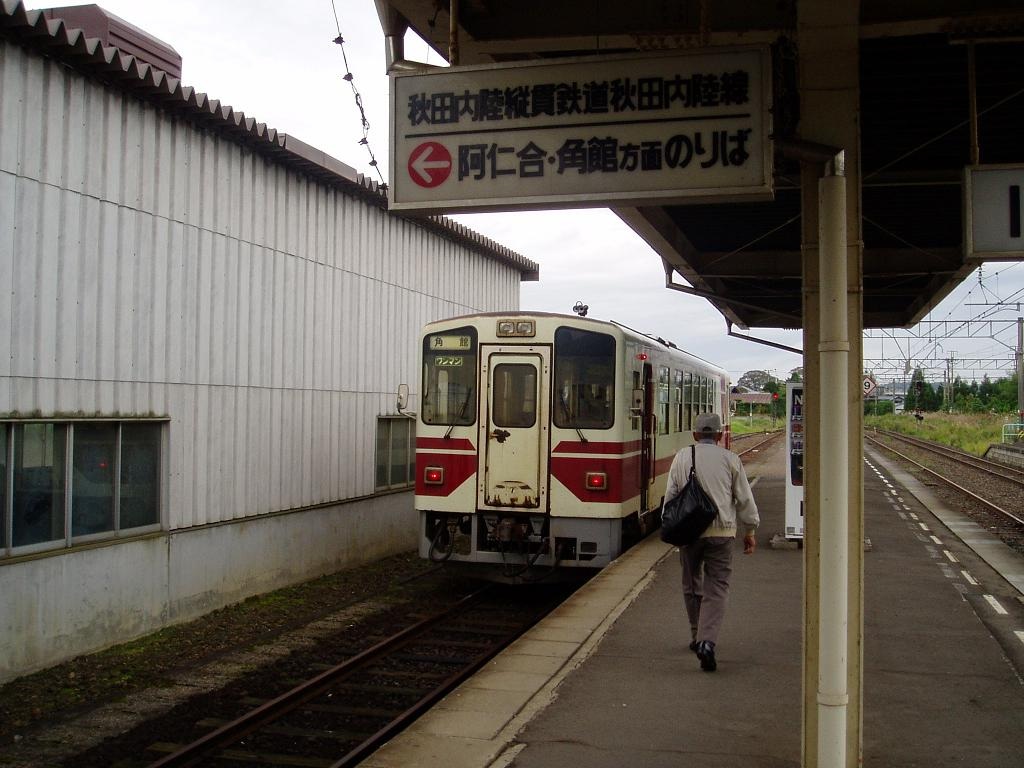
Northern Section: Aniai to Takanosu (about 1 hour 30 minutes)
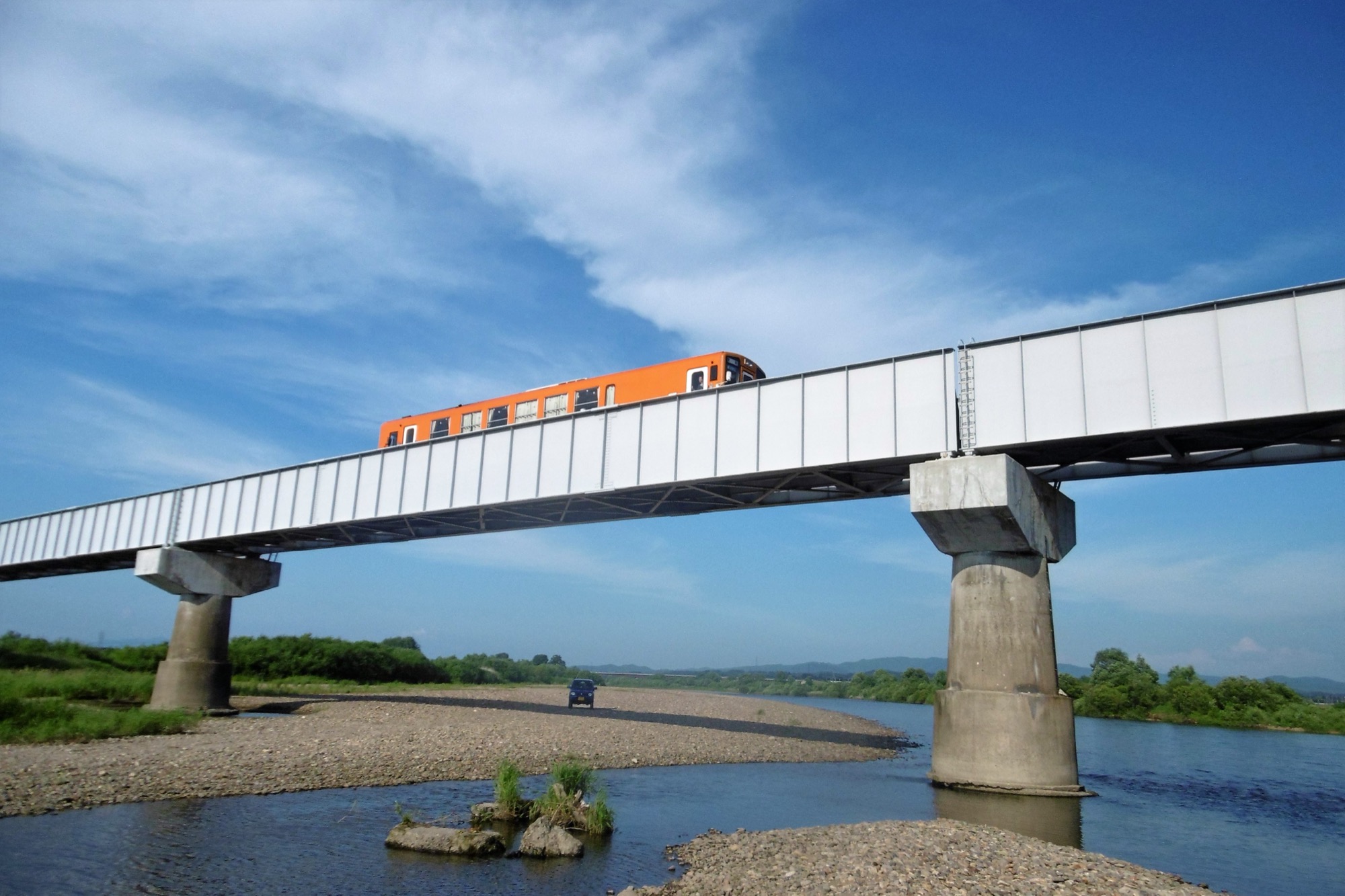
The northern section of the railway is arguably the more dramatic of the two. The train descends gradually from the high mountain terrain of Aniai toward the broader Yoneshiro River valley, offering increasingly wide views across rolling agricultural land with the Ou Mountains as a backdrop. The famous Yoneshiro River iron bridge — a long, low span across one of Akita’s major rivers — is visible from the train windows and makes for a memorable moment as the train slows to cross it.
As the line approaches Takanosu, the landscape opens dramatically, giving way to rice paddies, farmsteads, and the distant glitter of the Yoneshiro River. The final approach into Takanosu feels almost like emerging from a different world — the transition from mountain wilderness to agricultural plain happens over the course of about 30 minutes, and the contrast is striking.
Takanosu Station (鷹巣駅) is a small junction station where the Akita Nairiku line meets the JR Ou Main Line. From here, you can travel west along the Sea of Japan coast toward Noshiro and the Shirakami-Sanchi area, or east back toward Akita City. The station itself is modest, but the surrounding town has a pleasant rural charm and is worth a short walk if you have time before your connection.
Tickets, Passes & Practical Train Information
Standard One-Way Fare
The full Kakunodate–Takanosu route costs approximately ¥1,630 (~$11) for a local train. The express “Moriyoshi” service requires a small supplement of approximately ¥200–¥400 (~$1.50–$3) depending on the season and service type. You can purchase tickets at the station counters at either end; intermediate stations are unstaffed, so purchase at the origin.
All-You-Can-Ride Day Pass (一日フリーきっぷ)
The railway offers a day pass that allows unlimited rides on the full line for approximately ¥2,500 (~$17). This is excellent value if you plan to stop at intermediate stations and take multiple trains — for example, getting off at Aniai to explore for a few hours and catching a later train to continue north. Seasonal variations of this pass exist during peak autumn and cherry blossom periods; check the official Akita Nairiku Railway website before your visit for current pricing.
Timetable Reality
The Akita Nairiku Railway operates on a sparse schedule: typically 5–8 trains per day in each direction, with frequencies as low as one train every 2–3 hours on some sections. This is absolutely critical to plan around. Missing a train at an intermediate station means a long wait. Download the timetable (available in Japanese from the railway’s website, or check Hyperdia/Google Maps) before your trip and build your itinerary around it. The Moriyoshi express typically runs 2–3 times daily in each direction and is the most reliable option for through travelers.
Special Seasonal Trains
During autumn (mid-October to early November), the railway often operates special “Koyo Kankō” (紅葉観光) leaf-viewing trains that run on additional schedules and may include some cars with large windows or open observation platforms. These special services are extremely popular with domestic Japanese tourists — book in advance if you’re visiting during peak color season, which typically falls in the third week of October.
Best Time to Visit: Seasonal Guide
- Spring (late April–May): The journey begins and ends in Kakunodate, which has one of Japan’s most celebrated cherry blossom scenes — rows of 300-year-old weeping cherry trees (shidarezakura) lining the samurai district’s main street. The timing is usually late April to early May, when the mountains are still snow-capped. Temperatures: 40–60°F / 5–16°C.
- Summer (June–August): The mountain interior is lush and deeply green, with wildflowers on Moriyoshi Mountain peaking in July and August. This is a good time for hiking in the area and for experiencing the line without crowds. Temperatures in the mountain interior remain 65–75°F / 18–24°C even when coastal areas are sweltering.
- Autumn (mid-October–early November): This is unquestionably the peak season. The mountains come alive with brilliant autumn foliage that builds from the higher elevations in early October and descends to the valley floors by late October. Crowds are manageable by Japanese standards but will be higher on weekends. This is the time to ride the special leaf-viewing trains if they’re available. Temperatures: 40–60°F / 5–16°C.
- Winter (December–March): The line operates year-round, and winter brings extraordinary snow landscapes — deep drifts against farmhouses, frost crystals on bare trees, and the occasional snow monster formation visible from the train on the higher sections. Some trains have heated cars; others less so. Dress warmly. Access Moriyoshi Mountain in winter via gondola for snow monster (juhyo) viewing. Temperatures: 20–35°F / -7–2°C; snow depth can exceed 1 m / 3 feet in some sections.
Combining the Railway with Kakunodate & Nyuto Onsen
The Akita Nairiku Railway is most rewarding as part of a wider Akita itinerary that takes advantage of what Kakunodate and the surrounding area offer. Here is how most travelers fit it into a multi-day journey:
Day 1: Kakunodate Samurai District
Arrive at Kakunodate from Tokyo by Komachi Shinkansen (under 3 hours). Spend the afternoon exploring the Bukeyashiki samurai district — rows of traditional black timber-walled residences whose gardens spill weeping cherry or maple branches over the fence, depending on the season. The historic streets are genuinely atmospheric, and several of the larger residences are open to visitors (entry ¥400–¥500 / ~$3 each). The town also has excellent craft shops selling local lacquerware (Kakunodate Kabazaiku, a distinctive technique using cherry tree bark) and small sake breweries worth visiting.
Evening dinner in Kakunodate: try kiritanpo nabe (きりたんぽ鍋), a chicken-based hot pot with cylindrical rice cakes pressed onto cedar skewers — one of Akita’s most beloved autumn and winter dishes. Available at most traditional restaurants in town from approximately ¥1,500–¥2,500 (~$10–$17) per person.
Day 2: The Akita Nairiku Railway
Take the morning Moriyoshi express north toward Takanosu, or choose the slower local for maximum sightseeing. Plan to stop at Aniai for the Matagi Museum and a walk around town, then catch the afternoon train north to Takanosu. From Takanosu, connect to the JR Ou Main Line heading either east toward Aomori or west toward Akita City and the Sea of Japan coast.
Alternatively, ride the full line to Takanosu and return by the same railway in the afternoon — enjoying different lighting conditions and perhaps catching views you missed on the way north.
Option: Add Nyuto Onsen & Lake Tazawa
From Kakunodate, a 20-minute bus or taxi ride south takes you to the Nyuto Onsen area — a collection of deeply traditional hot spring inns set in a beech forest valley near Lake Tazawa. Spending one night at Tsurunoyu Onsen (Japan’s oldest surviving inn) or one of the other Nyuto inns makes for an extraordinary combination: ancient samurai district, wild mountain train journey, and forest onsen bathing. This three-day circuit is one of the finest itineraries in all of Tohoku.
Where to Eat Along the Route
The Akita Nairiku Railway route passes through relatively rural territory, and dining options at intermediate stations are limited. Plan accordingly:
Kakunodate (South Terminal)
Ryotei Tamachi (料亭田町): One of Kakunodate’s most celebrated traditional restaurants, serving full kaiseki multicourse meals based on Akita seasonal ingredients. The kiritanpo nabe here is exceptional. Lunch sets from ¥2,000–¥3,500 / ~$13–$23. Reservation recommended for dinner.
Café Folkloro (カフェ フォルクローロ): Located inside the Folkloro Kakunodate hotel near the station, this café serves light meals, local craft beers, and excellent coffee. Perfect for a quick bite before boarding the morning train. Open from 8:00 AM.
Aniai (Midpoint)
Aniai Station Restaurant: A simple local cafeteria-style restaurant operates adjacent to Aniai Station, serving set lunches of rice, pickles, and mountain vegetable dishes (sansai teishoku) for approximately ¥800–¥1,000 / ~$5–$7. Don’t expect refined cooking — but do expect authentic, honest food made with local ingredients by someone’s grandmother.
Packed Lunch Strategy
The best option for the full-line journey is to buy a bento box (駅弁 / ekiben) at Kakunodate Station or from one of the supermarkets near the station. Akita is famous for its rice, and a simple rice bento eaten while watching autumn mountains roll past the window is an experience that somehow transcends the sum of its parts. Look for bento featuring kiritanpo, Akita wagyu beef (Yokote beef or Inaniwa cattle), or the region’s spectacular mountain mushrooms (matsutake and nameko).
Where to Stay: Accommodation Along the Route
Budget (Under ¥8,000 / $55 per night)
Kakunodate Youth Hostel: A well-maintained hostel within walking distance of the samurai district, offering both dormitory and private rooms. The staff are knowledgeable about local train schedules and hiking options. From approximately ¥3,500–¥5,000 / $23–$33 per night per person.
Aniai Youth Hostel: For those wanting to base themselves in the mountain interior, this simple guesthouse near Aniai Station offers basic Japanese-style rooms, home-cooked meals featuring local mountain vegetables, and a wonderfully quiet mountain atmosphere. Book well in advance for autumn season. From approximately ¥4,500–¥6,500 / $30–$43 per person including dinner and breakfast.
Mid-Range (¥8,000–¥20,000 / $55–$135)
Folkloro Kakunodate Hotel (フォルクローロ角館): A comfortable railway-affiliated hotel literally inside Kakunodate Station, making it the perfect base for the Akita Nairiku journey. Clean modern rooms, in-house café and restaurant, and immediate access to the Shinkansen and local train connections. From approximately ¥10,000–¥15,000 / $67–$100 per room.
Tatsumiya Ryokan (田鶴屋旅館), Kakunodate: A traditional Japanese inn in the samurai district offering tatami rooms, futon bedding, and dinner service featuring local Akita cuisine. The family who runs this ryokan is known for their warmth toward foreign guests. From approximately ¥12,000–¥18,000 / $80–$120 per person including dinner and breakfast.
Luxury (¥20,000+ / $135+)
Tsurunoyu Onsen (鶴の湯温泉): While not directly on the railway route (about 20 minutes from Kakunodate by car), Tsurunoyu is Japan’s oldest surviving onsen inn and one of the most romantic overnight experiences in all of Tohoku. Log cabin-style buildings cluster around a large outdoor milky-white hot spring pool, set in a snow-frosted beech forest in winter or blazing autumn color in October. Rooms fill 6 months in advance for peak season — book early. From approximately ¥22,000–¥35,000 / $147–$233 per person including dinner and breakfast.
Practical Tips for the Akita Nairiku Railway
- Download the timetable in advance: The line operates with very limited frequency, and missing a train can mean a 2–3 hour wait at an unstaffed rural station. Use Hyperdia or Google Maps to plan your exact journey, and cross-reference with the official timetable (Google for 秋田内陸縦貫鉄道 時刻表).
- Photography from the train: The most photogenic sections are the bridge crossings (visible from right-side windows heading north from Kakunodate) and the river valley panoramas approaching Takanosu. Sit on the right side (facing north/forward direction) for the best bridge views on the Kakunodate-to-Aniai section; switch to the left side for the Aniai-to-Takanosu section.
- Reserve special autumn trains early: The Koyo Kankō leaf-viewing trains during peak October color are popular with domestic tourists and can sell out days in advance. If you’re visiting during this period, contact the railway or book through a Japanese travel agent.
- The JR Pass does NOT cover the Akita Nairiku Railway: Budget approximately ¥1,630–¥2,500 (~$11–$17) for the local railway portion of your journey. The JR Pass does cover Kakunodate Station and the Tazawako/Ou Main lines at either end.
- Bring snacks and water: There are no food vendors on the trains, and some intermediate stations have no facilities at all. Buy bento and drinks in Kakunodate or from convenience stores before boarding.
- Mobile connectivity: Mobile phone coverage is intermittent through the mountain interior sections of the line. Download offline maps (Maps.me or Google Maps offline) for the Aniai area if you plan to explore on foot.
- Bicycle hire: Kakunodate Station has a bicycle rental service (approximately ¥500–¥1,000 / $3–$7 per day) that makes exploring the samurai district and surrounding countryside much easier than walking. Available April through November.
- Language barrier: Station staff at Kakunodate speak limited English, and intermediate stations are unstaffed. Having your destination written in Japanese (e.g., 阿仁合 for Aniai, 鷹巣 for Takanosu) on your phone is helpful.
Sample 2-Day Akita Mountain Railway Itinerary
Day 1: Kakunodate
Morning: Arrive from Tokyo by Komachi Shinkansen. Check in to your accommodation near Kakunodate Station.
11:00 AM: Begin exploring the Bukeyashiki samurai district — at least 2 hours to walk the main street and duck into several open residences. The Aoyagi-ke residence (青柳家) is the most comprehensive, with multiple buildings and a lacquerware collection. Entry ¥500 / ~$3.
1:00 PM: Lunch at a traditional restaurant in the samurai district. Try the kiritanpo nabe or a local set meal featuring mountain vegetables. Budget ¥1,500–¥2,500 / ~$10–$17.
2:30 PM: Visit the Kakunodate craft district (西宮家 or 桜の里) to browse Kabazaiku cherry bark lacquerware and consider purchasing souvenirs. These items are genuinely made in Kakunodate and impossible to find elsewhere.
Evening: Dinner at a local izakaya featuring Akita’s famous nihonshu (sake), particularly the rich, slightly sweet Akita-style sake from breweries like Kariho or Taiheizan.
Day 2: The Akita Nairiku Railway
7:30 AM: Buy a bento box and drinks from the station shop or nearby convenience store.
8:00 AM (approximate): Board the first northbound Moriyoshi express or local train from Kakunodate. Sit on the right side for maximum bridge views in the first hour.
9:15 AM (approximate): Arrive at Aniai. Spend 1.5–2 hours exploring on foot: Matagi Museum (¥300), a walk around the small town center, and coffee at any open local café.
11:00 AM: Board the next northbound train from Aniai toward Takanosu. Enjoy the river valley descent and Yoneshiro River bridge crossing.
12:40 PM (approximate): Arrive Takanosu. Transfer to JR Ou Main Line for your next destination: either west toward Aomori and the Shirakami area, or south back toward Akita City.

Related Articles You Might Enjoy
- Akita Dog & Odate: Meeting Japan’s Most Loyal Breed in Its Birthplace
- Hachimantai Plateau: Complete Guide to the Volcanic Highland Paradise on the Akita-Iwate Border
- Lake Tazawa Akita: Complete Travel Guide to Japan’s Deepest & Most Magical Lake
- Akita City Guide: Samurai Castles, World-Class Sake & Local Flavors in Tohoku’s Wildest Prefecture
- Resort Shirakami Scenic Train Guide: Japan’s Most Beautiful Railway Journey Through Aomori
Final Thoughts
The Akita Nairiku Jukan Railway represents something increasingly rare in modern Japan: a journey that feels genuinely unhurried, genuinely rural, and genuinely untouched by the tourist infrastructure that has smoothed away the rough edges from so many celebrated destinations. Riding it is not a matter of ticking a famous sight off a list — it’s an immersive half-day spent in the company of schoolchildren heading home, elderly farmers returning from the market, and an occasionally spectacular mountain landscape that passes by at a pace unhurried enough to actually see it.
If you’re traveling through Tohoku and you find yourself at Kakunodate Station with a free afternoon, don’t take the express back to Tokyo. Instead, buy a ticket to Aniai and see what the mountains look like when no one is watching. You might find it’s the part of Japan you remember longest.
Got questions about planning your Tohoku trip, or spotted something we missed? We’d love to hear from you — drop us a message here.



コメント