If you’re traveling to Japan and you love dogs — truly love them — then Odate is a pilgrimage site you simply cannot miss. This small city in northern Akita Prefecture is the birthplace of the Akita Inu, one of the world’s most majestic and loyal dog breeds, and the spiritual home of Hachiko, the legendary dog whose devotion moved the entire nation of Japan. For millions of Western travelers who grew up with the Hachiko story, visiting Odate and meeting real Akita Inus is an emotionally powerful experience that no amount of Tokyo sightseeing can replicate. This is where Hachiko came from — and where his descendants still walk today.

Why Odate Should Be on Every Dog-Lover’s Japan Itinerary
Most international visitors to Japan know the Hachiko story through the 2009 Richard Gere film “Hachi: A Dog’s Tale” or the 1987 Japanese original “Hachikō Monogatari.” The story is simple and devastating: an Akita dog named Hachiko waited at Shibuya Station in Tokyo every day for nearly 10 years after his beloved owner died — faithfully meeting every evening train, hoping his owner would return, until Hachiko’s own death in 1935. The statue of Hachiko outside Shibuya Station is now one of Tokyo’s most photographed landmarks, and his story remains Japan’s most cherished symbol of loyalty.
What fewer people know is that Hachiko was born not in Tokyo, but on a farm near Odate in November 1923. He was just a puppy when he was taken by train to Tokyo to live with Professor Hidesaburō Ueno of Tokyo Imperial University — and the rest, as they say, is history. Odate is where the Akita breed originated, where the dogs have been bred and loved for centuries, and where today, at the Akita Dog Museum (秋田犬の里 / Akita Inu no Sato), you can meet resident Akita Inus face to face, learn the breed’s remarkable history, and even have a guided interaction session with these magnificent animals.
For American and Australian dog lovers — and honestly, for anyone who has ever been moved by the idea of loyalty between humans and animals — this is one of Japan’s most unexpectedly emotional travel experiences. There’s something about standing in the place where this story began, surrounded by the descendants of Hachiko’s breed, that touches something deep. Odate is not a famous tourist city. It doesn’t have great temples or spectacular scenery. But it has heart, in the most literal sense, and for the right kind of traveler, that matters more than any temple.
The Akita Inu: Japan’s National Dog Treasure
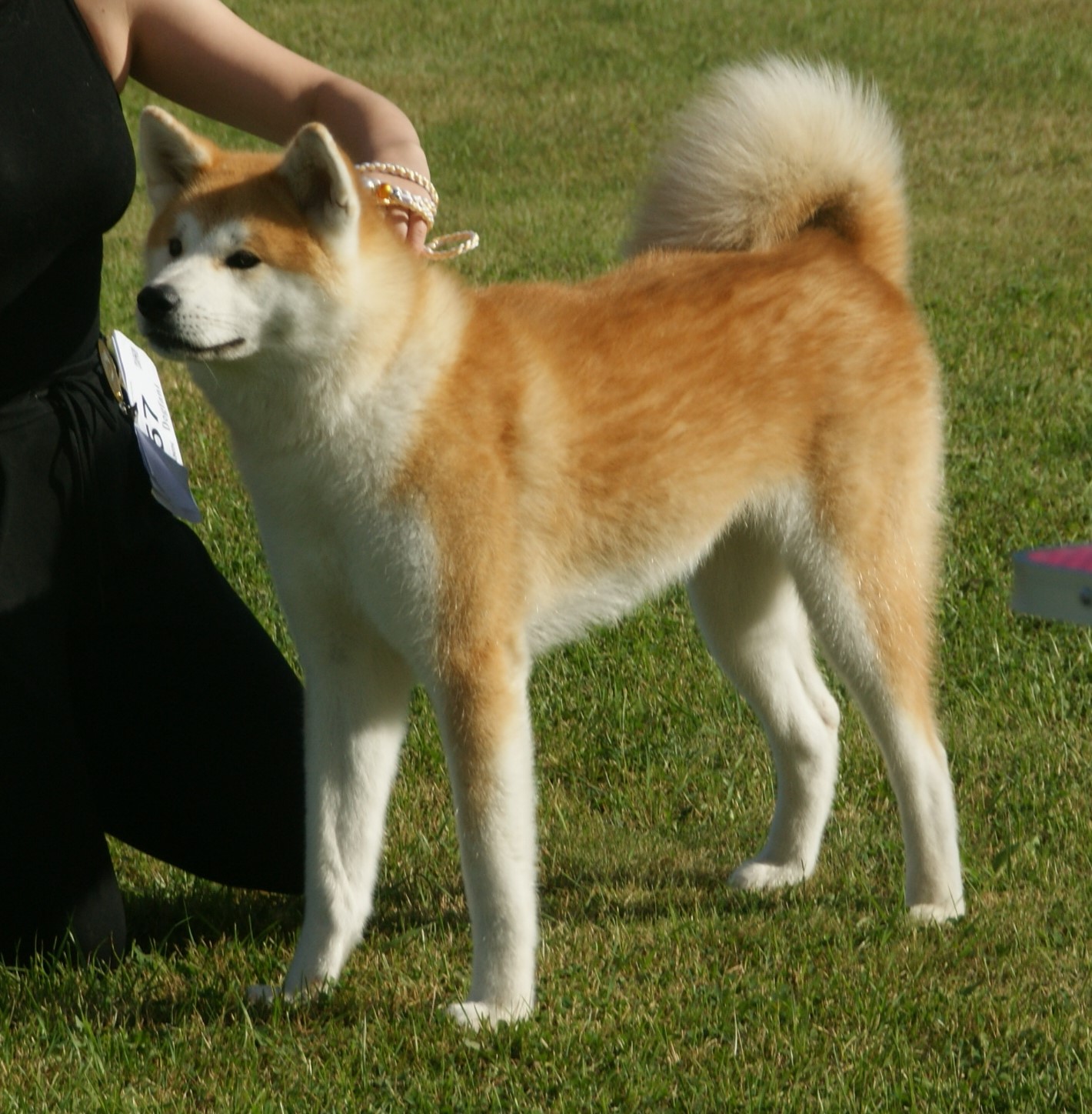
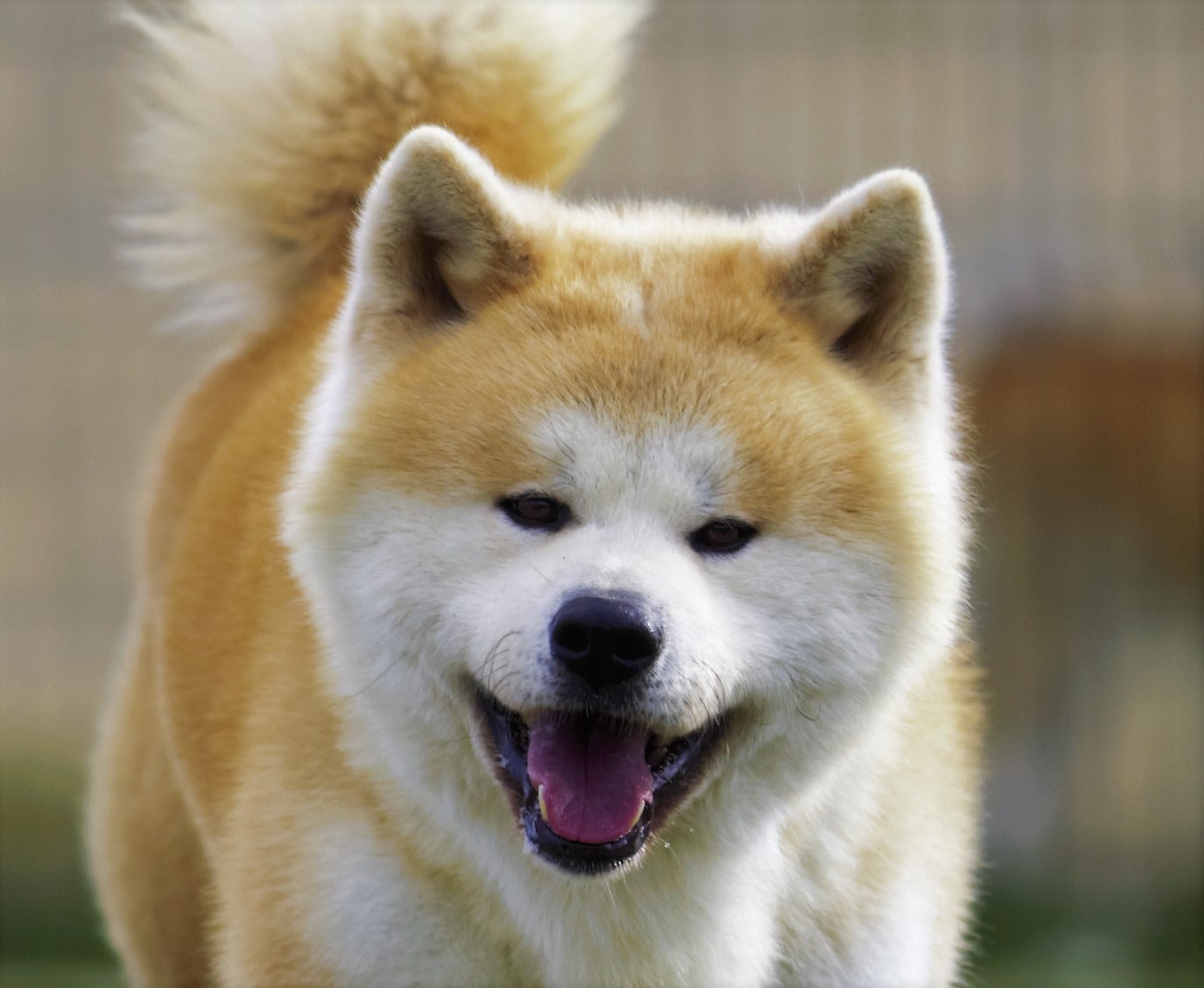
The Akita Inu is one of Japan’s six native dog breeds, all of which are protected as “natural monuments” under Japanese law — a designation that reflects how seriously the country takes the preservation of these ancient breeds. The Akita is the largest of the six, a powerful, dignified Spitz-type dog with a thick double coat, curled tail, and a face that combines bear-like roundness with fox-like intelligence. They are unmistakably beautiful animals, and their bearing — calm, alert, never anxious — gives them an almost aristocratic presence.
The breed’s history in Odate stretches back at least 400 years. The mountains around northern Akita Prefecture were home to a culture of hunting called matagi — traditional hunters who tracked large game including bear, wild boar, and deer through the deep Tohoku forests. The Akita Inu was their essential partner, bred for strength, endurance, fearlessness in the face of dangerous prey, and — crucially — absolute loyalty to its human family. A matagi’s Akita was not a pet in the modern sense; it was a working partner whose survival and the hunter’s survival were intertwined.
By the late Edo period (1603-1868), Akita dogs had become status symbols among the samurai of the Kubota domain (modern-day Akita City), and elaborate rules governed their breeding and ownership. Only nobles and high-ranking samurai were permitted to keep Akitas, and special protocols governed how the dogs were to be fed, housed, and addressed — yes, addressed. Servants were required to speak to the dogs using formal honorific language. The breed’s association with nobility elevated its status further, and by the Meiji era (1868-1912), the Akita Inu was known throughout Japan as the “king of dogs.”
The 20th century nearly destroyed the breed entirely. World War II brought food shortages, and dogs that weren’t being used for military purposes were ordered to be surrendered for their fur. Akita owners desperately crossbred their dogs with German Shepherds to reclassify them as “military working dogs” and save them. By the end of the war, the pure Akita Inu was nearly extinct. The reconstruction of the breed from a handful of surviving pure specimens is one of the great conservation stories in dog breeding history, driven largely by dedicated Odate breeders who gave the effort their lives’ work.
Hachiko: Odate’s Most Famous Son
Of all the Akita Inus who have ever lived, none has left a mark on human culture comparable to Hachiko (ハチ公, “Hachi” meaning “eight,” his given name). Born on November 10, 1923, at a farm in what is now Ōdate City, Hachiko was selected as a gift for Professor Hidesaburō Ueno, a professor of agricultural science at Tokyo Imperial University (today’s University of Tokyo). At roughly two months old, the puppy was transported by train from Odate to Tokyo — the same train route that today’s JR Ou Main Line follows.
Professor Ueno trained Hachiko to accompany him to Shibuya Station each morning and return to meet him each evening when he came home from the university. In May 1925, Professor Ueno suffered a fatal cerebral hemorrhage while at work and never returned. Hachiko was just 18 months old. That evening, and every evening for the next 9 years, 9 months, and 15 days, Hachiko returned to Shibuya Station at the time Professor Ueno’s train was due to arrive. Commuters noticed the dog, recognized him, and began to feed and care for him. A newspaper story in 1932 made Hachiko famous throughout Japan. He died on March 8, 1935, at the entrance to Shibuya Station, still waiting.
In Japan, Hachiko’s story is not just a story about a dog. It is a cultural text about the virtue of chūshin (loyalty) and giri (duty) — values that form the bedrock of Japanese moral culture. Hachiko represents the idea that true devotion transcends loss and continues even when hope is gone. The first bronze statue of Hachiko, erected near Shibuya Station in 1934 (while Hachiko was still alive), was melted down for the war effort in 1944. A replacement, sculpted by the son of the original artist, was unveiled in 1948 and remains at Shibuya Station today, visited by millions of people annually.
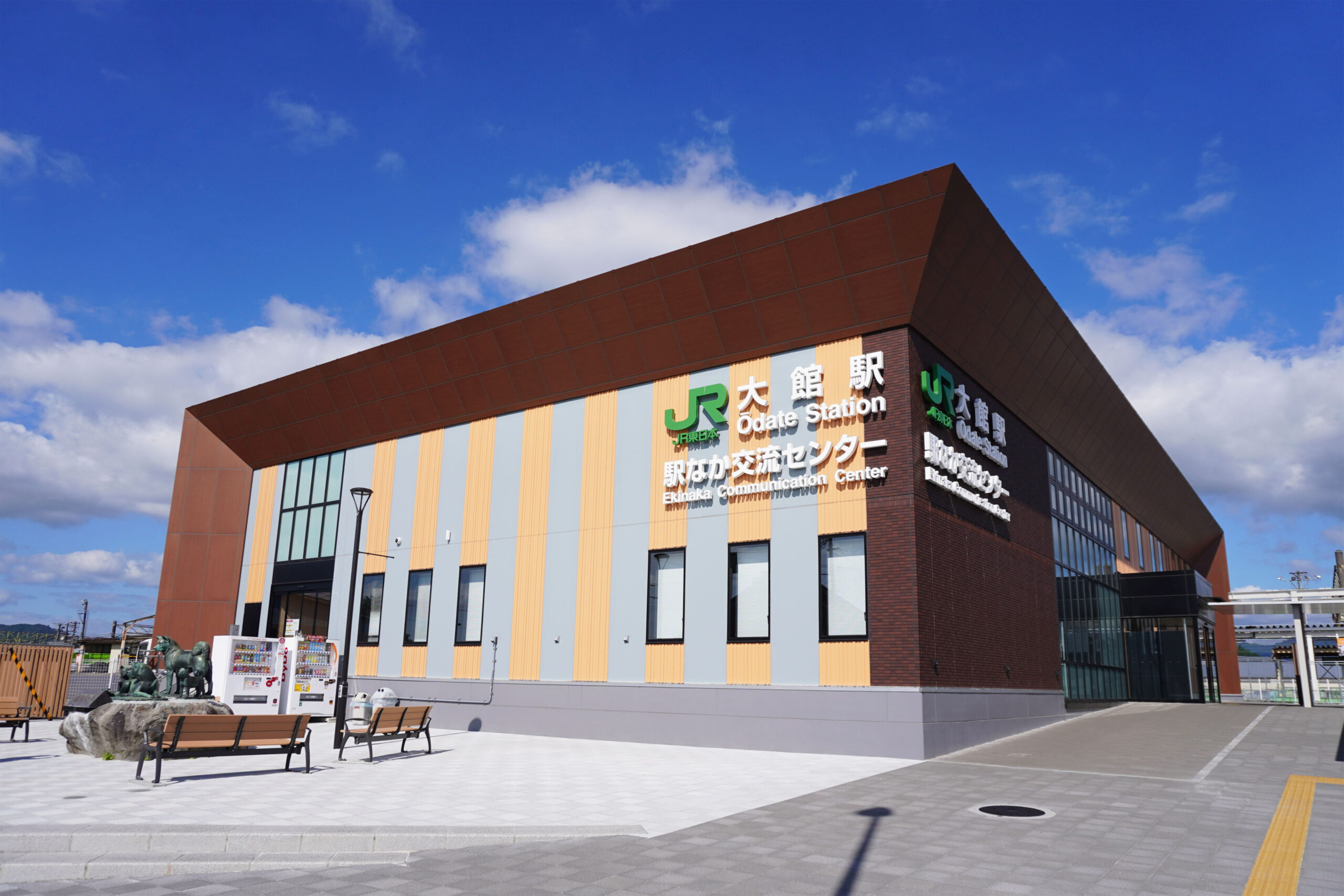
In Odate, Hachiko’s memory is honored at the Akita Dog Museum, which has a dedicated Hachiko exhibition tracing his life from birth to death with original photographs and artifacts. There is also a statue of Hachiko in front of Odate Station — a quieter, more contemplative tribute than the famous Shibuya statue, set in a city that feels genuinely proud of its most famous son.
The Akita Dog Museum (秋田犬の里): Meeting the Dogs
Opened in April 2019, the Akita Inu no Sato (literally “Akita Dog Hometown”) is the centerpiece of any visit to Odate and one of the most distinctive museum experiences in all of Japan. Located in the renovated former Odate Department Store building about a 20-minute walk (or 5-minute taxi ride) from Odate Station, the museum was created specifically as a space for international tourists to experience the Akita dog and its cultural significance.
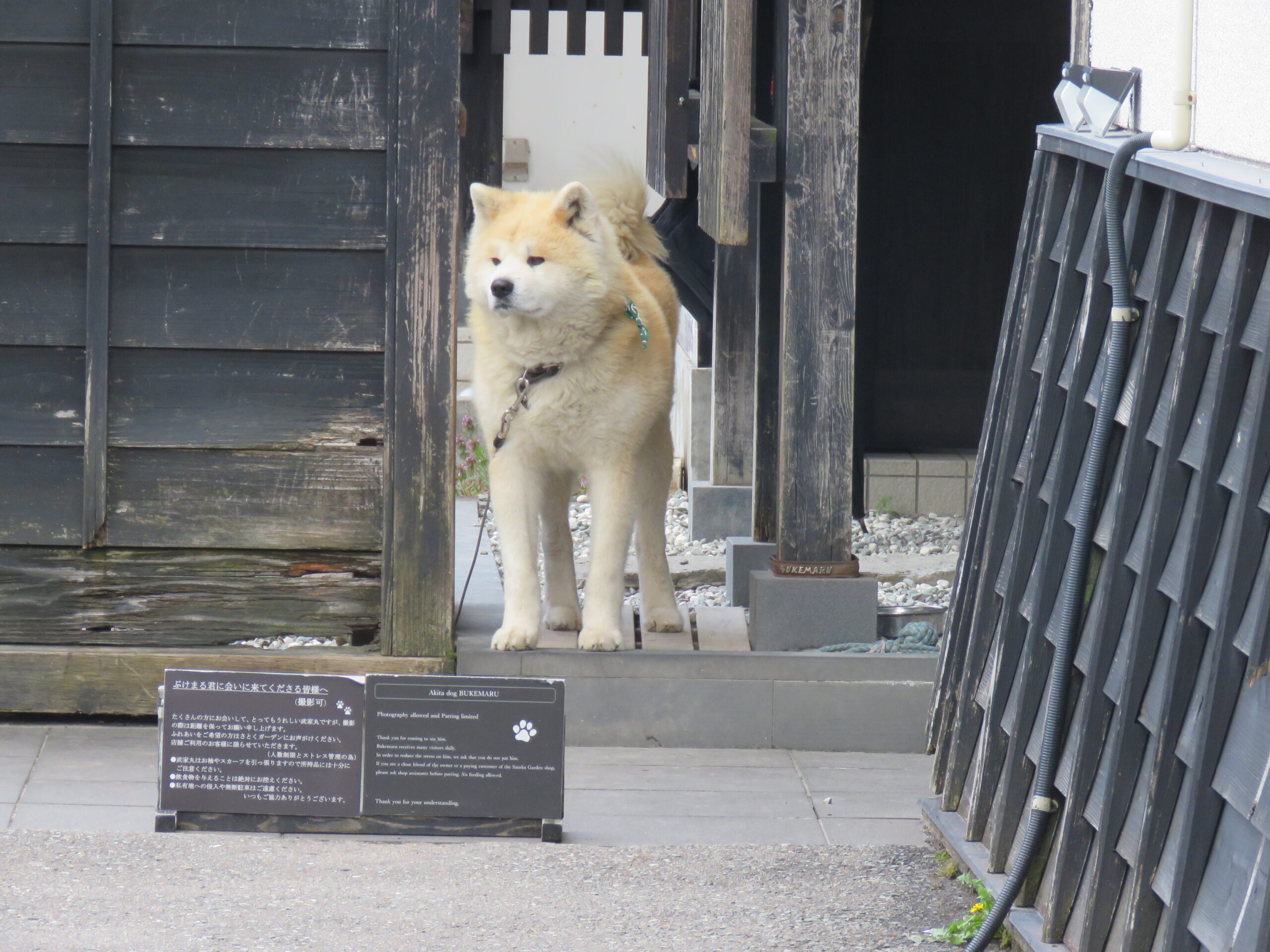
The heart of the experience is the resident dogs. The museum keeps a rotating group of Akita Inus on-site, and part of your admission grants you time in the viewing area where dogs are on display in spacious, comfortable enclosures. Watching these dogs interact with their keepers — the tail wag, the dignified sitter, the puppy who hasn’t quite grown into its enormous paws yet — is a pleasure that photographs can only partially capture.
The museum has a tiered experience structure. Standard admission (¥1,000 / approximately $7 for adults, ¥500 / $3.50 for children under 12) covers the exhibition halls, viewing areas, and gift shop. For visitors who want a closer interaction, the museum offers Akita Inu Greeting Sessions — guided 15-20 minute experiences where small groups can enter a supervised interaction space with a resident Akita Inu and its handler. These sessions must be reserved in advance online or at the front desk and cost an additional ¥3,000 ($20) per person. They’re worth every yen. Having a 30-kilogram (66-pound) Akita calmly place its head in your lap and regard you with those deep, ancient eyes is an experience that stays with you for years.
The exhibition area covers the full story of the breed: its origins in matagi hunting culture, its near-extinction and revival, its designation as a national natural monument, and the international spread of the breed starting with Helen Keller’s visit to Japan in 1937. That’s right — the first Akita dogs to arrive in the United States came because Helen Keller visited Japan, was told about Hachiko, and fell in love with the breed. She was gifted an Akita puppy named Kamikaze-go, and when that dog died, a second Akita, Kenzan-go, was sent to her. She wrote enthusiastically about the breed, describing the Akita as “an ideal dog” with “loyalty, good temper, cleanliness, and intelligence.” Those letters, reproduced in the museum, are one of the more affecting exhibits.
Getting to Odate
- From Akita City: JR Ou Main Line (limited express or regular), approximately 1 hour 15 minutes to 1 hour 45 minutes depending on service. Fare: ¥1,520 ($10) for regular service; ¥2,580 ($17) for limited express. Trains run roughly hourly throughout the day.
- From Aomori: JR Ou Main Line southbound, approximately 1 hour 40 minutes. Convenient for combining an Odate visit with Aomori sightseeing or a Resort Shirakami train journey along the coast.
- From Tokyo: Akita Shinkansen (Komachi) to Akita (~4 hours, ¥17,000-19,000 / $115-$130), then regular train to Odate (~1.5 hours). Total journey approximately 5.5-6 hours. Alternatively, consider an overnight express bus from Shinjuku to Odate (~9 hours) for a budget option.
- JR Pass: Valid for all JR line trains to Odate. This is a good value especially if you’re combining with a shinkansen journey through Tohoku.
- From the Resort Shirakami: Odate Station is conveniently located on a branch line connecting to the Gono Line, making it possible (with some planning) to combine a Resort Shirakami scenic train journey with an Odate visit in a two-day itinerary.
Odate itself is a small, compact city where most points of interest are within walking distance of each other or a short taxi ride (taxis from the station are inexpensive — around ¥800-¥1,200 / $5.50-$8 to the Akita Dog Museum). Rental bicycles are available at the station for independent exploration.
Beyond the Museum: What Else to See in Odate
Odate is small, but it has genuine character beyond the dog museum. Allow at least half a day to explore the city itself, or make a full day of it by combining the museum with Odate’s other points of interest.
Hachiko Statue at Odate Station
Before you even leave the station, pay your respects at the Hachiko statue on the station forecourt. This bronze depicts Hachiko in a quieter pose than the Shibuya statue — sitting, looking patiently toward the horizon rather than outward toward crowds. In the early morning light, with no tourists around and just the sound of local commuters heading to work, this small statue carries an outsized emotional weight. Take a moment here before heading anywhere else.
Odate Castle Park (大館城跡公園)
The ruins of Odate Castle, originally built in the mid-17th century by the Satake clan, now form a pleasant forested park about 15 minutes on foot from the station. Nothing substantial remains of the original fortifications, but the park is beautiful in cherry blossom season (late April to early May) when the grounds are blanketed in pink. Local families bring bentō lunches and sit under the trees — a glimpse of ordinary Japanese life far removed from tourist Tokyo.
Shōichi Shrine & Hachiko Memorial
A small shrine in the center of Odate contains a memorial stone dedicated to Hachiko, marking the city’s connection to its most famous dog. The shrine itself is an atmospheric, moss-covered space typical of older neighborhood shrines throughout Tohoku — weathered, quiet, locally beloved. A fitting place for reflection on the Hachiko story in the city where it began.
Odate City Downtown
Odate has a covered shopping arcade (shotengai) running through the center of town with a handful of local restaurants, traditional confectionery shops, and the occasional shop selling Akita Inu merchandise. This is a real small-city shopping street for real people — not a tourist attraction — and wandering it gives you an honest sense of daily life in northern Akita Prefecture. Try the sweet shops for iburigakko (smoky pickled daikon radish), a northern Akita specialty.
Best Time to Visit Odate
- Spring (April–May): Cherry blossoms at Odate Castle Park and the surrounding streets transform an otherwise ordinary city into something genuinely beautiful. The Akita Dog Museum is open year-round, and the mild temperatures (45-65°F / 7-18°C) make walking the city very pleasant.
- Summer (June–August): Warm and humid, but the green mountains surrounding the city are striking. The Tanabata festival (early August) brings traditional decorations to the shopping streets. This is also the best season to see Akita dogs in their more active, playful mode — winter-coated dogs can be lethargic in summer heat, so the museum adjusts dog rotation accordingly.
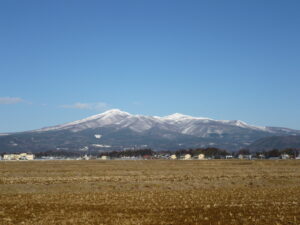
- Autumn (September–November): The surrounding mountains put on a magnificent foliage show, and the cool crisp air is exactly what Akita dogs thrive in. Late October and November visits may coincide with the dogs being particularly energetic and engaged. Mount Moriyoshi (easily visible from the city) is spectacular in autumn color.
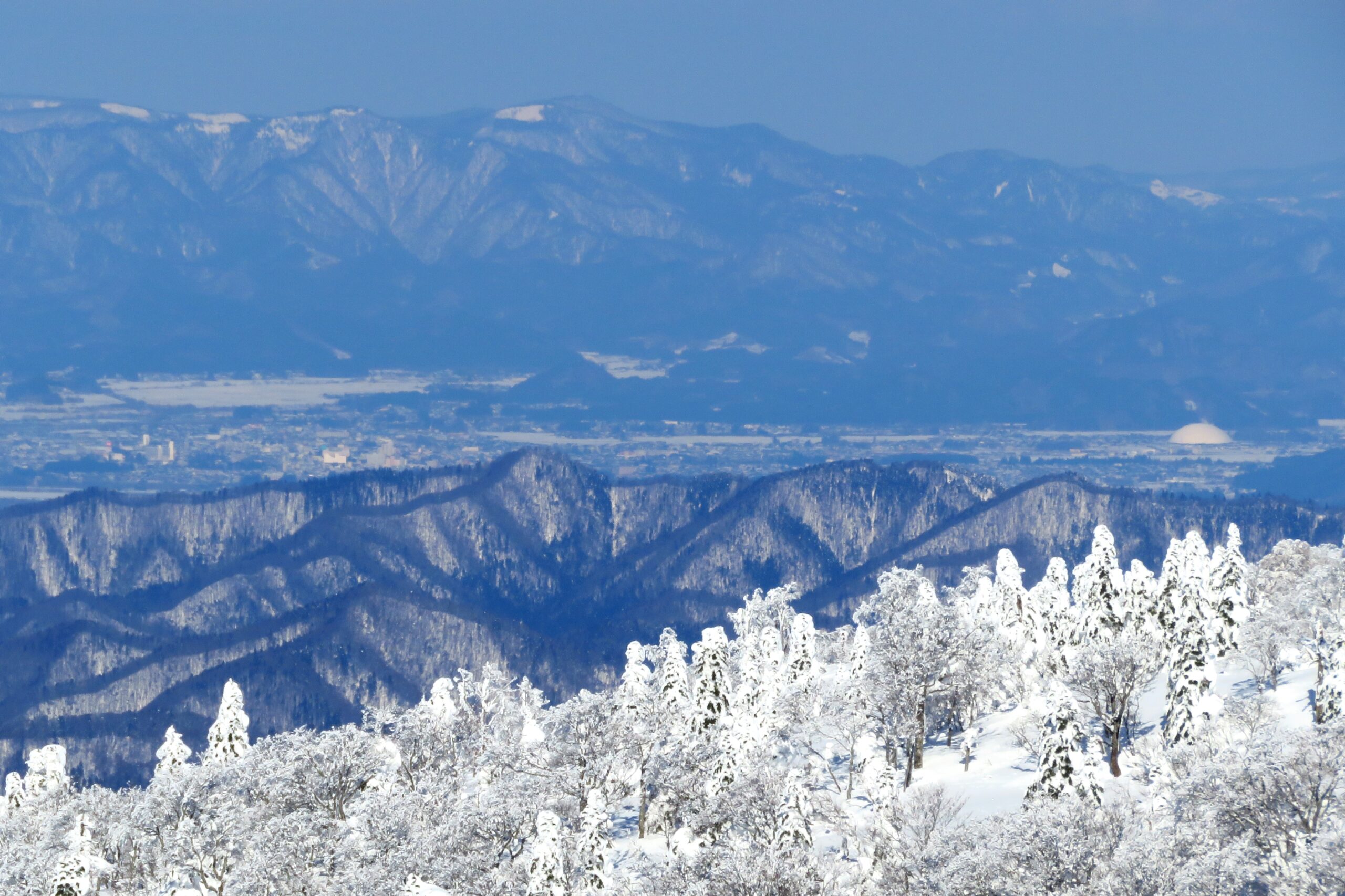
- Winter (December–March): Odate receives heavy snowfall (often 1-2 meters / 3-6 feet of snow by mid-winter), and watching an Akita Inu play in deep snow — as the breed was literally designed to do — is a special experience. The museum operates in winter, but check opening hours as they may be reduced. The snow itself transforms the city into a beautiful, hushed landscape.
Where to Eat: Odate’s Food Culture
Odate’s food culture is dominated by one extraordinary local ingredient: the Hinai-jidori (比内地鶏), which is considered one of Japan’s three great local chicken breeds alongside Nagoya Cochin and Satsuma chicken. Hinai-jidori chickens are slow-growing, free-range birds raised in the mountains of the Hinai area just north of Odate. The resulting meat is darker, firmer, and more intensely flavored than commercially raised chicken — rich and complex in a way that regular chicken simply isn’t.
Kiritanpo Nabe with Hinai-jidori
The definitive Odate eating experience is kiritanpo nabe — a hot pot (nabe) made with Hinai-jidori broth, sliced chicken, mountain vegetables (including the wild aromatic herb seri), burdock root, and the iconic kiritanpo: cylinders of pounded rice wrapped around cedar skewers and grilled over charcoal. The result is a deeply flavored broth with complex, savory layers that stands alongside the great hot pots of Japan. Most traditional restaurants in Odate serve kiritanpo nabe as their centerpiece dish, at around ¥2,500-¥3,500 ($17-$24) per person for a full pot (minimum 2 persons at most establishments).
Kiritanpo Nabe Honke Taneya, a well-regarded local institution near the city center, has been serving authentic kiritanpo since the Showa era. The interior is worn wood and paper screens, the service is warm if minimal, and the pot arrives ready to cook at your table on a small portable burner. Expect to pay ¥3,000-¥4,000 ($20-$27) for a full dinner with drinks.
Hinai-jidori Yakitori
If a full hot pot sounds like too much, Hinai-jidori chicken is also spectacular grilled as yakitori over charcoal. The thigh meat (momo), skin-on breast (mune), and especially the momo with leek (negima) reveal the quality of the ingredient in the simplest possible way. Several izakaya (Japanese gastropubs) near the station offer Hinai-jidori yakitori for ¥300-¥500 ($2-$3.50) per skewer.
Odate Ramen
Odate has a quiet ramen tradition built on clear shoyu (soy sauce) broth made from Hinai-jidori bones. The result is light-colored but intensely flavored, closer to a refined chicken consommé than the thick tonkotsu or miso ramens that dominate other regions. Several small ramen shops around the station area serve this style from early lunch through mid-evening; look for queues of local workers at noon for the best ones. Budget ¥900-¥1,200 ($6-$8) per bowl.
Iburigakko
No visit to Odate is complete without trying iburigakko, the smoked pickled daikon radish that is uniquely northern Akita cuisine. Traditional farmhouses in the region hung daikon radish over their central hearth fires for weeks each winter, where the smoke slowly dried and preserved the radish while infusing it with a distinctive smoky flavor. The result is unlike any other pickle in Japan — deep amber in color, slightly crunchy, intensely savory with a bacon-like smokiness. Buy a vacuum-sealed package at any local supermarket or souvenir shop for ¥500-¥1,000 ($3.50-$7) to take home as one of Japan’s most interesting edible souvenirs.
Where to Stay in Odate
Odate is a small city and accommodation options reflect this — it’s not a resort destination, but it has everything you need for a comfortable 1-2 night stay.
Budget (Under ¥6,000 / $41 per night)
Several simple business hotels near Odate Station offer clean, compact rooms in the ¥4,500-¥6,000 ($31-$41) range. These are standard Japanese business hotel format — small room, single or double bed, small bathroom — but they’re well-maintained and conveniently located. Dormy Inn Odate (if open) is a reliable chain option with a natural hot spring bath on-site — an unexpected luxury for the price point.
Mid-Range (¥8,000–¥15,000 / $55–$103 per person with meals)
For a more atmospheric experience, small ryokan (traditional Japanese inns) around the Odate area offer tatami rooms, communal hot spring baths, and the kiritanpo dinner experience as a package. Ryokan Hanami near the city center is a friendly, family-run place where the owner speaks some English and will enthusiastically discuss the local dog-breeding history over breakfast. Rates around ¥10,000-¥12,000 ($68-$82) per person including dinner and breakfast — excellent value for the full traditional ryokan experience.
Luxury / Special Experience (¥20,000+ / $137+ per night)
For those who want to combine the Odate dog experience with some of Akita’s finest onsen (hot spring) culture, consider basing yourself at one of the nearby hot spring villages and day-tripping to Odate. Ōyu Onsen, about 40 minutes by car from Odate, has several high-quality ryokan with sulfurous hot spring baths and mountain views. The combination of soaking in mineral-rich onsen water and spending the day with Akita dogs is, frankly, an excellent vacation strategy.
Practical Tips for Visiting Odate and the Akita Dog Museum
- Book the dog greeting session in advance: The Akita Dog Museum’s supervised interaction sessions with resident dogs are popular and have limited capacity. Book online through the museum’s website (akitainu-no-sato.jp) or call ahead, especially in spring and autumn.
- Museum opening hours: The Akita Inu no Sato is typically open 9:00 AM to 5:00 PM daily, with last entry at 4:30 PM. Closed occasionally for dog health maintenance (dogs need rest days). Check before visiting.
- Photography at the museum: General photography is permitted in the viewing areas. Be guided by the staff about photography during dog interaction sessions — flashes and sudden movements can startle the dogs.
- Dog behavior: Akita Inus are calm, dignified dogs but they are also reserved with strangers. They are not Labrador retrievers — they won’t immediately leap on you with excitement. Allow the dog to come to you, move slowly and quietly, and let the relationship develop at the dog’s pace. This is actually part of what makes the breed so fascinating to spend time with.
- Best time of day: Morning (9:00-11:00 AM) visits tend to have smaller crowds and more active dogs. The museum can get busy on weekends with Japanese domestic tourists; weekday mornings are ideal for international visitors.
- Souvenir shopping: The museum gift shop has an outstanding selection of Akita Inu merchandise — plush toys, phone cases, tenugui (cotton towels) with dog illustrations, and local food products. Quality is high compared to generic tourist trinkets.
- Language: Some museum staff speak basic English. The exhibitions have English translations alongside Japanese. Staff are accustomed to international visitors and will be patient and welcoming.
- Combine with Kakunodate or Akita City: Odate works well as part of a wider Akita Prefecture itinerary. From Odate, consider continuing south to Kakunodate’s samurai district (about 2.5 hours by local train) or Akita City (1.5 hours) where the Akita Tourism Association sometimes offers dog meet-and-greet programs in the city center.
- Consider the Akita International Akita Exhibition (秋田犬展覧会): Held annually in autumn, this dog show brings together Akita Inus from across Japan for breed judging. The date varies — check with the Japanese Akita Dog Preservation Society (秋田犬保存会) for the current year’s schedule. Watching these extraordinarily beautiful dogs being assessed by expert judges is a remarkable experience even for non-dog-show people.
- Hinai chicken restaurants are lunchtime-focused: Many of the best Hinai-jidori restaurants serve lunch only or have abbreviated evening menus. Plan your eating schedule around a 12:00-1:30 PM lunch at a dedicated kiritanpo restaurant for the best experience.
Sample 1-Day Odate Itinerary
9:00 AM: Arrive Odate Station by early morning train from Akita or Aomori. Take a moment with the Hachiko statue outside the station — this is a quiet, genuine tribute that deserves more than a passing glance.
9:30 AM: Walk (20 min) or take a taxi (5 min) to the Akita Dog Museum. Purchase admission and a dog greeting session ticket if available. Spend the first hour in the exhibition halls, absorbing the full story of the breed from hunting origins through near-extinction to modern preservation.
10:30 AM: Dog greeting session with a resident Akita Inu. Follow the staff’s guidance, move slowly, and let the dog set the pace. Take photos but don’t let photography dominate the experience — be present with the animal.
11:30 AM: Explore the museum’s Hachiko exhibition and gift shop. This is where many visitors find themselves unexpectedly moved — the original photographs and documents from Hachiko’s life, displayed in Hachiko’s home region, carry a different weight than the famous Shibuya statue.
12:30 PM: Lunch at a kiritanpo restaurant in central Odate. Order the full kiritanpo nabe for the definitive Odate eating experience. Pair with cold local sake if the afternoon permits.
2:30 PM: Walk to Odate Castle Park for a stroll through the grounds and to see the mountains surrounding the city. In cherry blossom season, this alone justifies the visit.
3:30 PM: Visit Shōichi Shrine and the Hachiko memorial stone. Explore the covered shopping arcade and pick up iburigakko from a local food shop.
5:00 PM: Catch a late afternoon train toward your next destination — Akita City, Aomori, or onward along the Tohoku Shinkansen corridor.
The Akita Dog Across Japan: Other Places to Meet the Breed
While Odate is the definitive Akita Inu experience, dog-loving travelers will be delighted to find that the breed has a wider presence across Akita Prefecture and beyond.
Akita City Tourism Meet-and-Greet: The Akita Inu Tourism Association occasionally organizes Akita dog meet-and-greet sessions at Akita Station and in the city center, particularly during tourist season (late spring to early autumn). These are free or low-cost events designed specifically for international visitors. Check the Visit Akita tourism website (visitakita.com) before your trip for current schedules.
Kakunodate Samurai District: The historic samurai quarter of Kakunodate — one of Japan’s most beautifully preserved Edo-era townscapes — occasionally has resident or visiting Akita Inus as part of tourism promotion events, particularly during cherry blossom season. Seeing an Akita dog walk between 300-year-old samurai residences under blossoming cherry trees is an experience that looks surreal and feels completely natural simultaneously.
Some Akita Prefecture Ryokan: A growing number of traditional inns across Akita Prefecture have begun keeping resident Akita dogs as “inn dogs” — guests can spend time with the dogs, take walks with them (with supervision), and enjoy that particular domestic comfort of having a large, calm, dignified dog settle near your futon in the evening. Ask at your ryokan booking stage whether they participate in such programs.
The American Connection: Helen Keller and the Akita Inu
For American visitors especially, there’s a poignant personal connection between the United States and the Akita dog worth knowing before you visit. In 1937, Helen Keller made a tour of Japan, where she learned about Hachiko’s story. She was so moved that she expressed a wish to have an Akita of her own. The governor of Akita Prefecture arranged for a puppy named Kamikaze-go to be given to her. When that dog died young from distemper, another Akita, Kenzan-go, was sent to her as a replacement from the Japanese government.
Helen Keller wrote about her experience with the Akita dogs in glowing terms: “If ever there was an angel in fur, it was Kamikaze. I know I shall never feel quite the same tenderness for any other pet. The Akita dog has all the qualities that make the noblest dogs.” She described them as “gentle, faithful, and courageous,” and her enthusiastic promotion of the breed in the United States is directly responsible for the early popularity of Akitas in America.
The American Kennel Club formally recognized the Akita breed in 1972. Today, there is a distinction between the Japanese Akita (Akita Inu, the original breed) and the American Akita (which diverged significantly after the post-WWII crossbreeding period). Dog enthusiasts visiting Odate are specifically seeing the Japanese Akita — smaller, more fox-like, with a narrower build and more varied coat patterns than the heavier American strain. Both are magnificent animals, but the Japanese Akita is considered the more historically authentic form of the breed.
Related Articles You Might Enjoy
- Akita Nairiku Jukan Railway: Japan’s Most Beautiful Secret Train Journey Through the Mountains
- Hachimantai Plateau: Complete Guide to the Volcanic Highland Paradise on the Akita-Iwate Border
- Lake Tazawa Akita: Complete Travel Guide to Japan’s Deepest & Most Magical Lake
- Akita City Guide: Samurai Castles, World-Class Sake & Local Flavors in Tohoku’s Wildest Prefecture
- Nishimonai Bon Odori, Akita: Japan’s Most Mysterious Summer Festival — Complete Guide
Final Thoughts
Odate will not make your Instagram feed explode with likes. It doesn’t have the dramatic temple vistas of Kyoto or the neon intensity of Tokyo. What it has is something rarer and more lasting: a genuine story, a living breed that embodies that story, and a community of people who have dedicated themselves to preserving both. Coming here and meeting an Akita Inu in the city where the breed was born — perhaps the same city where Hachiko himself took his first steps — is one of those travel experiences that becomes part of how you think about Japan, and about loyalty, for years afterward.
If you’ve ever been moved by the Hachiko story, if you’ve ever loved a dog, if you believe that understanding a culture means understanding what it chooses to honor and preserve — Odate is your destination. Go. You won’t regret it.
Got questions about planning your Odate and Akita dog experience, or want to share your own encounter with the breed? We’d love to hear from you — drop us a message here.





コメント