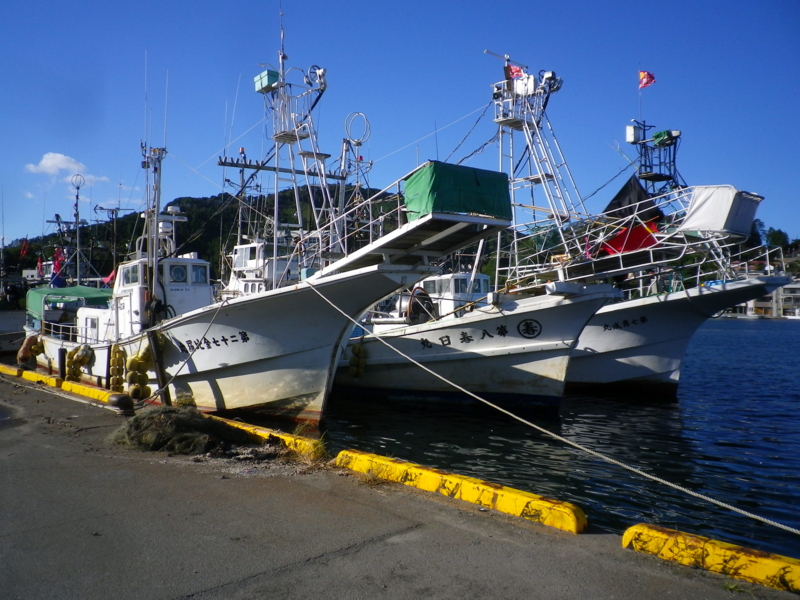
There is a small port city on the Pacific coast of Miyagi Prefecture that has accomplished something remarkable: it has built an entire civic identity around a single ingredient that most people in the Western world consider either a luxury or a controversy. Kesennuma (気仙沼) is Japan’s shark fin capital, supplying the majority of the fukahire (フカヒレ) used in Japanese restaurants nationwide. But this story is about far more than just an unusual local specialty — it’s about a fishing culture of extraordinary depth, a city that has rebuilt itself from catastrophic destruction, and a culinary tradition that deserves to be understood on its own terms.
Kesennuma: Japan’s Shark Fin Capital
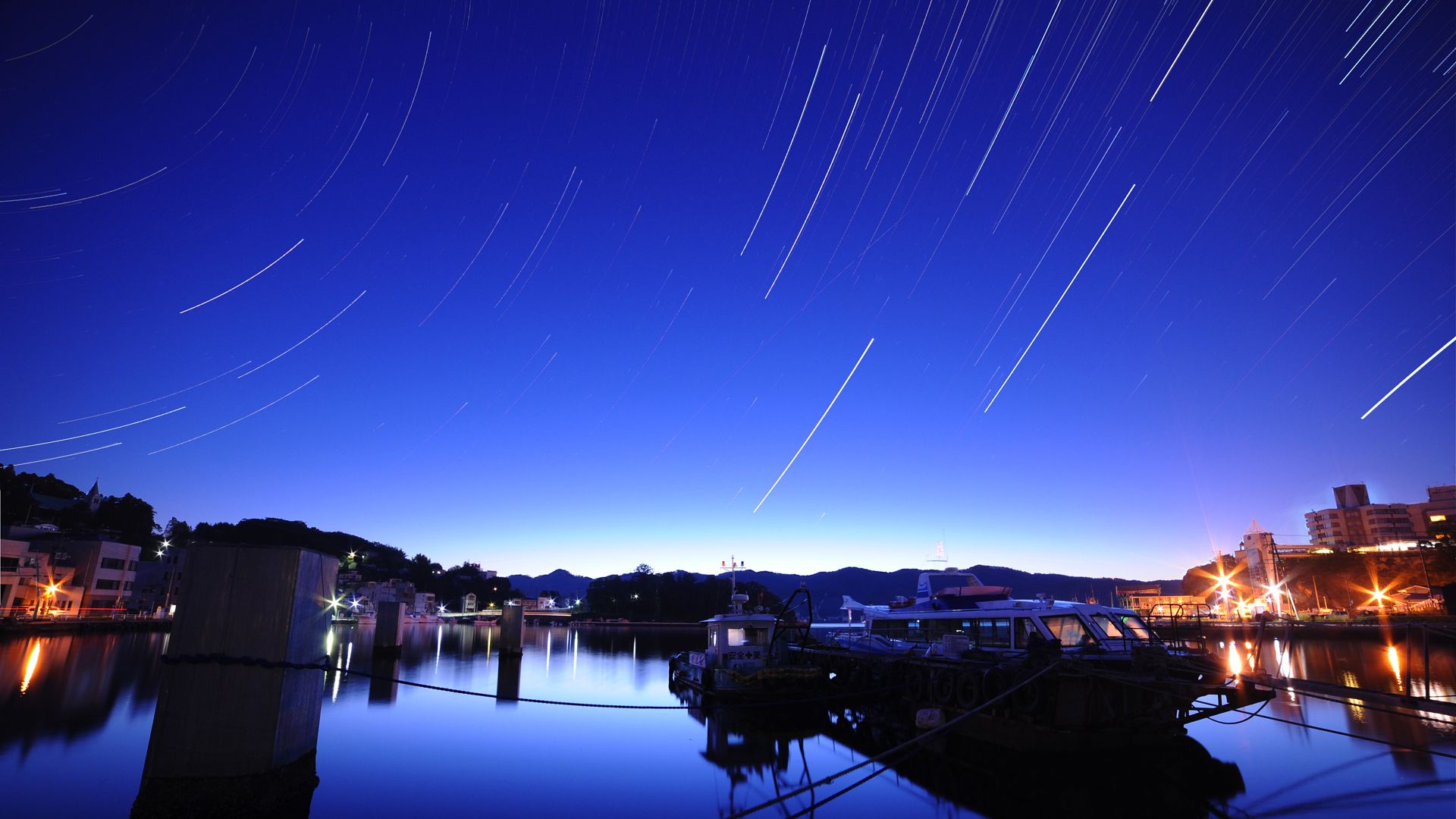
Kesennuma sits at the southern tip of Miyagi Prefecture’s dramatic Sanriku Coast, where a protected inner bay shelters one of Japan’s most active commercial fishing fleets. The city’s relationship with sharks goes back generations. Kesennuma boats, fishing far out in the Pacific, began landing significant shark catches in the post-war period, and by the 1970s the city had established itself as Japan’s primary shark fin processing center. Today, Kesennuma handles approximately 70% of all shark fin (fukahire) consumed in Japan — a staggering market share that has shaped every aspect of the local culture, economy, and cuisine.
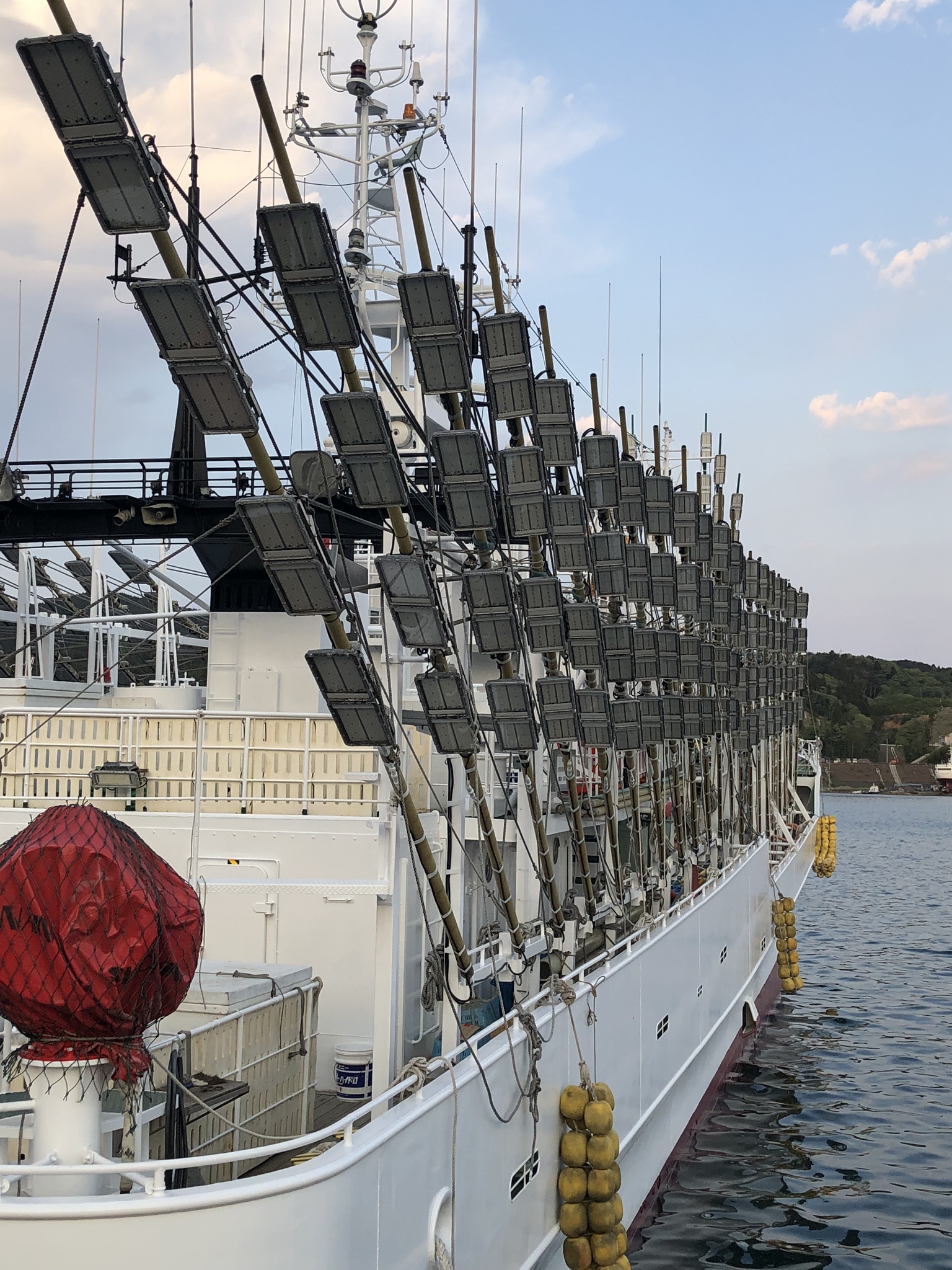
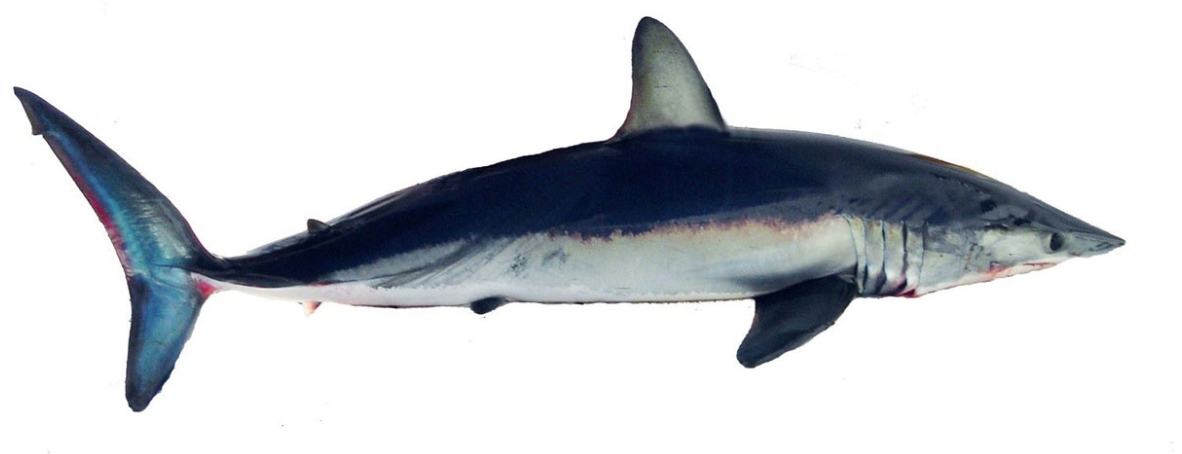
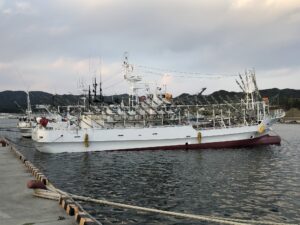
The shark species most commonly landed at Kesennuma are the blue shark (aomezame, Prionace glauca) and the shortfin mako (makozame, Isurus oxyrinchus) — both open-ocean pelagic species caught by Kesennuma’s far-ranging longline fleet. These boats operate throughout the Pacific, sometimes for months at a time, bringing their catch back to Kesennuma for processing. At the port, the fins are carefully separated, dried, and graded before being sold to restaurants and processors across Japan.
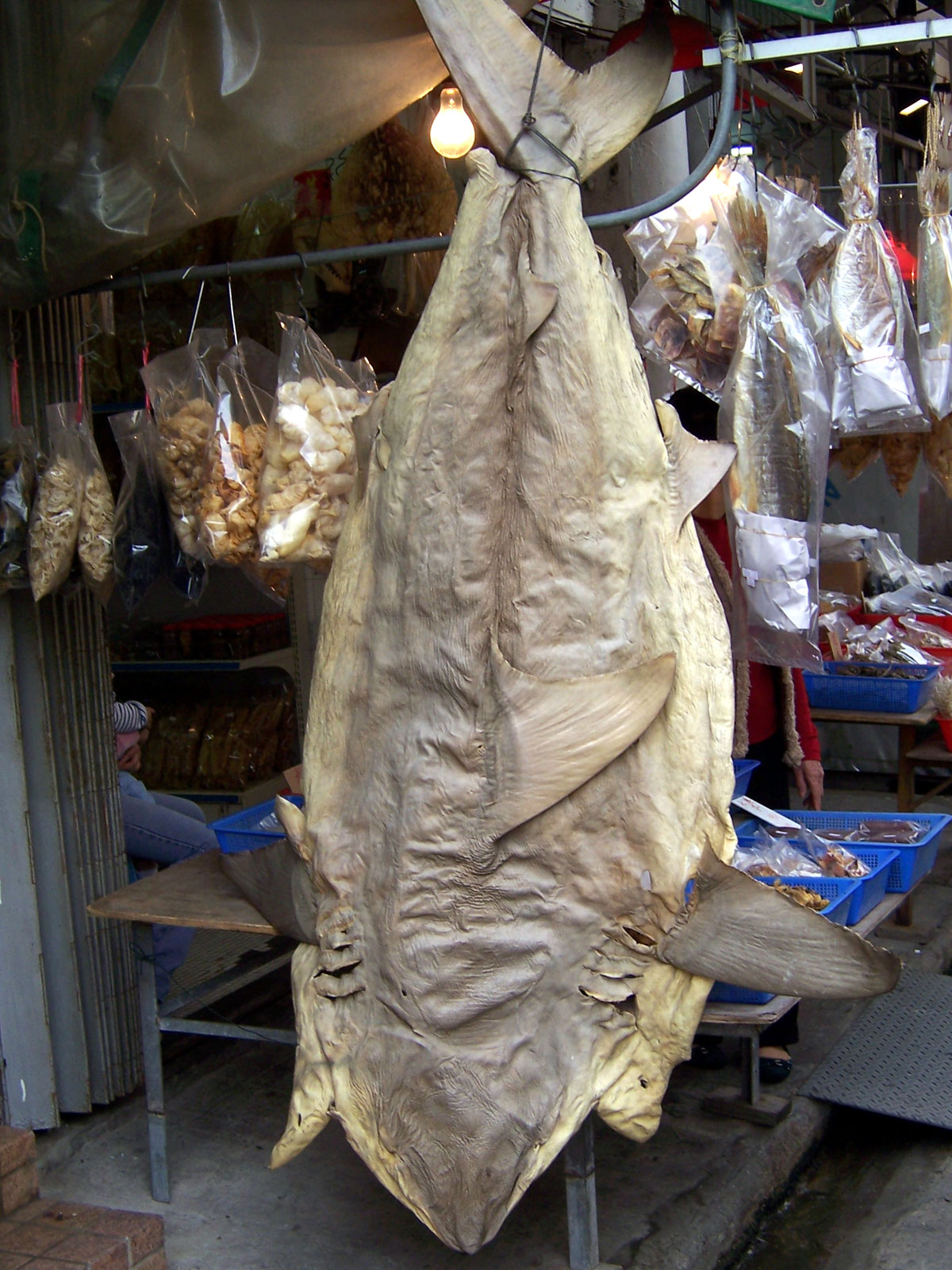
The ethical dimension of shark fin consumption is real and worth acknowledging. Internationally, shark fin has become associated with the practice of finning — removing fins from live sharks and discarding the bodies — which is both wasteful and inhumane. Kesennuma’s fishing industry takes a different approach: the entire shark is used. Shark meat is sold as sashimi, smoked, grilled, or processed into fish paste products. Shark liver oil has pharmaceutical applications. The head and skeleton go to fishmeal production. This whole-use philosophy reflects a deeply rooted Japanese fisheries ethic that distinguishes the Kesennuma trade from the more troubling practices seen in other parts of the world.
Fukahire: What Shark Fin Actually Tastes Like
Most Western visitors to Japan have never tasted shark fin, and many arrive with preconceptions shaped by debate rather than experience. The culinary reality is worth knowing before you visit Kesennuma.
Shark fin itself is nearly flavorless — its value lies entirely in texture. When properly prepared, the gelatinous strands of fin take on a silky, slightly chewy consistency that is prized in East Asian cooking for the contrast it provides against rich, savory broths. In Chinese cuisine, shark fin is traditionally served in a thick Cantonese-style broth. In Kesennuma, the signature preparation is different and entirely local: fukahire ramen.
Fukahire ramen (フカヒレラーメン) is one of Kesennuma’s greatest culinary contributions and a dish found nowhere else in the world in quite the same form. A rich, clear or lightly clouded broth — based on the local fishing port style — is ladled over fresh ramen noodles and topped with a section of shark fin that has been slowly braised until it unfurls into tender, glistening strands. The umami depth of the broth, the bite of the noodles, and the silky texture of the fin create a harmony that is distinctly Japanese in execution while being globally unique as a dish. Eating fukahire ramen in Kesennuma is one of Tohoku’s great culinary experiences.
Beyond ramen, Kesennuma restaurants also serve shark fin in donburi rice bowls, in Chinese-style braised preparations, and as an ingredient in local bento boxes. Shark meat (usually from the mako) appears as sashimi and is considered by locals to have a mild, clean flavor superior to what many outsiders expect. Smoked shark products and shark jerky are popular souvenirs from the port market.
The Blue Shark: Kesennuma’s Most Important Species
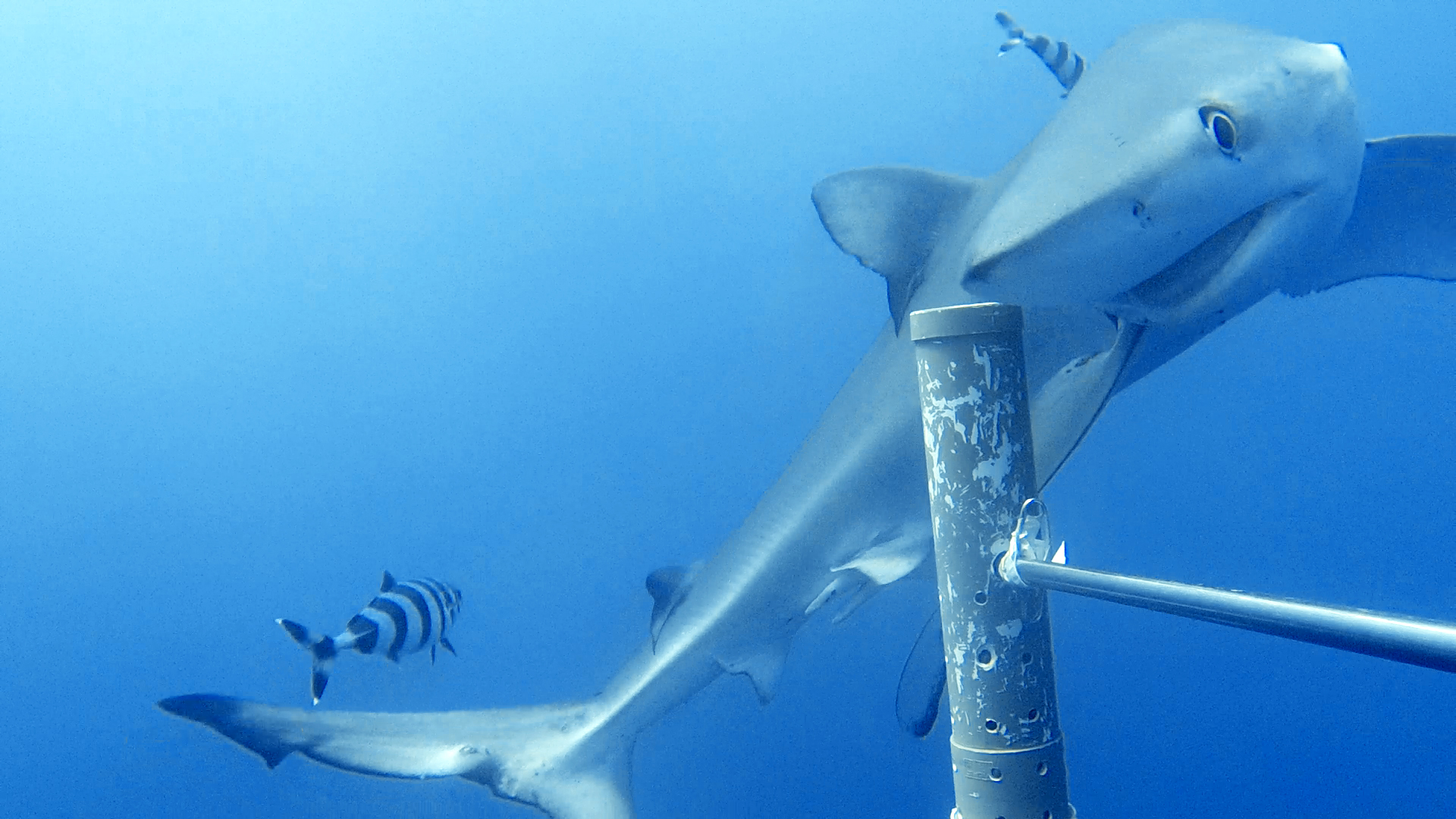
Of the shark species landed at Kesennuma, none is more central to the local industry than the blue shark (Prionace glauca). Blue sharks are among the most abundant large predators in the open ocean, found in temperate and tropical waters worldwide. They are a slender, elegant animal — electric blue on the dorsal side, white below — that cruise the pelagic zone hunting squid, fish, and smaller prey. Adult blue sharks typically reach 2 to 3 meters (6.5 to 10 feet) in length.
Blue sharks have one of the highest reproductive rates of any large shark species, which makes sustainable fisheries management more feasible than with slower-reproducing species like the great white or whale shark. The Pacific blue shark population, while subject to significant fishing pressure, is generally considered to be in better condition than many coastal shark species. Kesennuma’s fleet targets blue sharks primarily through pelagic longline fishing in the central and western Pacific.
The shortfin mako shark (Isurus oxyrinchus) is the other major species in the Kesennuma catch. Mako sharks are among the fastest fish in the ocean — powerful, torpedo-shaped predators capable of bursts of speed exceeding 35 mph (56 km/h). Their fins are particularly prized for texture, and their meat is the most culinarily respected of any shark species. Mako sashimi (makozame no sashimi) is a Kesennuma delicacy — clean, firm, and mildly sweet in a way that surprises first-timers who expect shark to be strong-tasting.
The 2011 Tsunami and Kesennuma’s Remarkable Recovery
No account of Kesennuma is complete without confronting March 11, 2011. The Tohoku earthquake generated a tsunami that struck Kesennuma with catastrophic force. The harbor area was almost entirely destroyed. The fishing fleet suffered enormous losses. The port facilities, fish markets, processing plants, and the waterfront districts that represented generations of accumulated investment — all of it was swept away or rendered unusable. More than 1,000 Kesennuma residents lost their lives that day.
What has happened since is extraordinary. Kesennuma’s fishing industry — its people, its boats, its knowledge — did not surrender. Within weeks of the disaster, some fishing boats were back at sea. The processing industry began rebuilding in temporary facilities. The city government and national reconstruction funds poured investment into new port infrastructure. By 2013, the annual fukahire auction had resumed. By 2015, the new fish market was operational. By 2019, Kesennuma was confidently hosting Rugby World Cup matches in a brand-new stadium built on ground elevated above tsunami risk.
Today, Kesennuma’s waterfront tells two stories simultaneously: the careful memorial installations that mark what was lost, and the vivid, functioning fishing port city that has been rebuilt. The Kesennuma Disaster Memorial Museum (opened 2022) presents the story of the tsunami and recovery with remarkable directness and honesty — it is one of the most moving museum experiences in Japan, and visiting it gives essential context to everything else you see and eat in the city.
What to Do in Kesennuma
Eat Fukahire Ramen
This is the non-negotiable item on any Kesennuma itinerary. Several restaurants near the port specialize in fukahire ramen, priced typically at 1,500 to 2,500 yen ($10 to $17). Look for a bowl with generous fin strands on top — the quality varies between restaurants, but even modest versions are worth trying. Fukahire ra-men specialty shops are concentrated in the Minato (port) area of Kesennuma, and tourist information offices can direct you to the best current options.
Visit the Fish Market and Port Area
Kesennuma’s rebuilt fish market (uoichi) operates primarily as a wholesale market, but the port area in the early morning (5:00 to 8:00am on landing days) offers an extraordinary spectacle of working fishing culture. Shark carcasses being processed, tuna being inspected, ice being loaded — it’s raw, vivid, and completely authentic. Retail fish shops in the port area sell shark products, fresh seafood, and distinctive Kesennuma marine products.
Kesennuma Disaster Memorial Museum
Opened in 2022 in a building elevated above the tsunami inundation zone, this museum tells the story of March 11, 2011 and the remarkable recovery that followed. The exhibits include first-person accounts from survivors, detailed documentary footage of the tsunami and its aftermath, and thoughtful exploration of how the city and its people responded. Admission is 700 yen ($4.80). Allow 2 hours minimum. The museum is essential context for understanding modern Kesennuma.
The Rias Shark Museum
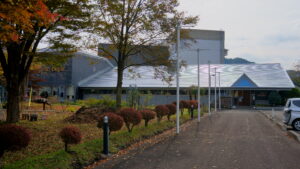
The Kesennuma Rias Shark Museum is part aquarium, part natural history museum, focusing specifically on the shark species central to the local fishing economy. It houses shark skeletons, specimens, and displays on shark biology and the Kesennuma fishing industry. Admission is 620 yen ($4.50). Best for families or visitors with particular interest in marine science.
Cape Karakuwa Scenic Drive
Just south of Kesennuma city, the Karakuwa Peninsula juts into the Pacific with dramatic coastal scenery. The cape viewpoint offers sweeping views of the Sanriku Coast in both directions — one of the most photogenic spots in the region. The drive through the peninsula passes through fishing villages and forested hillsides before arriving at the cape overlook. Allow 1.5 to 2 hours for the round trip from Kesennuma center.
Shark Fin Shopping and Souvenirs
Kesennuma’s port-area shops sell a wide range of shark-derived products — dried shark fin, shark jerky, smoked shark, and shark-collagen cosmetics (a local specialty). Fukahire ramen kits (instant or fresh) make distinctive souvenirs that you can take home and prepare. Prices for dried shark fin vary enormously by quality: 50g of processed dried fin runs from 1,500 yen ($10) for entry-level quality to 30,000 yen ($206) or more for premium grade suitable for high-end restaurant use.
Where to Eat Beyond Fukahire Ramen
Shark Sashimi and Grilled Shark
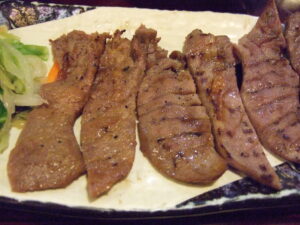
Several izakayas and seafood restaurants near the port serve mako shark sashimi (makozame no sashimi, approximately 1,000 to 1,500 yen/$7 to $10 per serving) and grilled shark steak. The flavor is mild and clean, with a firmer texture than most fish sashimi. It’s a must-try for anyone who has never eaten shark — the reality is far more approachable than the reputation.
Sanriku Seafood Beyond Shark
Kesennuma is a major landing port for a wide range of Sanriku Coast seafood, and the restaurants near the harbor serve excellent fresh fish, shellfish, and kaisen-don (seafood rice bowls). The morning catch of bonito (katsuo), Pacific saury (sanma), and various shellfish appears in seasonal menus. Sanma (Pacific saury) is particularly good here from August through October — grilled over charcoal with daikon and soy sauce, it’s a simple, perfect meal.
Recommended Restaurants
Several restaurants in the port area specialize in fukahire cuisine. Fukahire no Ie (literally “Shark Fin House”) is one of the most dedicated, serving fukahire ramen, shark don, and shark sashimi platters with local seafood accompaniments. Expect to spend 1,500 to 3,500 yen ($10 to $24) per person for a full meal. The port-area tourist information center maintains an up-to-date restaurant guide — check there for current recommendations, as the local food scene continues to evolve post-reconstruction.
Best Time to Visit Kesennuma
- Spring (March to May): Fishing activity is high and the port is busy. Shark season begins ramping up. Fewer tourists mean more authentic access to the working port. The coastal scenery is fresh and green after winter.
- Summer (June to August): Prime shark fishing season. The best time to see large shark catches at the port. Peak tourism season means more restaurants and services are operational. Sanma (Pacific saury) season begins in August.
- Autumn (September to November): Sanma season peaks — the grilled saury here is world-class. The Sanriku autumn landscape is beautiful. Shark processing is at full pace with summer catches being processed.
- Winter (December to February): The port is quieter but still operational. Oyster season peaks (Kesennuma’s bay also produces excellent oysters). The tsunami memorial and port museums are open year-round with fewer crowds. Temperatures drop to 32 to 41 degrees F (0 to 5 degrees C) — bring warm clothes.
Getting to Kesennuma
By train from Sendai: The most convenient route is the JR Tohoku Shinkansen from Tokyo to Sendai (approximately 90 minutes, 11,000 to 13,000 yen / $75 to $90), then the JR Kesennuma Line to Kesennuma. Note that the tsunami destroyed the Kesennuma Line track, which has been replaced by a BRT (Bus Rapid Transit) service operating on a dedicated roadway. The full BRT journey from Shishiori-Kesennuma takes approximately 1.5 hours from the Ichinoseki connection point. Total time from Tokyo: approximately 4 to 5 hours.
By bus: Highway buses operate between Sendai and Kesennuma, taking approximately 2.5 to 3 hours (1,800 to 2,300 yen / $12 to $16). This is often the most practical option from Sendai.
By rental car: Driving from Sendai to Kesennuma takes approximately 2 to 2.5 hours via the Sanriku Expressway (toll road). A rental car gives maximum flexibility to explore the coastal scenery and stop at viewpoints along the way. A one-day rental from Sendai typically costs 5,000 to 8,000 yen ($34 to $55) plus fuel and tolls.
By rental car from Tokyo: Driving from Tokyo to Kesennuma takes approximately 5 to 6 hours via the Tohoku Expressway and Sanriku Expressway. More practical for those combining Kesennuma with a broader Sanriku Coast road trip.
Where to Stay in Kesennuma
Budget (Under 8,000 yen / $55 per night)
Business hotels in the rebuilt Kesennuma center offer clean, functional accommodation with double rooms from 5,000 to 7,500 yen ($34 to $52). Hotel Route Inn Kesennuma is a reliable chain option with on-site restaurant and natural hot spring bath. Japanese capsule-style accommodation is available at some port-adjacent guesthouses.
Mid-Range (8,000 to 20,000 yen / $55 to $135)
Traditional ryokan outside the city center offer the most atmospheric stay — tatami rooms, multi-course seafood kaiseki dinners, and hot spring baths. Several ryokan operate in the Karakuwa Peninsula area south of the city, with ocean views and strong local seafood menus. Expect to pay 12,000 to 18,000 yen ($83 to $124) per person including dinner and breakfast. These ryokan require advance booking, especially in summer and autumn.
Luxury (20,000+ yen / $135+)
Higher-end accommodation is limited in Kesennuma itself, but the nearby Minamisanriku area has several premium ryokan overlooking the Sanriku Coast. Kanyo Hotel in Minamisanriku (approximately 30 minutes north of Kesennuma) offers spectacular bay views, excellent seafood kaiseki, and private hot spring baths. Full-board packages run 25,000 to 40,000 yen ($172 to $276) per person.
Practical Tips for Visiting Kesennuma
- Come hungry: Fukahire ramen should be your first meal — have it for lunch on the day you arrive. Follow it with shark sashimi at dinner. Save the port market exploration for the following morning.
- Visit the port early: The working port is most active from 5:00 to 9:00am on days when boats land. Even if you’re not a morning person, the early port scene is worth the alarm clock.
- Allow time for the memorial museum: The Kesennuma Disaster Memorial Museum deserves at least 2 hours and should not be rushed. It provides context that transforms the rest of your visit.
- Carry cash: Port-area vendors and smaller restaurants frequently operate cash-only. Have at least 10,000 to 15,000 yen ($68 to $103) in small bills.
- The BRT replaces the train: If you’re arriving by rail, be aware that the JR Kesennuma Line now operates as a bus (BRT). Buy your ticket at the station — the BRT uses the same ticketing system as JR.
- Combine with the Sanriku Coast: Kesennuma makes an excellent anchor point for exploring the broader Sanriku Coast. Matsushima is 1.5 hours south; the Rias Line coastal railway connects north to Miyako in Iwate. A 2-day Sanriku itinerary with a night in Kesennuma is highly recommended.
- Shark fin souvenirs pack well: Dried fukahire is shelf-stable and travels well. If you want to bring home a piece of Kesennuma, this is the authentic choice — just declare it at customs when returning to Australia or the US (it is legal to import as a food product, but must be declared).
- Sustainability awareness: If you want to ask about the sourcing practices of the shark fin you’re eating, the phrase “zenbuurushi (全部使い)” — “whole use” — is what to listen for. Kesennuma establishments that use the entire animal typically mention this practice proudly.
Sample 1-Day Kesennuma Itinerary
8:00am — Port Morning Walk: Start at the fish market and port area while the morning catch is being processed. Watch the activity, explore the port-side shops, and pick up any shark products you want to take home. The energy of a working fishing port in the morning is something you won’t forget.
10:00am — Rias Shark Museum: Spend 90 minutes at the Rias Shark Museum learning about the shark species central to the local industry. The aquarium section has live shark exhibits. (620 yen / $4.50)
12:00pm — Fukahire Ramen Lunch: The centerpiece of any Kesennuma visit. Choose a port-area restaurant and order the fukahire ramen. Take your time with it — appreciate the texture of the fin strands in the broth, the local noodle style, and the craft behind a dish that exists nowhere else in quite this form. (1,500 to 2,000 yen / $10 to $14)
2:00pm — Kesennuma Disaster Memorial Museum: Spend 2 hours at this essential museum. The story of the 2011 tsunami and the subsequent recovery is presented with honesty and dignity. (700 yen / $4.80)
4:30pm — Cape Karakuwa Drive: Drive south to Cape Karakuwa for the late afternoon light over the Sanriku Coast. The views from the cape over the Pacific are spectacular, especially with the golden light of late afternoon.
7:00pm — Izakaya Dinner: End the day at a port-area izakaya with shark sashimi, seasonal Sanriku seafood, and cold Miyagi beer or sake. The local Ishinomaki Brewing Company makes excellent craft beer that pairs well with fresh shark.
Final Thoughts: Why Kesennuma Deserves Your Visit
Kesennuma is not the most visited city in Tohoku. It doesn’t have ancient temples or famous scenic views in the way Matsushima or Yamadera do. What it has is something rarer: a living, working fishing culture of enormous sophistication, built around species and products found nowhere else in Japan in quite the same way, and a story of rebuilding from catastrophic loss that is genuinely inspiring.
When you eat fukahire ramen in Kesennuma — really eat it, in a port-area restaurant with fishing boats visible through the window — you’re participating in something that has taken generations to develop. You’re tasting the Pacific Ocean as filtered through one of Japan’s most distinctive regional food cultures. You’re supporting a city that refused to disappear after the worst natural disaster in Japan’s modern history. And you’re experiencing exactly the kind of off-the-beaten-path Japan that most tourists never find.
The fukahire is ready. The port is open. The ramen is extraordinary. Kesennuma is waiting.
Related Articles You Might Enjoy
- Sendai Station Area Food Guide: Beef Tongue, Morning Market & Sushi in Miyagi
- Vegetarian & Vegan Guide to Eating in Tohoku: Tips, Restaurants & Essential Phrases
- Minamisanriku, Miyagi: Japan’s Most Moving Resilience Destination & World-Class Seafood
- Sendai Gyutan: The Complete Guide to Japan’s Most Iconic Beef Tongue Experience

コメント