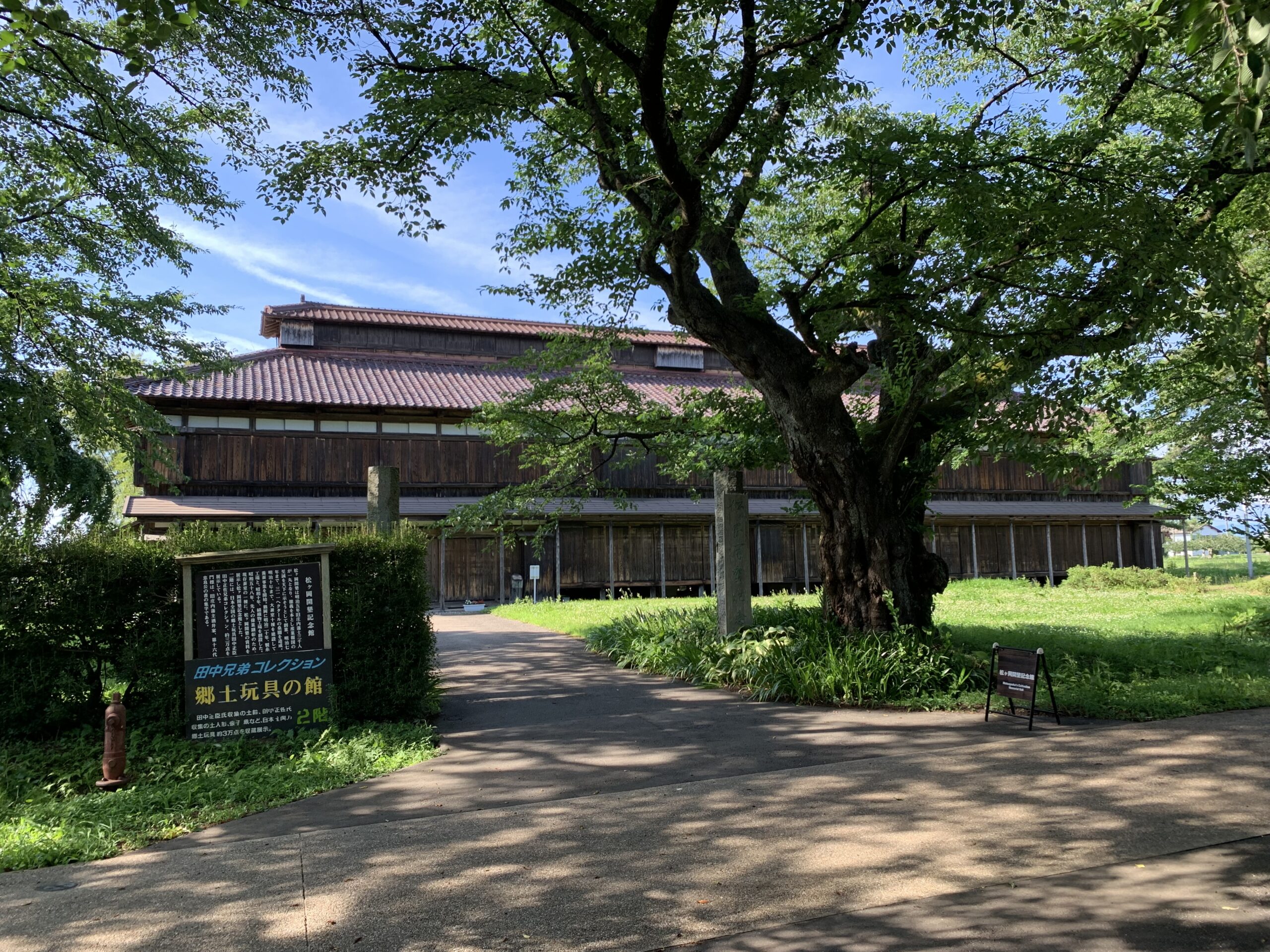
Tsuruoka doesn’t announce itself loudly. There’s no single explosive spectacle here — no neon canyon, no famous landmark on every visitor’s checklist. What Tsuruoka offers instead is something rarer: a city that has quietly perfected the art of living well. It is home to Japan’s most acclaimed local food culture (officially recognized by UNESCO), a remarkably intact samurai heritage quarter, one of the country’s most charming open-air museums, and the starting point for pilgrimages into the sacred mountain realm of Dewa Sanzan. For travelers willing to look past the obvious, Tsuruoka is one of Tohoku’s most rewarding destinations — and quite possibly the most satisfying place in Japan to simply eat.
Why Tsuruoka Should Be on Every Japan Itinerary
In 2014, Tsuruoka became Japan’s first UNESCO Creative City of Gastronomy — a designation that reflects not just the quality of the food, but the extraordinary depth of its food culture. The Shonai Plain on which Tsuruoka sits is one of Japan’s premier rice-growing regions, producing some of the country’s most prized Koshihikari and Haenuki varieties. The Sea of Japan coastline, just 15 minutes away, delivers exceptional seafood year-round. The surrounding mountains provide wild vegetables, mountain herbs, mushrooms, and game. And centuries of isolation from the main currents of Japanese culture — Tsuruoka was famously “the end of the road” for travelers from Edo — allowed the local food culture to develop its own distinct character, including dozens of heirloom vegetable varieties found nowhere else in Japan.
But Tsuruoka is not merely a food destination. The city carries the history of the Shonai domain — a feudal territory ruled by the Sakai clan for over 250 years — in its architecture, its temple complexes, and its remarkably preserved samurai townscape. The Chido Museum, an open-air collection of historic buildings in a former samurai estate, is one of the finest of its kind in northern Japan. Zenpoji Temple, with its five-story pagoda rising above a serene forested approach, is worth the short detour for its atmosphere alone. And the nearby sacred mountains of Dewa Sanzan — among Japan’s most important pilgrimage sites — draw yamabushi mountain ascetics and spiritual seekers from across the country.
Tsuruoka rewards slow travel. Unlike the kind of destination you can tick off in three hours between bullet trains, this is a city best experienced over two or three days: browsing the morning markets, eating extraordinary dinners at small local restaurants, exploring the temples in the early morning calm, and using the city as a base for day trips to the sea, the mountains, and the rice paddies of the Shonai Plain.
Getting There from Tokyo and Sendai
By Shinkansen + Limited Express Train
- From Tokyo: The most common approach is via the Yamagata Shinkansen to Yamagata Station (about 2 hours 45 minutes; approximately ¥13,500 / ~$90), then transfer to the Limited Express Inaho (特急いなほ) running along the Uetsu Line toward Tsuruoka (approximately 1 hour 15 minutes; around ¥2,500 / ~$17). Total journey: approximately 4 hours. The JR Pass covers both the shinkansen and the limited express segments.
- From Sendai: Take the Shinkansen to Yamagata (about 45 minutes; around ¥3,000 / ~$20), then Limited Express Inaho to Tsuruoka as above. Total: approximately 2 hours 15 minutes.
- Direct Limited Express from Niigata: If you’re traveling the Japan Sea coast, the Limited Express Inaho runs between Niigata and Akita, stopping at Tsuruoka. From Niigata, it’s about 1 hour 40 minutes (~¥2,800 / ~$19).
By Highway Bus
Highway buses connect Tokyo (Shinjuku) to Tsuruoka directly in approximately 8 hours, with overnight services available. Prices start from around ¥4,500–¥7,000 (~$30–$47) one way. This is a budget option but a long journey.
By Rental Car
From Sendai by expressway, Tsuruoka is approximately 2.5–3 hours by car. From Yamagata city, it’s about 1 hour 15 minutes via Route 112 through the mountains or the Yamagata Expressway. Having a car is highly recommended for exploring the Shonai Plain and day-tripping to Dewa Sanzan, the coast, and the mountain villages — Tsuruoka’s greatest assets are spread across the landscape.
Chido Museum: Tsuruoka’s Open-Air Heritage Treasure
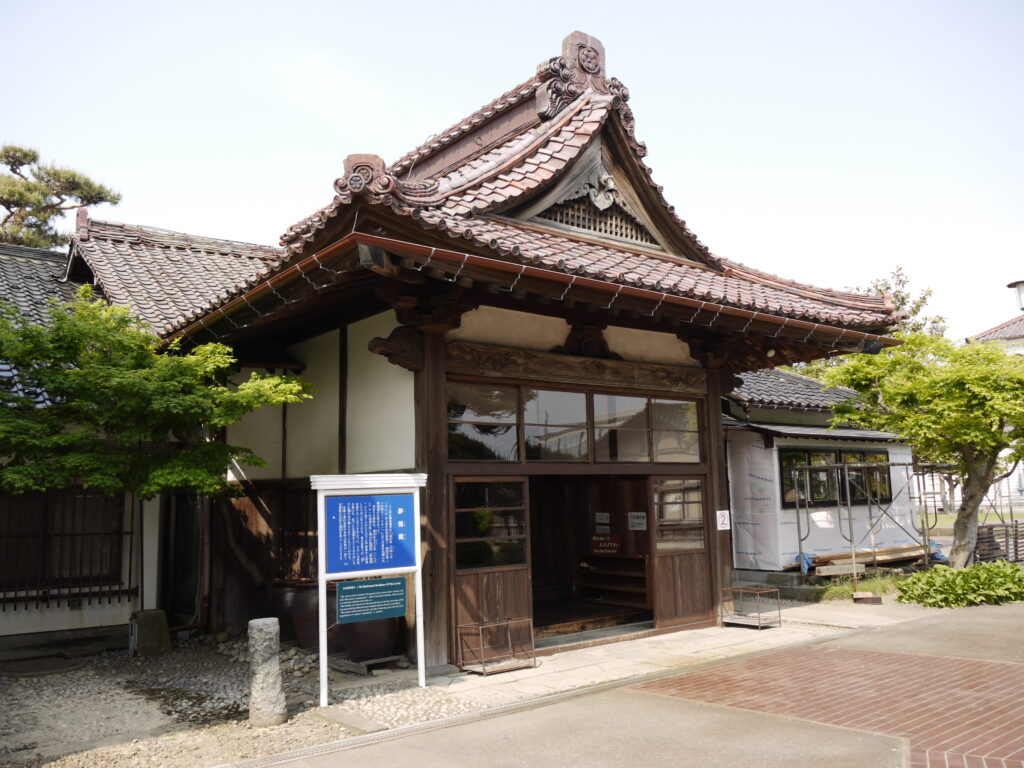
If you visit only one sight in Tsuruoka, make it the Chido Museum (致道博物館). Set within the grounds of a former samurai estate that once belonged to the Sakai clan, the museum preserves an extraordinary collection of historic structures on a single atmospheric site — one of the best open-air museums in the Tohoku region.
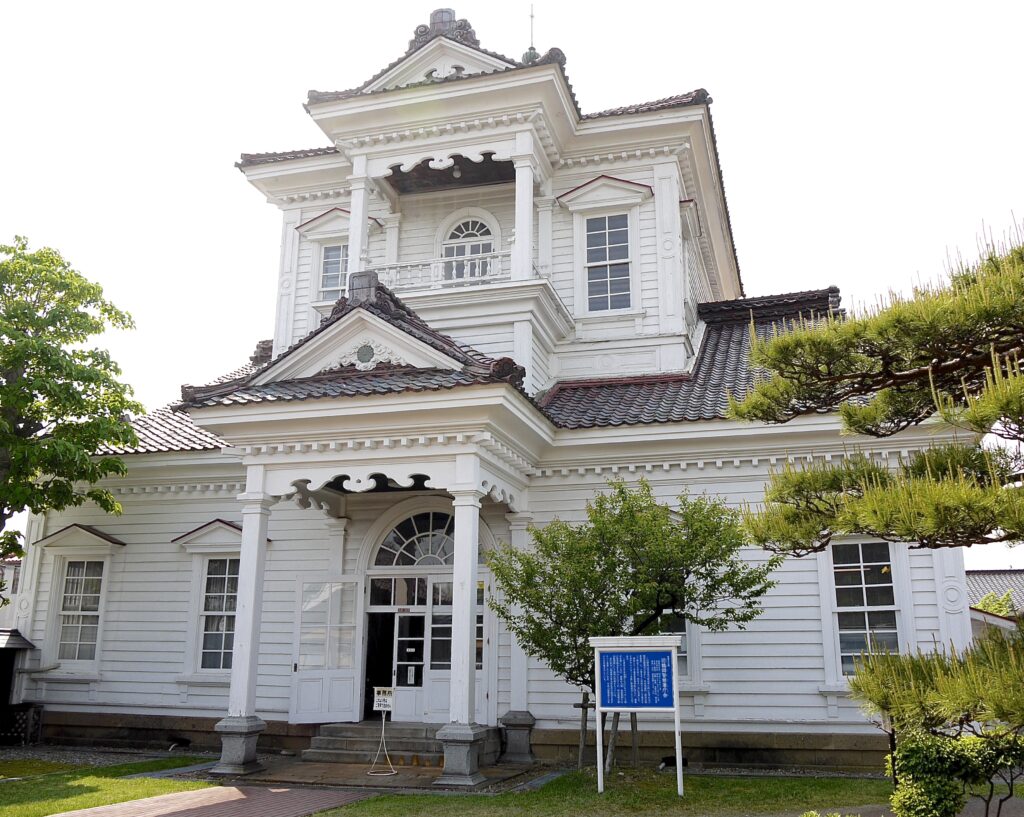
The buildings span several centuries and several architectural styles. The Goinden (御隠殿) is a Meiji-era structure built to accommodate imperial family visits — a fascinating hybrid of Japanese and Western architectural styles that reflects the anxieties and aspirations of Japan’s modernization period. The Former Nishitagawa County Office is a handsome wooden Western-style building from 1881, originally used as the county’s administrative center. The Former Tsuruoka Police Station (dating from 1884) is another fine example of Meiji-era civic architecture. Alongside these official buildings, the museum preserves traditional merchant houses, a farmer’s dwelling, and a beautifully restored samurai family residence — the Shibuya Family House — that gives a vivid sense of upper-class domestic life in Edo-period Tsuruoka.
The grounds themselves are a delight: mature trees shade a traditional Japanese garden adjacent to the Sakai family’s private Goinden, and the overall layout encourages leisurely exploration rather than a quick circuit. Allow 1.5 to 2 hours. The museum also contains an indoor exhibition hall with objects relating to Shonai domain history, including samurai armor, documents, and folk implements.
Admission: approximately ¥800 adults (~$5), ¥500 (~$3) for high school students, ¥300 (~$2) for children. Open daily 9am–5pm (last entry 4:30pm); closed Wednesdays from December through February.
Zenpoji Temple: The Jewel of Tsuruoka
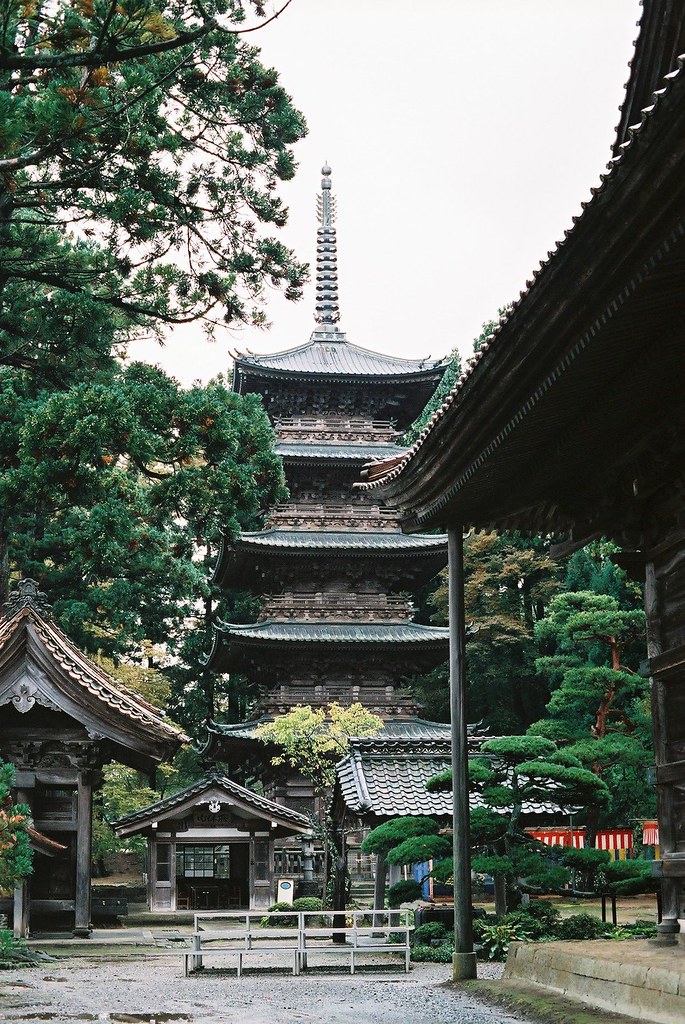
About 7 kilometers (4.3 miles) from the city center, Zenpoji Temple (善宝寺) is one of Yamagata Prefecture’s most significant Buddhist temples and a place of remarkable spiritual atmosphere. The temple belongs to the Soto sect of Zen Buddhism and serves as the guardian deity of those who work at sea — which explains why it has been so important to the fishing communities of the Shonai Coast for over a thousand years.
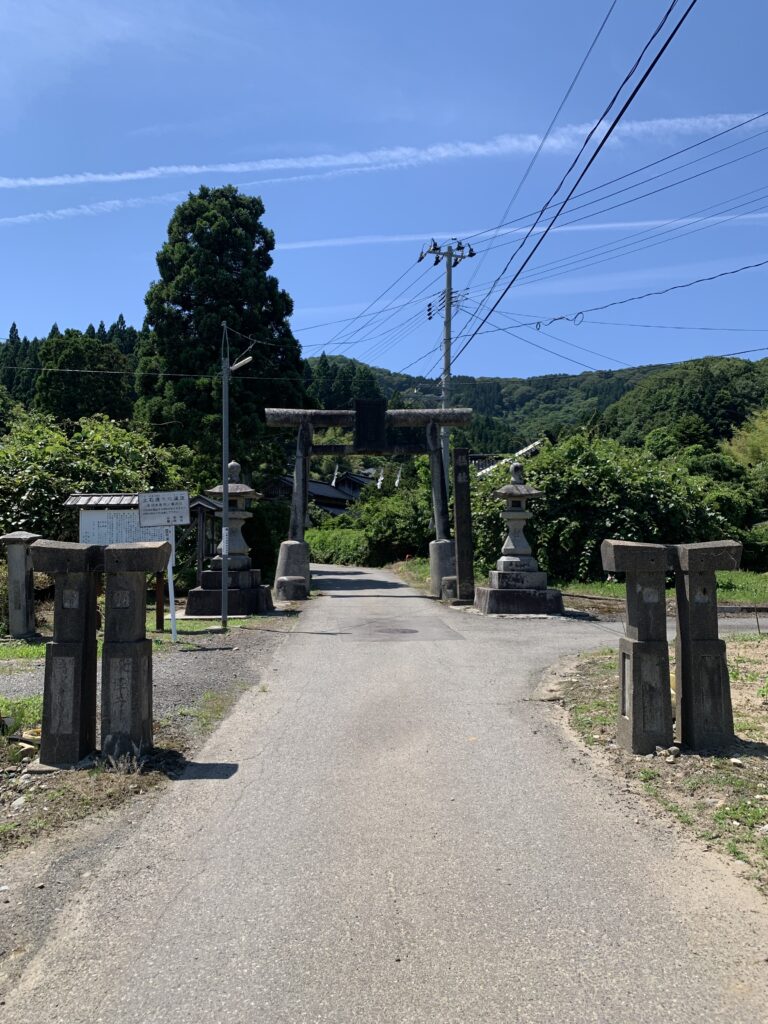
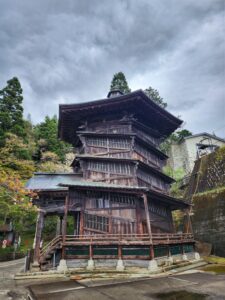
The approach to Zenpoji is part of the experience: a long tree-lined avenue flanked by stone lanterns leads toward the temple compound, with the atmosphere gradually shifting from the mundane world to something more contemplative. The main compound includes several substantial halls, the most visually striking of which is the five-story pagoda — a graceful structure rising above the forest canopy that is one of the most photographed sights in Yamagata. The pagoda dates from the early Meiji period and is remarkably well-preserved.
The temple is also famous for its mysterious Ryuto Pond (龍頭池, “Dragon Head Pond”), said to be home to a dragon deity who protects seafarers. The pond is serene and atmospheric, particularly in autumn when the surrounding trees reflect in its still surface. A small hall beside the pond contains hundreds of model ships donated by grateful fishermen and sailors over the centuries — a deeply touching folk tradition that speaks to the relationship between this temple and the sea-going communities of the Shonai coast.
Zenpoji is accessible by bus from Tsuruoka Station (approximately 20 minutes) or by taxi (around ¥1,500 / ~$10). There is ample free parking for visitors with cars. Grounds are open daily; there is no admission charge to walk the grounds, though entry to certain buildings costs a small fee.
Matsugaoka Kaikon: Where Samurai Became Farmers
One of the most emotionally resonant historical sites in all of Tohoku, Matsugaoka Kaikon (松ヶ岡開墾) tells the story of what happened to the samurai of the Shonai domain after Japan’s feudal era ended. When the Meiji Restoration dismantled the samurai class in the 1870s, the Sakai clan and roughly 3,000 of their retainers faced a sudden and total loss of status, income, and purpose. Rather than disperse or despair, they resolved to reinvent themselves as farmers.
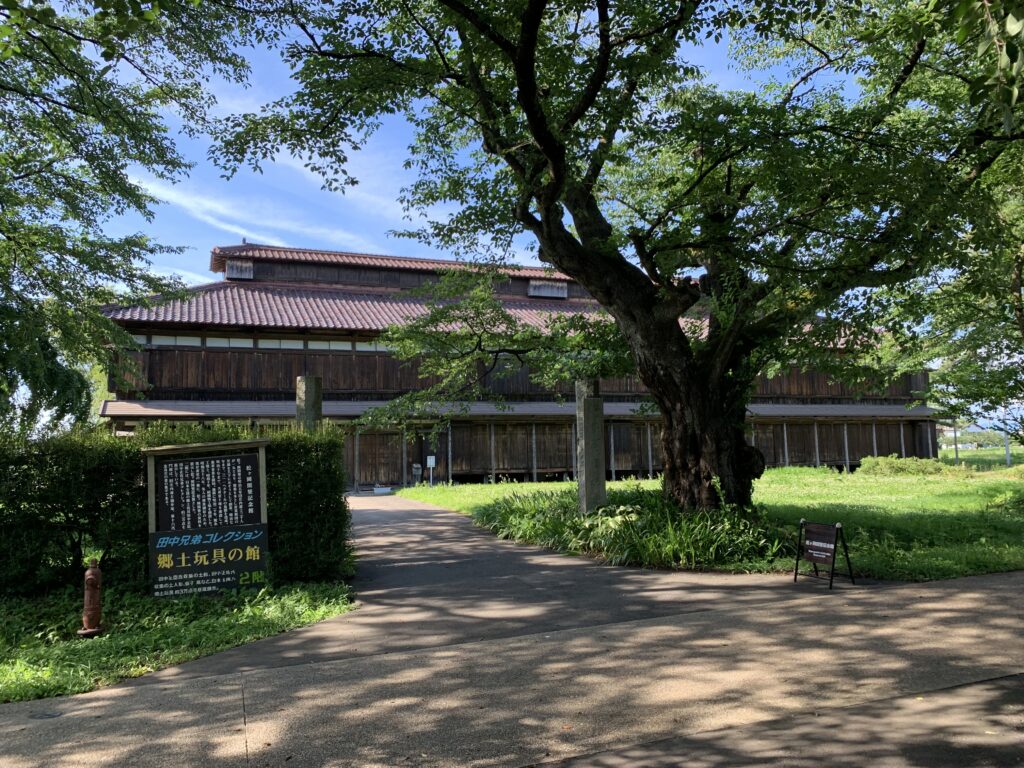
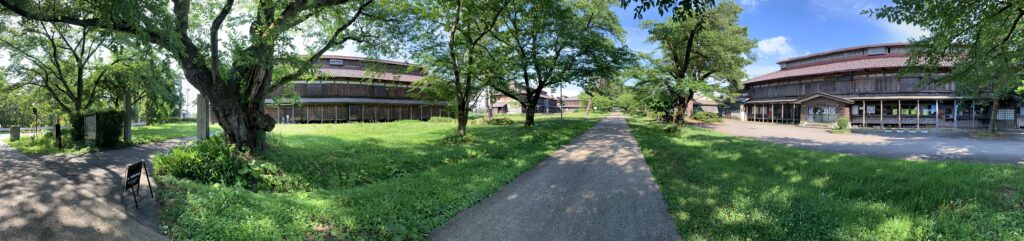
Between 1872 and 1876, they collectively cleared around 20 hectares (50 acres) of forested mountainside, building rice paddies and silkworm farms on land no one had previously cultivated. Within a generation, the former samurai had become some of the most successful agricultural producers in the region. Today, the surviving structures from this remarkable enterprise are preserved at Matsugaoka Kaikon — including the six large silkworm-rearing barns (蚕室, sanshitsu) that are among the largest wooden structures in Japan, and a memorial hall documenting the story of this extraordinary social reinvention.
The setting is beautiful: the historic structures are surrounded by the farmland their builders created, with mountains visible in the background. It’s a place that rewards quiet reflection — both about the specific history of the Shonai samurai and about the broader question of how people find meaning and purpose when the structures that defined them suddenly disappear.
Matsugaoka Kaikon is approximately 10 minutes by car from central Tsuruoka (free parking available). The memorial hall admission is approximately ¥400 adults (~$3). Open daily 9am–5pm.
Gateway to Dewa Sanzan: Japan’s Sacred Mountain Trio
Tsuruoka is the natural base for visiting the Dewa Sanzan (出羽三山) — the Three Mountains of Dewa — one of Japan’s most important pilgrimage sites. The three peaks are Mount Haguro (羽黒山), Mount Gassan (月山), and Mount Yudono (湯殿山), each representing a different dimension of the Shugendo spiritual tradition: the present, the past, and the future respectively.
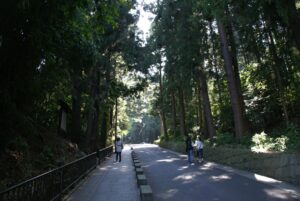
From Tsuruoka, the most accessible of the three is Mount Haguro, reached by bus in approximately 40 minutes. The mountain is famous for its approach: a forest path climbs through ancient cedar trees, some over 1,000 years old, passing hundreds of stone lanterns and a beautiful red-lacquered five-story pagoda (Japan’s most perfectly preserved example of a mountain pagoda, dating from the 14th century) before reaching the summit shrine complex at 419 meters (1,375 feet). The hike takes approximately 1.5 hours up and 1.5 hours down, or you can take a bus directly to the summit and walk down. A restaurant at the summit serves Shojin ryori — the Buddhist vegetarian cuisine of the mountain — at very reasonable prices.
Mount Gassan (1,984m / 6,509ft) is the highest of the three and is typically accessible from July through mid-October when the snow has melted sufficiently. The hike from the Gassan 8th Station trailhead (accessible by bus or car) to the summit shrine takes approximately 2.5–3 hours each way and should only be attempted in good weather with appropriate footwear. The mountain is renowned for its beautiful alpine scenery, summer wildflowers, and sacred atmosphere.
Mount Yudono is the most sacred and secretive of the three — photography is strictly prohibited on the mountain, and visitors must undergo a purification ritual before entering the inner sanctuary. The experience is deliberately mysterious and is considered the spiritual culmination of the Dewa Sanzan pilgrimage. Access by car or bus from Tsuruoka takes approximately 1.5 hours.
Many pilgrims who have the time make the full three-mountain circuit (三山巡り, sanzan meguri), spending a night at the mountain lodge (宿坊, shukubo) on Mount Haguro — an unforgettable experience that includes Shojin vegetarian meals, early morning rituals, and the deep quiet of a sacred mountain community. Shukubo rates typically run ¥15,000–¥22,000 (~$100–$147) per person including two meals. Advance booking is essential during summer and autumn.
Tsuruoka’s UNESCO Food Culture: What to Eat
The UNESCO designation for Tsuruoka’s food culture is not just a label — it reflects something genuinely extraordinary about how this region eats. The Shonai Plain has preserved over 50 heirloom vegetable varieties that have disappeared from the rest of Japan, each with its own distinct flavor, history, and seasonal window. Walking into a good Tsuruoka restaurant is like entering a living archive of agricultural heritage.
Dashi (だし) — Tsuruoka’s Beloved Summer Condiment
Perhaps the most locally beloved of all Tsuruoka food traditions is Dashi — not the soup stock, but a Yamagata specialty made from finely chopped raw vegetables (typically summer staples like natto green onion, myoga ginger, shiso, and eggplant) seasoned with soy sauce. Dashi is eaten as a condiment, piled onto hot rice where the heat softens it slightly, releasing the sharp aromatic flavors. It’s addictively good. Every household has its own recipe; every restaurant serves its own interpretation. Try it as soon as you arrive — it captures something essential about Shonai’s relationship with vegetables.
Shonai Seafood (庄内浜の魚介)
The Shonai Coast faces the Sea of Japan directly, and the fish and seafood brought into Tsuruoka’s port are exceptional. Hanagata (red snapper), kurosoui (black rockfish), and the extraordinary Gassan (flying squid from the Japan Sea) are particular local treasures. The morning market at Tsuruoka Asaichi (鶴岡朝市) runs every day except Sundays and public holidays from 6am to around 9am — arrive early to watch vendors set up and to buy freshly caught seafood directly from fishermen’s wives at prices that will make your jaw drop. Many local guesthouses will prepare your market purchases if you ask.
Shojin Ryori at the Mountain Temples
For one of the most memorable meals in Japan, take the lunch option at a mountain lodge on Mount Haguro (available to day visitors at certain shukubo). Shojin ryori is Buddhist vegetarian cooking made entirely from seasonal mountain produce — no meat, no fish, no garlic or onion. Instead, it features tofu in multiple preparations, mountain vegetables, sesame preparations, pickled vegetables, miso soup, and perfectly cooked Shonai rice. The restraint is the point: you taste each ingredient with unusual clarity. Lunch at a Haguro shukubo costs approximately ¥2,000–¥3,500 (~$13–$23). Reserve in advance.
Sakata-style Sushi (酒田鮨)
Though technically in neighboring Sakata city (30 minutes by train), the local style of pressed and rod-shaped sushi using Japan Sea fish is close enough to be considered part of the Tsuruoka food orbit. Seafood-focused sushi restaurants in the Shonai area serve regional fish — many of which are unfamiliar even to Japanese visitors from other parts of the country — at prices significantly below what you’d pay for comparable quality in Tokyo. A satisfying omakase (chef’s choice) set at a mid-range Tsuruoka sushi restaurant typically costs ¥3,000–¥5,000 (~$20–$33).
Heirloom Vegetable Restaurants
Several restaurants in Tsuruoka have built their menus around the extraordinary diversity of local heritage vegetables. Al Ché-cciano (Japanese-Italian fusion, Tsuruoka city center) is perhaps the most internationally acclaimed — chef Masayuki Okuda has been instrumental in bringing Shonai’s food culture to global attention. His restaurant showcases local ingredients in sophisticated Italian-inspired preparations; dinner courses run approximately ¥5,500–¥12,000 (~$37–$80). Shonai Hotel Suiden Terrasse (see accommodation below) also features excellent dining using Shonai produce. For a more casual experience, the standing deli and prepared foods section of Tsuruoka’s department stores and food halls offers excellent local specialties at very accessible prices.
Best Time to Visit Tsuruoka
- Spring (April – May): Cherry blossoms are spectacular in Tsuruoka’s parks, particularly around the historic moat and castle area at Tsurugaoka Park. The Shonai Plain comes alive with fresh green rice seedlings, and mountain passes to Dewa Sanzan begin to open. Mount Haguro is accessible year-round; Gassan and Yudono open from July.
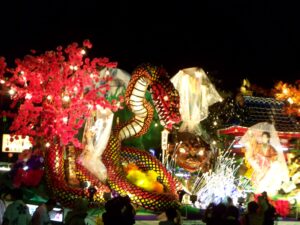
- Summer (June – August): The warmest season, with long days and a full complement of Shonai’s remarkable local vegetables at market. This is the best time for mountain hiking and for the full Dewa Sanzan pilgrimage. The Tsuruoka Midsummer Festival (天神祭) takes place in late July. Coastal seafood is at its most diverse. Humidity can be high; temperatures typically reach 28–32°C / 82–90°F.
- Autumn (September – November): One of the best seasons. The rice harvest (late September–October) turns the Shonai Plain gold; mushroom season arrives in the mountains; and the Dewa Sanzan mountains turn brilliant colors before the high-elevation routes close. The autumn seafood includes regional specialties like kani (snow crab), which arrives from November. Temperature range: 10–22°C / 50–72°F.
- Winter (December – March): Heavy snow covers the Shonai Plain and closes mountain routes. However, this is prime season for winter seafood (including snow crab), the deeply atmospheric winter rituals at Mount Haguro — particularly the extraordinary Shoreisai festival in late December, when yamabushi priests perform midnight fire rituals in the falling snow. This is not a destination for warm-weather tourists, but for those who love atmosphere and authenticity, winter Tsuruoka is extraordinary.
Where to Stay
Budget (Under ¥8,000 / $55 per night)
Budget accommodation in Tsuruoka is limited but available. Business hotels near the station — such as Hotel Route-Inn Tsuruoka and APA Hotel Tsuruoka Ekimae — offer clean, functional rooms from approximately ¥5,500–¥7,500 (~$37–$50) per night. These are practical if you’re primarily using Tsuruoka as a base for day trips rather than lingering in the city itself. For backpackers, the guesthouse scene is small; ask at the tourist information office at Tsuruoka Station for current options.
Mid-Range (¥8,000–¥20,000 / $55–$135 per night)
Tsuruoka Washington Hotel: Conveniently located near the city center with comfortable rooms and breakfast options. Rates from approximately ¥9,000 (~$60) per person.
Shukubo on Mount Haguro: If your visit includes Dewa Sanzan, staying at one of the approximately 30 mountain lodges on Mount Haguro is one of the most memorable options in all of Tohoku. Rates run ¥15,000–¥22,000 (~$100–$147) per person including Shojin vegetarian dinner and breakfast. The experience — waking before dawn to attend morning rituals, then hiking the sacred cedar forest as mist rises — is unforgettable.
Luxury (¥20,000+ / $135+ per night)
Shonai Hotel Suiden Terrasse: This is one of the most architecturally remarkable hotels in Japan. Designed by Shigeru Ban (the Pritzker Prize-winning architect), Suiden Terrasse appears to float on the surface of a rice paddy — a long, low wooden structure reflected in the water, with views across the Shonai Plain in every direction. The rooms are modern, the food restaurant-quality (using Shonai ingredients), and the overall experience unlike anything else in the country. Rates from approximately ¥30,000 (~$200) per person per night with dinner and breakfast. Reserve well in advance — this is a destination in itself. Access: approximately 10 minutes by car or free shuttle from Tsuruoka Station.
Practical Tips for Visiting Tsuruoka
- Get a rental car: While central Tsuruoka is walkable and bus connections to Haguro exist, many of the best experiences around the city require a car: the Shonai coast (15 min), Matsugaoka Kaikon (10 min), mountain villages, remote temples, and the back roads through rice paddies that define the Shonai landscape.
- Visit the morning market early: Tsuruoka Asaichi (鶴岡朝市) runs daily except Sunday and holidays, from about 6am to 9am at a site near the city center. Arrive before 7am for the best selection. Even if you’re not buying, the energy and variety of the market is worth the early start.
- Book Haguro shukubo in advance: Mountain lodge stays on Mount Haguro require advance booking — especially in summer (July–August) and autumn (September–October). Contact lodges directly; some have English-language booking pages.
- The Shonai UNESCO food story: Many restaurants in Tsuruoka carry cards or menus explaining which local heirloom vegetables are featured on a given day. Ask the staff — they’re usually very proud to explain the origin and history of what you’re eating, even if communication requires some pointing and smiling.
- Dress for Mount Gassan: If you’re planning to hike Mount Gassan (July–October), bring waterproof outer layers, warm mid-layers, and sturdy boots. The summit is well above treeline and weather changes rapidly. Snow can be present even in August.
- Photography at Mount Yudono: Photography is strictly prohibited inside the inner sanctum of Mount Yudono Shrine. Respect this rule — it’s a deeply sacred site, and the prohibition is part of the mountain’s mystique. You can photograph the approach road and outer areas.
- The Shoreisai Winter Festival: If you’re visiting in late December, look up the Shoreisai festival on Mount Haguro (December 31 into January 1). Yamabushi priests perform elaborate midnight fire rituals in the snow-covered shrine complex. It’s open to visitors and utterly extraordinary — one of Japan’s most atmospheric events. Dress very warmly.
- Allow 2–3 days: Tsuruoka is not a half-day destination. The Chido Museum alone deserves 2 hours; Zenpoji Temple another 1.5 hours; a proper Mount Haguro experience takes most of a day; and you’ll want at least one long, leisurely restaurant dinner. Plan 2 full days minimum; 3 if you want to add Mount Gassan or the Shonai coast.
- Suiden Terrasse reservations: If staying at the Shigeru Ban hotel is on your radar, book 2–3 months in advance for peak seasons (cherry blossom, autumn, Golden Week). This is not just an accommodation booking — it’s a destination experience.
- Local sake: The Shonai region produces outstanding sake, as you’d expect from one of Japan’s premier rice-growing areas. Kato Kahachiro Shoten (加藤嘉八郎酒造) in Tsuruoka is one of the most respected producers, and several small izakaya in the city center stock an excellent range of local labels. Ask for local Yamagata sake (地酒, jizake) when ordering.
Sample 2-Day Tsuruoka Itinerary
Day 1: City Culture and Sacred Forests
Morning (7am–9am): Start early at the Tsuruoka Asaichi morning market — browse the stalls, watch the city wake up, and have a light breakfast of whatever looks best. The market vendors are wonderfully friendly and the energy is contagious.
Mid-Morning (9am–12pm): Head to Chido Museum for a thorough exploration of the historic buildings and gardens (1.5–2 hours). Then walk or drive to the nearby Tsurugaoka Park area, where the former Tsuruoka Castle site is now a pleasant park centered on the Chido Shrine.
Lunch (12pm–1:30pm): Eat at a local restaurant near the city center. Order Dashi on rice if you see it on the menu — it’s the perfect introduction to Tsuruoka’s food culture.
Afternoon (2pm–6pm): Drive or bus to Mount Haguro (40 minutes each way by bus). Hike the cedar forest approach to the summit shrine — allow 3 hours for the round trip including time at the top. Or if time is short, take the bus to the summit and walk down (about 1.5 hours descent).
Evening (7pm onwards): Dinner at a proper local restaurant. Ask your accommodation host for a recommendation — a meal at a Tsuruoka restaurant that takes heirloom vegetables seriously is one of the trip highlights. Budget ¥3,500–¥8,000 (~$23–$53) per person for dinner without drinks.
Day 2: Heritage, Temples, and Coastal Seafood
Morning (9am–11am): Drive to Matsugaoka Kaikon (10 minutes from city). Tour the former silkworm barns and memorial hall — the most moving historical story in the Tsuruoka area.
Mid-Morning (11am–1pm): Drive to Zenpoji Temple (15–20 minutes). Walk the lantern-lined approach, visit the five-story pagoda, and linger at the Ryuto Pond. This is a genuinely atmospheric place.
Lunch (1pm–2pm): Eat at a restaurant near Zenpoji or head back toward the coast for fresh seafood.
Afternoon (2pm–5pm): Drive to the Shonai Coast (15–20 minutes from the city). The stretch around Yura and Yuza offers beautiful Sea of Japan views, fishing harbors, and in summer, excellent swimming beaches.
Evening: Return to Tsuruoka for a final dinner before departing the next morning. If budget allows, splurge on dinner at Al Ché-cciano or the Suiden Terrasse restaurant — either is a fitting farewell to one of Tohoku’s most quietly extraordinary cities.
Related Articles You Might Enjoy
- Dewa Sanzan: Complete Guide to Yamagata’s Three Sacred Mountains
- Yonezawa City Guide: Samurai History, Japan’s Best Wagyu Beef & the Uesugi Legacy
- Tendo, Yamagata: Japan’s Shogi Capital — Human Chess, Master Craftsmen & Cherry Blossoms
- Shinjo Festival, Yamagata: Japan’s UNESCO Float Festival Few Foreigners Ever See
- Sakata & the Mogami River, Yamagata: Japan’s Most Underrated Merchant City & a Legendary River Cruise
Final Thoughts
Tsuruoka occupies a special place in the landscape of Japanese travel because it asks something unusual of its visitors: to pay attention. To slow down enough to taste the difference between a heritage vegetable and a mass-produced one. To look closely at a centuries-old building and notice the care in its construction. To climb a forested mountain early enough to experience the spiritual atmosphere that drew pilgrims here for a thousand years. The rewards for that attention are proportional to the effort — and in Tsuruoka’s case, they are extraordinary.
It’s a city that doesn’t need any more hype. It just needs the right travelers — people who are curious, unhurried, and genuinely interested in understanding Japan beyond its most famous faces. If that sounds like you, Tsuruoka is waiting. Book the shukubo on Mount Haguro, reserve a table at a local vegetable restaurant, and give yourself at least two full days. You won’t regret a single hour.
Got questions about planning your Tohoku trip, or spotted something we missed? We’d love to hear from you — drop us a message here.

コメント