Where the Stars Come Down to Earth
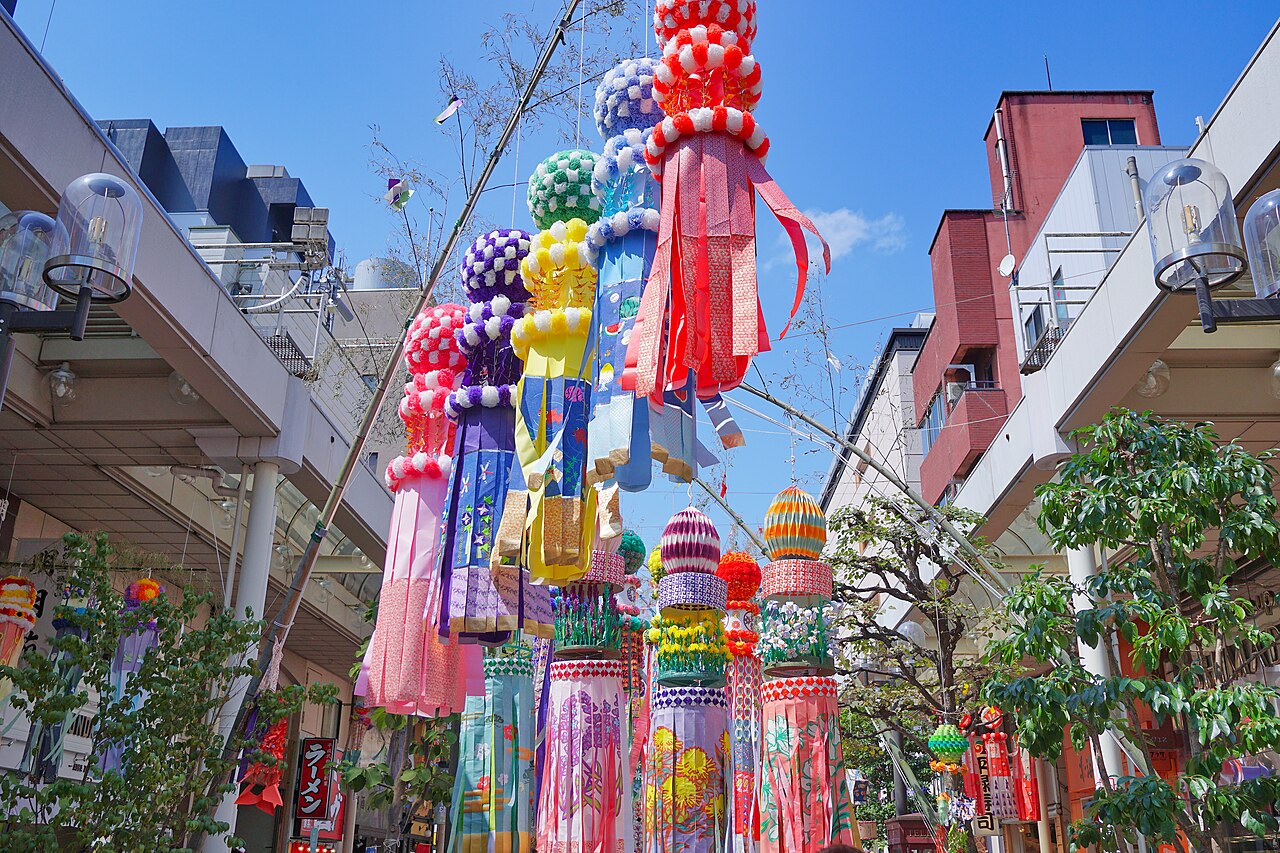
Every August, something magical happens to my city. The shopping arcades of Sendai disappear beneath an ocean of color — thousands of enormous bamboo decorations swaying overhead, their paper streamers rustling like whispered wishes in the summer breeze. I’ve lived in Sendai my entire life, and every single year the Tanabata Festival still takes my breath away. If you’re planning a trip to Japan in summer, this is the festival that should be at the very top of your list.
The Sendai Tanabata Festival (仙台七夕まつり) is one of Japan’s most spectacular celebrations — and one of its most underrated by foreign tourists who often head straight to Kyoto or Tokyo. That’s exactly why I wrote this guide. Consider it your insider roadmap, from a local who has watched the decorations go up every August for more than three decades.
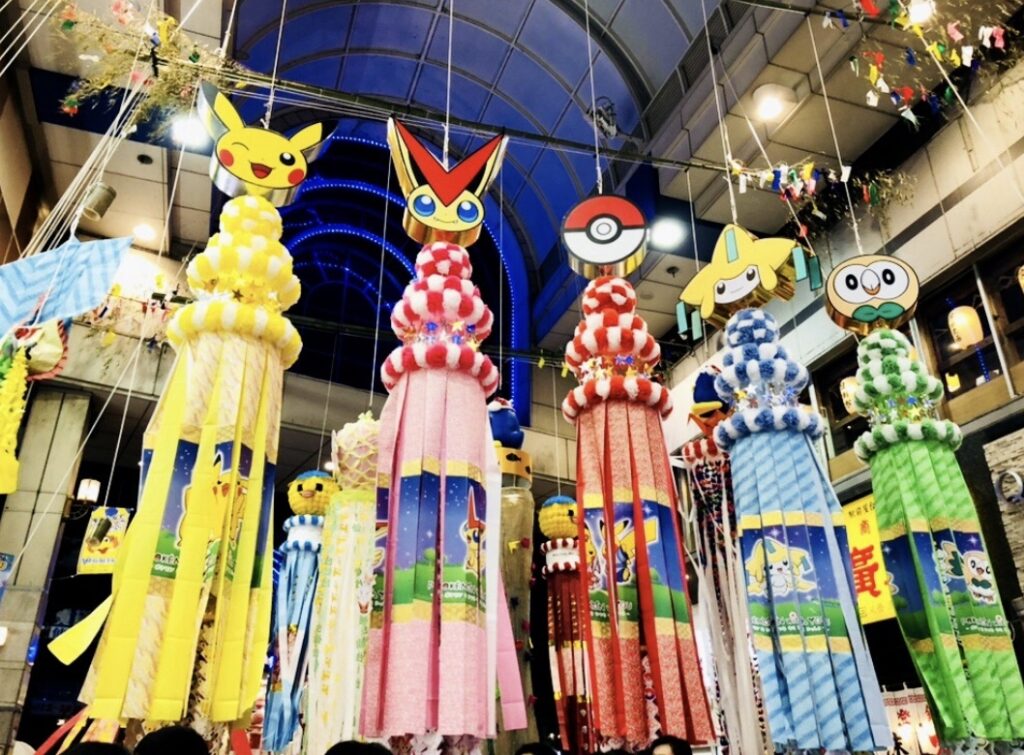
The Legend Behind the Festival: A Love Story Written in Stars
Before we talk logistics, you need to know the story — because it gives the Sendai Tanabata Festival its extraordinary emotional depth, and you’ll feel it the moment you step beneath those shimmering decorations.
The Tanabata legend originates in ancient China and has been cherished in Japan for over a millennium. Orihime (織姫), the Weaving Princess, was a daughter of the Sky King who spent her days spinning beautiful cloth beside the Milky Way. Her father, worried she was lonely, introduced her to Hikoboshi (彦星), a humble cowherd who lived on the other side of the celestial river. They fell instantly and completely in love — so deeply that they neglected their duties entirely. Orihime stopped weaving; Hikoboshi let his cattle roam free. The furious Sky King separated them, banishing each to opposite banks of the Milky Way. But moved by his daughter’s tears, he granted them one concession: once a year, on the seventh night of the seventh month, the stars would align and the two lovers could cross the river and be reunited.
Walk beneath the bamboo streamers of Sendai in August and look up. Those thousands of paper decorations catching the light — they are the stars themselves, brought down to earth. The whole city becomes a love letter written across the sky.
A Festival With 400 Years of History
Tanabata festivals are held across Japan, but Sendai’s version is in a category entirely of its own. The celebration here stretches back more than 400 years, with roots in the court of the legendary feudal lord Date Masamune, who encouraged the culture and craftsmanship that would eventually bloom into the extravagant spectacle you see today.
Today, the Sendai Tanabata Festival is officially recognized as one of the Tohoku Three Great Festivals (東北三大祭り) — alongside the Aomori Nebuta Festival and the Akita Kanto Festival. These three events, all held within days of each other in early August, represent the cultural pinnacle of the Tohoku region and draw millions of visitors from across Japan and around the world. If you’re ambitious, you can actually catch all three in a single week-long Tohoku summer trip — but I’ll be honest with you: Sendai will steal your heart first.
The Scale of Sendai Tanabata: Nothing Quite Prepares You
I want to be very direct with you about this, because I’ve seen the look on foreign visitors’ faces when they round the corner into Ichibancho for the first time: nothing you’ve read will fully prepare you for the scale of this festival.
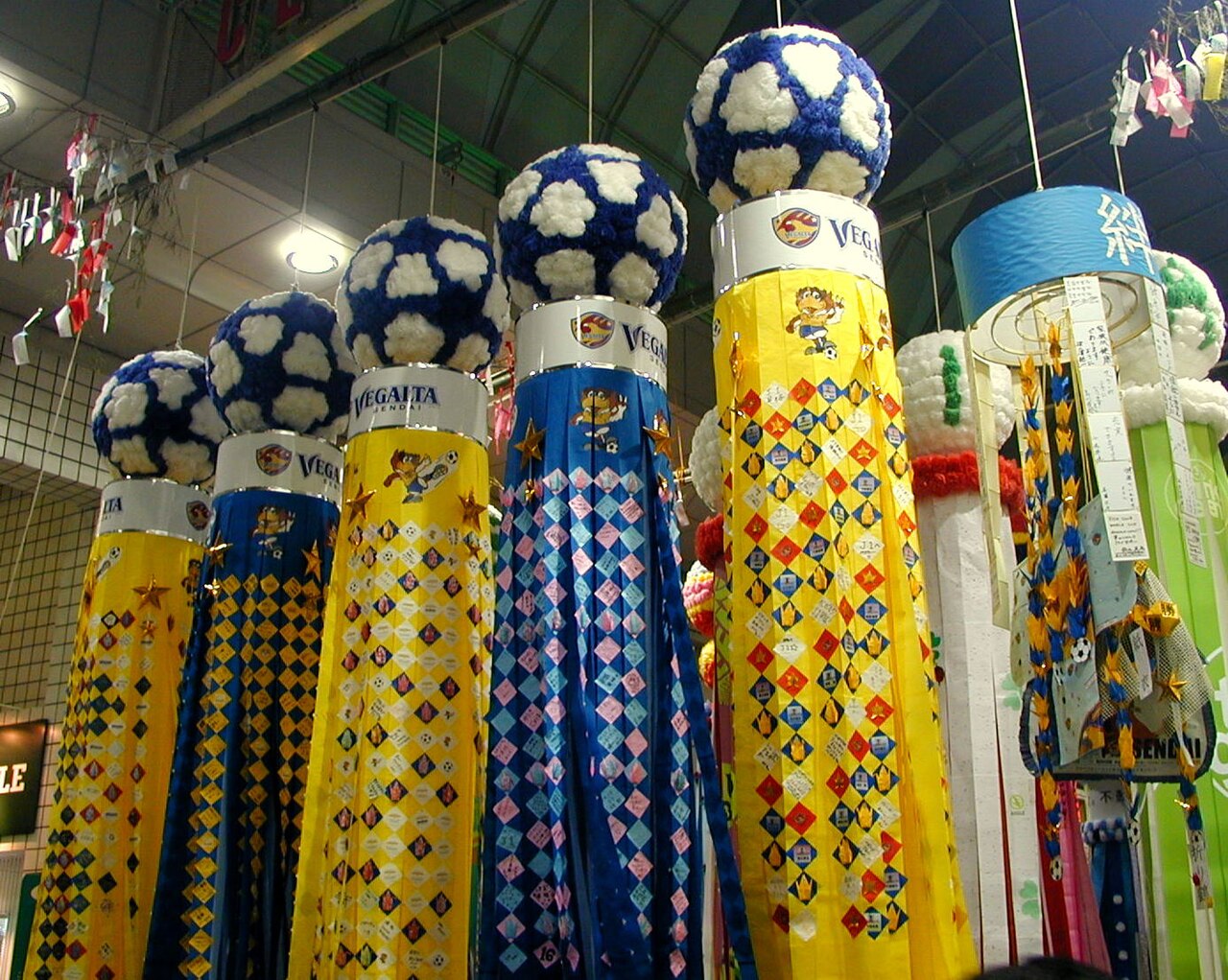
We’re talking about more than 3,000 enormous bamboo decorations suspended from the fronts of shops and buildings, stretching across 5 kilometers of covered shopping arcades and open streets. Each decoration rises several meters overhead, exploding at the top in a crown of bamboo before cascading downward in long, vivid streams of washi paper, tinsel, origami cranes, and hand-cut ornaments. The colors — scarlet and gold and indigo and emerald — blaze against the soft August light. The sheer density of it is overwhelming in the best possible way.
This is what separates Sendai from every other Tanabata festival in Japan. Where other cities hang modest streamers, Sendai constructs monuments. Local shops, businesses, and community groups spend weeks — sometimes months — crafting their displays, and there is fierce, loving competition over whose decoration is most spectacular.
The Seven Sacred Decorations: What You’re Actually Looking At
Every authentic Sendai Tanabata decoration incorporates the seven traditional ornaments (七つ飾り, nanatsu kazari), each carrying its own symbolic prayer. Once you know what you’re looking at, the festival takes on a whole new dimension.
- Fukinagashi (吹き流し) — The long, sweeping paper streamers that give the decorations their iconic silhouette. They represent Orihime’s weaving threads and are a prayer for improvement in craftsmanship and artistic skill.
- Tanzaku (短冊) — Narrow strips of colored paper on which wishes are written. This is the most personal element of Tanabata, and many displays invite visitors to add their own.
- Kamigoromo (紙衣) — Paper kimono, hung as prayers for weaving and sewing skills, protection from illness, and good fortune in needlework.
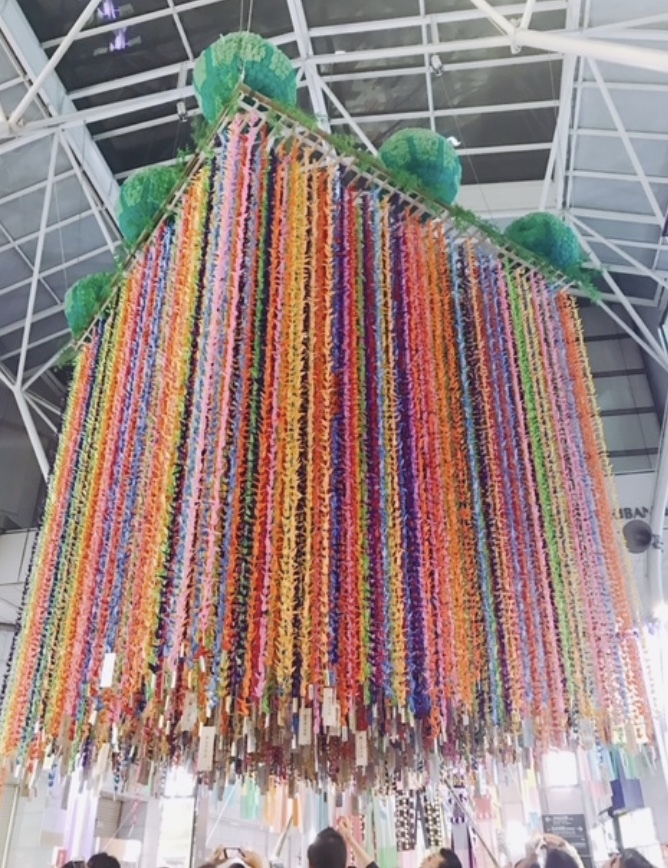
- Origami Tsuru (折り鶴) — Paper cranes, symbolizing longevity, good health, and family happiness. A thousand cranes is a particularly auspicious offering.
- Toami (投網) — A paper fishing net, representing prayers for a good harvest, abundant catch, and prosperity in business.
- Kinchaku (巾着) — A small paper drawstring purse, symbolizing savings, financial luck, and thrift.
- Kuzukago (屑籠) — A small paper waste basket, representing cleanliness, an honest heart, and the desire to use things without waste.
As you walk through the arcades, look for all seven on each major decoration — it’s like a slow, beautiful treasure hunt woven through five kilometers of color and light.
The Tanabata Eve Fireworks: Don’t You Dare Miss This
The official festival runs August 6–8, but the celebration truly begins the evening before, on August 5th, with the Tanabata Eve Fireworks display over the Hirose River.
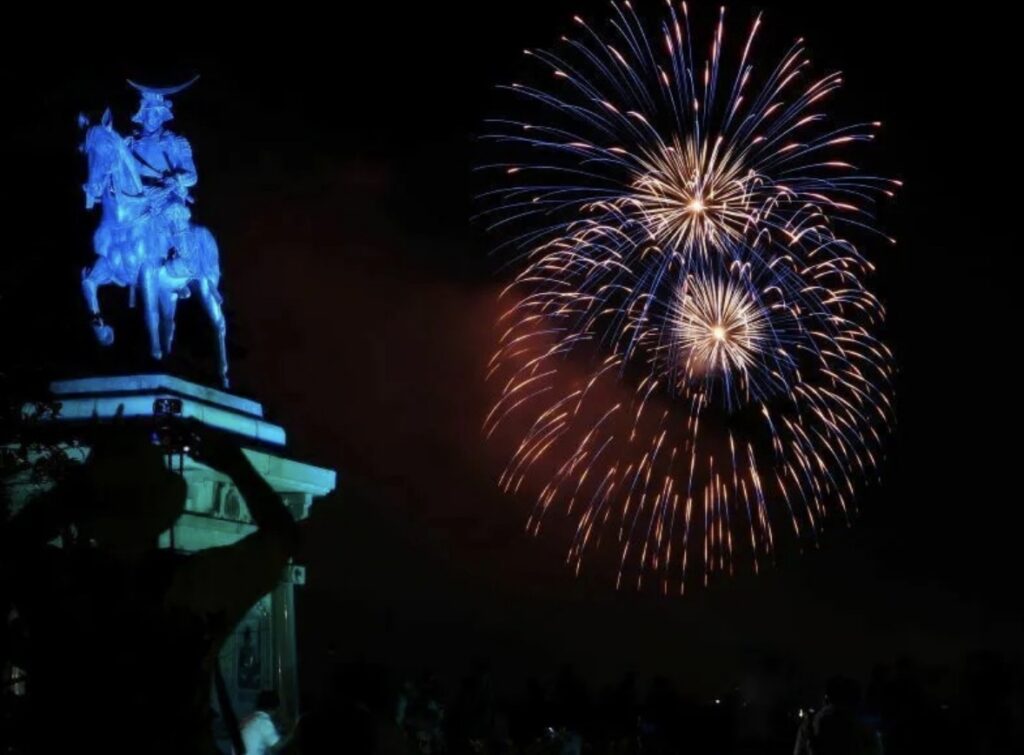
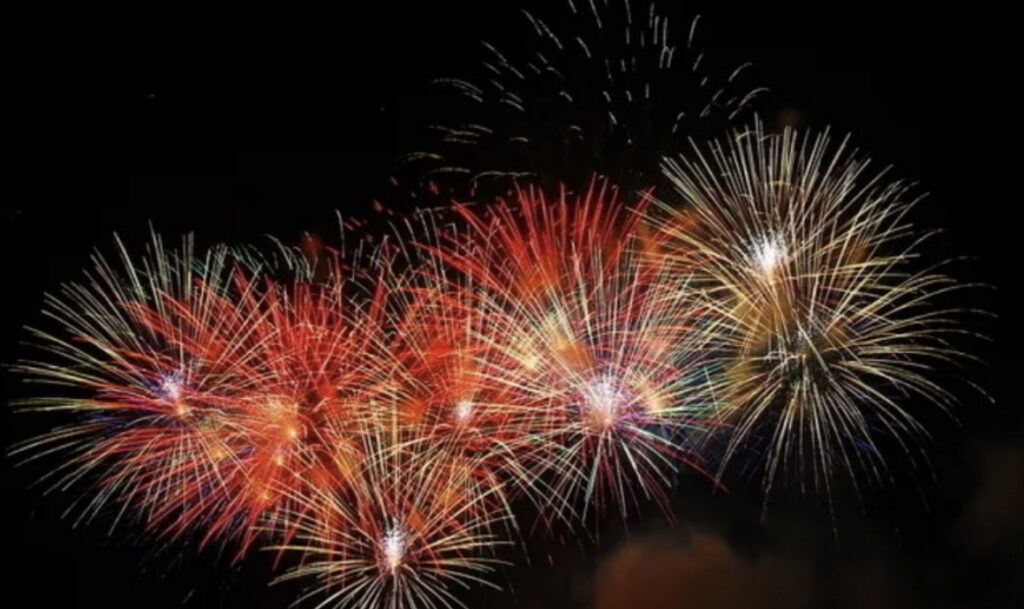
I am not exaggerating when I say this is one of the finest fireworks shows in all of Tohoku. Approximately 16,000 shells are launched over the river, painting the summer night sky in cascading bursts of gold and silver and violet. The riverbanks fill with yukata-clad locals and visitors, and the atmosphere is electric — romantic, festive, and deeply, unmistakably Japanese. Spread a blanket on the riverbank, buy some festival food from the stalls, and watch the stars compete with the fireworks for dominance of the sky. It is, honestly, one of the best evenings of my year, every single year.
Where to Go: The Best Spots in Sendai During Tanabata
Ichibancho Covered Arcade
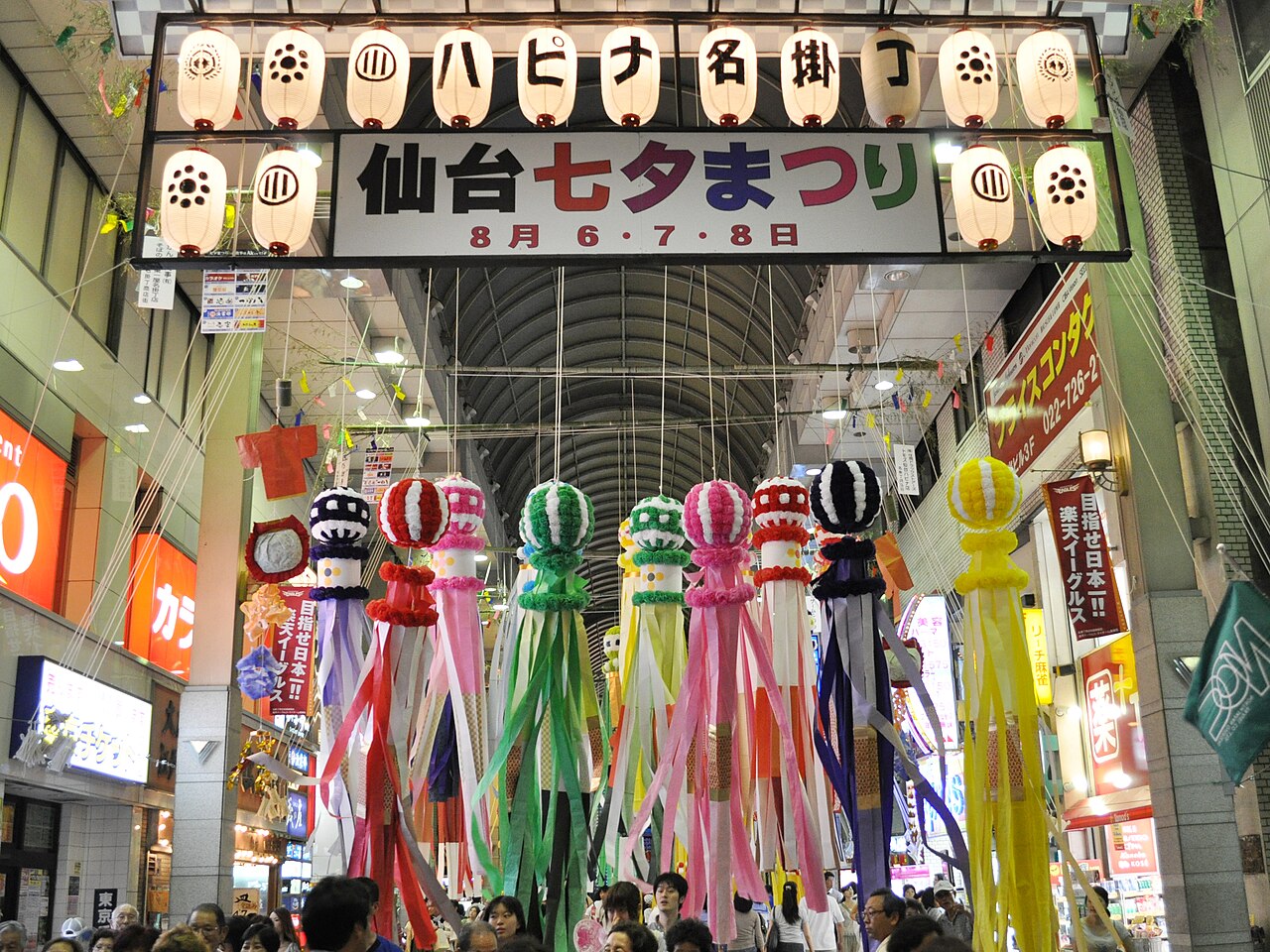
This is ground zero — the most dramatic concentration of decorations in the entire city. The covered arcade creates a tunnel effect that amplifies the visual impact of the hanging fukinagashi to almost surreal levels. Photograph looking straight down the arcade for the most iconic Sendai Tanabata shot.
Clis Road
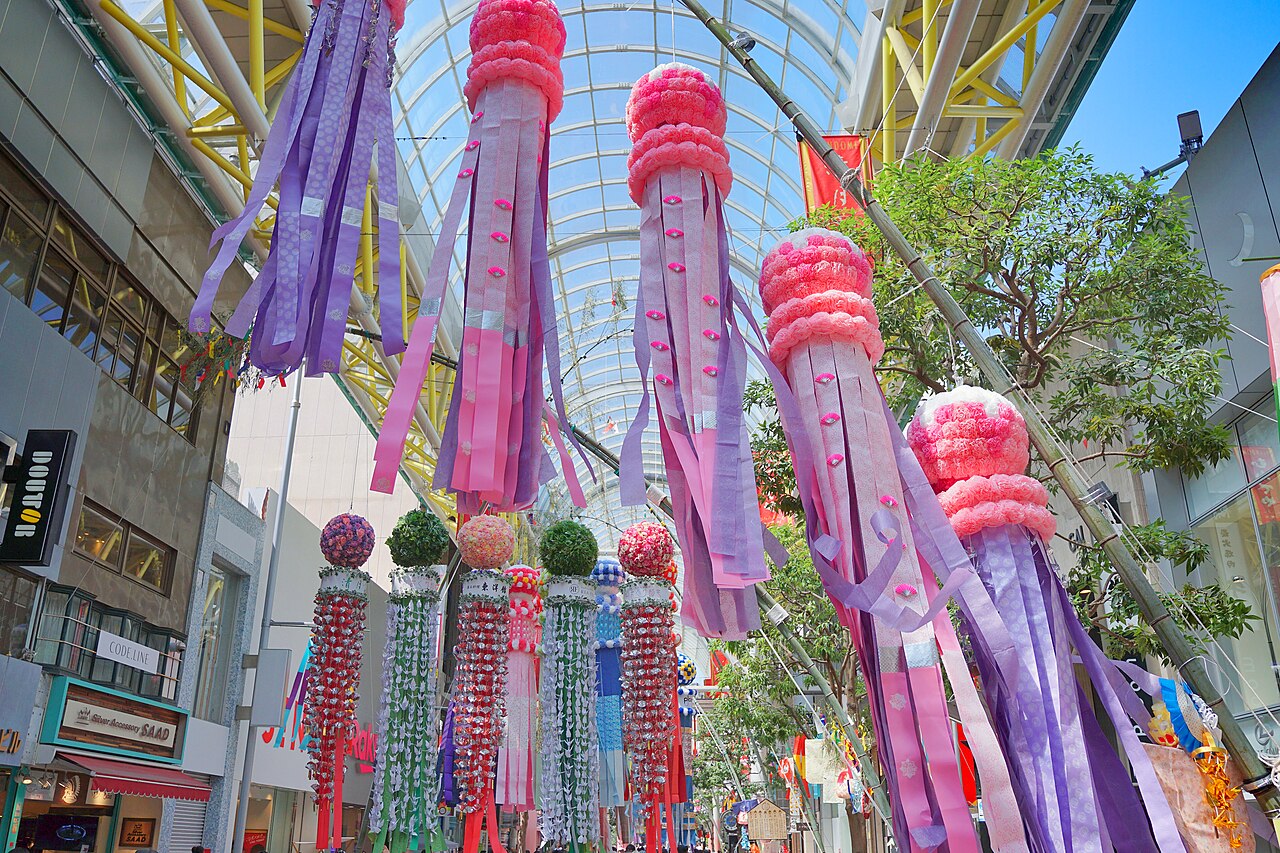
Running parallel to Ichibancho, Clis Road offers a slightly less crowded alternative with equally stunning decorations. Good for escaping the thickest crowds while still experiencing the full spectacle.
Jozenji Street
For an open-air Tanabata experience, Jozenji Street is beautiful — tree-lined and airy, with decorations that catch the natural summer light in a way the covered arcades don’t allow. This is also where you’ll find many of the food stalls, so plan to linger and eat.
Kotodai Park
A great place to take a breath, find a bench, and eat your yakitori in peace. More food vendors cluster here, and there’s often live performance and entertainment throughout the festival days.
Practical Guide: Everything You Need to Know Before You Go
Dates and Hours
The Sendai Tanabata Festival is held every year on August 6, 7, and 8 — one of the most punctual and reliable festival dates in Japan. The decorations are up 24 hours a day, which means you can experience the festival at any hour. The Tanabata Eve Fireworks are on the evening of August 5th.
Admission
Completely and gloriously free. Just show up and walk in. You do not need tickets for the main festival decorations.
Best Time to Visit
- August 6 morning — The decorations are at their absolute freshest and most pristine on opening day. Crowds are lighter in the early hours. This is my personal recommendation for the purest experience.
- Evening on any day — The atmospheric lighting transforms the decorations, and the city takes on a magical, lantern-lit quality. Crowds thin slightly after dinner.
- Avoid August 7 afternoon — This is peak crowd time. If August 7 is your only option, go early in the morning or after 7pm.
Getting to Sendai
Sendai is remarkably accessible. The Tohoku Shinkansen connects Tokyo Station directly to Sendai Station in just 1 hour 40 minutes. From Osaka or Kyoto, take the Shinkansen to Tokyo and transfer. From Sendai Station, the main festival arcades are a short walk or subway ride away. The city is compact and very easy to navigate on foot during the festival.
Accommodation: Book Early — Very Early
I cannot stress this enough. Hotels in Sendai during Tanabata fill up shockingly fast. Book your accommodation 3 to 6 months in advance, ideally closer to six. If you find yourself searching in July for August rooms, you will be looking at either very expensive options or staying in neighboring towns. Don’t let this be you.
Extend Your Trip: Combine Sendai Tanabata With These Nearby Wonders
Sendai’s location in Tohoku makes it a perfect base for exploring two of Japan’s most beautiful destinations, both within easy day-trip distance.
- Matsushima (松島) — Just 40 minutes from Sendai by train, Matsushima is one of Japan’s Three Views: a bay scattered with hundreds of pine-clad islands, best explored by boat. Serene, historic, and utterly stunning.
- Yamadera (山寺) — About 1 hour by train, this mountain temple complex climbs 1,000 stone steps through ancient cedar forest to a clifftop panorama that will rearrange something in your soul. Go on the morning of August 6 before the festival opens, or build it into a day-before arrival plan.
A Final Word From a Sendai Local
As someone who has lived in this city my whole life, let me tell you something honestly: the Sendai Tanabata Festival is the week I wait for all year. There’s a feeling that settles over the city during these three days — a kind of collective joy, a shared pride — that I’ve never experienced anywhere else. Strangers smile more easily. The streets smell of festival food and summer rain. And above it all, thousands of paper streamers carry thousands of silent wishes up toward a sky where, if you squint just right, you can almost imagine two stars drawing close to each other across an ancient river of light.
Come to Sendai in August. Let the city show you what a festival can truly be.
—
**EXCERPT:** Sendai Tanabata Festival Japan: your complete guide to Tohoku’s most spectacular summer celebration — dates, tips, the star legend, and local secrets from a Sendai local.
**TAGS:** Sendai Tanabata Festival, Tohoku festivals Japan, Japan summer festivals, Sendai travel guide, Tanabata Japan, Tohoku Three Great Festivals
Related Articles You Might Enjoy
- Sendai Jozenji Street Jazz Festival: Japan’s Greatest Free Outdoor Music Festival
- Miyagikyo Distillery: The Complete Guide to Nikka’s Whisky Sanctuary Near Sendai
- Zuihoden Mausoleum, Sendai: Complete Guide to the Ornate Resting Place of Japan’s Dragon-Eyed Lord
- Sendai Gyutan: The Complete Guide to Japan’s Most Iconic Beef Tongue Experience
- Akiu Onsen: Sendai’s Most Beloved Mountain Hot Spring Escape — Complete Guide




コメント