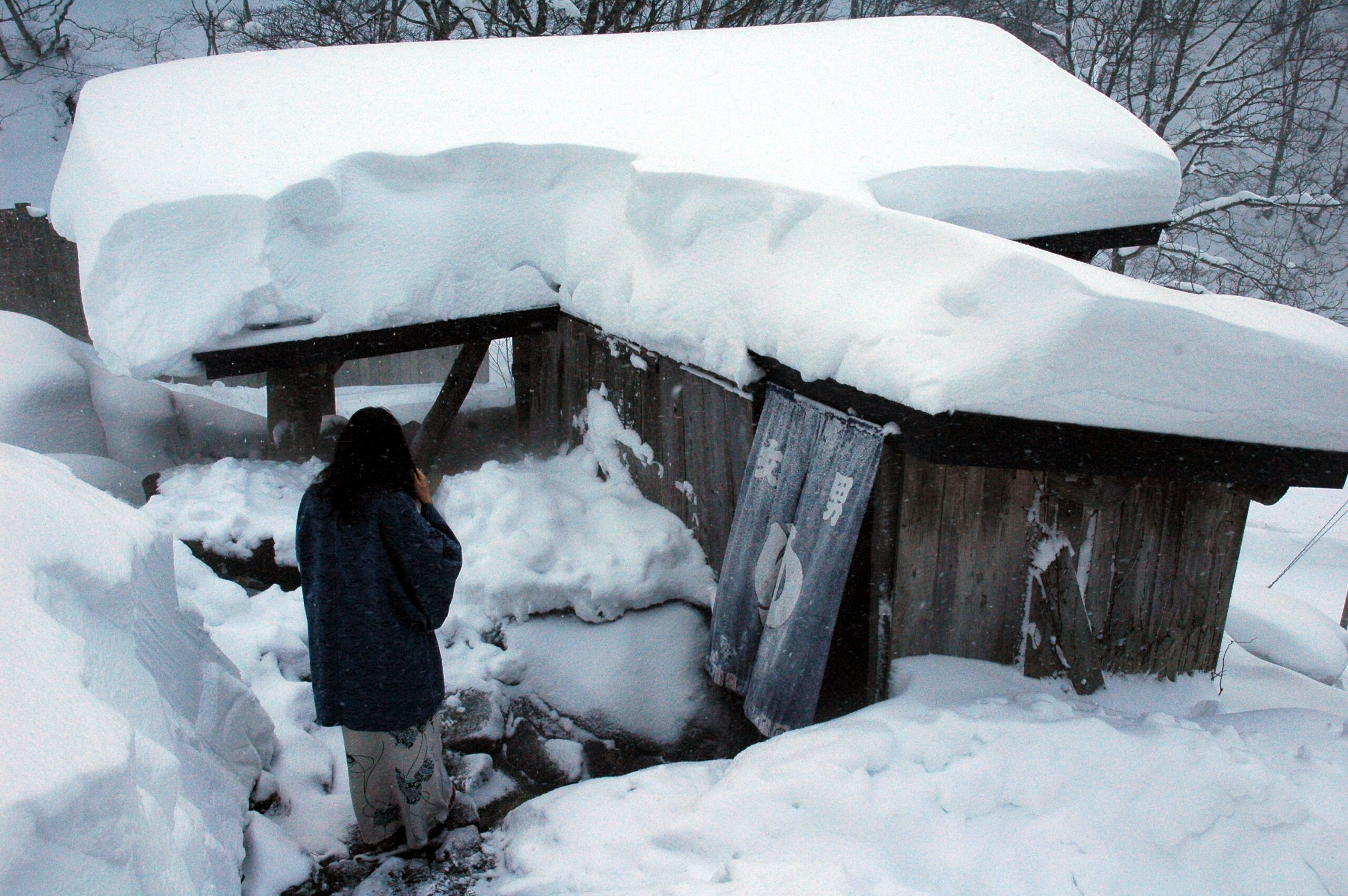
You’ve heard that Japan’s legendary onsen hot springs are among the greatest bathing experiences on earth — steaming mineral pools nestled in misty mountains, rustic wooden baths where snow falls silently on your shoulders, ancient thermal springs that have healed weary travelers for centuries. And they’re right. Tohoku’s onsen are extraordinary. But if you have tattoos, you may have heard that Japan’s hot springs are off-limits to you — and that’s where many travelers simply give up and miss one of the country’s most transcendent experiences. Don’t. This guide will show you exactly how to enjoy Tohoku’s magnificent onsen culture with your ink, and why the situation is much more navigable than you’ve been led to believe.
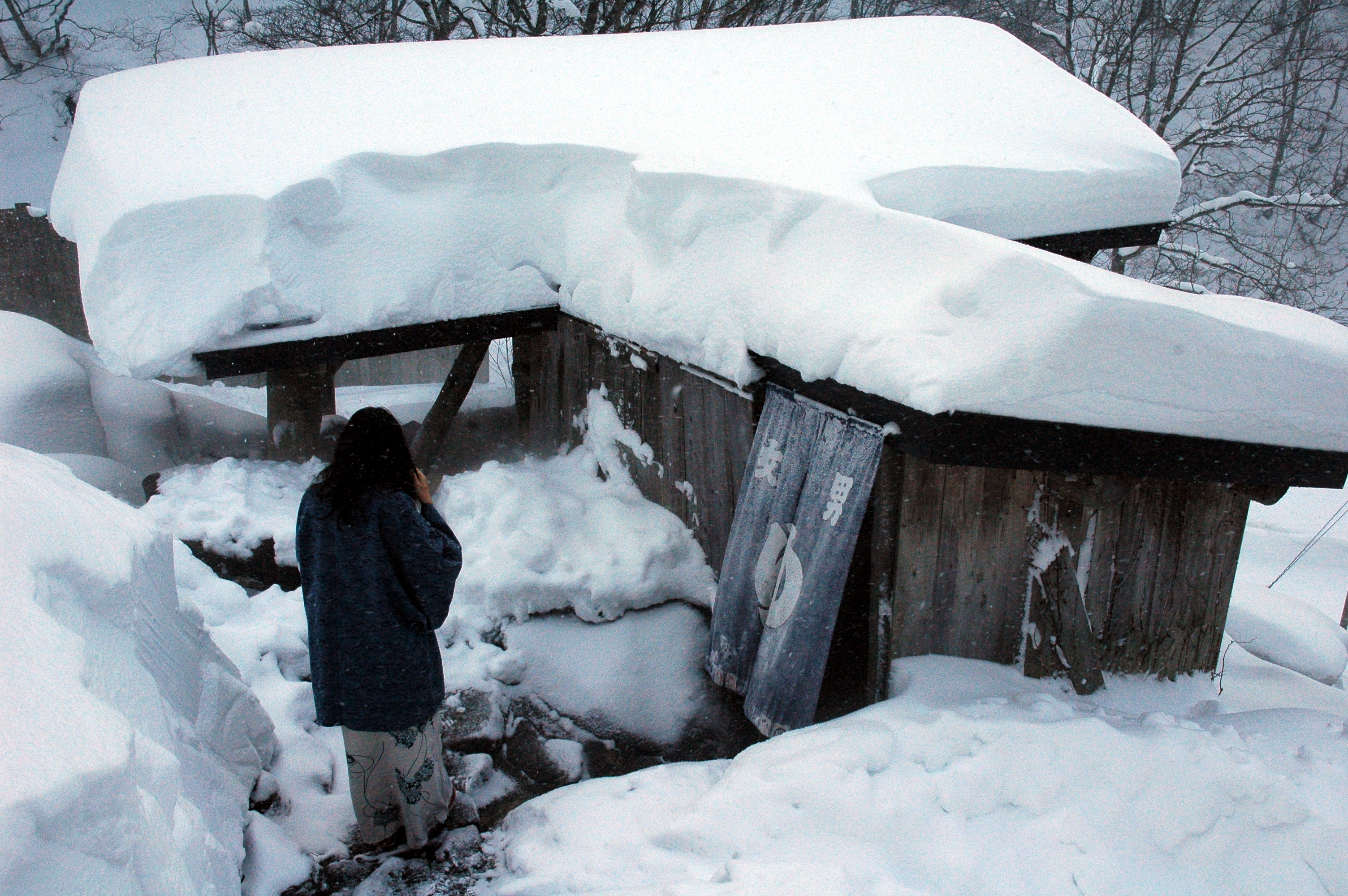
Why Are Tattoos Banned at Many Japanese Onsen?
To navigate Japan’s tattoo-onsen situation effectively, you need to understand why the ban exists — because the reason shapes everything about how the rules are applied (and how they’re changing).
The tattoo ban at Japanese public baths and onsen traces back to the late 19th and 20th centuries, when the Japanese government systematically criminalized traditional Irezumi tattooing (which was previously widespread among craftsmen, firemen, and merchants) as part of a modernization campaign to distance Japan from practices that Western nations associated with “barbarism.” Tattoos became associated with yakuza (organized crime) as the groups adopted the elaborate full-body tattooing that the mainstream population had abandoned.
By the postwar period, the yakuza-tattoo association was firmly established in public consciousness, and onsen banned tattoos as a way of excluding criminal gang members from family bathing facilities. The logic was straightforward: tattoos = yakuza = trouble. This worked reasonably well in an era when virtually no law-abiding Japanese person had a tattoo.
Fast forward to the 21st century, and the logic has completely broken down. Tattoos in Japan are now increasingly common among young people as a fashion and self-expression choice. More significantly, millions of international tourists — Americans, Australians, Europeans — carry tattoos that have absolutely nothing to do with Japanese organized crime. The Tourism Agency of Japan recognized this disconnect and in 2015 encouraged onsen facilities to reconsider blanket bans, recommending alternative policies like covering small tattoos, private bath options, or tattooed-friendly bathing times.
The result is a rapidly evolving landscape. Many traditional onsen still enforce bans — often because their clientele is older and conservative, and the management doesn’t want conflict. But a growing number of facilities, particularly those that cater to younger Japanese visitors and international tourists, now actively welcome tattooed guests or offer workable accommodations. Tohoku, with its strong traditional character but also its genuine warmth toward visitors, has facilities across this entire spectrum.
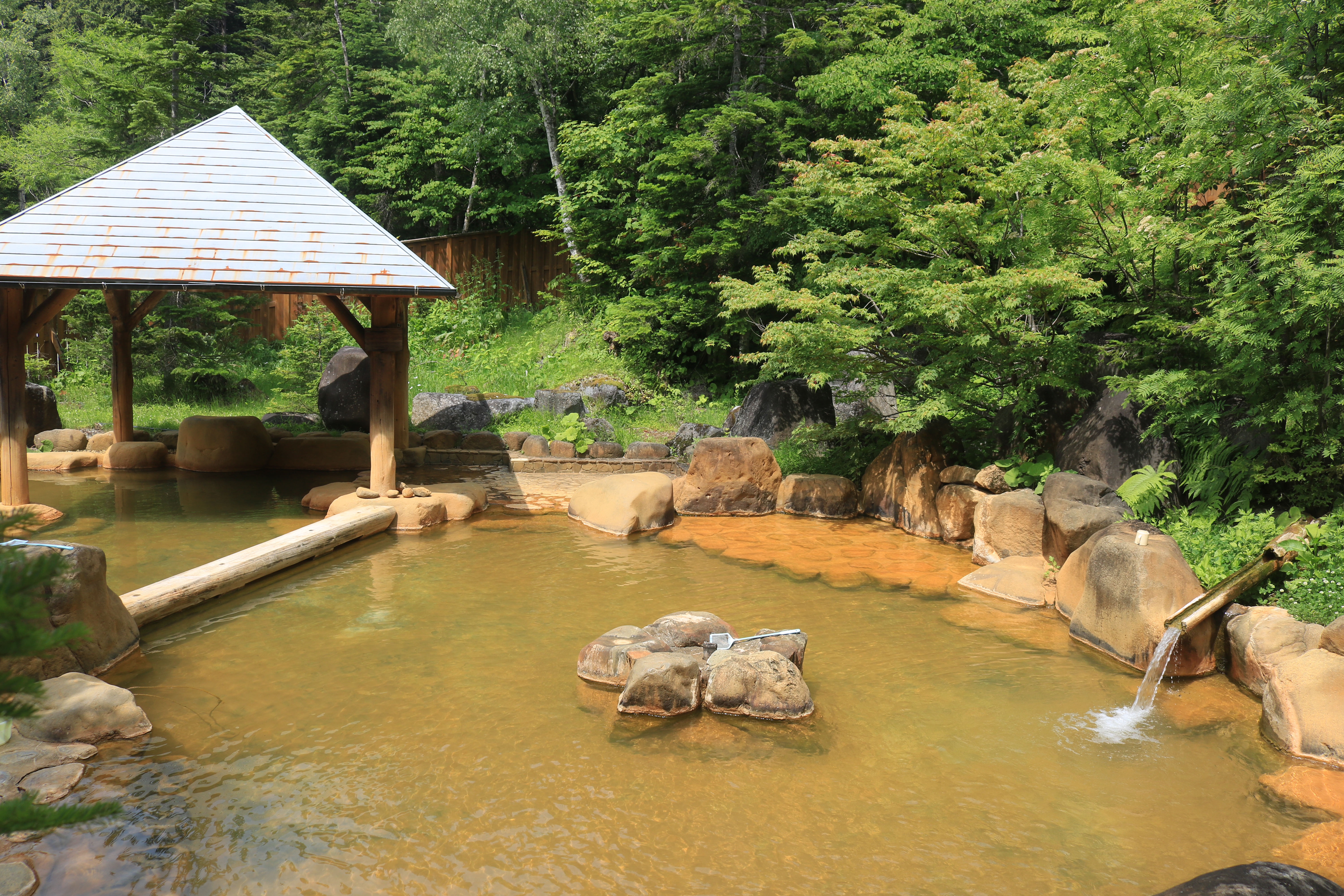
Your Options: How to Enjoy Onsen in Tohoku with Tattoos
Option 1: Kashikiri Buro (Private Reserved Baths)
This is the most universally available solution and in many ways the most luxurious. A kashikiri buro (literally “reserved bath”) is a small private bathing room that a family or group reserves for exclusive use, typically in 45-minute or 60-minute slots. You pay a fee — usually ¥500–¥2,000 ($3–$14 USD) per person in addition to the main entrance fee, or sometimes a flat room fee of ¥1,500–¥3,000 ($10–$20 USD) for the slot — and you have a complete onsen experience with no one else in the room.
Private baths exist throughout Tohoku’s ryokan and onsen facilities, including at places that otherwise prohibit tattoos in their communal baths. This is the single most reliable way to enjoy onsen with ink. When booking accommodation at a ryokan, ask specifically: “kashikiri buro wa arimasu ka?” (Do you have private/reserved baths?). Many high-end ryokan include private outdoor baths attached to individual rooms — the pinnacle of onsen luxury and completely private by definition.
The experience in a kashikiri buro is genuinely wonderful, not a consolation prize. You get all the minerals, the heat, the steam, and the deep Japanese bathing ritual — just without strangers. For travelers who are private by nature, it’s actually preferable.
Option 2: Tattoo-Friendly Facilities
A growing number of Tohoku onsen facilities explicitly welcome tattooed guests in their communal baths. These tend to be facilities that have made a deliberate business decision to serve the international tourism market, younger Japanese clientele, or both. Their policies often include:
- Full access regardless of tattoos
- Access if tattoos are covered with waterproof bandages or covers (provided by the facility)
- Designated “tattooed-welcome” bathing hours at communal baths
Option 3: Covering Small Tattoos
For smaller tattoos — anything that can be covered with waterproof bandage tape — some facilities allow tattooed guests to enter if tattoos are fully covered. Waterproof tattoo cover tape is widely available at Japanese pharmacies (drugstores) and online. Brands like Tegaderm or Japanese alternatives work well in water. This isn’t the most elegant solution, and doesn’t work for large or multiple tattoos, but it’s a practical option worth knowing about.
Option 4: Foot Baths (Ashiyu)
Tohoku’s onsen towns are full of free public foot baths — shallow tubs of hot mineral water where you soak your feet while sitting on a bench, fully clothed. These are universally accessible, tattoo-friendly (since you’re clothed), free, and a genuinely enjoyable taste of onsen culture. The experience isn’t the same as full immersion, but sitting with your feet in steaming mineral water on a cold Tohoku evening, watching snow fall or mountain mist drift by, is its own kind of lovely.
Best Tattoo-Friendly and Tattoo-Accessible Onsen in Tohoku
Nyuto Onsen Village, Akita — Japan’s Most Magical Hot Spring Hamlet
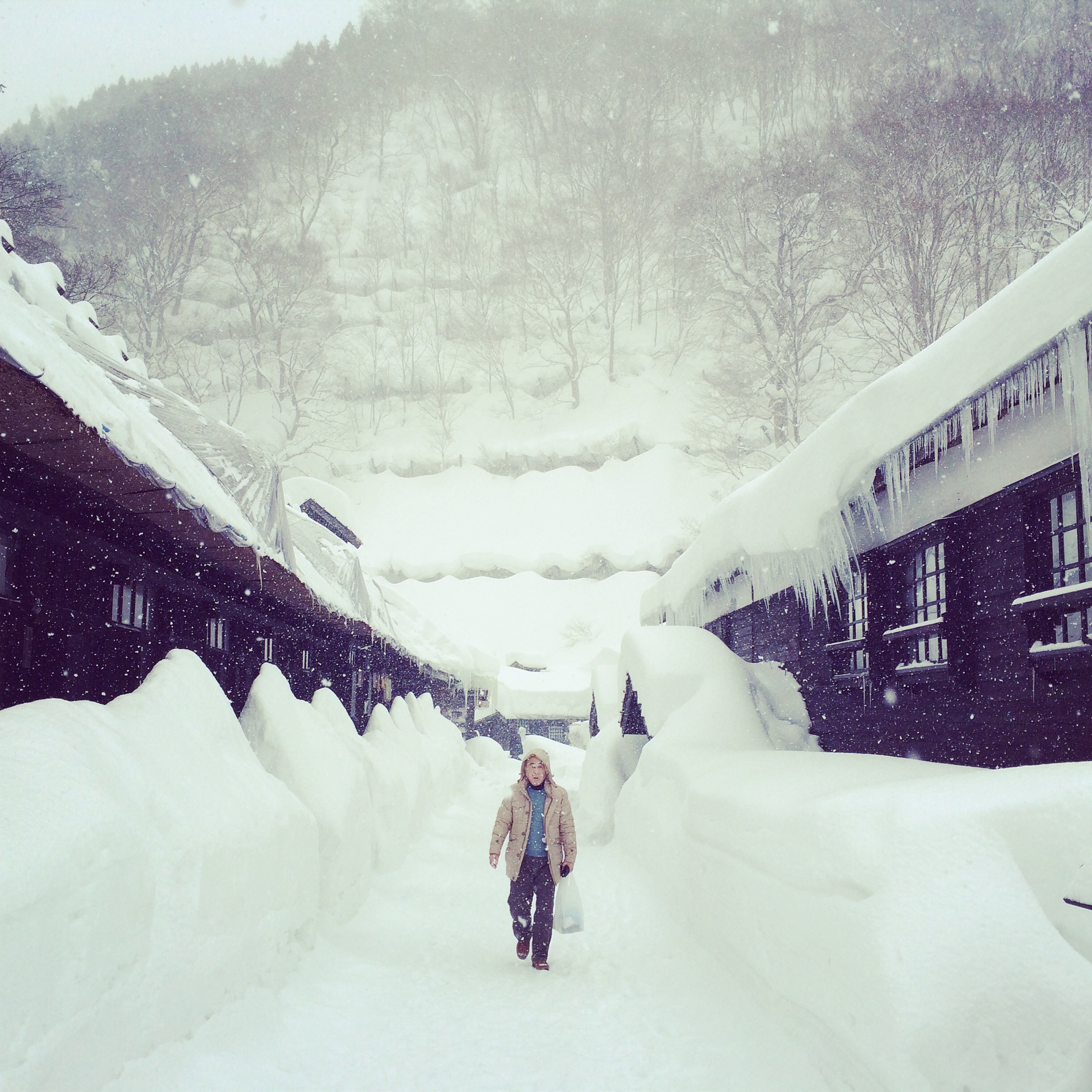
Deep in the beech forests of Akita Prefecture, Nyuto Onsen is a cluster of seven historic ryokan that feel like they haven’t changed since the Edo period. Misty paths connect thatched-roof buildings, outdoor pools of milk-white or rust-red mineral water steam in mountain air, and the atmosphere is one of profound escape from the modern world. This is the Japan that dreams are made of.
For tattooed travelers, Nyuto Onsen is actually one of the more navigable destinations in Tohoku. Several of the seven properties — notably Tsuru-no-yu and Ganiba Onsen — have private bath options available for reservation. Tsuru-no-yu, the most famous and photographed, does enforce tattoo restrictions in its large communal outdoor bath (which is the iconic one you’ve seen in photos), but offers smaller indoor baths and can sometimes accommodate private arrangements.
The most practical approach: book accommodation at a Nyuto Onsen ryokan (virtually all of them include private baths for in-house guests), where your room may have direct private bath access, or where private bath reservation as a guest is much easier to arrange than as a day visitor. Staying overnight makes the tattoo issue almost moot — you can bathe in privacy at will.
Getting there: From Akita Station, take the Tazawako line to Tazawako Station (about 50 minutes, ¥840 / $6 USD), then a bus to Nyuto Onsen (about 50 minutes, ¥750 / $5 USD). Total about 1.5 hours from Akita. From Morioka, similar time via a different route. The JR Pass covers the Tazawako line portion.
Zao Onsen, Yamagata — The Highly Accessible Mountain Resort
Zao Onsen is Tohoku’s most internationally known onsen resort, famous both for its acidic sulfuric water (one of Japan’s most intensely mineral-rich springs) and for the spectacular “snow monsters” (juhyo) ice sculptures that form on trees during winter. Located at 900 meters (2,950 feet) elevation in the Yamagata mountains, Zao Onsen village is lively, accessible, and has a tourist-oriented attitude that makes it one of the more tattoo-accommodating destinations in the region.
The sulfuric water at Zao is legendary — it’s intensely acidic (pH around 1.4 at some springs, similar to vinegar) and famous for its skin-clarifying properties. The water looks emerald green in the baths. This is not gentle mineral water — it’s genuinely powerful stuff, and even small soaks leave skin noticeably smooth.
Several facilities at Zao Onsen explicitly welcome tattooed guests or offer private bath options. The Zao Onsen Dai-Rotenburo (large outdoor public bath) is generally accessible to tattooed visitors, making it one of the more remarkable outdoor communal experiences available. Individual ryokan in the village vary — always check before booking. The village’s tourism office is helpful in directing tattooed visitors to appropriate facilities.
Getting there: From Yamagata Station, buses run directly to Zao Onsen village (about 40 minutes, ¥960 / $6.50 USD). From Tokyo, take the Yamagata Shinkansen to Yamagata Station (2 hours 20 minutes, approximately ¥11,000 / $75 USD). The Zao ropeway up to the snow monster viewing area operates seasonally.

Naruko Onsen, Miyagi — The Relaxed Kokeshi Doll Town
Naruko is famous for two things: spectacular autumn foliage in the nearby Naruko Gorge, and being the birthplace of Tohoku’s iconic kokeshi wooden dolls. As an onsen town, it has a pleasantly unpretentious character — less glamorous than Nyuto, less busy than Zao, but genuinely charming and notably relaxed in its attitude toward visitors.
Several Naruko ryokan and public bath facilities have adopted tattoo-friendly or “please cover” policies. The communal public bath (kodo-yu) in town is a classic old-style sento that has a variable policy — worth checking on arrival. Individual ryokan in the area are generally more accommodating than larger resort facilities, and private bath reservations are widely available.
Naruko’s autumn season (October–early November) is spectacular — the gorge turns brilliant red, orange, and gold, and the combination of fall foliage plus steaming onsen in crisp mountain air is one of Tohoku’s finest experiences. Getting there: From Sendai, local trains run to Naruko Onsen Station via Kogota (about 1.5 hours, ¥1,140 / $8 USD).
Sukawa Onsen, Iwate — Deep Mountain Solitude
In the mountains behind Appi Kogen ski resort in Iwate Prefecture, Sukawa Onsen offers a genuinely remote and wild hot spring experience. This is not a polished resort town — it’s a handful of ryokan and outdoor baths in an alpine setting that receives relatively few international visitors. The relative remoteness means a more casual, flexible attitude — including toward tattooed guests.
The outdoor mixed-gender baths (konyoku) at some Iwate mountain onsen are another naturally tattoo-accessible option. Traditional mixed-gender bathing is a dying practice in Japan but still exists at some rural mountain locations, often with a more casual, less regulated approach to who can use the facilities.
Hanamaki Onsen, Iwate — Gateway Options Near Morioka
Hanamaki city in Iwate Prefecture is home to a cluster of hot spring hotels and ryokan that collectively form one of Tohoku’s most accessible onsen areas. Its proximity to Morioka (30 minutes by local train) makes it an easy day trip or overnight from Iwate’s prefectural capital.
Hanamaki’s international tourism profile has grown, and several facilities have adopted English-language communications and more inclusive bathing policies. Large hotel-style onsen in the Hanamaki area are often more flexible on tattoo policies than small traditional ryokan (which may have longer-standing local clientele to consider). A few facilities offer designated tattoo-friendly time slots at their large outdoor baths. Getting there: From Morioka, Hanamaki Onsen buses run regularly (about 1 hour, ¥880 / $6 USD).
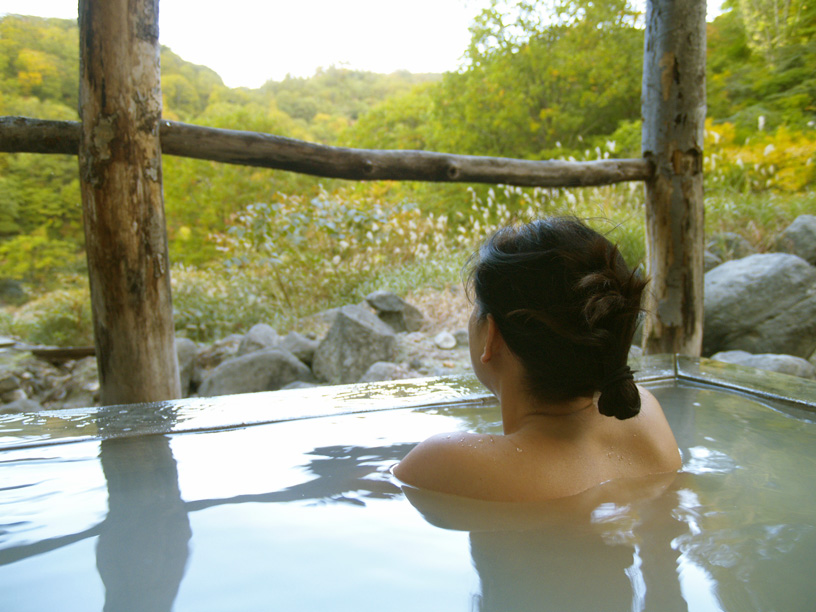
How to Research and Book Tattoo-Friendly Onsen
The tattoo-onsen landscape changes constantly as more facilities update their policies. Here’s how to research effectively:
- Contact facilities directly before booking — email or phone (many now have English-language contact options or respond to email in English). Ask specifically: “Do you permit guests with tattoos?” or “Do you have private baths available for tattooed guests?”
- Use Tattoo Friendly Japan website — a dedicated English-language resource that maps and lists tattoo-friendly onsen across Japan, with user reviews and current policy information.
- Check TripAdvisor and Google reviews — search for “[facility name] tattoo” to find recent visitor reports about whether tattooed guests were admitted. Recent reviews (within 1–2 years) are most reliable as policies change.
- Ask your accommodation — if you’re staying at a hotel or guesthouse, ask the staff for their personal recommendations. Local insiders know which nearby facilities are most welcoming.
- Look for facilities advertising international tourism — any facility that prominently advertises multilingual service and welcomes foreign visitors is statistically more likely to be tattoo-friendly or have good accommodation options.
What to Do If You’re Turned Away
It happens. Even at facilities that seemed tattoo-friendly based on research, you may encounter a staff member enforcing a stricter interpretation of policy, or the policy may have changed. Here’s how to handle it gracefully:
- Don’t argue or make a scene — this will not change the outcome and creates an unpleasant experience for everyone. Japanese customer service culture means staff have limited authority to override stated policies on the spot.
- Ask about private bath options — even if the communal bath is refused, kashikiri (private reserved) baths are often available. The staff who turned you away at the front desk can often point you to this alternative.
- Ask about covering options — “Tattoo wo kakushitara, nyuuyoku dekimasuka?” (If I cover my tattoo, can I enter?) Sometimes this opens an alternative.
- Move on and find an alternative — there are enough tattoo-accessible options in Tohoku that being turned away at one place shouldn’t derail your bathing plans. Use it as an opportunity to discover a different facility you might not have found otherwise.
Onsen Etiquette: Getting the Basics Right
Whether you’re bathing in a private kashikiri buro or a tattoo-friendly communal facility, onsen etiquette is the same — and following it carefully is both respectful to other bathers and practically important for your experience:
- Rinse thoroughly before entering any bath — sit at one of the shower stations provided, rinse your entire body completely, and then enter the bath. This isn’t optional; it’s foundational to onsen culture.
- No swimwear in traditional onsen — traditional Japanese baths are nude. Swimwear is sometimes permitted in outdoor mixed-gender baths or at resort facilities, but it’s not the norm and should never be assumed.
- No towels in the water — your small towel (modesty towel) goes on your head or is placed outside the bath. Putting it in the water is considered highly inconsiderate.
- No soaps, shampoos, or bath products in the tub — the mineral water is carefully maintained; adding products ruins it. Wash and rinse at the shower station before entering.
- No photos — in any communal bathing area, photography is strictly prohibited. Don’t even take your phone in the bathing area.
- Enter quietly and be calm — onsen is a place of relaxation and peaceful contemplation, not loud socializing. Speak quietly and move gently.
- Hydrate before and after — hot springs are dehydrating. Drink water before entering, keep your soak to 15–20 minutes maximum (especially in high-temperature baths), and drink water again after.
- Don’t rush — the Japanese art of bathing is not efficient. Enter, soak, sit on the edge to cool, re-enter. Repeat. The point is unhurried, meditative immersion — not a quick wash.
Best Time to Visit Tohoku Onsen
- Winter (December–February): The classic onsen season. Snow-dusted outdoor baths with steam rising against white mountains is the iconic Tohoku experience. Nyuto Onsen and Zao Onsen are at their most magical. Temperatures can be extreme (-10°C / 14°F or colder at elevation), which makes the hot water feel even more miraculous.
- Autumn (September–November): Fall foliage combined with hot springs is spectacular. The mountains around Naruko Gorge and Nyuto Onsen turn brilliant red and gold, and the cool air makes outdoor bathing extremely pleasant.
- Spring (April–May): Cherry blossoms combined with onsen is another classic combination. Late snow can still appear at elevation in April, making for magical mixed-season scenery.
- Summer (July–August): The least popular onsen season in Japan — the heat makes hot spring soaking less appealing. However, summer mornings and evenings are pleasant, and mountain onsen stay cool enough to be enjoyable even in peak summer.
Where to Stay: Recommended Accommodation for Tattooed Visitors
Budget (Under ¥8,000 / $55 per night)
Budget travelers can often find small guesthouses (minshuku) near onsen towns that have private family baths included or available for reservation. Day-use facilities (higaeri onsen) at tattoo-friendly locations offer the onsen experience without needing to book accommodation — many charge ¥500–¥1,000 ($3–$7 USD) for 1–2 hours in a private bath. Hostels in Sendai, Morioka, and Aomori are excellent bases for day trips to onsen facilities.
Mid-Range (¥8,000–¥20,000 / $55–$135 per night)
Mid-range ryokan throughout Tohoku increasingly have private bath options as standard. Properties in Naruko Onsen and Hanamaki Onsen in this price range offer excellent value: comfortable Japanese rooms with access to both communal and private baths, two meals (dinner and breakfast) included, and the full ryokan experience. Look for properties that advertise “kazoku buro” (family bath) or “kashikiri buro” (private reserved bath) in their listings.
Luxury (¥20,000+ / $135+ per night)
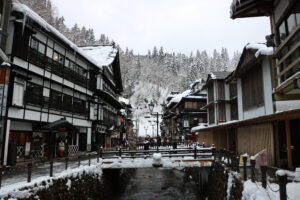
At the luxury end, several extraordinary ryokan in Tohoku include en-suite private outdoor baths (roten-buro) as standard features of individual rooms. These include properties at Nyuto Onsen village and Ginzan Onsen in Yamagata (famous for its Taisho-era streetscapes). At this level, the tattoo issue essentially disappears — you have your own outdoor bath, and access to the inn’s communal facilities is entirely at your discretion. These experiences are expensive but genuinely unforgettable.
Practical Tips for Tattooed Visitors to Tohoku Onsen
- Research and book before you travel — don’t arrive at an onsen town hoping to figure it out on the spot. Know your options in advance.
- Always book private baths when unsure — kashikiri buro is your reliable fallback. It’s often actually a better experience than communal bathing anyway.
- Buy waterproof tattoo cover tape at a Japanese pharmacy — even if you don’t plan to use it, having it gives you more options on the road.
- Consider staying at onsen ryokan rather than day visits — as an overnight guest, private bath access is dramatically easier to arrange than as a day tripper.
- Be honest about your tattoos when booking — mention them at reservation. “I have tattoos — do you have private bath options or are tattooed guests welcome?” This prevents awkward situations on arrival and helps facilities that genuinely want to accommodate you do so effectively.
- Small tattoos on covered body parts — tattoos on your back, torso, or upper arms that are covered by your towel or clothing while moving between bath areas are far less likely to cause issues than visible hand, neck, or face tattoos.
- Take advantage of foot baths and hand baths — free public footbaths (ashiyu) in every onsen town are genuinely enjoyable and universally accessible. Don’t skip them just because they’re not full immersion.
- The early morning bath (asa-buro) — early morning bathing at communal facilities is a Japanese tradition, and the baths are often nearly empty at 6–7am. If you have permission to use communal facilities, early morning is the most peaceful time to do so.
- Learn a few onsen phrases — “Kashikiri buro wa arimasu ka?” (Do you have private reserved baths?) and “Tattoo ga aru no desu ga, nyuuyoku dekimasuka?” (I have tattoos — is bathing permitted?) will serve you well.
- Respect the decisions of facilities that say no — policies exist for complex cultural reasons. Expressing frustration or trying to pressure staff never helps and creates problems for tattooed visitors who come after you.
The Future of Tattoos and Onsen in Japan
The tattoo-onsen situation in Japan is genuinely improving, and Tohoku is part of that story. Japan’s tourism authorities have been actively encouraging onsen facilities to develop more inclusive policies, recognizing that millions of international visitors with tattoos represent significant tourism revenue being left on the table.
The 2020 Tokyo Olympics and its subsequent postponement actually accelerated this conversation, as facilities prepared to welcome international athletes (many of whom have tattoos) and discovered that blanket bans were commercially unsustainable. COVID-19 interrupted this progress, but the trend resumed post-pandemic.
Younger Japanese operators and newer facilities are particularly progressive. The growing “tattoo-friendly” certification or self-identification system is spreading through Japanese tourism infrastructure. By the time you read this guide, there may be more options available than when it was written — always check current policies directly with facilities.
Sample 2-Day Onsen Itinerary for Tattooed Travelers
Day 1 — Nyuto Onsen Village, Akita
Morning: Depart from Akita Station or Morioka Station (about 1.5 hours either way). Arrive at your pre-booked ryokan at Nyuto Onsen. Request your private bath time slot immediately upon arrival.
Afternoon: First private bath soak in the late afternoon. Rest, explore the atmospheric forest paths between the ryokan, and enjoy the extraordinary environment — century-old wooden buildings, beech forest, mineral water steam.
Evening: Multi-course kaiseki dinner at your ryokan (usually included in the room rate). Second private bath session after dinner, under dark skies with the sound of the forest.
Night: The traditional Japanese futon experience: sleeping on your own level, crisp mountain air, profound silence.
Day 2 — Zao Onsen, Yamagata
Morning: Final dawn bath at Nyuto Onsen before breakfast. Depart and travel toward Yamagata Prefecture (allow 3+ hours via Akita and Shinkansen, or rent a car for flexibility).
Afternoon: Arrive at Zao Onsen village. Visit the Dai-Rotenburo (large outdoor public bath) if open to tattooed visitors, or arrange private bath access at a local ryokan. The emerald-green sulfuric water is extraordinary — unlike any other onsen experience.
Late afternoon: Explore the onsen town, visit shops, and taste local Yamagata specialties. Zao’s apple juice and cherry products are exceptional.
Evening: Return to Yamagata City (40 minutes by bus) and Shinkansen back to Tokyo or forward to your next destination.
Related Articles You Might Enjoy
- Nishimonai Bon Odori, Akita: Japan’s Most Mysterious Summer Festival — Complete Guide
- Nishimonai Bon Odori, Akita: Japan’s Most Mysterious Summer Festival — Complete Guide
- Akita Nairiku Jukan Railway: Japan’s Most Beautiful Secret Train Journey Through the Mountains
- Akita Dog & Odate: Meeting Japan’s Most Loyal Breed in Its Birthplace
- Hachimantai Plateau: Complete Guide to the Volcanic Highland Paradise on the Akita-Iwate Border
Final Thoughts
Don’t let the fear of tattoo restrictions stop you from experiencing Tohoku’s onsen — that would be one of travel’s great missed opportunities. The hot springs of this region are extraordinary: the milky-white waters of Nyuto, the acidic emerald pools of Zao, the fog-shrouded mountain baths of Naruko, the deep-forest thermal pools of Iwate. These are places where the boundary between the natural world and human comfort completely dissolves, where a long day of mountain hiking or sightseeing transforms into something close to bliss.
With preparation, honesty about your situation, and the practical strategies in this guide, you can access these experiences. Japan’s tattoo-onsen situation is not a closed door — it’s a door that, with the right approach, opens perfectly well. Book your kashikiri buro, find your tattoo-friendly facility, show up ready to immerse yourself (literally), and you’ll discover why the Japanese have centered their cultural identity around the therapeutic ritual of bathing in the earth’s own heat. It’s worth every bit of planning to get there.


コメント