Picture this: it’s before dawn, the temperature is well below freezing, and a bonfire crackles in a snow-covered pine grove. Suddenly, a line of dancers wearing towering, horse-shaped headdresses begins to sway and stomp in perfect unison, their movements meant to summon the spirits of the earth awake for spring. This isn’t a scene from a fantasy film — it’s the Hachinohe Enburi Festival, an 800-year-old ritual dance that most visitors to Japan have never even heard of, let alone witnessed. If you’re looking for a genuinely rare, deeply moving cultural experience in Tohoku that almost no other foreign traveler will have on their itinerary, this is it.
Why the Enburi Festival Should Be on Every Japan Itinerary
Most travelers who make it to Tohoku in winter head straight for Zao’s snow monsters or Aomori’s ski slopes — and rightly so, they’re spectacular. But if you happen to be in Japan in mid-February, the Enburi Festival in Hachinohe offers something those places can’t: a living, unbroken folk tradition that has been performed by local farming families since the Kamakura period (roughly the 1200s). This is not a tourist reenactment. It’s a genuine prayer for a good harvest, performed by the descendants of the same families who have danced it for generations, in the freezing city where it began.
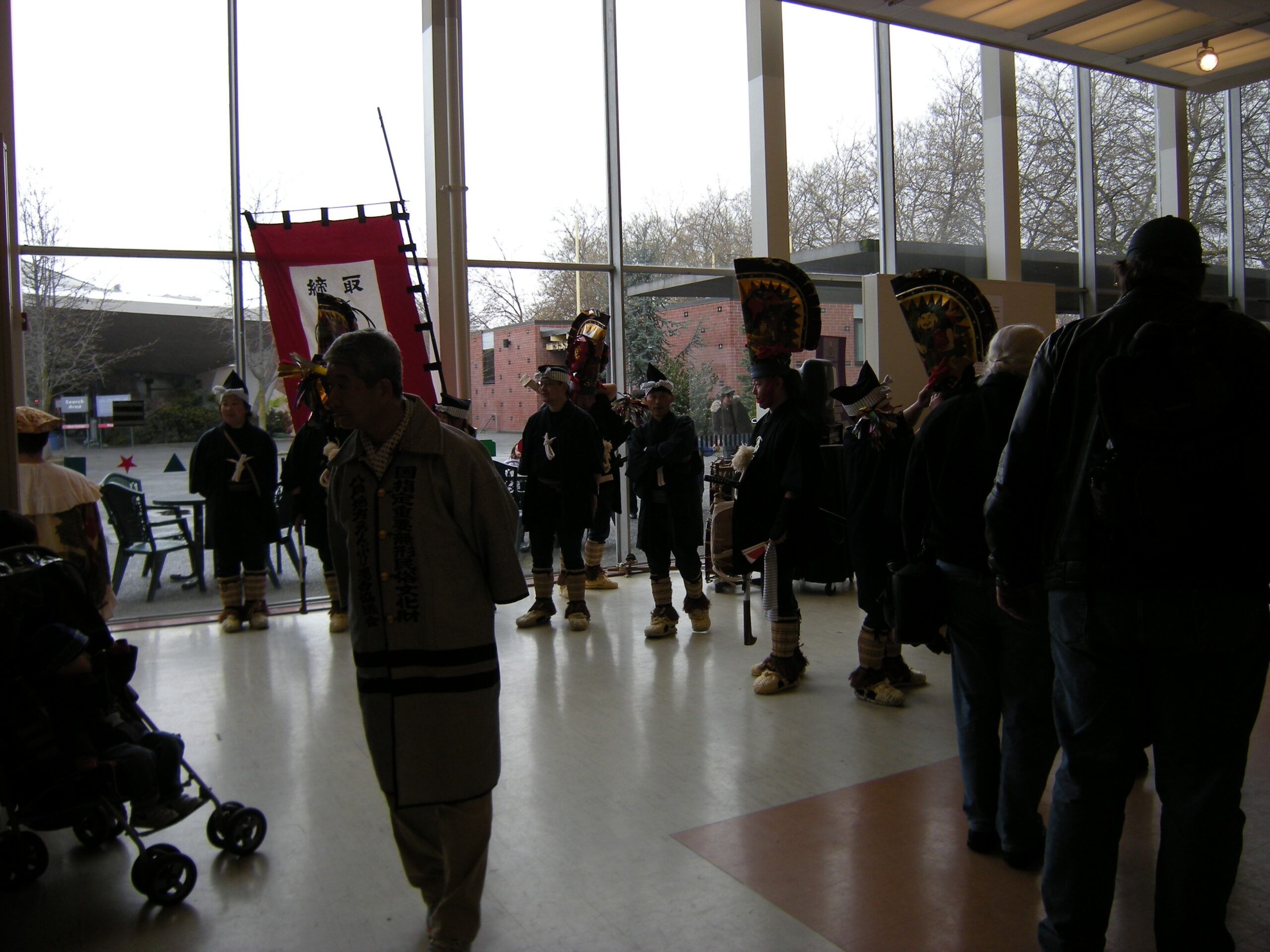
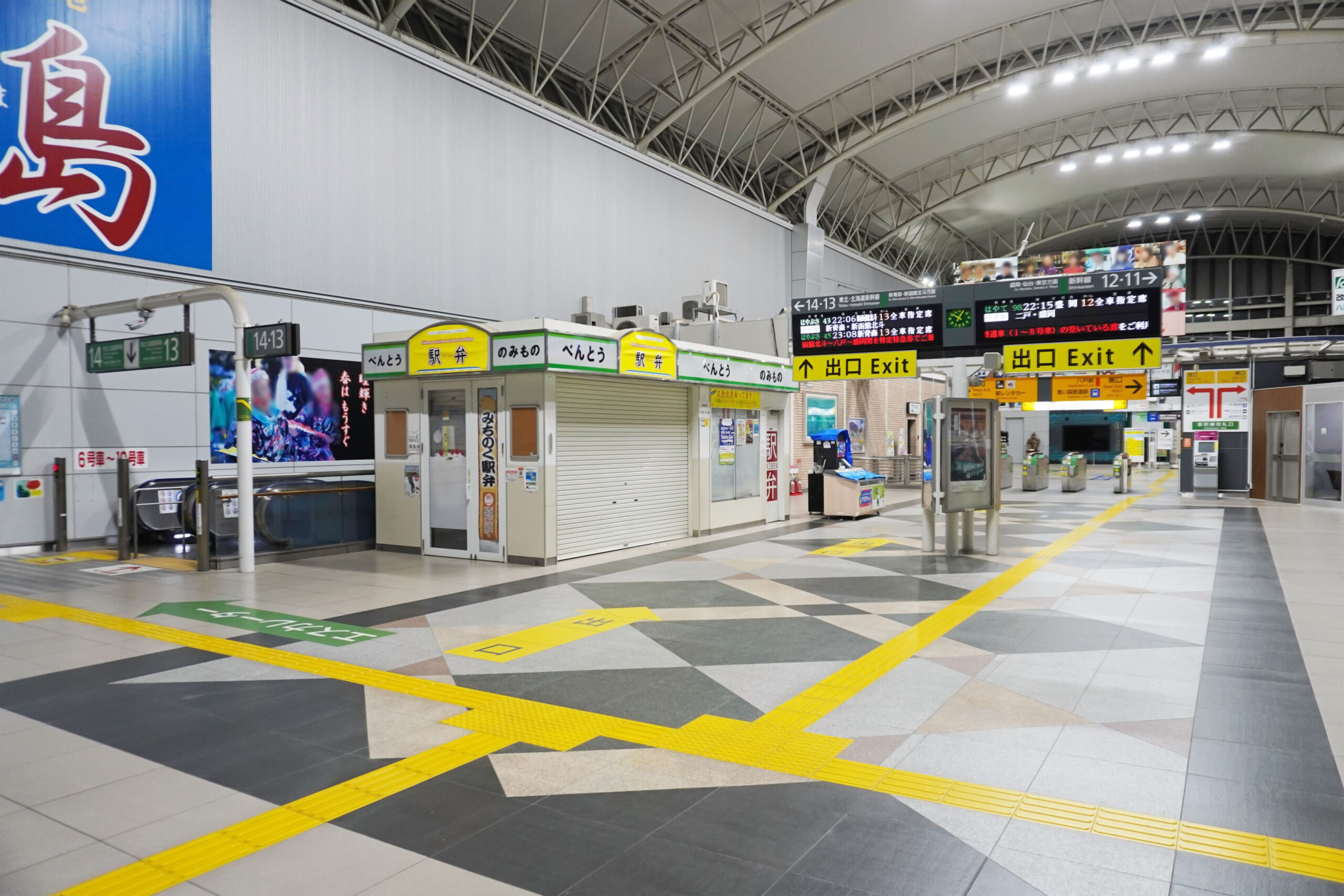
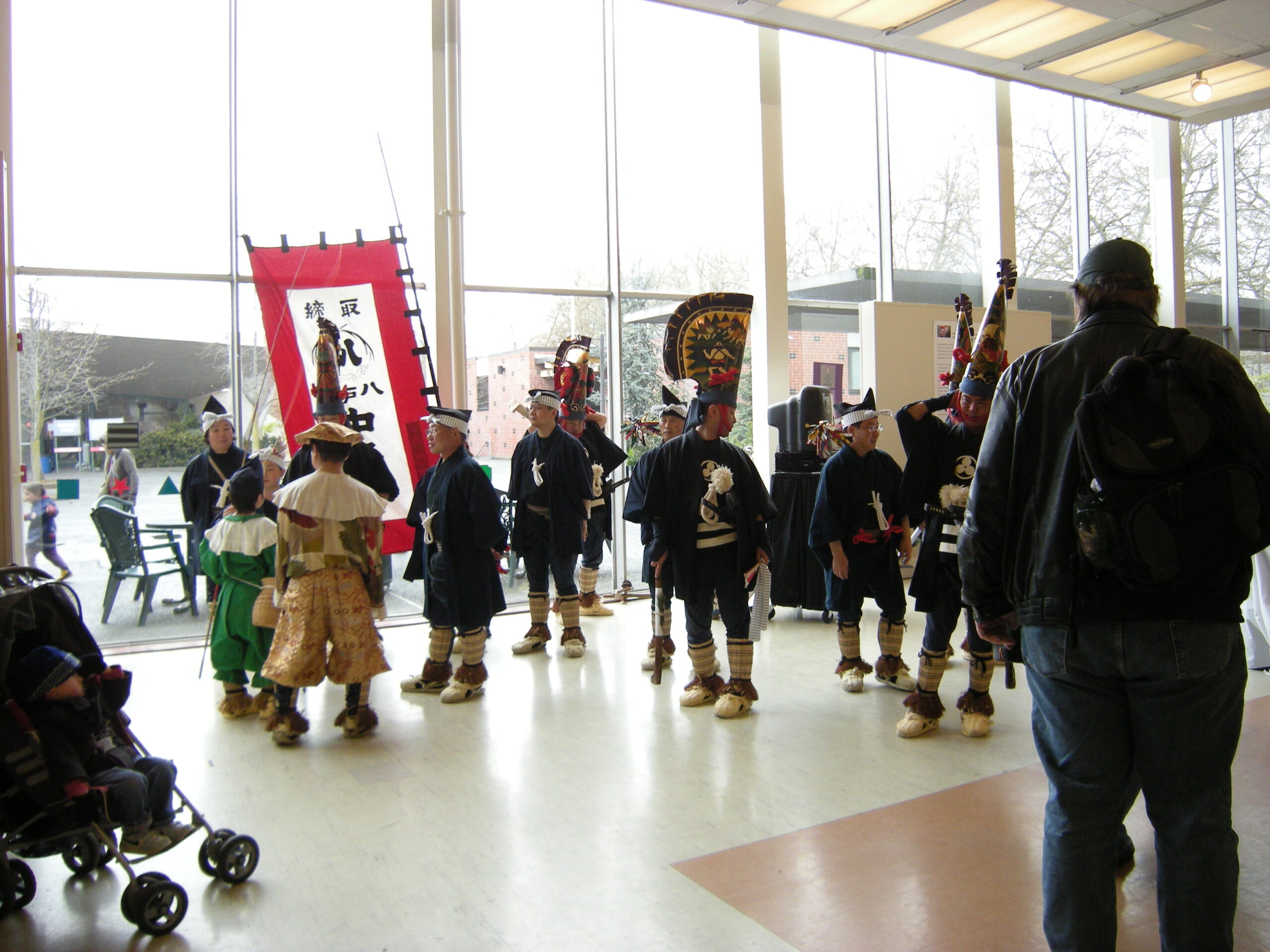
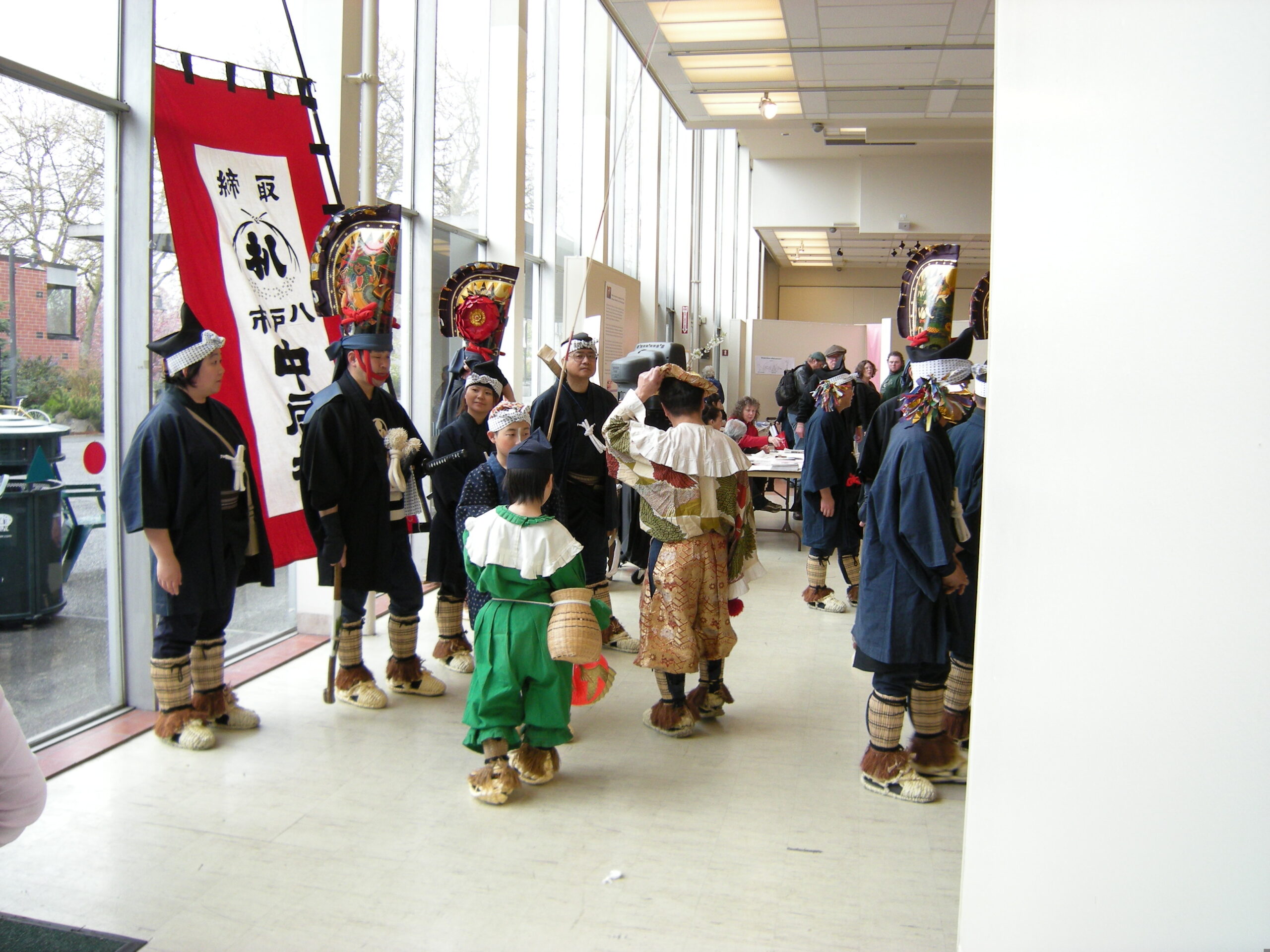
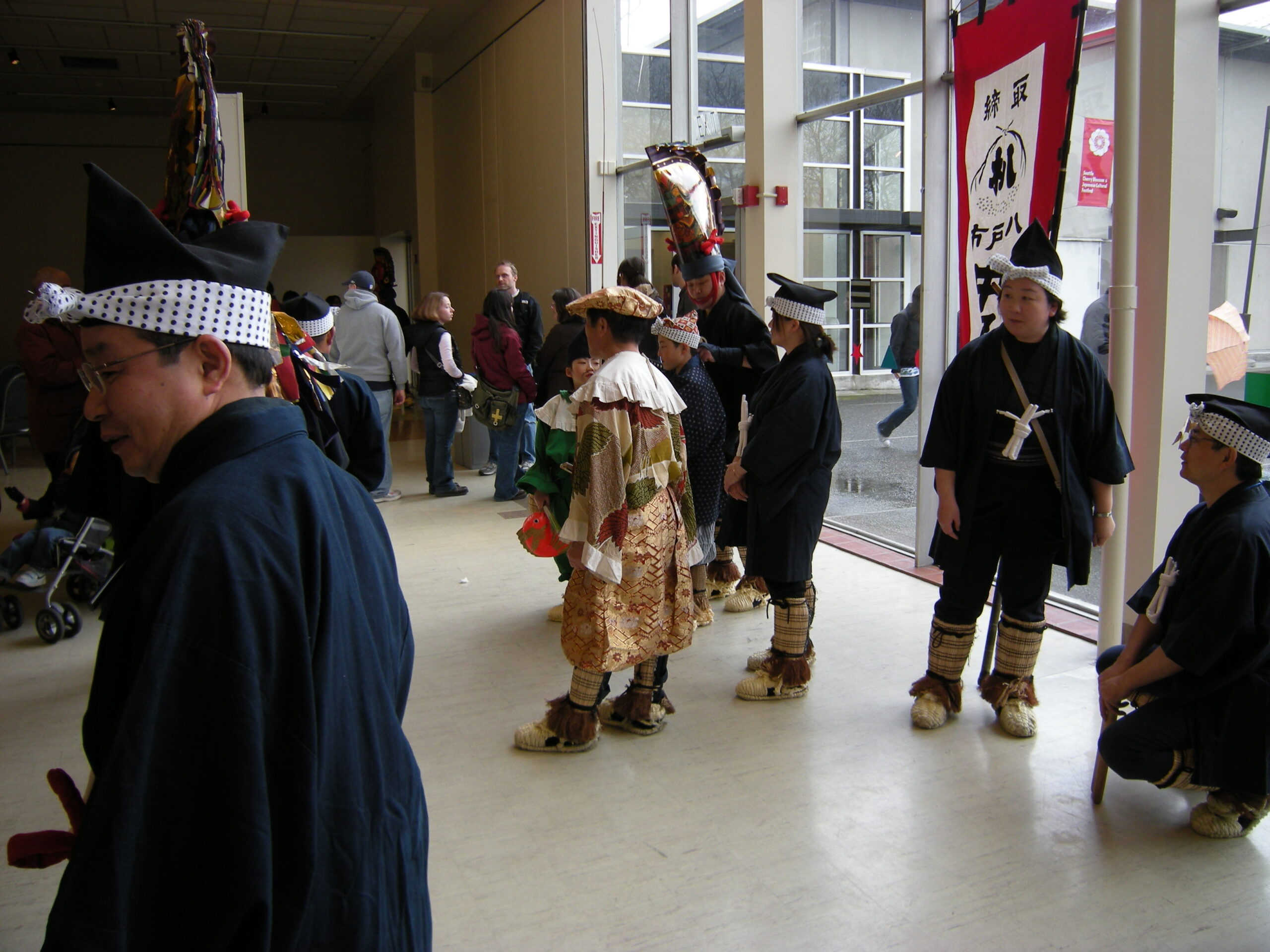
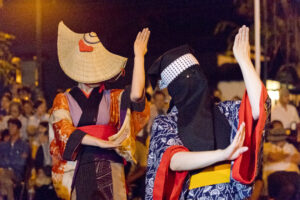
What makes Enburi so visually arresting is the eboshi — a tall, black lacquered headdress shaped like a horse’s head, decorated with folded gold and silver paper, mirrors, and bells. When the lead dancer (called the “Tayu”) swings his head in wide, sweeping arcs, the whole eboshi rocks and glitters, and the bells ring out over the drums and flute. It’s mesmerizing, slightly eerie, and unlike anything else you’ll see in Japan. Add in the fact that it happens against a backdrop of thick snow, in one of the least-visited corners of the country, and you have a bucket-list experience for anyone who wants to go beyond the postcard version of Japan.
For American and Australian travelers especially, Enburi offers a rare chance to witness something that even most Japanese people from outside Tohoku have never seen in person. Think of it as the anti-Shibuya-crossing experience: quiet, cold, ancient, and utterly authentic.
Getting to Hachinohe from Tokyo
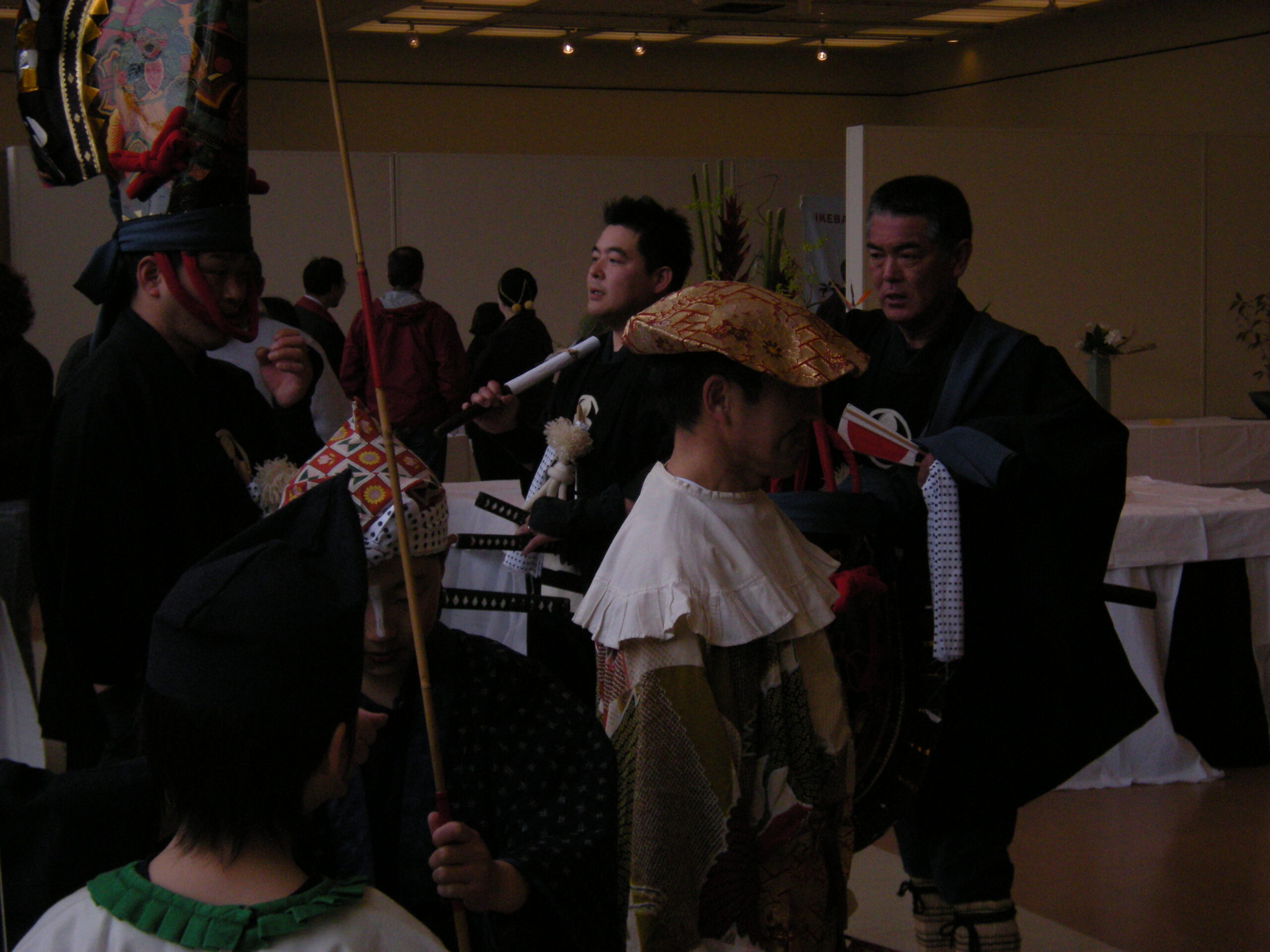
- Shinkansen: Take the Tohoku Shinkansen (Hayabusa or Hayate) directly from Tokyo Station to Hachinohe Station. The trip takes about 2 hours 45 minutes to 3 hours and costs roughly ¥16,000–¥17,500 (around $105–$115 USD) one-way for an unreserved seat.
- From Shin-Aomori or Aomori City: Hachinohe is about 45 minutes by Shinkansen from Shin-Aomori, or a little over an hour by local JR train, making it an easy add-on if you’re already exploring Aomori Prefecture.
- Local transport in Hachinohe: The festival’s main venues cluster around Hon-Hachinohe Station and the central Chuo-dori shopping street, a short walk or a 10-minute bus ride from Hachinohe Station itself. Free shuttle buses often run between key Enburi venues during the festival — look for signage at the tourist information counter inside Hachinohe Station.
Good news for JR Pass holders: the Tohoku Shinkansen between Tokyo and Hachinohe is fully covered by the Japan Rail Pass and the JR East Tohoku Area Pass, so this trip essentially costs nothing extra if you’re already carrying one.
The History Behind the Horse-Head Dance
Enburi’s origins are wrapped in local legend. One popular story credits Nanbu Mitsuyuki, a 13th-century lord, with reviving the dance after a poor harvest, though most folklorists agree the tradition predates any single historical figure and grew organically out of rice-planting rituals common across old Japan. What sets Hachinohe’s version apart is that it survived almost unchanged into the modern era, protected by tight-knit farming communities in the surrounding hills.
Today it’s officially recognized as a Japan National Important Intangible Folk Cultural Property, and roughly 30 “Enburi-gumi” (Enburi troupes) — each tied to a specific neighborhood or farming hamlet — take part every year. Each troupe has its own subtle variations in costume, chant, and choreography, refined and passed down within families for centuries. If you watch closely across a few performances, you’ll start to notice these differences: some groups favor the slower, more solemn “Naga-Enburi” style, while others perform the faster, more energetic “Dosai-Enburi.”
The word “Enburi” itself is thought to derive from “eburi,” a farm tool historically used to level rice paddies — a fitting name for a dance whose stomping, sweeping movements are a direct, literal reenactment of tilling and preparing the soil for planting.
Kagari Enburi: The Bonfire Performance You Can’t Miss
If you only see one Enburi performance, make it “Kagari Enburi” — the nighttime, firelit show held at Choja Pine Garden (Chojagashira Matsubayashi), a historic pine grove on the edge of the city. Troupes perform by the light of a roaring bonfire against the snow, and the combination of firelight, drifting woodsmoke, jingling bells, and steam rising off the dancers’ breath in the freezing air is genuinely spine-tingling. Photographers in particular will want to prioritize this over the daytime shows — the visual drama here is unmatched anywhere else in Tohoku’s festival calendar.
Kagari Enburi is typically held on one evening during the festival period, starting around 6:00 PM and running for a little over an hour. Arrive at least 30–40 minutes early to claim a good viewing spot near the fire; it draws a crowd of serious photographers, both Japanese and increasingly foreign, but nothing close to the crushing crowds you’d find at Nebuta or a Tokyo festival. Dress far warmer than you think you need to — temperatures regularly drop to 20–25°F (around -4 to -7°C) on festival nights, and you’ll be standing still outdoors for over an hour.
Daytime Enburi: The Grand Parade and Street Performances
The festival officially opens each year on the morning of February 17th with “Enburi Nagashi” — a grand parade in which all participating troupes march together down Chuo-dori, Hachinohe’s main downtown shopping street, in a spectacular procession of horse-head hats, drums, and flutes. This is the easiest and most accessible way to see the sheer scale of the tradition, with dozens of troupes and hundreds of performers moving through the city center at once.
Throughout the four days of the festival (February 17–20), individual troupes also perform shorter sets at fixed locations around the city — the plaza in front of Hachinohe City Hall, the Hasshoku Center seafood market, shopping arcades, and community halls. Many of these are free to watch and run on a rotating schedule throughout the day, so with a printed schedule (available at the Hachinohe tourist information center) you can plan a route that catches several different troupes performing in different styles.
Between the more solemn dance numbers, watch for the “Suri-mono” — short comic interludes performed mostly by children, depicting auspicious folk characters like Ebisu (the fishing god), Daikoku (god of wealth), and playful crane-and-tortoise skits symbolizing long life. These lighter moments are a favorite with local families and offer a charming contrast to the hypnotic main dances.
Best Time to Visit
- The festival itself (February 17–20): This is a fixed, unmoving date range every year — unlike many Japanese festivals that shift with the lunar calendar. Book accommodation in Hachinohe well in advance, as the city’s limited hotel stock fills up with photographers and folklore enthusiasts from across Japan.
- Winter in general (December–February): Expect genuinely harsh conditions — daytime highs around 32–40°F (0–4°C), overnight lows well below freezing, and regular snowfall. This is proper Tohoku winter, not the milder cold of Tokyo.
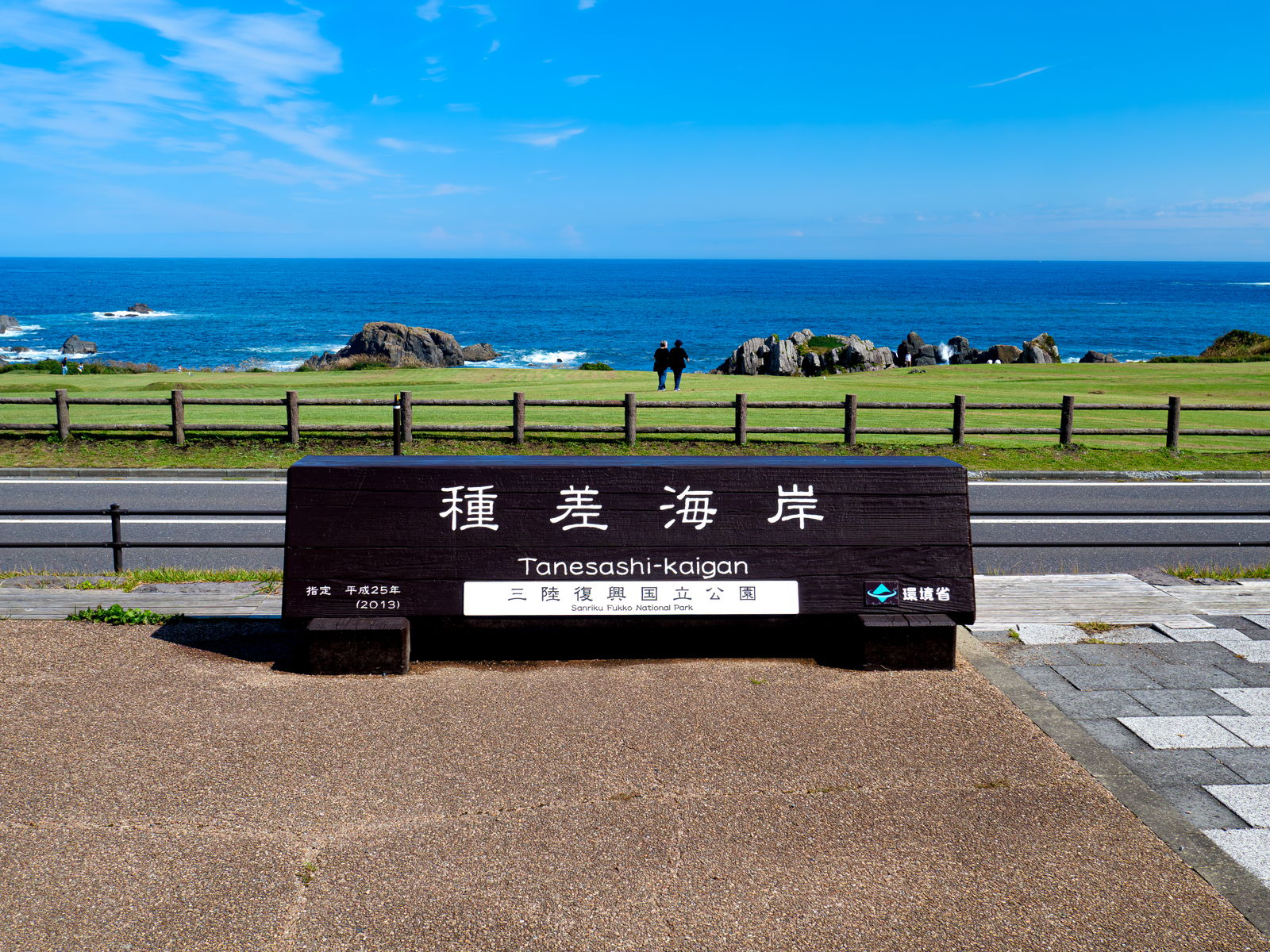
- If you can’t make Enburi dates: Pair a Hachinohe visit with the nearby Tanesashi Coast, which is stunning in every season, or check whether any Enburi troupes are performing at smaller regional showcases — some appear at Tohoku tourism events in other months, though nothing matches the atmosphere of the real festival in situ.
Where to Eat: Hachinohe Food Guide
Hachinohe is one of Japan’s great, underrated fishing ports, and its food scene reflects that — plus a genuinely unique local specialty you won’t find much beyond Aomori Prefecture.
Hasshoku Center & the Nokke-don Experience
Hasshoku Center is a sprawling indoor seafood market a short bus ride from Hachinohe Station, and its signature experience is “nokke-don” — you buy a bowl of rice for about ¥300 ($2), then walk the stalls buying individual toppings (fresh tuna, salmon roe, sea urchin, scallops, squid) from different vendors to build your own custom seafood rice bowl. A full, generously topped bowl typically runs ¥1,500–¥2,500 ($10–$17). It’s touristy in the best possible way — genuinely fun, genuinely fresh, and a great way to warm up after a cold morning of festival watching.
Senbei-jiru (Rice Cracker Hot Pot)
This is Hachinohe’s signature dish and a must-try in winter: a savory chicken or seafood broth hot pot into which unsweetened, unglazed rice crackers (nanbu senbei) are dropped, where they soften into a chewy, dumpling-like texture. It sounds unusual to Western ears but is deeply comforting and warming — exactly what you want after standing outside watching Enburi in the snow. Look for it at local izakaya around Chuo-dori for around ¥800–¥1,200 ($5–$8) per bowl.
Ika (Squid) Dishes
Hachinohe is one of Japan’s top squid-landing ports, and you’ll find it served every way imaginable — as sashimi, grilled whole with a soy glaze, or deep-fried. The Same Minato fishing port area near Hasshoku Center is the best place to find it at its freshest, often for ¥600–¥1,500 ($4–$10) per dish depending on preparation.
Where to Stay
Budget (Under ¥8,000 / $55 per night)
Hachinohe has a handful of simple business hotels near the station, such as Hotel Route Inn Hachinohe Ekimae, offering clean, compact rooms with private baths from around ¥6,000–¥7,500 ($40–$50). Book at least a month ahead for Enburi dates.
Mid-Range (¥8,000–¥20,000 / $55–$135)
Comfort Hotel Hachinohe and APA Hotel Hachinohe Ekimae offer a step up in comfort and space, typically ¥10,000–¥15,000 ($68–$100) per night, both within easy walking distance of the Shinkansen station.
Luxury (¥20,000+ / $135+)
For something more atmospheric, consider staying at an onsen ryokan in nearby Same or along the Tanesashi Coast, where ocean-view rooms and kaiseki dinners run ¥20,000–¥35,000 ($135–$235) per person per night — a memorable way to bookend a festival day with total relaxation.
Practical Tips for Visiting the Enburi Festival
- Dress in serious winter layers: Thermal base layers, a heavy insulated coat, waterproof snow boots, gloves, and a hat are non-negotiable. You’ll be standing outside for long stretches in sub-freezing temperatures.
- Bring hand and foot warmers (kairo): These disposable heat packs are sold everywhere in Japan (convenience stores, drugstores) and are a lifesaver for multi-hour outdoor viewing.
- Get the festival schedule in advance: Pick up a printed program from the Hachinohe tourist information counter at the station, or check the Hachinohe City tourism website before you go — performance times and locations shift daily.
- Arrive early for Kagari Enburi: Good spots near the bonfire fill up fast with local photographers.
- Photography is generally welcome but avoid using flash directly on performers’ faces, and be mindful of blocking other spectators’ views, especially elderly local attendees who have come every year of their lives.
- Cash is still king at many small food stalls and some smaller venues, though most hotels and larger restaurants accept cards and IC cards like Suica.
- Book trains and hotels early: Hachinohe’s tourism infrastructure is modest compared to Sendai or Aomori City, and Enburi season is its busiest stretch of the year.
- Learn a few key phrases: Very little English is spoken in Hachinohe outside major hotels, so a translation app and a few basic Japanese phrases will go a long way.
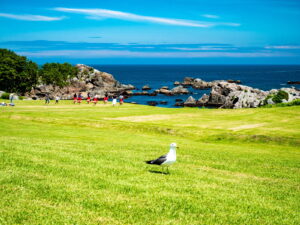
- Combine with a Tanesashi Coast visit: If the cold gets to be too much, the dramatic grassy cliffs and rock pools of the Tanesashi Coast, just outside the city, are stunning even under a dusting of snow and make a great half-day counterpoint to the festival’s indoor/outdoor bustle.
- Watch your footing: Sidewalks and venue approaches can be icy. Boots with good grip are worth the suitcase space.
Sample 2-Day Enburi Itinerary
Day 1
Morning: Arrive in Hachinohe via Shinkansen from Tokyo or Shin-Aomori. Drop bags at your hotel and grab a nokke-don seafood bowl lunch at Hasshoku Center.
Afternoon: Walk Chuo-dori and catch a few of the rotating street performances around the city center; visit the tourist information center to confirm the evening’s Kagari Enburi schedule and location details.
Evening: Bundle up in every layer you own and head to Choja Pine Garden for the Kagari Enburi bonfire performance — arrive 30–40 minutes early for a good spot. Warm up afterward with a bowl of senbei-jiru at a nearby izakaya.
Day 2
Morning: If your dates align with February 17th, catch the Enburi Nagashi grand parade down Chuo-dori. Otherwise, catch more of the rotating daytime performances at community venues.
Afternoon: Take a bus or taxi out to the Tanesashi Coast for a scenic (if chilly) walk along the cliffs, or explore Same Minato fishing port for fresh squid and seafood.
Evening: Head back toward Tokyo via Shinkansen, or continue north to Aomori City or south to Morioka to continue your Tohoku trip.
Related Articles You Might Enjoy
- Goshogawara Tachineputa Festival, Aomori: Japan’s Most Spectacular Tower Float Festival
- Hirosaki City Guide: Apple Capital, Neputa Festival & Aomori’s Most Historic Castle Town
- Shirakami-Sanchi Beech Forest, Aomori & Akita: Complete Guide to Japan’s Ancient UNESCO Wilderness
- Hachinohe, Aomori: Complete Guide to Japan’s Most Underrated Northern City
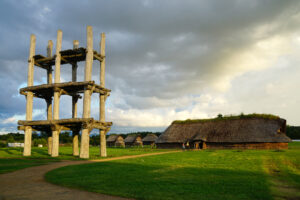
- Sannai-Maruyama Archaeological Site, Aomori: Japan’s Most Spectacular 5,500-Year-Old UNESCO Jomon Settlement
Final Thoughts
The Enburi Festival isn’t a polished, tourist-optimized spectacle — and that’s exactly its appeal. It’s cold, it’s raw, and it asks a little effort of you: a longer train ride, warmer clothes, a willingness to stand in the snow for the sake of something genuinely old and genuinely meaningful. In return, you get to witness a piece of living history that most travelers, and even most Japanese people, will never see with their own eyes. If you’re chasing the kind of Japan travel story nobody else in your friend group has — the horse-head hats swaying by firelight in the snow are hard to beat.
Got questions about planning your Tohoku trip, or spotted something we missed? We’d love to hear from you — drop us a message here.

コメント