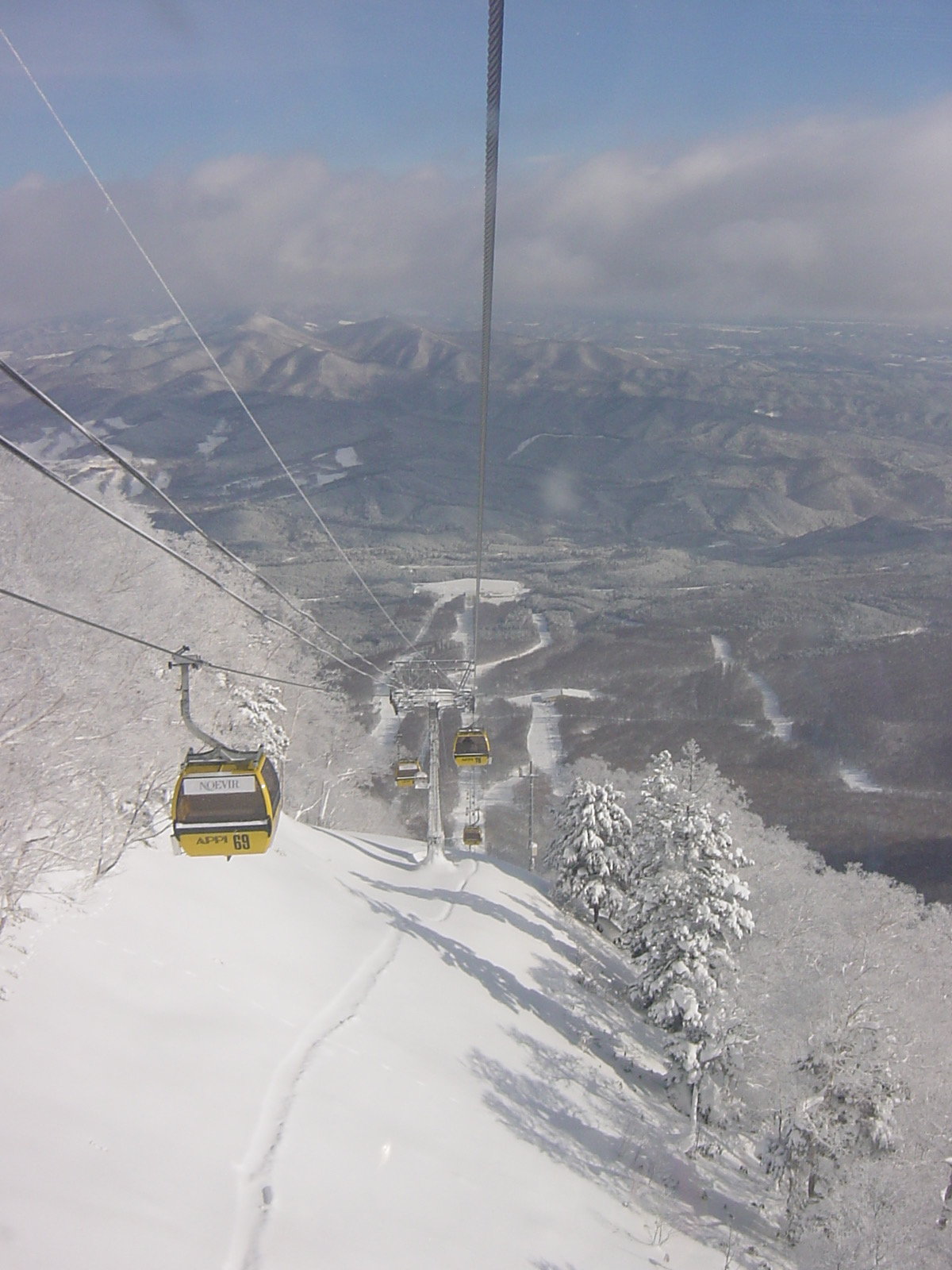
Picture this: waist-deep, bone-dry powder snow that squeaks under your boots, 21 lifts and gondolas spread across a mountain nearly the size of a small city, and barely another foreign face in sight. That’s Appi Kogen — one of Japan’s largest ski resorts, tucked into the mountains of Iwate Prefecture, and still largely undiscovered by the international crowds who flock to Niseko and Hakuba. If you want the legendary Japanese powder experience without the lift lines, inflated prices, or Australian-accented crowds, Appi Kogen deserves a serious look.
Why Appi Kogen Should Be on Every Powder Hunter’s Itinerary
Appi Kogen (安比高原) opened in 1972 and has spent the decades since quietly building a reputation among serious skiers as one of the best-run, best-groomed, and most reliably snow-covered resorts in the country — all while staying almost completely off the radar for English-speaking travelers. The numbers alone are staggering: 21 lifts and gondolas, more than 20 kilometers (12 miles) of interconnected runs across two linked mountains (Appi-dake and Nishimori), a 1,300-meter (4,265-foot) summit, and an average annual snowfall that regularly tops 8 meters (26 feet) of the light, dry “Japow” that Pacific Northwest and Rocky Mountain skiers dream about.
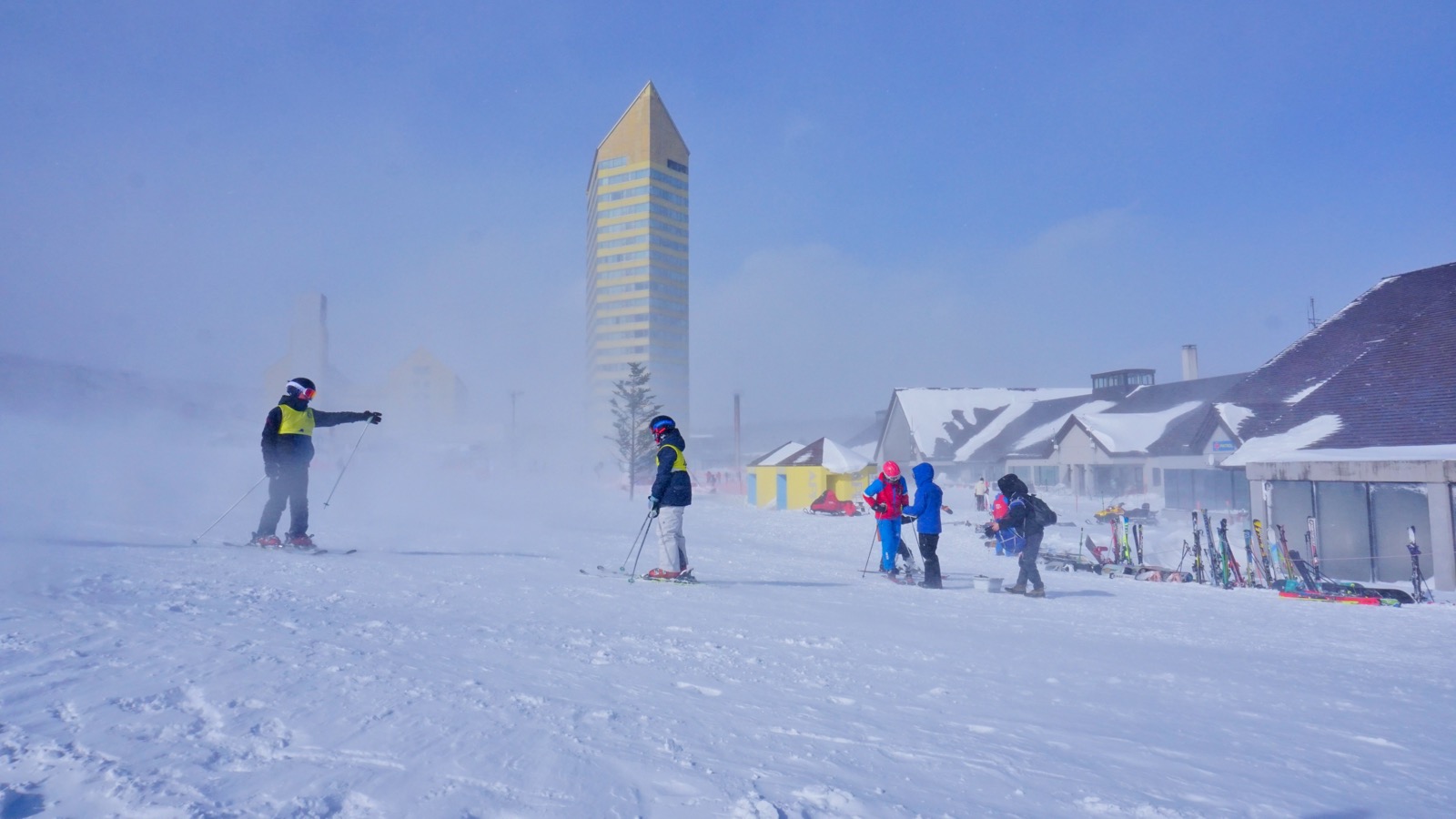
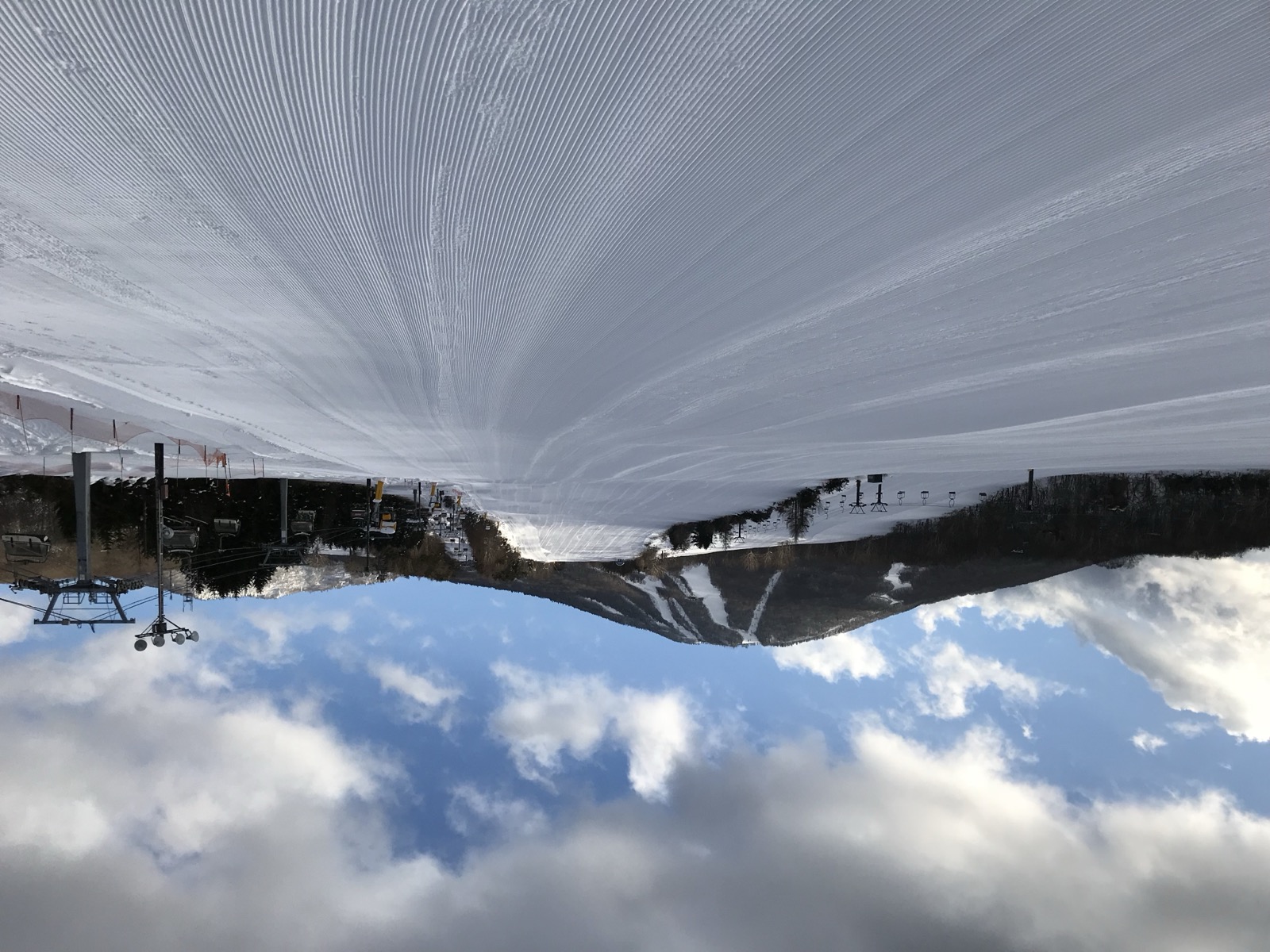
What sets Appi apart from Niseko or Hakuba isn’t just the snow quality — it’s the scale and the polish. This is a purpose-built destination resort, not a scattering of independent ski areas stitched together. The base area was designed by the same masterplan team behind several of Japan’s top golf resorts, and it shows: wide, perfectly groomed cruising runs, a genuinely excellent ski school, immaculate grooming every single morning, and a village with everything you need within a five-minute walk of the gondola base. For intermediate and advanced skiers who want long, confidence-building groomers interspersed with legitimate tree skiing and off-piste powder stashes, Appi hits a sweet spot that’s hard to find elsewhere in Japan.
And because it hasn’t been “discovered” by the international ski media the way Niseko has, prices remain remarkably reasonable. A full-day lift ticket runs around ¥6,000–7,000 (roughly $40–47 USD), a fraction of what you’d pay at comparable Western resorts, and on all but the busiest Japanese holiday weekends you’ll find lift lines that simply don’t exist.
Getting There from Tokyo
- Shinkansen (recommended): Take the Tohoku Shinkansen from Tokyo Station to Morioka Station (2 hours 10 minutes to 2 hours 40 minutes depending on train type, approximately ¥14,000–15,500 / $95–105 one-way). From Morioka, a direct resort shuttle bus runs to Appi Kogen in about 70 minutes (¥1,500–2,000 / $10–14).
- JR Pass validity: The Tohoku Shinkansen leg to Morioka is fully covered by the Japan Rail Pass and the JR East Tohoku Area Pass, making this one of the most cost-effective major ski resorts in Japan to reach if you already hold a pass.
- Direct train: During peak winter season, some direct seasonal trains run from Morioka Station straight to Appi-Kogen Station (about 90 minutes on the local Hanawa Line), depositing you within walking distance of the base.
- Rental car: From Morioka, it’s about a 60-minute drive north on Route 340/23, mostly on well-maintained mountain roads. Winter tires are mandatory and provided as standard by all major rental agencies in the region — do not attempt this drive on summer tires.
- From Sendai: Roughly 2.5 hours by Shinkansen to Morioka plus the connecting bus, making Appi an easy add-on to a broader Tohoku itinerary that includes Sendai or Matsushima.
The Slopes: What Skiing and Snowboarding Appi Kogen Is Actually Like
Appi Kogen is really two connected ski areas. The main Appi-dake side is where most visitors spend their time — a huge network of wide, rolling cruisers that funnel down through the trees to the base village, ideal for intermediate skiers who want to rack up vertical without worrying about crowds or hazards. The longest run, Sunkus Course, stretches nearly 5.5 kilometers (3.4 miles) from summit to base, one of the longest continuous ski runs in Japan.
The Nishimori side, reached by a separate gondola, is where things get more interesting for advanced skiers and boarders. Steeper pitches, more natural terrain variation, and easier access to the tree skiing that has made Tohoku (and Appi specifically) a growing name among the hardcore powder-chasing crowd who’ve started looking beyond Hokkaido. Ungroomed powder stashes between marked runs stay untracked far longer here than at more famous resorts simply because there are fewer people looking for them.
Night skiing is available on select courses several nights a week during peak season, lit runs against a backdrop of genuinely dark, star-filled Tohoku sky — a completely different experience from daytime cruising and a great way to extend a short trip. Ski and snowboard rental is excellent and reasonably priced (around ¥5,000–6,000 / $34–40 per day for a full set including boots), and English-language lessons are bookable in advance through the resort’s official website, though demand is much lower than at Niseko so private lessons are easier to secure on short notice.
Beyond Skiing: Appi Kogen in Summer and Shoulder Season
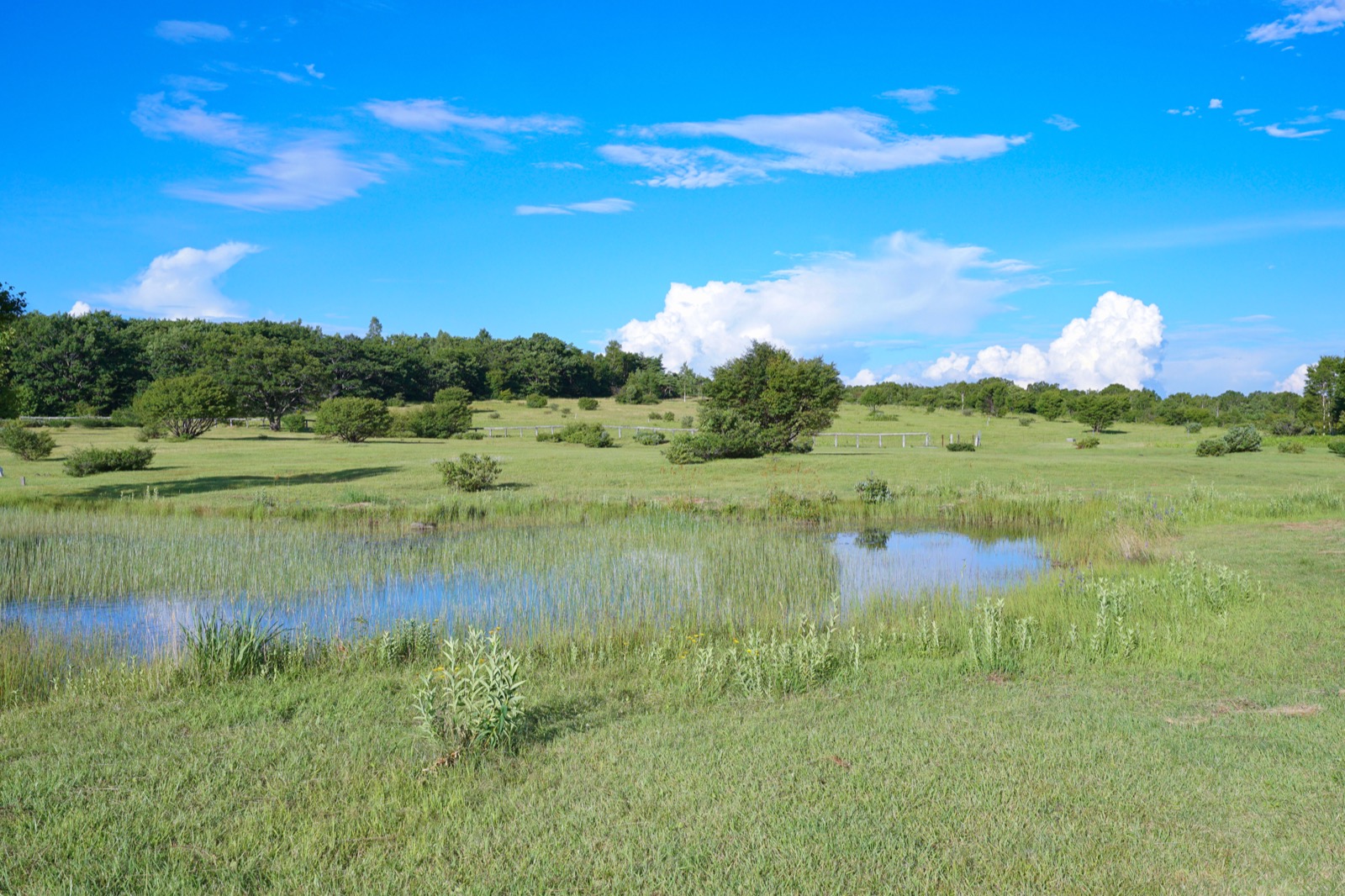
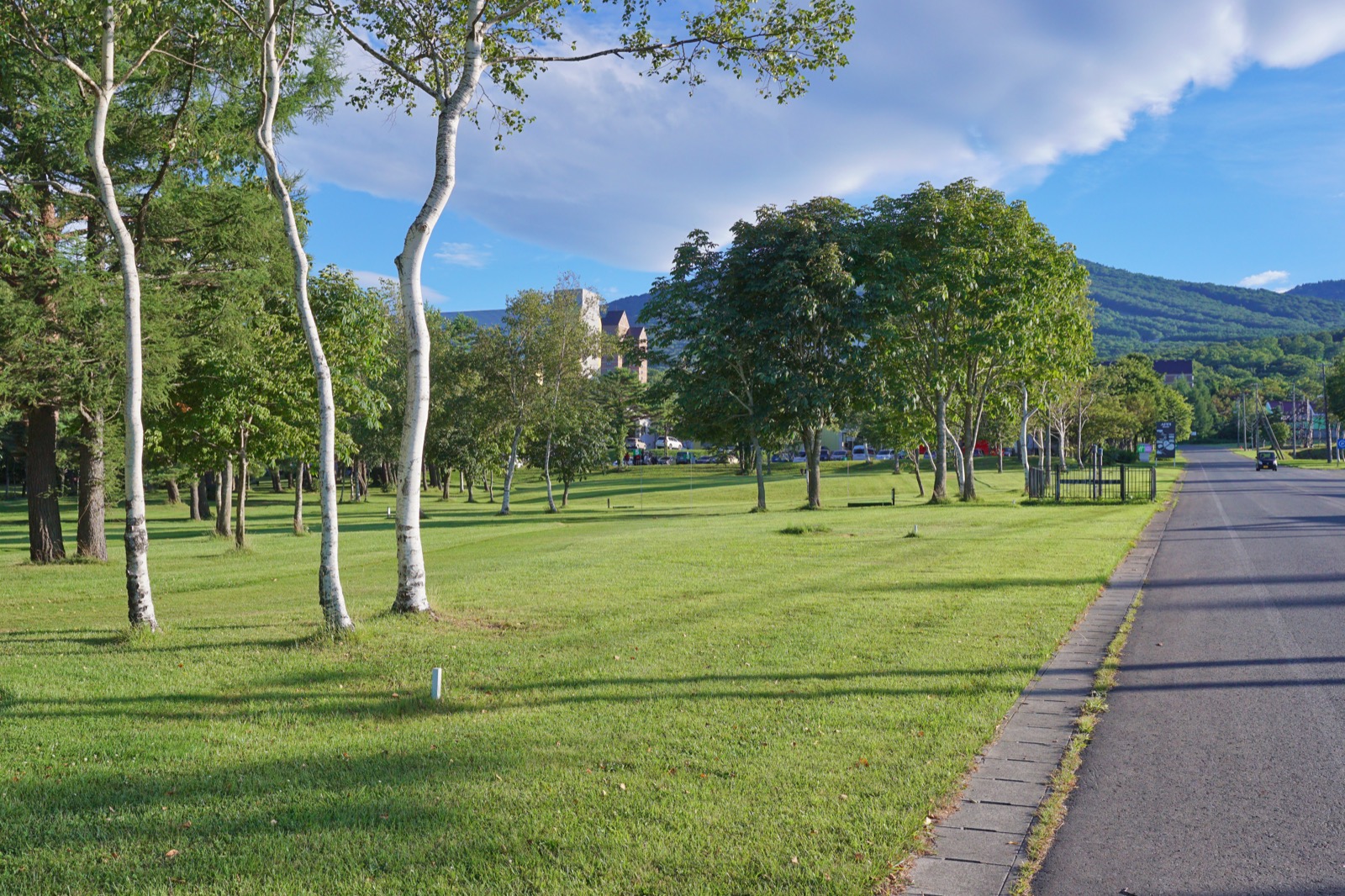
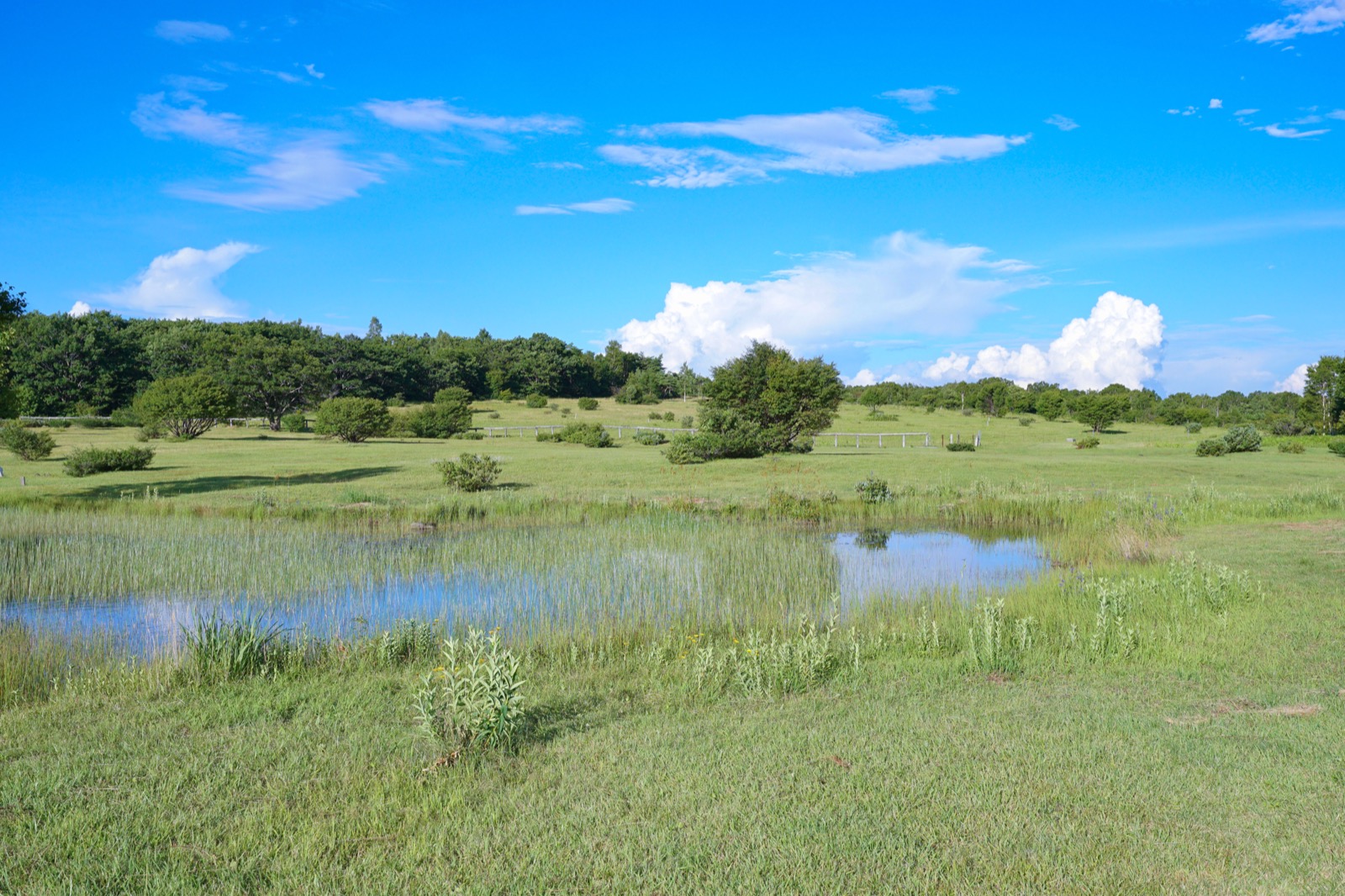
Here’s what most foreign travelers don’t realize: Appi Kogen isn’t just a winter destination. When the snow melts, the resort transforms into a genuinely beautiful highland retreat. The same slopes that carry skiers in January become hiking trails through dense beech (buna) forest in summer, and the resort operates its famous 18-hole championship golf course, ranked among the top resort courses in Japan and set against a backdrop of the Ou Mountains. The Buna-no-Eki (“Beech Tree Station”) nature trail is a gentle, well-marked walk through old-growth beech forest that turns brilliant gold in autumn, easily manageable for visitors of any fitness level and a peaceful contrast to the resort’s winter intensity.
Mountain biking has also become increasingly popular here, with the resort renting bikes and running lift-accessed downhill trails through the same terrain skiers use in winter. If your Tohoku trip falls outside ski season, Appi Kogen is still very much worth the detour — cooler summer temperatures, genuinely fresh mountain air, and a fraction of the visitors you’d find at more famous highland destinations.
Onsen & Après-Ski: Soaking After a Day on the Mountain
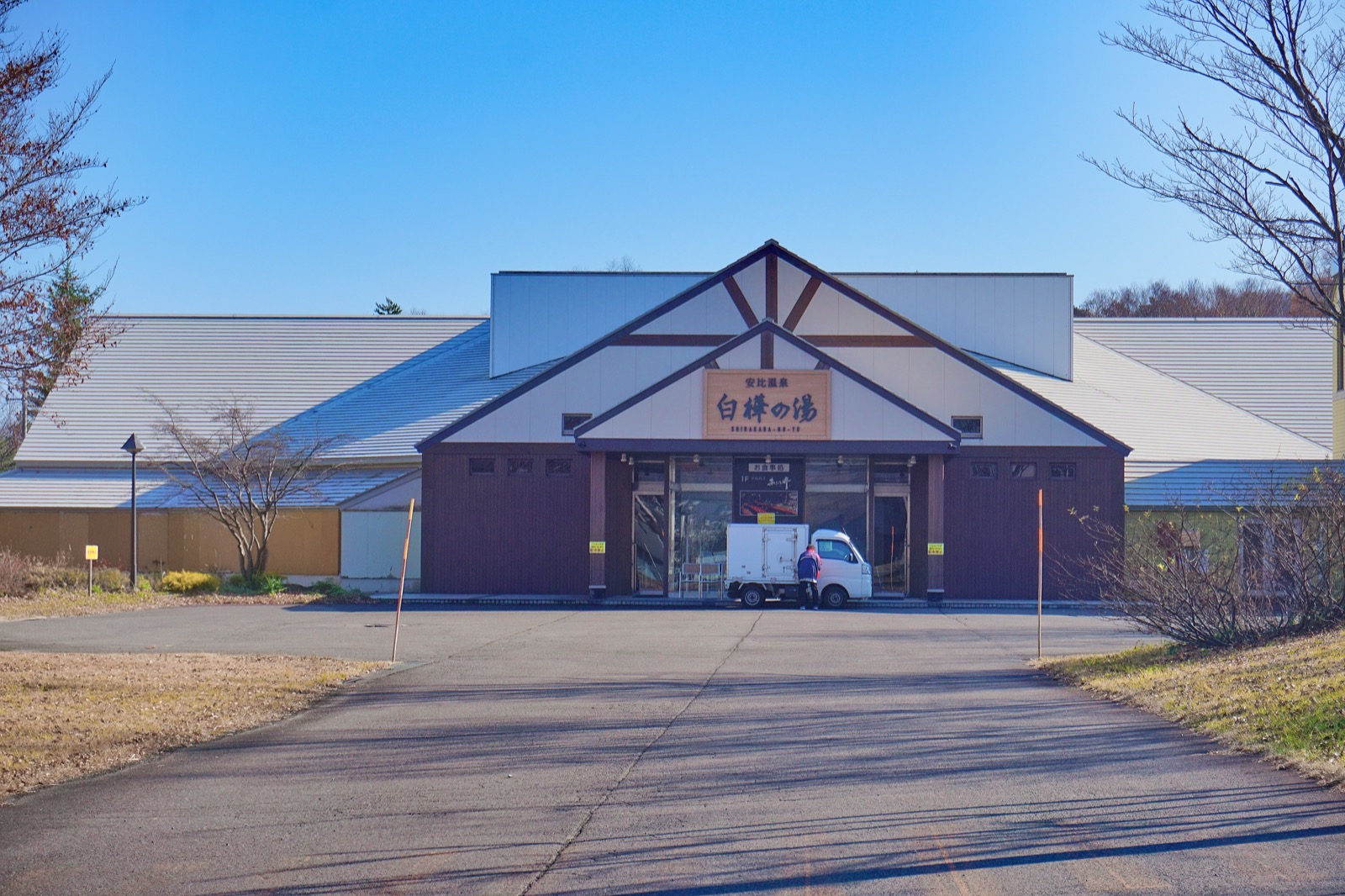
No proper Japanese ski trip is complete without an onsen soak, and Appi delivers on this front too. Shirakaba-no-yu, the resort’s main hot spring bathhouse, sits right in the base village and is open to day visitors as well as hotel guests — a large indoor bath complex plus outdoor rotenburo (open-air baths) where you can soak with steam rising around you while snow falls silently overhead. Entry for non-hotel-guests runs around ¥1,000–1,500 ($7–10), and it’s open until late evening, making it the perfect way to unwind after a full day of skiing.
Standard onsen etiquette applies here as everywhere in Japan: wash thoroughly at the shower stations before entering the communal bath, no swimsuits, and tie up long hair so it doesn’t touch the water. Most facilities at Appi are tourist-accustomed and will have some English signage, but if you have visible tattoos, check ahead — larger resort onsen are increasingly tattoo-friendly, but it’s worth confirming, or covering smaller tattoos with a waterproof patch, available cheaply at most convenience stores.
Best Time to Visit
- Peak winter (late December–February): The prime powder window. Consistent, heavy snowfall, cold temperatures (typically -5°C to -10°C / 23°F to 14°F), and the best conditions for serious skiing and snowboarding. Late December through early January and the Japanese New Year holiday period sees the highest domestic visitor numbers — book accommodation early if traveling then.
- Late season (March): Longer daylight hours, softer “spring corn” snow by afternoon, and noticeably thinner crowds. A great option for visitors who want a more relaxed pace and don’t mind slightly less pristine powder.
- Summer (June–August): Cool mountain temperatures (typically 20°C–25°C / 68°F–77°F, a welcome escape from the humidity of Tokyo or Sendai), golf, hiking, and mountain biking. Genuinely uncrowded and a hidden-gem shoulder-season option.
- Autumn (late September–October): Spectacular beech forest foliage on the Buna-no-Eki trail, mild hiking weather, and the resort at its quietest before the winter rush begins.
Where to Eat: Appi Kogen Food Guide
The base village has a solid selection of restaurants, cafes, and casual dining options, ranging from mountain-hut-style curry rice to proper izakaya dinners.
ANA Crowne Plaza Resort Restaurants
The resort’s flagship hotel runs several dining venues open to non-guests, including a buffet-style restaurant serving Iwate specialties like wanko soba and Maesawa beef alongside international dishes. Dinner buffets run around ¥4,000–5,000 ($27–34) per person and are a reliable, no-fuss option after a long day on the slopes.
On-Mountain Curry & Ramen Huts
Every major lift base has a casual restaurant serving Japanese ski-resort staples: hearty curry rice (¥900–1,200 / $6–8), ramen (¥800–1,100 / $5–7), and kare udon. These are quick, filling, and exactly what you want mid-mountain on a cold day — don’t expect much English, but ordering by pointing at the plastic food models works perfectly well.
Village Izakaya & Bars
A handful of small izakaya-style restaurants and bars operate in the base village in the evenings, serving grilled skewers (yakitori), local Iwate sake, and beer alongside the usual izakaya menu. This is where the ski-instructor and seasonal-worker crowd tends to gather, making it a good spot to swap trail tips over a beer.
Morioka Reimen & Wanko Soba (day trip worth planning around)
If you have any extra time in Morioka before or after your Appi trip, don’t miss the city’s signature dishes — ice-cold, chewy Morioka reimen noodles in a spicy-sweet broth, and the legendary wanko soba “bottomless bowl” noodle challenge, where servers keep refilling your tiny bowl until you physically cap it with the lid. Both are quintessential Iwate experiences and easy to fit into a Shinkansen transfer day.
Where to Stay
Budget (Under ¥8,000 / $55 per night)
Appi Kogen Village Hostel-style pensions and smaller family-run lodges scattered around the base area offer basic twin and dorm-style rooms, typically without private bathrooms, starting around ¥5,000–7,000 per night. These book up fast in peak season, so reserve well ahead if traveling on a budget in January.
Mid-Range (¥8,000–¥20,000 / $55–$135)
Several mid-sized hotels and condominium-style accommodations line the base village, most offering ski-in/ski-out or near-ski-in/ski-out access, on-site onsen, and Western-style rooms with the option of a Japanese-style room. This is the sweet spot for most foreign visitors — comfortable, convenient, and well under half the price of comparable lodging in Niseko.
Luxury (¥20,000+ / $135+)
The ANA Crowne Plaza Resort Appi Kogen is the marquee property here — a large, ski-in/ski-out international hotel with full resort amenities, multiple restaurants, a proper onsen and spa, and direct gondola access. Rooms with mountain views during peak powder weeks command a premium but remain significantly more affordable than equivalent luxury lodging at Japan’s more internationally famous resorts.
Practical Tips for Visiting Appi Kogen
- Book lift tickets and rentals online in advance during Japanese New Year (late December–early January) and school holiday periods, when domestic demand spikes.
- English signage exists but is limited compared to Niseko or Hakuba — download an offline translation app and don’t be shy about pointing and smiling; staff are unfailingly helpful.
- Bring or rent goggles rated for flat light — Tohoku’s frequent light snowfall and overcast days make low-visibility lenses essential.
- The resort accepts major credit cards at hotels and larger restaurants, but carry cash (yen) for smaller food stalls, rental shops, and the on-mountain huts.
- Layer aggressively: base village temperatures can feel mild, but summit windchill regularly drops well below what the base-area thermometer suggests.
- If you don’t ski or snowboard, ask at the tourist information counter about snowshoe tours through the beech forest — a lovely low-impact way to experience the mountain in winter.
- The resort shuttle bus schedule from Morioka is limited to a handful of departures a day — check times before you arrive at the station, especially on your return journey.
- Cell signal and Wi-Fi are reliable in the base village but patchy on the upper mountain — download offline maps beforehand.
- Consider a multi-day lift pass if staying three or more days; per-day costs drop noticeably compared to buying single-day tickets.
- Pack a swimsuit-free mindset for the onsen, but bring a small hand towel — most bathhouses sell them if you forget, but it’s cheaper to bring your own.
Sample 2-Day Appi Kogen Itinerary
Day 1
Morning: Early Shinkansen from Tokyo to Morioka, connect to the resort shuttle, arrive at Appi Kogen by early afternoon. Check in, grab rental gear if needed.
Afternoon: Take the Sailer Gondola up for a first look at the mountain, then ski a few of the wide Appi-dake cruisers to get your legs under you before the lifts close.
Evening: Soak at Shirakaba-no-yu onsen, then dinner at one of the base village izakaya or the hotel buffet.
Day 2
Morning: Head straight for the Nishimori side for the resort’s best tree skiing and off-piste terrain while the morning powder is untracked.
Afternoon: Ski the long Sunkus Course top to bottom, then take a break for curry rice at a mid-mountain hut.
Evening: If it’s a night-skiing day, hit the lit slopes for an hour before dinner. Otherwise, relax at the onsen and pack for departure.
Optional Day 3: Take the shuttle back to Morioka a day early and spend an afternoon exploring Morioka Castle Ruins Park, sampling wanko soba, and browsing the city’s excellent craft beer scene before heading home.
Related Articles You Might Enjoy
- Kuji, Iwate: Japan’s Northernmost Ama Divers & Hidden Amber Museum
- Genbikei Gorge, Iwate: Japan’s Flying Dango Gorge & Ichinoseki’s Hidden Natural Wonder
- Mount Iwate: Complete Hiking Guide to Tohoku’s Sacred Volcano & the Nanbu Fuji
- Kitakami Tenshochi: Iwate’s 10,000 Cherry Blossom River Park — A Hidden Sakura Paradise
- Kitakami Tenshochi Cherry Blossoms, Iwate: Japan’s Most Spectacular River of 10,000 Sakura
Final Thoughts
Appi Kogen represents something increasingly rare in Japanese ski tourism: a genuinely world-class resort that hasn’t yet been fully “discovered” by the international travel industry. The snow is every bit as good as what you’ll find in Hokkaido, the infrastructure is more polished than almost anywhere else in the country, and the prices and crowd levels still reflect a resort that’s mostly known to Japanese skiers rather than a global audience. That combination won’t last forever — word is slowly getting out. If deep, dry powder, wide-open groomers, and a proper onsen soak at the end of the day sound like your kind of trip, book Appi Kogen while it’s still Tohoku’s best-kept secret.
Got questions about planning your Tohoku trip, or spotted something we missed? We’d love to hear from you — drop us a message here.


コメント