Akita City is one of Japan’s most unfairly overlooked urban destinations — a place where ancient samurai culture, world-renowned sake, extraordinary local cuisine, and some of the warmest people you’ll ever meet combine into an experience that feels genuinely off-the-beaten-path, even as the bullet train whisks you there from Tokyo in under four hours. If you’ve been dreaming of discovering a Japanese city that still feels like real Japan — untouched by the hordes of tour groups, with streets where locals actually live, eat, and celebrate — then Akita City is your answer.
Why Akita City Should Be on Every Japan Itinerary
Akita City sits at the heart of Akita Prefecture on Japan’s Sea of Japan coast — a region that Tohoku locals consider the soul of northeastern Japan. Unlike Sendai (Tohoku’s largest city) or Aomori (famous for its Nebuta Festival), Akita City has managed to preserve a quieter, more authentic character. It’s a place where you can wander through a feudal castle park in the morning, visit an internationally acclaimed art museum in the afternoon, and spend the evening sipping some of the world’s finest sake in a cozy izakaya, surrounded by locals who are genuinely delighted to share their city with you.
What makes Akita City special, beyond its obvious attractions, is its deep sense of local identity. Akita Prefecture is famous throughout Japan for “Akita Bijin” (秋田美人) — the legendary beauty of its people, traditionally attributed to the clean mountain water, fresh air, and long indoor winters that shaped the local lifestyle for centuries. You’ll also find that Akita’s culinary scene is among the most distinctive in Tohoku: the prefecture gave the world kiritanpo (grilled rice skewers served in hot pot), shottsuru (a complex fermented fish sauce with centuries of history), and inaniwa udon (delicate hand-pulled noodles from nearby Yuzawa). And when it comes to sake, Akita stands in a league of its own — dozens of historic breweries clustered throughout the city and its surroundings have been producing Japan’s most celebrated rice wine for hundreds of years.
The city is also the home of one of Japan’s most spectacular festivals: the Akita Kanto Festival, held every August, when hundreds of performers balance towering bamboo poles hung with dozens of glowing paper lanterns — some reaching 12 meters (nearly 40 feet) high. It’s a sight that stops traffic, drops jaws, and brings tears to eyes, and it’s something you genuinely cannot see anywhere else on Earth. But even outside festival season, Akita City rewards visitors with layers of history, culture, and flavor that reveal themselves slowly, like a fine nihonshu opening up in the glass.
Getting There from Tokyo
Akita City is remarkably accessible from Tokyo, thanks to the Akita Shinkansen — one of Japan’s most scenic bullet train routes. Aboard the Komachi line, you’ll travel from Tokyo Station to Akita Station in approximately 3 hours 50 minutes, passing through the mountains of Iwate and the beautiful Tazawako area along the way. The journey itself is an experience worth savoring.
- Shinkansen (Recommended): Tokyo Station → Akita Station via JR Akita Shinkansen Komachi. Duration: ~3h 50min. Cost: approximately ¥17,500–¥18,500 ($120–$125) one-way for unreserved seat. Reserved seats cost slightly more.
- JR Pass: Fully covered by the JR Pass — an excellent value if Akita is part of a wider Japan rail journey. Seat reservations are free with the pass.
- Night Bus: Budget travelers can take an overnight highway bus from Tokyo (Shinjuku or Tokyo Station) to Akita for around ¥4,000–¥7,000 ($27–$48). Journey time is 7–8 hours. Several operators run this route.
- Domestic Flight: ANA operates flights from Tokyo Haneda to Akita Airport (about 60 minutes). Prices vary widely but budget ¥15,000–¥25,000 ($100–$170) round-trip. Akita Airport is about 40 minutes by bus from the city center.
- From Sendai: The JR Ou Main Line connects Sendai to Akita in about 3.5 hours via a scenic mountain route. This is a gorgeous train journey through Tohoku’s interior highlands.
Within Akita City itself, most major attractions are within walking distance of Akita Station, or a short taxi ride away. The city also has a good bus network. Renting a bicycle is an excellent way to explore — the flat city center and riverside paths make cycling a genuine pleasure, and many hotels offer bike rentals.
Senshu Park & the Ruins of Kubota Castle
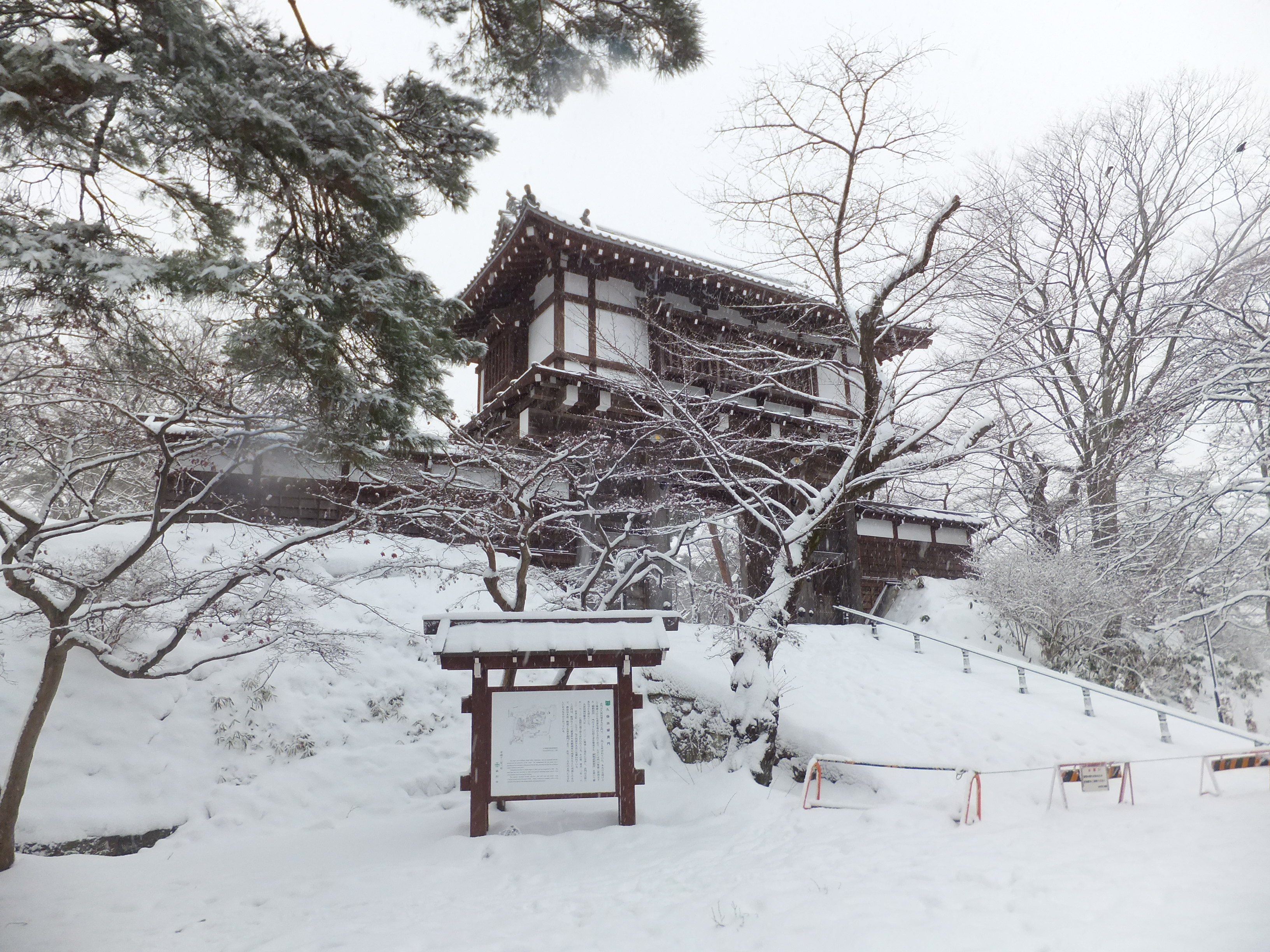
The heart of Akita City is Senshu Park (千秋公園), a magnificent urban green space built on the foundations of Kubota Castle — the feudal stronghold of the Satake clan, who ruled Akita for over 250 years during the Edo Period. Unlike many Japanese castles that were meticulously reconstructed in concrete during the 20th century, Kubota Castle was never rebuilt; instead, the grounds were transformed into one of northeastern Japan’s most beautiful parks, where the original stone foundations, moats, and gates survive as atmospheric reminders of the city’s samurai past.
Walking through Senshu Park, you’ll pass over the Ohashi Bridge spanning the historic moat, enter through the reconstructed Omote-mon (main gate) of the castle’s inner bailey, and climb to the Osumi Watchtower — a two-story wooden observation tower that offers panoramic views over the city and, on clear days, the distant mountains of Akita Prefecture. The tower is small and intimate, nothing like the grand five-story castle keeps you see in Osaka or Nagoya, but that’s precisely its charm: it feels genuinely historic rather than touristy.
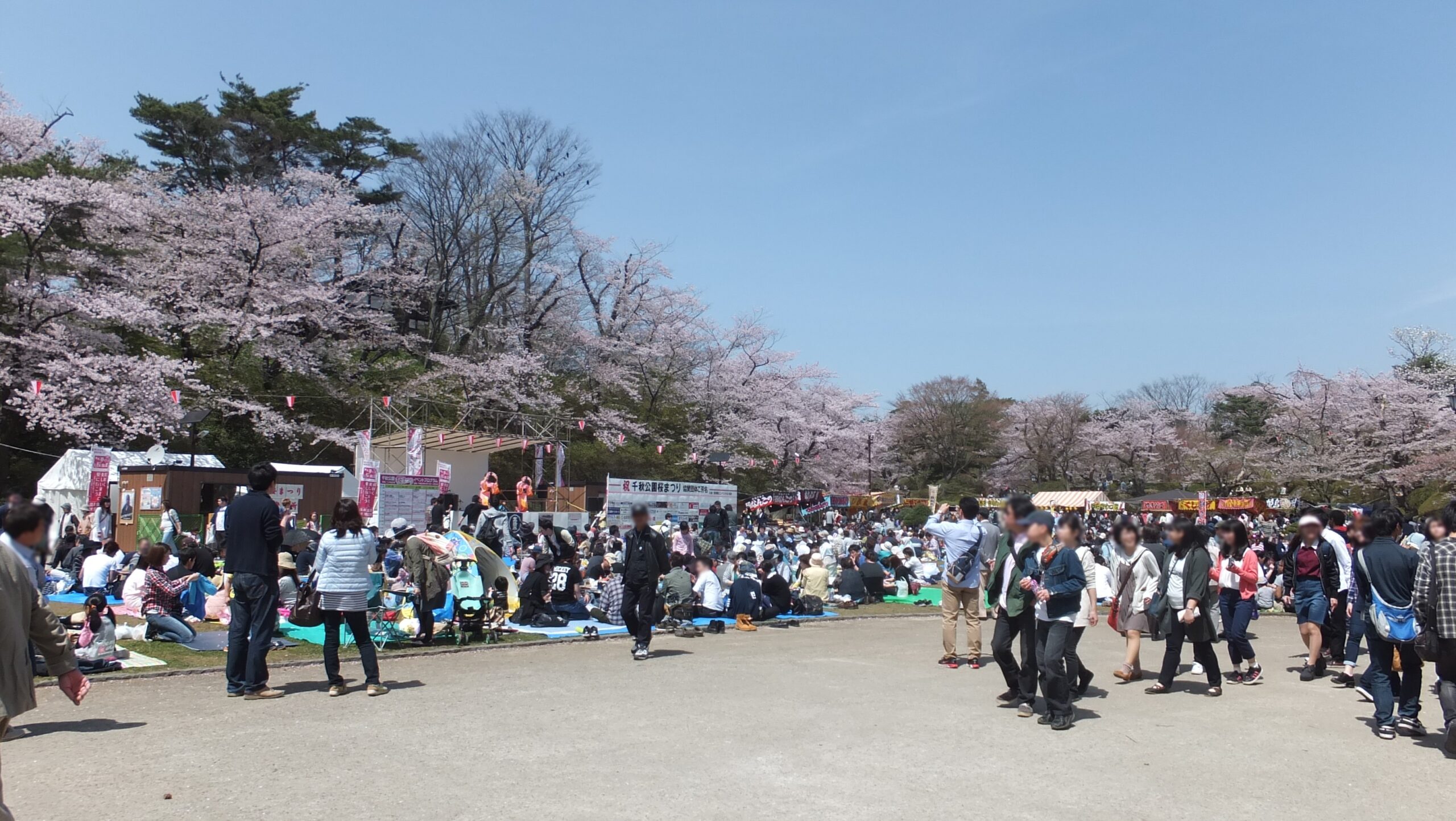
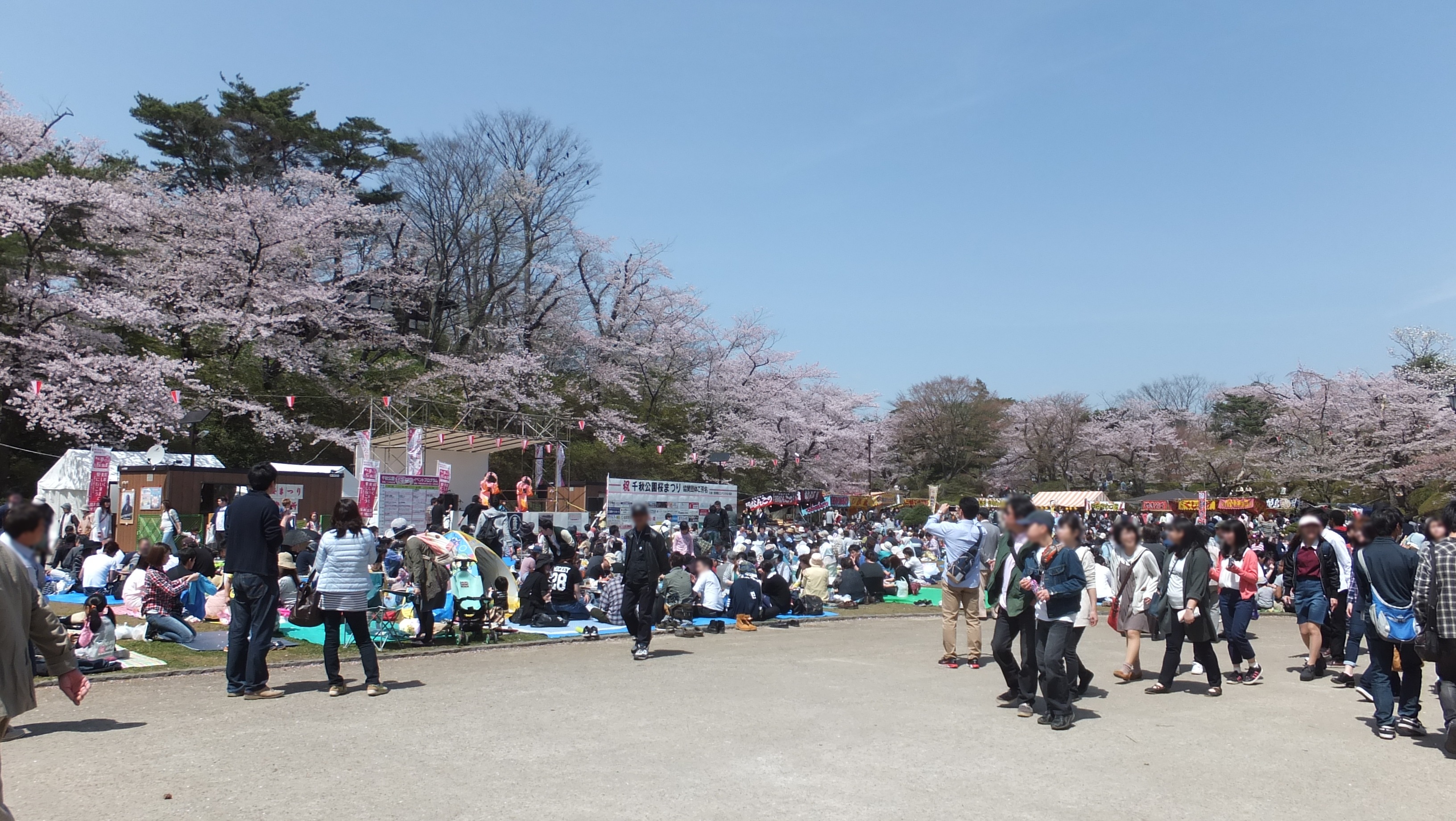
Senshu Park is particularly spectacular during cherry blossom season (late April to early May) when more than 800 cherry trees — including rare weeping varieties — transform the entire grounds into a pink wonderland. It’s consistently ranked among the top 100 cherry blossom spots in Japan, and the combination of blossoms reflected in the ancient moat, with the castle gate rising above, creates scenes that look almost impossibly beautiful. Autumn is equally stunning: the maples and ginkgos turn the park into a canvas of gold, crimson, and amber from mid-October through early November.
Adjacent to the park is the Akita Museum of Art (秋田県立美術館), designed by celebrated architect Tadao Ando and opened in 2013. The museum’s centerpiece is “Akita Festival” (秋田の行事), a monumental panoramic painting by French-Japanese artist Tsuguharu Foujita — at 3.65 meters high and 20.5 meters wide, it’s one of the largest paintings in the world, and depicts Akita’s traditional festivals and seasons in extraordinary detail. The museum also holds works by Akita-born artist Katsuhira Tokushi and rotating exhibitions of Japanese and international art. Admission is ¥310 ($2) for the permanent collection — extraordinary value.
Senshu Park and Kubota Castle grounds are free to enter. The Osumi Watchtower costs ¥100 ($0.70). The castle grounds are open daily. From Akita Station, it’s a pleasant 10-minute walk west through the city center.
The Anamon no Hori: Akita’s Historic Canal District
Running along the eastern edge of the old castle town is one of Akita City’s most atmospheric and photogenic areas: the Anamon no Hori, a historic canal that once served as the outer defensive moat of the castle complex. Today it’s a tranquil walking route lined with weeping willows, traditional stone lanterns, and historic buildings — including the preserved Dote-Nagamachi district, where you can still see original samurai-era earthen walls (土塀, dobe) stretching for hundreds of meters along the canal bank.
The canal-side path is particularly magical in the early morning, when mist rises from the water and you might have the whole area to yourself. In spring, the cherry blossoms here are reflected in the canal’s still surface; in summer, fireflies occasionally appear after dark; in autumn, the maple trees turn the banks into fiery gold and crimson. The Anamon no Hori district also contains several historic sake breweries — you can often smell the distinctive fermentation scent drifting from traditional kura (brewery buildings) as you walk — and a handful of excellent restaurants serving classic Akita cuisine.
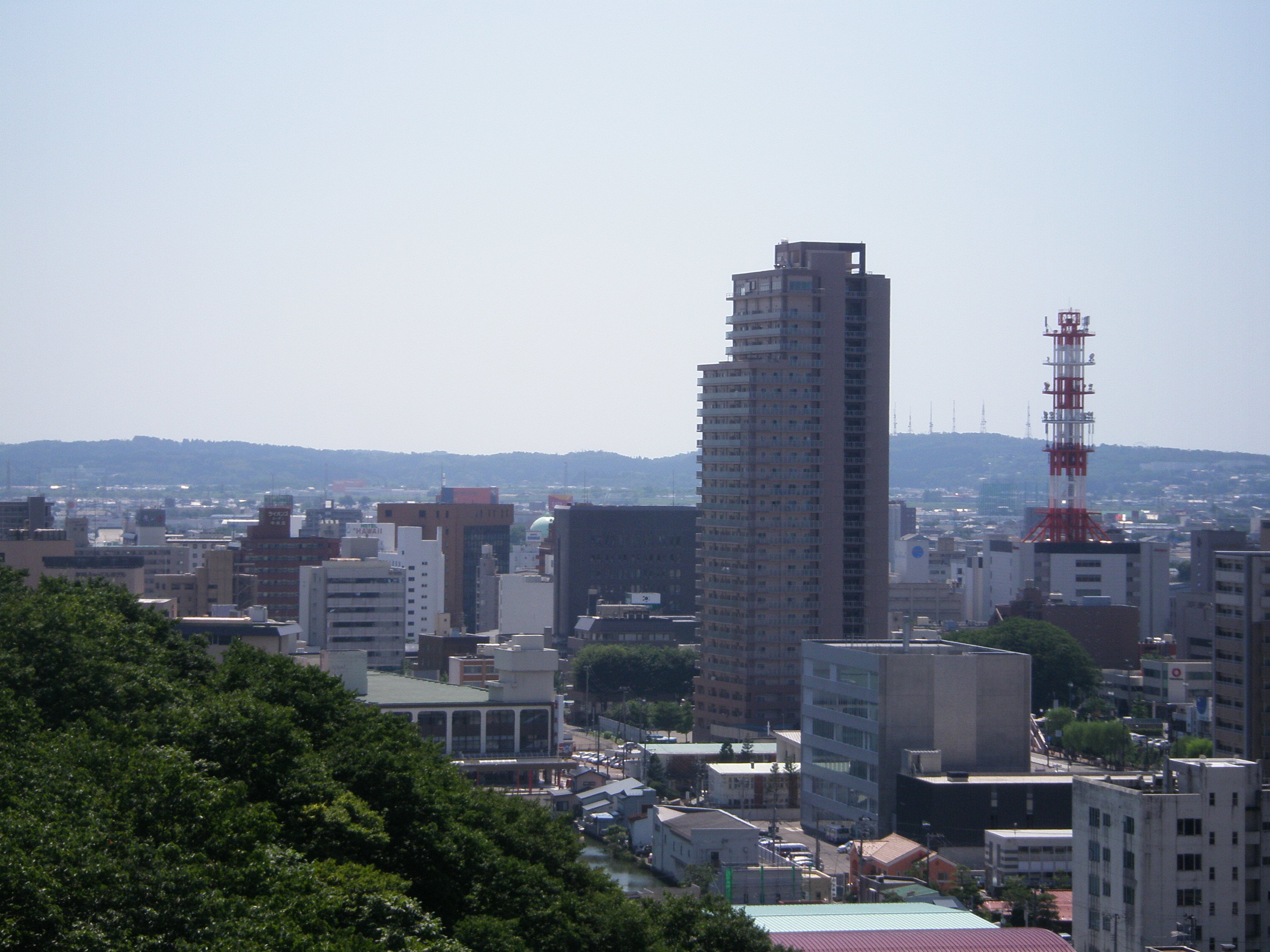
Allow at least an hour to stroll the full length of the canal district. Pick up a free walking map from the Tourist Information Center at Akita Station to identify the historic buildings and sake breweries along the route. The canal district connects naturally with Senshu Park, so you can easily combine both into a half-day of leisurely exploration.
Akita’s World-Class Sake Scene
If you’re a sake enthusiast — or even just sake-curious — Akita City may well be your personal paradise on Earth. Akita Prefecture is home to dozens of historic sake breweries, many of them operating continuously for two centuries or more, and the city itself is surrounded by the pure snow-melt water, high-quality Akita Komachi rice, and cold winters that sake brewing masters consider ideal conditions for producing premium nihonshu.
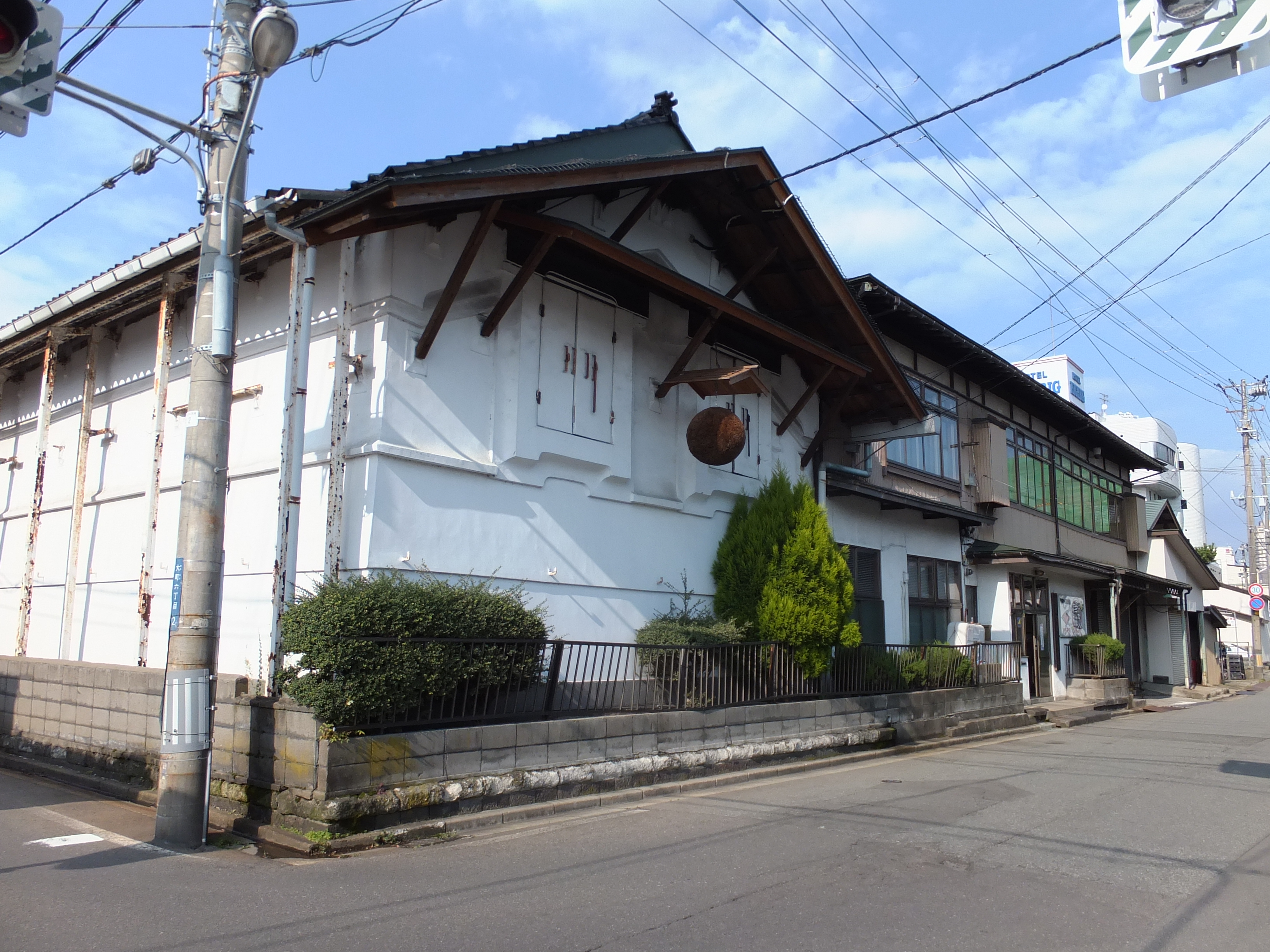
The most internationally celebrated of Akita’s breweries is Aramasa Shuzo (新政酒造), founded in 1852 and located just a few minutes walk from Senshu Park. Aramasa was one of the first breweries in Japan to pioneer the “no-addition” sake style — using only traditional ingredients (rice, water, koji, and their own centuries-old yeast strain) with no added alcohol or sugars. Their yamahai-style fermentation produces sake of extraordinary complexity and depth, and their bottles have become collector’s items sought by sake enthusiasts worldwide. The brewery itself is not open for casual tours, but their sake is widely available at specialty stores and restaurants throughout the city, and worth every yen.
For a more hands-on sake experience, the Akita Shuraku (秋田酒類製造), also known locally as “Takashimizu” after their flagship brand, offers guided brewery tours in Japanese with English handouts, sake tasting sessions, and a well-stocked shop. The brewery is located about 20 minutes by bus from the city center. Another excellent option is visiting one of Akita City’s sake specialty bars (sakeria) in the Kawabata-dori entertainment district, where knowledgeable staff can guide you through pairings of local sake with Akita cuisine.
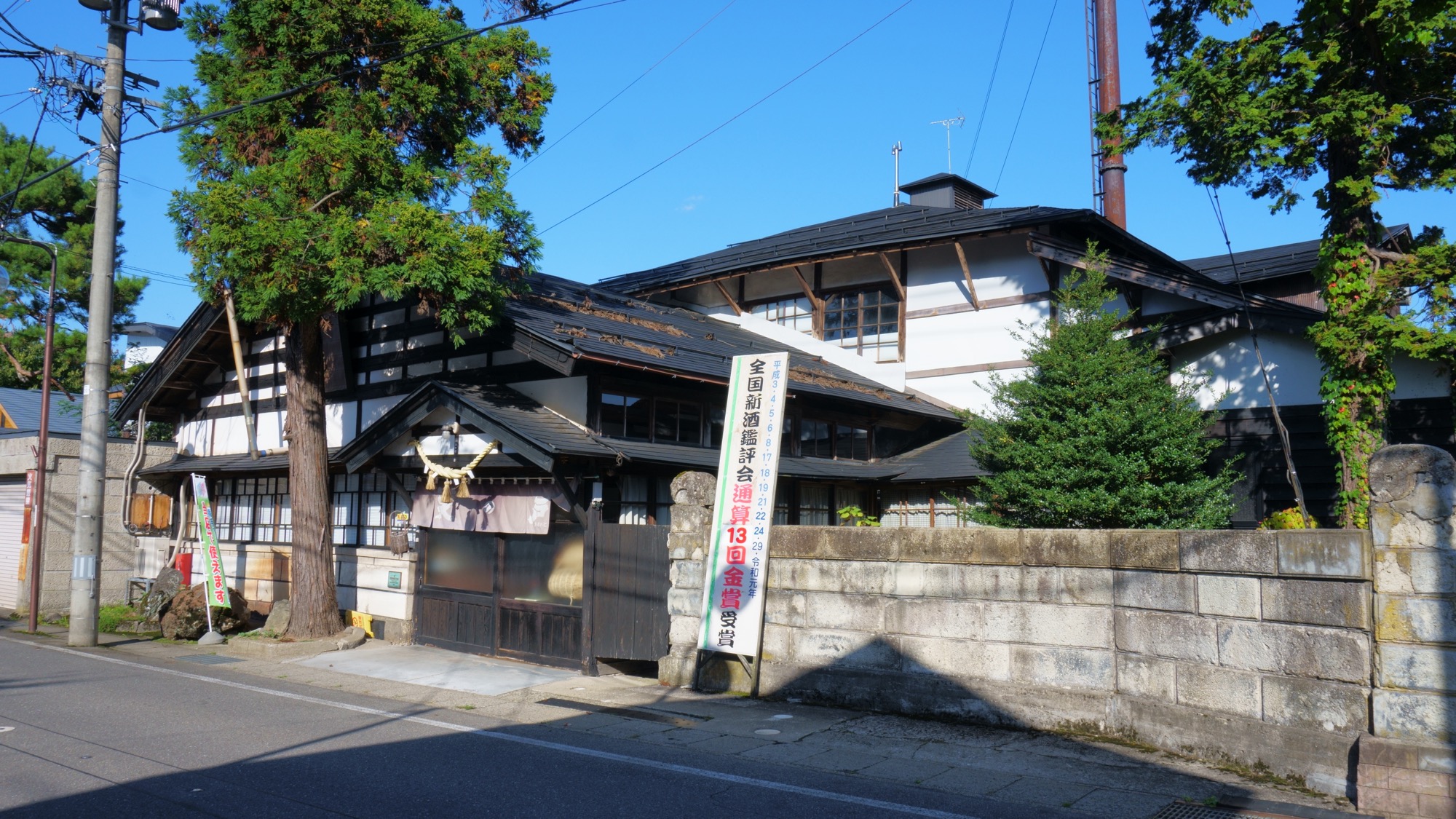
When choosing sake to try in Akita, look for these local breweries: Dewatsuru (由利本荘市), known for smooth, food-friendly junmai; Kariho, with complex aged styles; Hinomaru Jozo, producer of the cult “Manabito” label; and Saiya (雪の茅舎 brand), whose ginjo sake regularly wins national awards. Most izakayas in Akita City will offer a selection of 5–10 local labels, priced from ¥600–¥1,200 ($4–$8) per glass. Always start with the house recommendation — local staff know their sake.
The Akita Kanto Festival: August’s Gravity-Defying Spectacle
If there is one reason to plan your Akita City visit specifically around a certain date, it’s the Kanto Festival (竿燈まつり), held every year from August 3rd to August 6th along the main Kandori-dori avenue. Kanto is one of Japan’s three great Tohoku summer festivals — alongside Aomori’s Nebuta and Sendai’s Tanabata — and in the opinion of many Japan travel experts, it’s the most jaw-dropping of the three.
Each evening during the festival, hundreds of performers carry bamboo kanto poles — towering constructions hung with anywhere from 24 to 46 glowing paper lanterns — balanced on their palms, foreheads, shoulders, and even chins. The poles can reach 12 meters (40 feet) in height and weigh up to 50 kilograms (110 pounds). Watching a skilled performer toss a fully lit kanto pole from palm to palm, or balance it on their forehead while walking through a cheering crowd, is an experience that belongs in the same category as watching Olympic gymnastics: you know what you’re seeing is humanly possible, but your brain refuses to quite believe it.
The festival runs each evening from approximately 7:00pm to 9:30pm, with the 2-kilometer procession of kanto performers illuminating the avenue with thousands of paper lanterns. During the day, free daytime demonstrations are held at Senshu Park grounds (usually 10:00am–12:00pm) where you can even try balancing a mini-kanto yourself — a surprisingly difficult and hilarious experience. The festival is completely free to watch from the street, though paid bleacher seating is available for better views (book well in advance through the official festival website).
Best Time to Visit Akita City
- Spring (April–May): Cherry blossom season transforms Senshu Park into one of northeastern Japan’s most spectacular hanami venues. Late April is peak bloom, coinciding with Golden Week holidays. Crowds are present but manageable compared to famous spots like Tokyo or Kyoto. Temperatures are cool and pleasant: highs around 15°C (59°F).
- Summer (June–August): The Kanto Festival in early August is the undisputed highlight of Akita’s calendar. June and July can be rainy and humid; August is warm (highs around 28°C/82°F) but comfortable compared to southern Japan. The Sea of Japan coast offers beach access at nearby Oga Peninsula.
- Autumn (September–November): Arguably the best season for unhurried visitors. Foliage peaks in mid-October to early November, the weather is crisp and clear, sake breweries begin their new-season pressing (shiboritate), and the summer crowds have completely dispersed. Highly recommended for food and sake lovers.
- Winter (December–February): Akita City receives significant snowfall (average 1–2 meters cumulative), and temperatures regularly drop to -5°C (23°F). But winter has its own magic: the Kamakura Snow Festival in nearby Yokote (February) features hundreds of igloo-like snow huts lit by candles, and Akita City itself takes on a hushed, beautiful quality under fresh snow. Senshu Park’s illuminated snow landscapes are memorable.
Where to Eat: Akita City Food Guide
Akita City’s culinary scene is rooted in centuries of cold-climate ingenuity — preserved fish, fermented sauces, hearty hot pots, and slow-fermented sake have defined this prefecture’s food culture for hundreds of years. Here’s what to eat and where to find it.
Kiritanpo Nabe — Akita’s Iconic Hot Pot
Kiritanpo (きりたんぽ) is Akita’s most famous dish: freshly cooked Akita Komachi rice is mashed, molded onto cedar skewers, grilled over charcoal until slightly crispy, then cut into rounds and added to a rich chicken broth hot pot with burdock root, mitsuba, leek, and mushrooms. The result is a deeply comforting, umami-rich dish that encapsulates everything about Akita’s winter cooking. The best version uses shottsuru (秋田しょっつる) — a complex, century-old fermented fish sauce made from sandfish (hatahata) — to season the broth, adding a savory depth unlike anything else in Japanese cuisine.
Where to eat it: Kiritanpo Akita-ya (秋田屋), a beloved local institution near Senshu Park, has been serving traditional kiritanpo nabe for decades. Set menus start around ¥2,500 ($17) per person. For a slightly more upscale experience, Nihonryori Somushi in the Kawabata-dori area uses premium local ingredients and offers sake pairing menus from ¥5,000 ($34) per person. If you’re cooking your own meal at a ryokan, ask staff to help you order kiritanpo ingredients from a local market — the experience of preparing it yourself is unforgettable.
Hatahata — The Sacred Sandfish of Akita
Hatahata (ハタハタ) — a small, silvery sandfish that spawns along Akita’s Sea of Japan coast every November — is the fish that defines Akita’s food identity. It appears roasted simply with salt, simmered in sweet soy sauce, as sushi (fresh hatahata is exceptional when in season), and as the raw material for shottsuru fish sauce. The fish is fatty, mild, and extraordinarily tender when fresh — nothing like the dried or fermented versions you may encounter elsewhere. Look for “kaba-yaki” (teriyaki-style) hatahata as a drinking snack in izakayas, or ask for it sashimi-style if you’re visiting between November and January.
Where to eat it: The covered shopping arcade Nishiki-machi near Akita Station has several izakayas specializing in Akita seafood. Ask for seasonal hatahata at the counter — staff are proud to talk about their local fish. Prices typically run ¥800–¥1,500 ($5–$10) for a plate.
Inaniwa Udon — Japan’s Most Delicate Noodles
While technically from Yuzawa City (about 1 hour south of Akita by train), Inaniwa udon (稲庭うどん) is the noodle of Akita Prefecture and widely available throughout Akita City. These hand-stretched, air-dried noodles are thinner and silkier than standard udon — almost halfway between udon and somen — with a uniquely smooth texture that makes them supremely satisfying either cold (with a dipping sauce) or warm (in a light dashi broth). They’ve been made by the same Sato family in Inaniwa for nearly 350 years, and are one of Japan’s three great noodle traditions alongside Kyoto’s kaiseki-style soba and Nagasaki champon.
Where to eat it: Udon Hirota near Akita Station serves outstanding Inaniwa udon sets from ¥900–¥1,500 ($6–$10). Department store basement food halls (particularly the Ito-Yokado near the station) also sell premium dry Inaniwa udon as a gift — perfect if you want to recreate the experience at home.
Akita’s Izakaya Culture
The Kawabata-dori district (川反通り), a lively entertainment area about 10 minutes walk from Akita Station, is where the city’s izakaya culture concentrates. On weekend evenings, this district hums with businesspeople, students, and curious visitors moving between sake bars, yakitori stalls, and seafood restaurants. Prices here are extremely reasonable by Japanese standards: expect to spend ¥3,000–¥5,000 ($20–$34) per person for food and drinks at a typical izakaya. The district also has excellent counter-style sushi restaurants where you can eat exceptional fresh seafood from the Sea of Japan at about half Tokyo prices.
Where to Stay in Akita City
Budget (Under ¥8,000 / $55 per night)
Akita City has a small but good selection of budget options. Dormy Inn Akita (ドーミーイン秋田) is a reliable business hotel chain with clean rooms, an in-house onsen bath, and free breakfast — excellent value around ¥6,500–¥8,000 ($44–$54) per night for a single room. The Route Inn Akita is another solid budget choice close to the station.
Mid-Range (¥8,000–¥20,000 / $55–$135 per night)
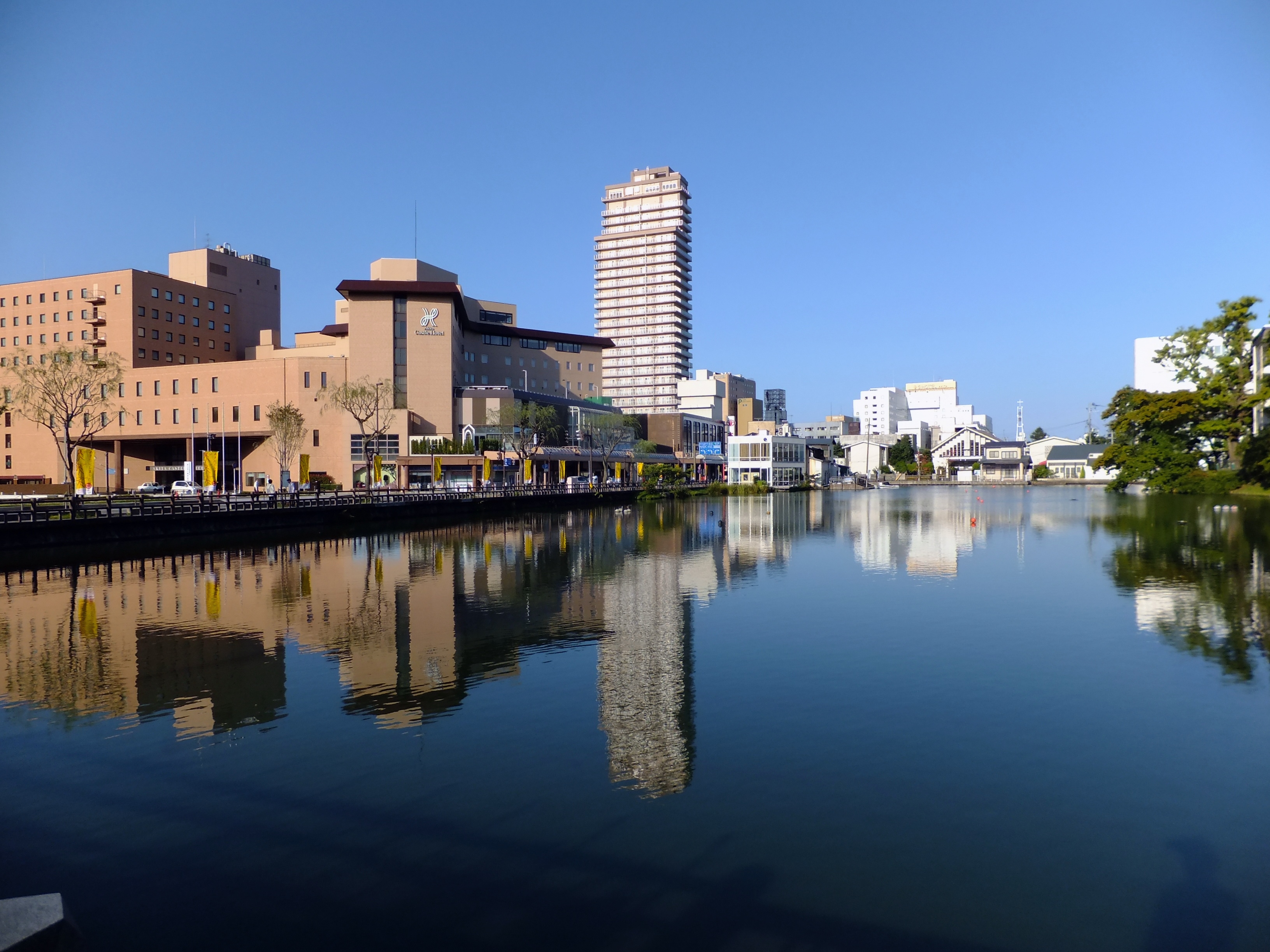
The Hotel Metropolitan Akita (ホテルメトロポリタン秋田), directly connected to Akita Station, offers comfortable rooms, multiple restaurants, and excellent service in the ¥10,000–¥15,000 ($68–$100) range. For something more distinctive, the Akita Castle Hotel near Senshu Park offers traditional-meets-modern rooms and a rooftop view over the park.
Luxury (¥20,000+ / $135+ per night)
For the full Japanese experience, consider booking a night at a local ryokan. Ryokan Shimizu in Akita City or the historic inns in nearby Nyuto Onsen Village (about 90 minutes away) offer kaiseki dinners using local seasonal ingredients, private onsen baths, and the full tatami room experience. Budget ¥25,000–¥45,000 ($170–$305) per person including dinner and breakfast.
Practical Tips for Visiting Akita City
- Get an IC card: Load a Suica or PASMO card at Akita Station for easy bus and train travel throughout the city. Most local buses cost ¥200–¥300 ($1.35–$2) per trip.
- Cash is still king: While central restaurants and hotels accept credit cards, many smaller izakayas and specialty shops in Akita are cash-only. Always carry ¥5,000–¥10,000 ($34–$68) in cash. ATMs at 7-Eleven and Japan Post accept international cards.
- Pick up a tourist map: The Akita City Tourist Information Center inside Akita Station (east exit, ground floor) has excellent English maps of the city and helpful staff. Open daily 9:00am–7:00pm.
- Book Kanto Festival tickets early: If visiting in August, paid bleacher seating for the Kanto Festival evening procession sells out weeks in advance. Book through the official Kanto Festival website or through your hotel concierge.
- Sake etiquette: In traditional sake bars, it’s polite to pour for your companions before pouring for yourself. When someone pours for you, hold the cup slightly off the table and return the gesture when appropriate. Saying “kanpai” (cheers) before the first sip is customary.
- Hot spring day trip: Nyuto Onsen Village (乳頭温泉郷), 90 minutes from Akita City by local bus or rental car, is one of Japan’s finest hot spring destinations. The rustic thatched-roof baths at Tsurunoyu Onsen are legendary. A day trip is possible but an overnight stay is highly recommended.
- Weather preparation: Akita City can be genuinely cold from November through March. Bring layers, waterproof shoes, and a compact umbrella — the Sea of Japan coast receives significant precipitation year-round.
- Best souvenir: A bottle of local Akita sake (ask staff to recommend something “junmai ginjo” or “junmai daiginjo” from an Akita brewery) is the perfect souvenir. Most airport duty-free shops in Akita also stock good local sake selections, though in-city specialty stores like Yamaya offer better variety and prices.
- Day trip options: From Akita City you can easily day-trip to Kakunodate (40 min by Shinkansen, famous samurai district), Lake Tazawa (50 min, Japan’s deepest lake), and the Oga Peninsula (90 min by train, famous for Namahage folk tradition). A rental car opens up even more options.
- Language: English signage is limited outside the main tourist areas. Download the Google Translate app and use the camera translation function — it works well for Japanese menus and signs.
Sample 2-Day Akita City Itinerary
Day 1: Castle, Culture & Sake
8:30am: Arrive at Akita Station on the morning Komachi Shinkansen from Tokyo. Check in to your hotel (most will store luggage if your room isn’t ready) and grab a morning coffee at one of the kissaten (coffee shops) near the station.
9:30am: Walk west to Senshu Park (10 minutes). Spend 1.5–2 hours exploring the castle grounds: walk the Anamon no Hori canal perimeter, climb the Osumi Watchtower for city views, and photograph the Omote-mon gate. In cherry blossom season, plan to linger longer — the park is extraordinarily beautiful at this time.
11:30am: Visit the Akita Museum of Art to see Foujita’s monumental panoramic painting (30–45 minutes).
12:30pm: Lunch at a restaurant in the Dote-Nagamachi district or the covered shopping arcade — try Inaniwa udon for your first real taste of Akita.
2:00pm: Explore the historic Anamon no Hori canal district on foot, identifying the old samurai earthen walls (dobe) and sake brewery buildings along the way.
4:00pm: Sake tasting at a local sake specialty bar or restaurant — ask to try three or four different styles (junmai, ginjo, and a “new sake” shiboritate if visiting in autumn or winter).
6:30pm: Dinner in the Kawabata-dori district. Start with hatahata no kaba-yaki (grilled sandfish), move to kiritanpo skewers or a small hot pot, and finish with local sake. Budget ¥3,500–¥6,000 ($24–$41) per person.
Day 2: Day Trip & Local Markets
7:00am: Early morning stroll through Senshu Park (excellent for photography with soft morning light and minimal crowds).
8:00am: Quick breakfast at your hotel or a nearby bakery — Akita has excellent artisan bread shops influenced by the region’s wheat-growing tradition.
9:00am: Take the train to Kakunodate (40 minutes, ~¥2,000/$14 by Shinkansen or ¥690/$5 by limited express) to visit the remarkably well-preserved samurai district, with its 300-year-old weeping cherry trees and historic samurai residences. Return to Akita City in the early afternoon.
2:00pm: Browse the souvenir shops and department store basement food halls near Akita Station — stock up on Inaniwa udon, local sake, and regional sweets (Akita’s “babahera” ice cream is a local institution you can find from street vendors in warmer months).
4:00pm: If time allows, visit the Atorion concert hall building’s observation deck for a final panoramic view over the city before heading to your departure.
6:30pm: Take the evening Komachi Shinkansen back to Tokyo, arriving around 10:30pm — a perfect way to end a memorable Akita experience.
Related Articles You Might Enjoy
- Akita Nairiku Jukan Railway: Japan’s Most Beautiful Secret Train Journey Through the Mountains
- Akita Dog & Odate: Meeting Japan’s Most Loyal Breed in Its Birthplace
- Hachimantai Plateau: Complete Guide to the Volcanic Highland Paradise on the Akita-Iwate Border
- Lake Tazawa Akita: Complete Travel Guide to Japan’s Deepest & Most Magical Lake
- Kakunodate Samurai District: Your Complete Akita Japan Travel Guide
Final Thoughts
Akita City is the kind of place that rewards the traveler who’s willing to venture a little further off the standard Japan tourist circuit. It’s not as immediately dramatic as Tokyo or as historically polished as Kyoto, but it offers something those cities can’t: authenticity, genuine local warmth, extraordinary food and drink, and the quiet pleasure of discovering a corner of Japan where you’re genuinely a guest rather than just another tourist. Whether you’re drawn by the gravity-defying spectacle of the Kanto Festival, the meditative beauty of Senshu Park in autumn, or the prospect of drinking world-class sake from centuries-old breweries while locals share their city’s stories with you — Akita City will not just meet your expectations. It will gently, quietly, and permanently exceed them. Book the ticket. You’ll be glad you did.


コメント