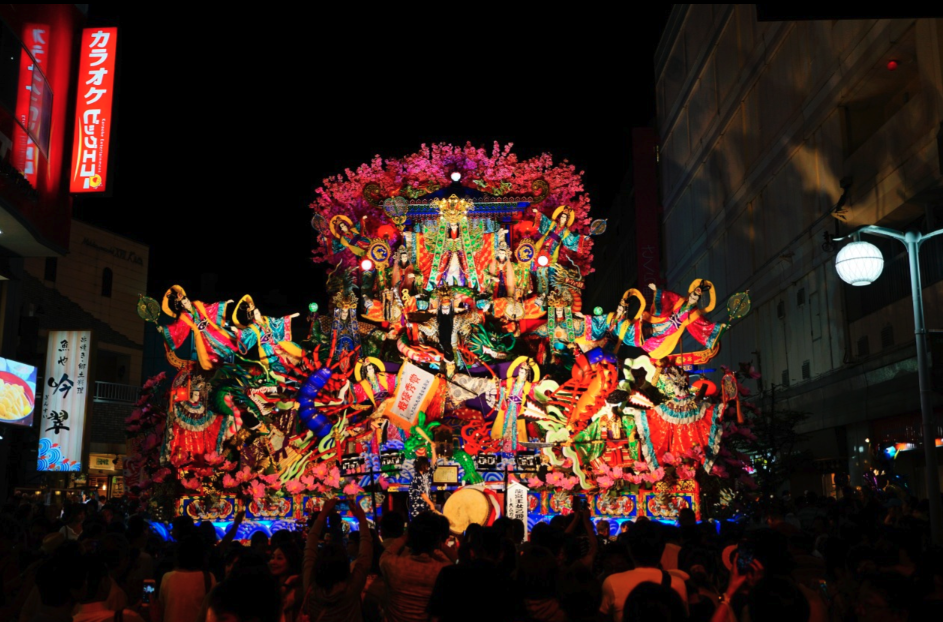
Just three hours north of Tokyo by bullet train, Hachinohe is one of those rare Japanese cities that remains almost entirely off the foreign tourist radar — and that’s exactly what makes it so extraordinary. This gritty, proud fishing port in southern Aomori Prefecture is home to a UNESCO-recognized festival unlike anything you’ve seen, an island blanketed by thousands of nesting seabirds, and some of the freshest, most magnificent seafood in all of Japan. If you’re looking for authentic Tohoku life far from the selfie sticks and souvenir crowds, Hachinohe is your answer.
Why Hachinohe Should Be on Every Japan Itinerary
Hachinohe (pronounced “hachi-no-hey”) is Aomori Prefecture’s second-largest city, with a population of around 230,000, and it punches far above its weight in terms of things to see and do. Unlike most Japanese cities that rely on a single famous attraction, Hachinohe layers experiences: a world-class festival, a rare wildlife sanctuary, a centuries-old morning market, and a fishing port that puts Tsukiji to shame for pure, unfiltered authenticity.
The city’s location on the Pacific Coast of Tohoku means it benefits from cold, nutrient-rich Oyashio Current waters — the same ocean current responsible for making Sanriku seafood some of the most prized in Japan. Hachinohe is the third-largest fishing port in Japan by catch volume, and locals eat accordingly. You’ll find seafood here — especially squid, mackerel, saba (horse mackerel), and salmon — that would be served in white-tablecloth restaurants in Tokyo, sold at casual market stalls for a few hundred yen.
What makes Hachinohe unique for Western visitors isn’t just its food or its festival — it’s the feeling of discovering something real. The city went through serious hardship during and after the 2011 Tohoku earthquake and tsunami, and the resilience of the local community is palpable in its bustling markets, its festive traditions, and the way locals take enormous pride in their city. There’s none of the tourism fatigue you might sense in Kyoto or Tokyo — people here are genuinely glad to see you.
Getting There from Tokyo
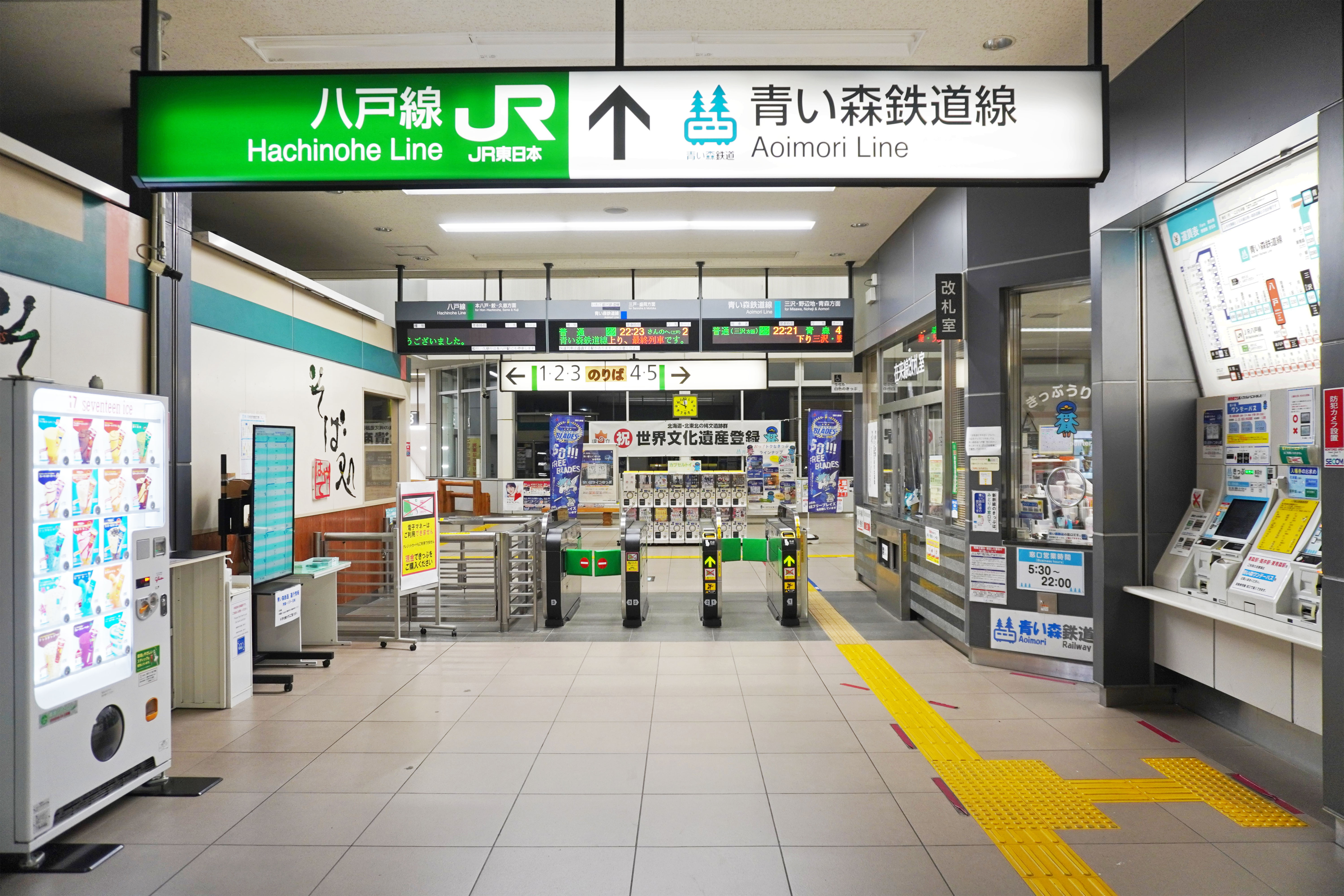
- Shinkansen (recommended): Take the Tohoku Shinkansen from Tokyo Station to Hachinohe Station. The fastest Hayabusa trains make the journey in about 2 hours 50 minutes. Cost: ¥16,340 (~$110 USD) one-way unreserved. The JR Pass covers this route.
- From Shin-Aomori: If you’re coming from Aomori City, take a local JR Tohoku Main Line train south to Hachinohe — about 45 minutes (¥1,170 / ~$8 USD).
- From Morioka: Shinkansen to Hachinohe is just 35 minutes (¥3,900 / ~$26 USD).
- Bus: Overnight highway buses run from Tokyo (Shinjuku/Ikebukuro) to Hachinohe for around ¥5,000–¥8,000 (~$33–$54 USD). Takes 8–9 hours but saves on accommodation.
- By car: Follow the Tohoku Expressway from Tokyo — approximately 600 km (375 miles), around 7 hours without stops.
Note: The JR Pass fully covers the Tohoku Shinkansen to Hachinohe. If you’re planning to visit multiple Tohoku cities, a JR Pass can be excellent value. Hachinohe Station has two sides — the East Exit (for most hotels and central areas) and the West Exit (for some specific attractions). Most sights require a bus or taxi from the station.
Hachinohe Sansha Taisai: Japan’s Most Dramatic Festival Floats
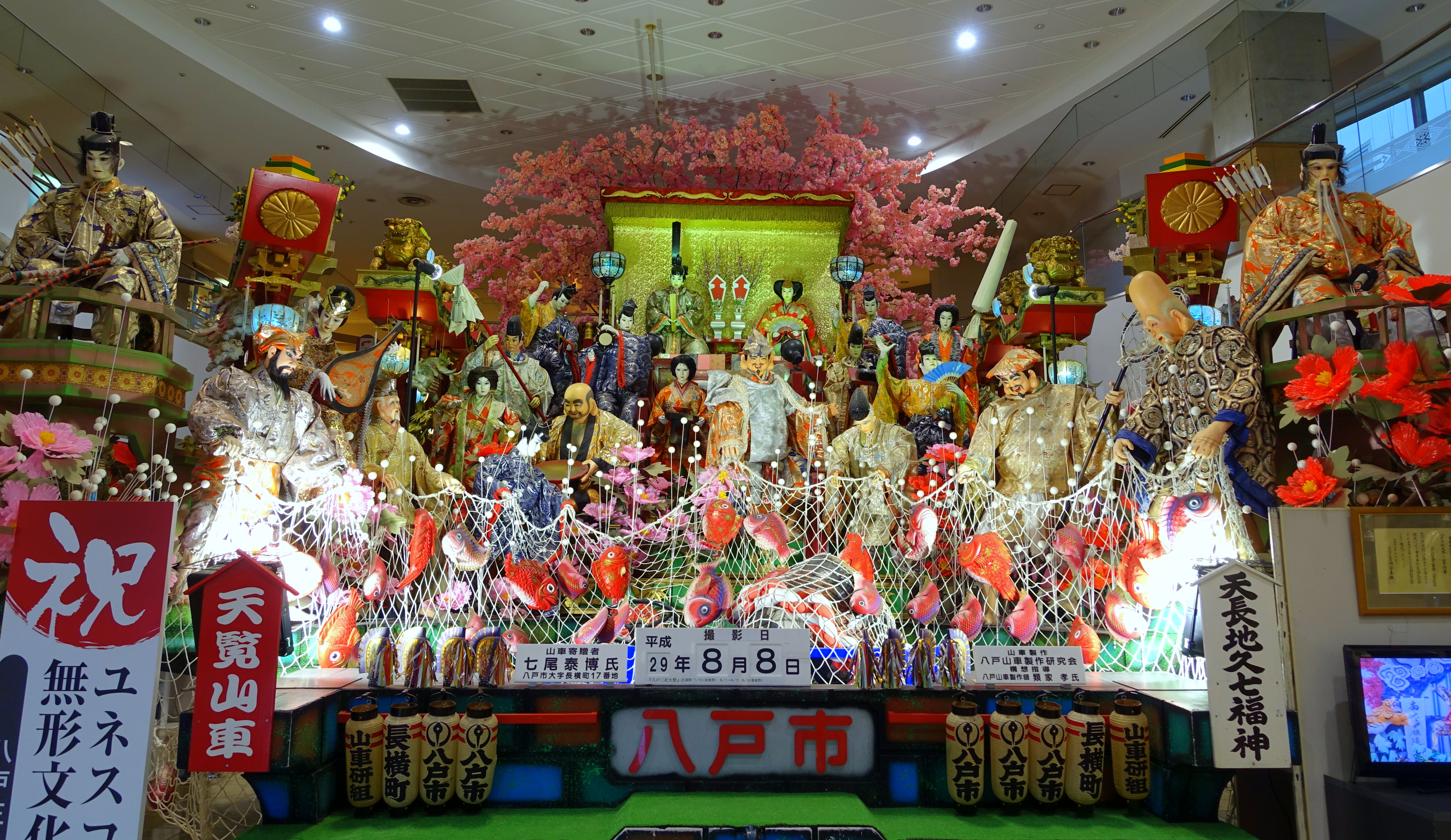
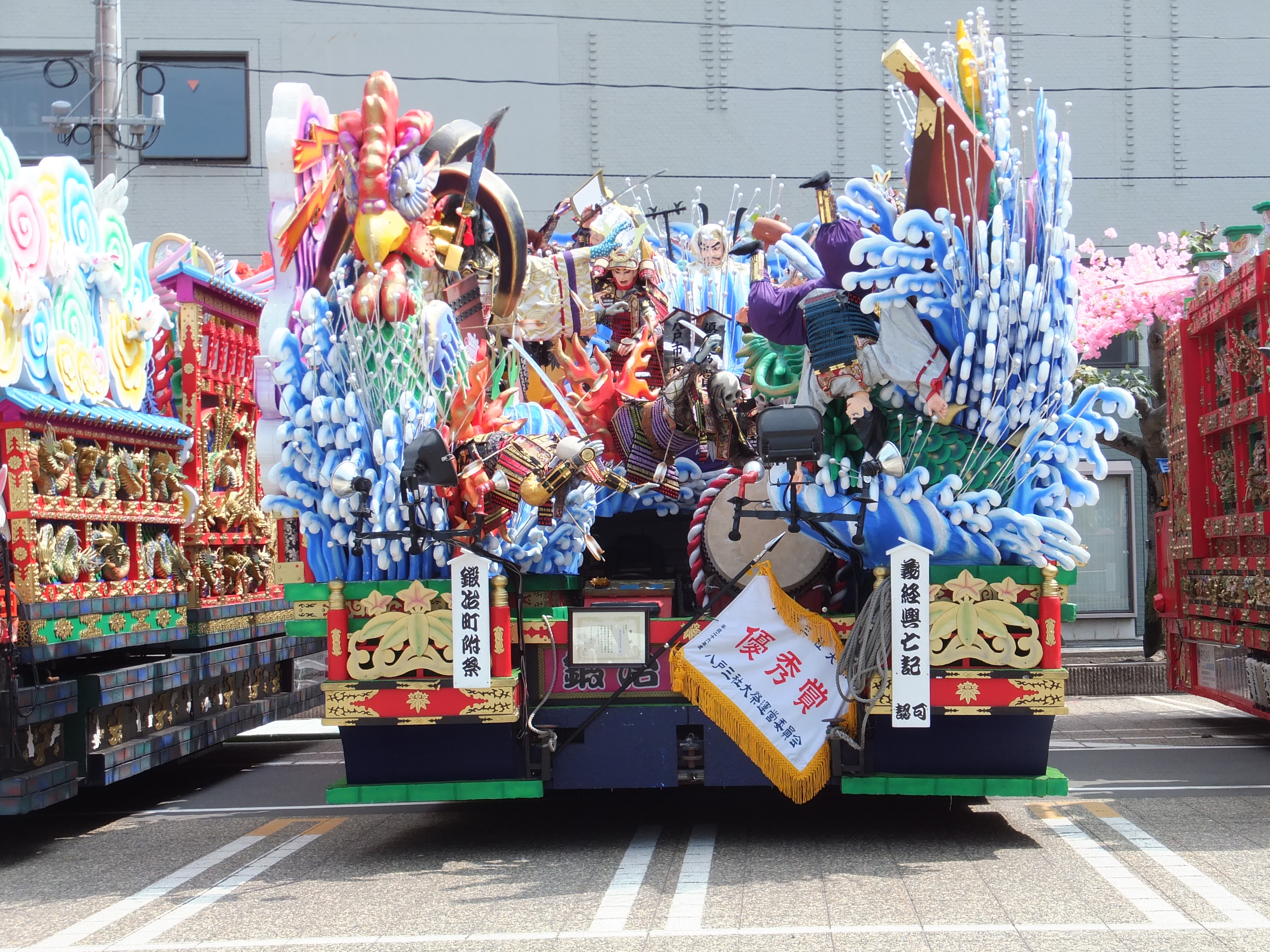
If you can arrange your visit for late July to early August, the Hachinohe Sansha Taisai (八戸三社大祭) is one of Japan’s most spectacular and least-known festivals. Designated as a UNESCO Intangible Cultural Heritage in 2019, this centuries-old celebration spans five days from July 31 to August 4 and involves an extraordinary procession of approximately 28 massive float groups (dashi) marching through the city streets.
What makes Sansha Taisai different from other Japanese matsuri is the floats themselves. These aren’t merely decorative platforms — they’re elaborate theatrical productions on wheels, each depicting scenes from Japanese mythology, history, and folklore, with actors in full period costume performing dramatic tableaux vivants as the floats parade past. The floats often reach 5 meters (16 feet) in height and are pulled by large teams through the city’s main streets, accompanied by hayashi musicians playing traditional instruments.
The festival honors three local shrines — Shinra Shrine, Nagamine Shrine, and Ogami Shrine — and has been celebrated in some form for over 300 years. The atmosphere is electrifying: the city fills with hundreds of thousands of visitors, the streets smell of yakitori and takoyaki, and the sound of drums and flutes fills the air from dawn until late at night. Unlike Aomori’s Nebuta Festival (which also happens in August), Sansha Taisai draws almost no foreign visitors — giving you an authentic, unfiltered experience.
Pro tip: If you’re visiting during the festival, book accommodation months in advance — the city fills up completely. The main parade routes are in the city center near Hachinohe City Office. Arrive at least 30 minutes before the parade starts to secure a good viewing spot along the street.
Kabushima Island: Japan’s Unexpected Bird Sanctuary
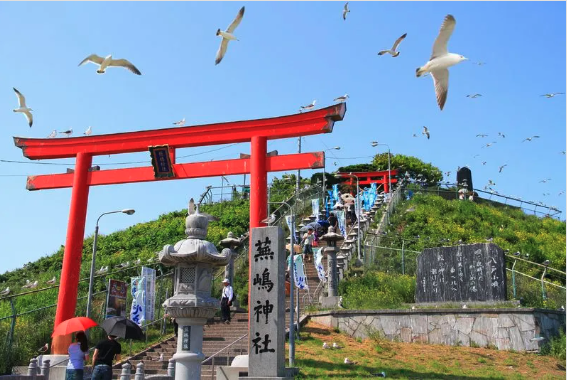
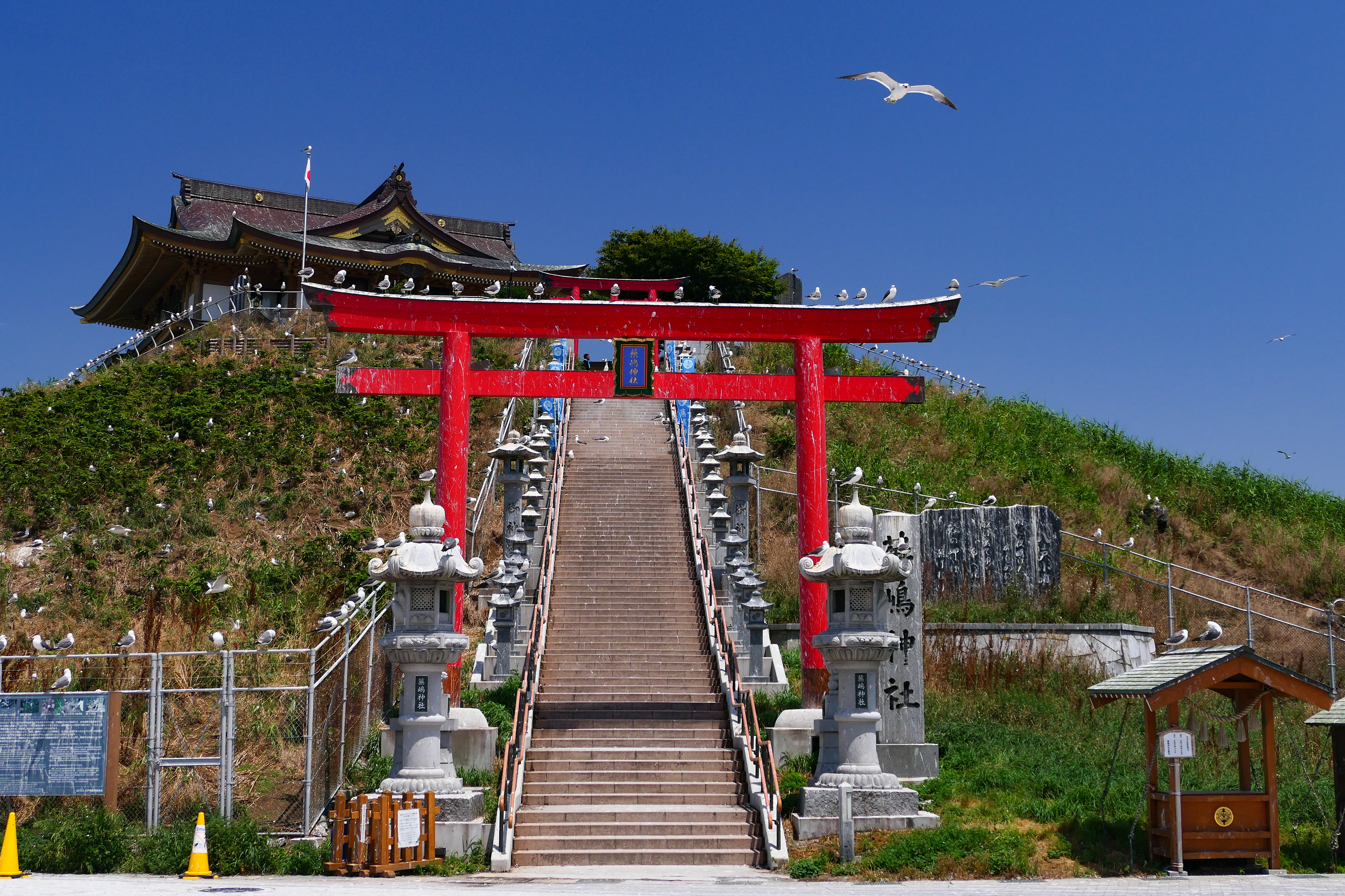
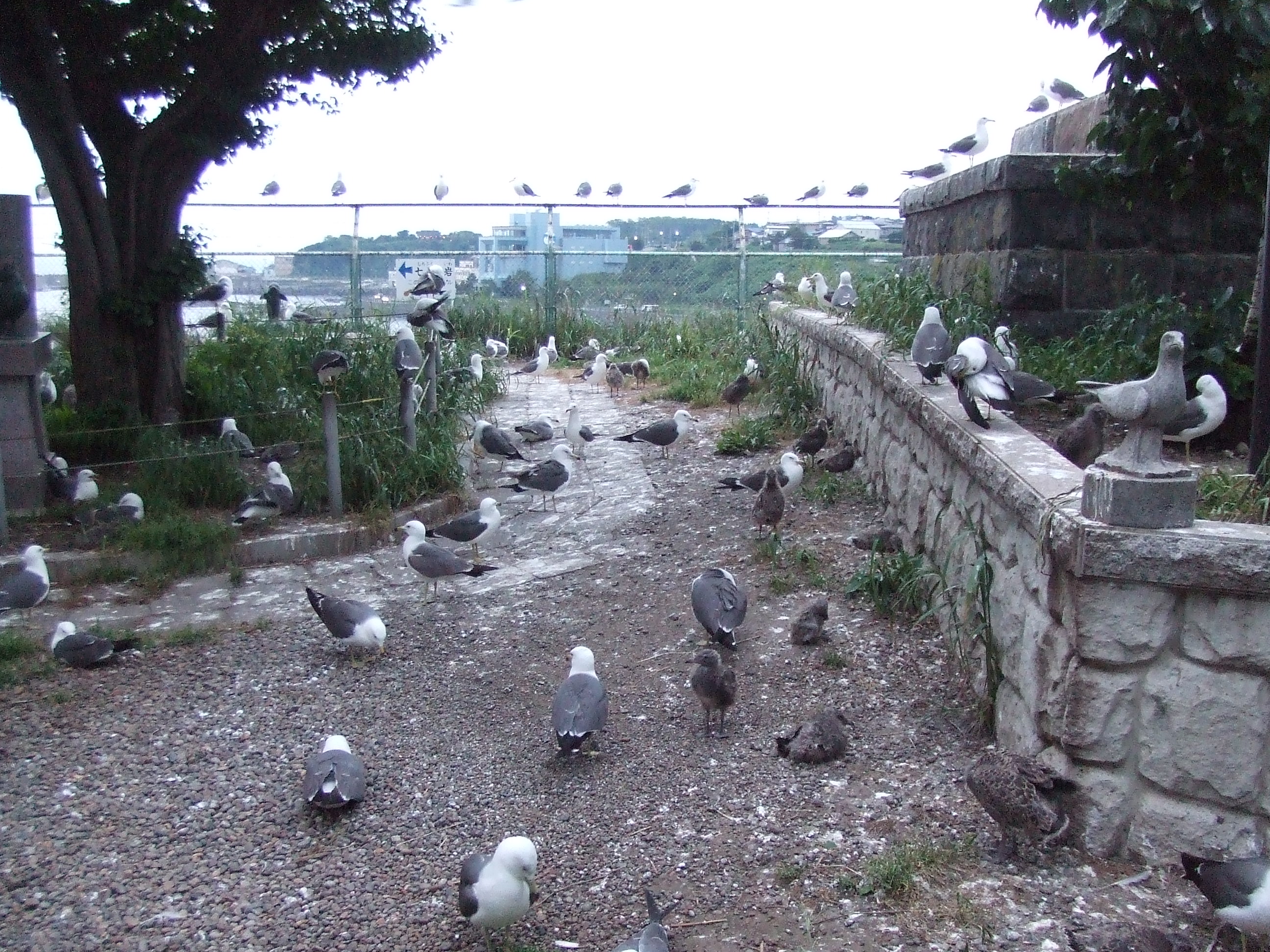
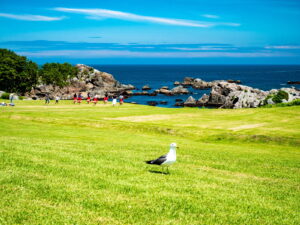
Just 15 minutes by bus from Hachinohe Station, Kabushima is one of the most remarkable wildlife spectacles in Japan — and almost no foreigners know it exists. This small rocky island, connected to the mainland by a short causeway, is one of the largest nesting colonies of black-tailed gulls (umineko) in the world, with approximately 40,000 birds returning here every spring to breed.
From around mid-March to late July, the island transforms into a cacophonous, feathery wonderland. Every rock, every shrub, every available flat surface is claimed by nesting pairs of white-and-grey umineko gulls, which are slightly smaller than the herring gulls familiar to American or European visitors. The sound is extraordinary — a constant, swelling chorus of hundreds of thousands of calls that you can hear from the mainland. The smell is… also something you’ll remember.
A wooden boardwalk winds through the nesting colony, allowing visitors to walk within arm’s reach of the birds, which are remarkably unbothered by human presence during nesting season. It’s genuinely unlike anywhere else in Japan — a kind of Galapagos moment in the middle of an industrial fishing city. The island also has a small shrine, Kabushima Shrine, which has been there for centuries and gives the island its somewhat otherworldly atmosphere. The shrine is dedicated to Benzaiten, the goddess of music, water, and good fortune.
Outside of nesting season (August onwards), the birds disperse to the open ocean, but the island and shrine remain beautiful and worth visiting. Admission is free. The best time to visit is May and June, when both the birds and the weather are at their best. Wear clothes you don’t mind getting decorated by enthusiastic bird life.
Hachinohe Morning Market: One of Japan’s Living Traditions
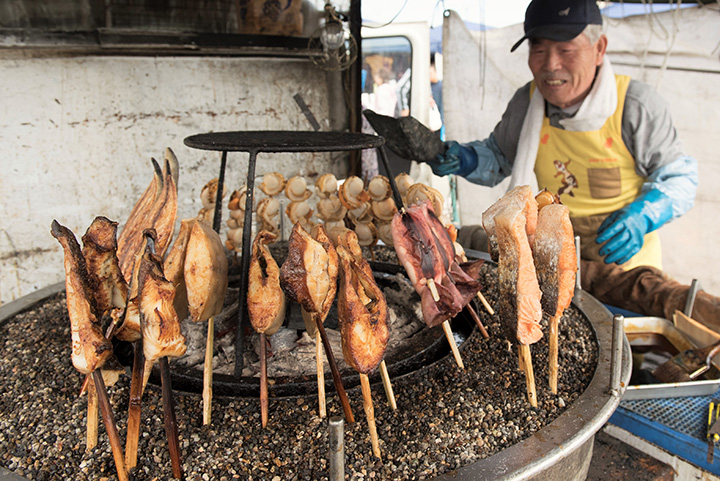
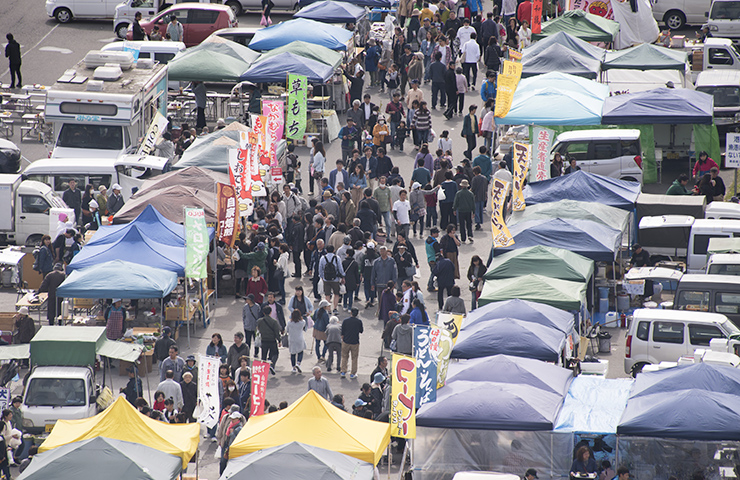
The Hachinohe Morning Market (館鼻岸壁朝市 — Tate-hana Gankabe Asa-ichi) is one of the most exhilarating food experiences in all of Tohoku, and arguably one of the best morning markets in Japan. Every Sunday from mid-March to late December (4am to 9am), the Tatehana Pier transforms into a massive outdoor market with over 300 stalls selling everything from fresh-caught seafood and smoked fish to vegetables, pickles, crafts, and hot prepared foods.
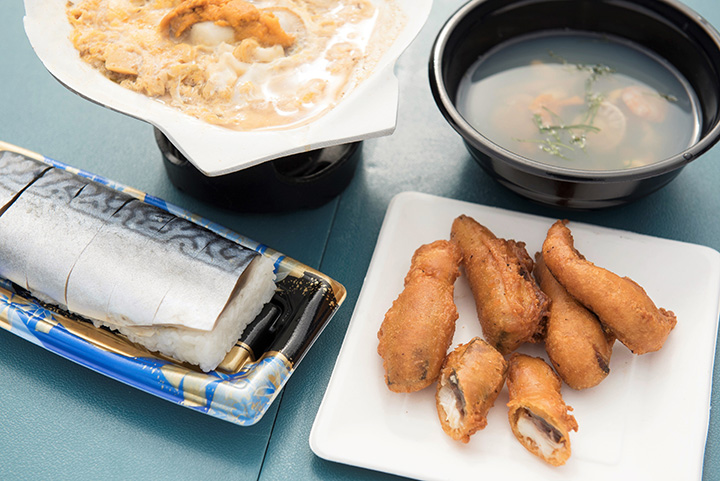
The scale of this market is genuinely stunning. The pier stretches for about 500 meters (0.3 miles) and packs in vendors selling the full abundance of Sanriku’s seas: whole octopus, fresh squid, still-wriggling clams, rows of silver mackerel, dried sea urchin, and seafood prepared every way imaginable. You’ll find vendors grilling whole fish over charcoal, selling boxes of fresh uni (sea urchin) that would cost three times the price in Tokyo, and stalls where you can eat hot kaisen-don (seafood rice bowls) for around ¥500–¥1,000 (~$3.50–$7 USD).
The market opens at 4am (!) and the most serious food action happens between 5am and 7am, when the light is beautiful and the stalls are fully stocked. Yes, you’ll need to wake up extremely early — but trust us on this one, it’s absolutely worth it. Arriving after 8am means the best seafood is gone and the pier starts to thin out. Take bus no. 11 or 14 from Hachinohe Station to Tatehana, or take a taxi (approximately ¥1,000–¥1,500 / ~$7–$10 USD).
Hachinohe Seafood Culture: The City’s Greatest Treasure
Beyond the morning market, Hachinohe’s identity is fundamentally shaped by the sea. Onahama Port (just south of the city) and Hachinohe Port together handle enormous catches of Pacific saury (sanma), mackerel, squid, salmon, and shellfish. When you eat in Hachinohe, you’re eating food from one of Japan’s most productive fishing grounds.
The local specialty to know is senbei-jiru (煎餅汁) — a hearty, soy-based hot pot made with flat, hard rice crackers (nanbu senbei) that slowly soften and absorb the rich broth, along with chicken, mushrooms, leeks, and root vegetables. This is pure Hachinohe comfort food, eaten in cold winter months, and it’s found on the menu of practically every traditional izakaya and restaurant in the city. Think of it as the Hachinohe equivalent of Akita’s kiritanpo nabe — another rice-based hot pot that defines regional identity.
Ikameshi (stuffed squid rice) is another local obsession. Fresh squid from the port is stuffed with seasoned rice and simmered in a soy-based sauce until both the rice and the squid are melt-in-your-mouth tender. You’ll find it at the morning market, in supermarkets, and in many restaurants around town for around ¥300–¥500 (~$2–$3.50 USD) — incredible value for such a sophisticated dish.
Hachinohe is also home to a significant sake brewing tradition. The area’s cold climate, pure snowmelt water from Towada-Hachimantai National Park, and locally grown rice make it ideal sake country. Look for brands like Mutsu Hassen and Nanbu Bijin when you’re dining in the city — both are excellent and widely available.
Best Time to Visit
- Spring (March–May): The best time for Kabushima — the black-tailed gulls begin nesting in March and the island is magnificent by April-May. Cherry blossoms typically appear in mid-April. The morning market reopens in mid-March. Temperatures range from 4°C to 16°C (39–61°F) — bring layers.
- Summer (June–August): The Hachinohe Sansha Taisai festival (July 31–August 4) is the unmissable highlight of summer. Kabushima is in full nesting mode through July. Temperatures are pleasant: 18°C–25°C (64–77°F) with some humidity. This is peak season — book early.
- Autumn (September–November): Hachinohe’s Pacific Coast doesn’t get the same autumn foliage as more mountainous Tohoku areas, but the fishing season is in full swing and the morning market is at its most abundant. Temperatures drop from 20°C to 5°C (68–41°F). A beautiful, uncrowded time to visit.
- Winter (December–February): The morning market closes in late December. Cold and occasionally snowy, but the city’s izakayas are warm and welcoming. Senbei-jiru season! Temperatures regularly drop below freezing (-3°C to 3°C / 27–37°F). Pack seriously warm clothes.
Where to Eat: Hachinohe Food Guide
Hachinohe’s food culture centers around the port and the izakayas that surround it. Forget fine dining — the best eating here is at counters with plastic curtains in the windows and menus written on hand-lettered boards. Prices are remarkably cheap by Japan standards.
Minato Shokudo (湊食堂)
Near the fish market area, this modest diner serves the kind of breakfast set that will ruin you for all other breakfasts: a bowl of rice, grilled fish, miso soup made with fresh clams, pickles, and a piece of grilled salmon roe (ikura). Sets run ¥650–¥1,200 (~$4.50–$8 USD). Opens early — usually from 6am. The food is so fresh it barely needs cooking.
Ichiban-tei (一番亭)
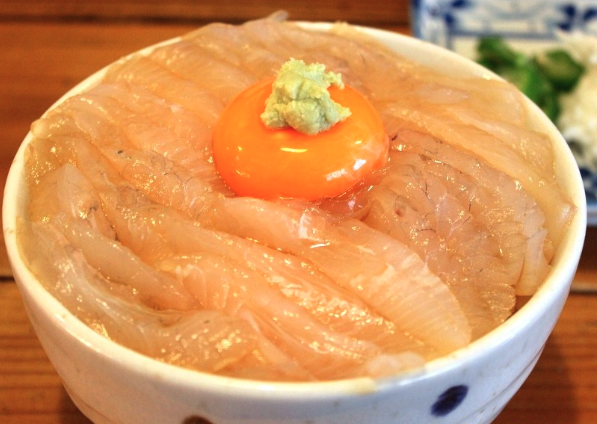
An excellent example of Hachinohe’s izakaya culture, Ichiban-tei specializes in senbei-jiru and fresh squid dishes. The ikameshi here is particularly celebrated — order the whole stuffed squid and eat it in stages, savoring how the rice and squid flavors merge. Expect to spend ¥2,000–¥4,000 (~$13–$27 USD) for a full meal with drinks. Located in the central shopping district near Hachinohe Station.
The Morning Market Itself
Don’t underestimate the morning market as a dining destination. Many stalls at the Sunday Tatehana market serve prepared food: hot seafood rice bowls, grilled fish, steamed crab, clam soup, and even senbei-jiru on colder mornings. This is your best opportunity to eat outstanding seafood for almost nothing — budget ¥1,000–¥2,000 (~$7–$13 USD) for a full market breakfast.
Hachinohe Sake Bars
The city has a growing sake bar scene centered around the atmospheric old Mikazuki-cho entertainment district. Look for places serving local brewery labels alongside fresh sashimi and small plates. A full evening of sake tasting and snacks typically costs ¥3,000–¥5,000 (~$20–$33 USD) per person.
Where to Stay
Budget (Under ¥8,000 / $55 per night)
Hachinohe Hostel YuiYui: A friendly, well-located hostel near Hachinohe Station with both dormitory beds (¥2,800 / ~$19 per night) and private rooms. The staff speak some English and are excellent sources of local knowledge about the morning market and festival timing. Book well in advance for festival period.
Mid-Range (¥8,000–¥20,000 / $55–$135 per night)
Hotel Route Inn Hachinohe Ekimae: Reliable, comfortable business hotel directly across from Hachinohe Station. Rooms are compact but well-designed, with good beds, strong showers, and solid breakfast options. Rates typically run ¥8,500–¥12,000 (~$57–$80 USD) per night. Excellent base for exploring the city.
Daiwa Roynet Hotel Hachinohe: A step up in comfort, with slightly larger rooms and a central location. Good for couples or travelers wanting a bit more space. Rates around ¥12,000–¥18,000 (~$80–$120 USD) per night.
Luxury (¥20,000+ / $135+ per night)
Hachinohe Plaza Hotel: The most upscale option in the city, offering larger rooms, a Japanese restaurant serving local seafood, and a more traditional atmosphere. Rates from ¥22,000 (~$147 USD) per night. The restaurant is worth visiting even if you’re not staying here — they do an excellent kaiseki course using local seafood.
Practical Tips for Visiting Hachinohe
- Getting around: Hachinohe is a sprawling city — you’ll need buses or taxis to reach most attractions. The local bus system is affordable (¥200–¥400 / ~$1.50–$2.70 per ride) but schedules can be infrequent. Download the Google Maps Japan data offline before you go — it covers Hachinohe’s bus routes.
- Morning market day: The morning market only operates on Sundays (plus some national holidays) from mid-March to late December. Plan your visit accordingly — if you’re coming specifically for the market, make sure you’re there on a Sunday.
- Market timing: Arrive at Tatehana Pier no later than 6am if you want the best seafood selection. Bring cash — very few stalls accept credit cards or IC cards.
- Festival crowds: During Sansha Taisai (July 31–August 4), the city is packed. Hotels fill months in advance. If you can’t find accommodation in Hachinohe itself, consider staying in Morioka or Aomori and making a day trip by Shinkansen.
- Kabushima timing: Visit Kabushima between April and July for the full nesting experience. The island opens daily and admission is free. There’s a small visitor center with information in Japanese about the bird colony.
- Weather: Hachinohe faces the Pacific and receives significant wind, especially in winter and early spring. Pack a windproof jacket even in summer.
- English: English is limited here — even less common than in bigger Tohoku cities like Sendai or Morioka. Having a translation app on your phone (Google Translate with the Japanese language pack downloaded) is essential. Locals are friendly and patient.
- Day trip or overnight? Hachinohe is accessible as a day trip from Morioka (35 min by Shinkansen) or even Sendai (about 1.5 hours by Shinkansen), but an overnight stay is highly recommended if you want to hit the Sunday morning market.
Sample 2-Day Hachinohe Itinerary
Day 1 (Saturday)
Morning: Arrive in Hachinohe by Shinkansen. Check in to your hotel. Take a bus or taxi to Kabushima Island (15 min from station) to explore the seabird colony and shrine. The morning light on the island is beautiful.
Midday: Return to the city center and explore the Mikazuki-cho historic entertainment district on foot. Look for the colorful painted shutters and old-fashioned signage that survive from Hachinohe’s postwar boom years.
Afternoon: Visit the Hachinohe City Museum of Art (Pia Muse), which has rotating exhibitions and a permanent collection featuring local artists. The building itself is architecturally interesting.
Evening: Head to an izakaya in the Mikazuki-cho or central area for a proper Hachinohe dinner: senbei-jiru, fresh sashimi, ikameshi, and local sake. Budget ¥3,000–¥5,000 (~$20–$33 USD) per person.
Day 2 (Sunday — Morning Market Day)
4:30–5:00am: Set your alarm! Take a taxi to Tatehana Pier (approximately 20 min from central hotels). The market officially opens at 4am but the main action is 5–7am.
5:00–8:00am: Explore the Sunday morning market. Eat a market breakfast — grilled fish, seafood rice bowl, hot soup. Buy any fresh seafood or pickles you want to take home. Budget ¥1,000–¥2,000 (~$7–$13 USD) for a full market meal.
9:00am onwards: Head back to your hotel, check out, and consider a brief stop at the Senbei-jiru museum/shop near Hachinohe Station to pick up packaged senbei to bring home. Or head directly to the Shinkansen for your next destination.
Related Articles You Might Enjoy
- Hirosaki City Guide: Apple Capital, Neputa Festival & Aomori’s Most Historic Castle Town
- Cape Shiriyazaki & Shimokita Peninsula, Aomori: Wild Horses, Dramatic Coastlines & Japan’s Northern Edge
- Tanesashi Coast & Kabushima Island, Aomori: Japan’s Most Dramatic Coastal Walk & Seabird Sanctuary
- Resort Shirakami Scenic Train Guide: Japan’s Most Beautiful Railway Journey Through Aomori
- Shirakami-Sanchi Beech Forest, Aomori & Akita: Complete Guide to Japan’s Ancient UNESCO Wilderness
Final Thoughts
Hachinohe is the kind of city that rewards curiosity. It won’t dazzle you with perfectly curated tourist infrastructure or Instagram-ready backdrops around every corner — but it will give you something more valuable: a genuine window into how people in Tohoku actually live. The fishermen at 4am arranging their catch under fluorescent lights, the grandmothers selling homemade pickles at the market, the priests at Kabushima Shrine going about their morning rituals surrounded by thousands of shrieking birds — these are the experiences that stay with you long after the polished highlights fade from memory.
If you have the flexibility to add a day or two to a Tohoku itinerary, make it Hachinohe. Come on a Saturday evening, spend a full Sunday at the morning market and Kabushima, and you’ll leave understanding why people who discover this city keep coming back. And if you can time it for the Sansha Taisai festival — well, clear your calendar, because that experience belongs in a category all its own.



コメント